
Wrongful Death | West Virginia
Who Can Bring a Wrongful Death Claim for a Loved One?
A plain-language look at the family members West Virginia law may recognize, and how the firm can help you sort out your family's situation.
Published November 16, 2026
When someone dies in a crash or after a serious injury, the family often has to answer hard questions quickly. One of them is who the law recognizes as a beneficiary.
If your family has lost someone in a crash, a wrongful death claim in West Virginia is generally brought by the deceased person’s personal representative.
What Is a Wrongful Death Lawsuit?
A wrongful death lawsuit is a civil claim brought after a person dies because of another party’s wrongful act, neglect, or default.
It is a civil case, not a criminal one. The claim asks for money to address the losses the survivors suffered because of the death. It does not decide whether anyone will face criminal charges.
West Virginia’s wrongful death law appears in W. Va. Code § 55-7-5. That section says that when a death is caused by a wrongful act, neglect, or default that would have entitled the injured person to maintain an action for damages had death not occurred, the responsible person or company can be liable for damages even though the injured person has died.
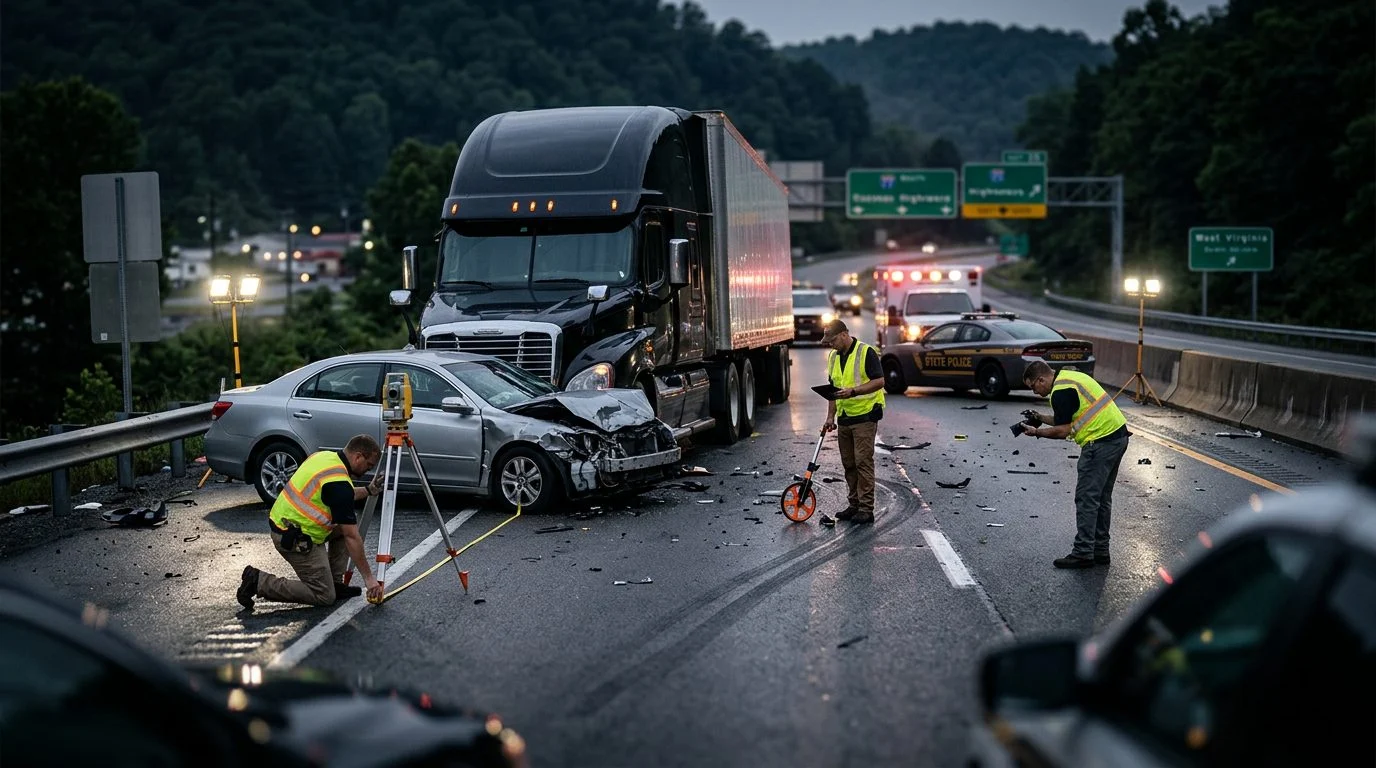
Families often meet this kind of claim after a crash on a state road, a collision with a commercial truck, or a brain or spinal cord injury that later leads to death. The timing can feel overwhelming. Paperwork can arrive before anyone feels ready to read it. Learning the basic terms first makes the next steps easier to follow.
If you are trying to understand who may be a beneficiary after a loss in your family, we are glad to talk it through in a free case review. Talk it through with Big Bubba — the first case review is free, confidential, and carries no obligation.
Who Files a West Virginia Wrongful Death Claim?
Under W. Va. Code § 55-7-6, the action is brought by and in the name of the deceased person’s personal representative.
A personal representative is the person appointed to act for the deceased person’s estate. The appointment usually runs through probate, the court process for settling an estate. The steps depend on the estate and on court procedure, so timing can vary from family to family.
The personal representative is the one who brings the case. The beneficiaries are the people the recovery is meant to serve. The statute says the amount recovered is collected by the personal representative and then distributed as the statute provides. In other words, the representative files the case, and the statute guides who shares in the money.
A family member who is not the personal representative still has a real stake in the outcome. That person’s role in the claim is set by the statute, not by who was most involved in the family’s day-to-day life.
Who Counts as a Beneficiary Under West Virginia Law?
Under W. Va. Code § 55-7-6, the jury may direct damages to the surviving spouse and children, including adopted children and stepchildren, brothers, sisters, parents, and any persons financially dependent on the decedent at the time of his or her death. The statute also covers anyone who would otherwise be equitably entitled to share in the distribution.
The statute does not set fixed shares. The jury, or the court in a case tried without a jury, may award damages it considers fair and just and decides how they are divided. Because the answer depends on the facts, the first question is who survived the person who died.
If there are no such survivors, the damages follow the decedent’s will or, without a will, the laws of descent and distribution in chapter forty-two of the code, as § 55-7-6 explains.
How a particular family’s facts fit into it is what matters most. Many families are surprised to see siblings in that list.
How Surviving Spouses and Children Are Involved
A surviving spouse and surviving children are the first people named in the statute’s list of potential beneficiaries. A surviving spouse is named in the statute as a beneficiary.
Children are named too. The statute expressly includes adopted children and stepchildren, which many families don’t expect. Spouses and children may have different relationships to the person who died. The statute lets the jury, or the court in a case tried without a jury, decide how the damages are divided among them.
The statute also sets out the kinds of damages a verdict may include. These can cover sorrow, mental anguish, and solace, including companionship, comfort, guidance, and advice from the person who died. They may also include reasonably expected loss of income and of the services, protection, care, and assistance the decedent provided, as § 55-7-6 describes.
A common mistake is assuming the spouse alone decides how money is shared. The statute names several people, and the jury may divide the damages among them.
Parents, Siblings, and Other Family Members
Parents of the deceased are named in the statute’s list of beneficiaries. The jury, or the court in a case tried without a jury, decides how each named person may share.
Brothers and sisters are named in the same list.
If none of the survivors named in that list is living, the statute looks to the decedent’s will or, without a will, to the laws of descent and distribution in chapter forty-two of the code. The statute’s wording controls this order, as § 55-7-6 sets it out.
Families often gather a family tree and records such as birth certificates, marriage certificates, and any will. A clear family tree makes it easier to see which relatives may fall within the statute.
Beneficiaries Versus a Survival Action
A wrongful death claim is for the survivors’ own losses after a death. A separate claim covers damages the injured person suffered before dying.
Under W. Va. Code § 55-7-8, a separate and distinct cause of action may be brought for damages incurred between the time of injury and death where not otherwise provided for in sections five and six. It can be joined in the same proceeding. The same section says there is only one recovery for each element of damages.
W. Va. Code § 55-7-8a also provides that causes of action for injuries to the person not resulting in death survive. If the injured person dies before filing and the claim is not at the time of death barred by the applicable statute of limitations, the personal representative may begin the action within the same time period that would have applied had the person lived.
The two claims can arise from the same crash. The estate and the survivors may each have an interest in the outcome. The two claims sound alike, so the difference is easy to miss.
Not sure what your next step is?
Talk it through with Big Bubba — the first case review is free, confidential, and carries no obligation.
How Wrongful Death Claims Arise From Crashes and Serious Injuries
A wrongful death claim may follow a car crash, a commercial truck crash, or a catastrophic injury that later causes a death. It applies when another party’s wrongful act, neglect, or default resulted in the death.
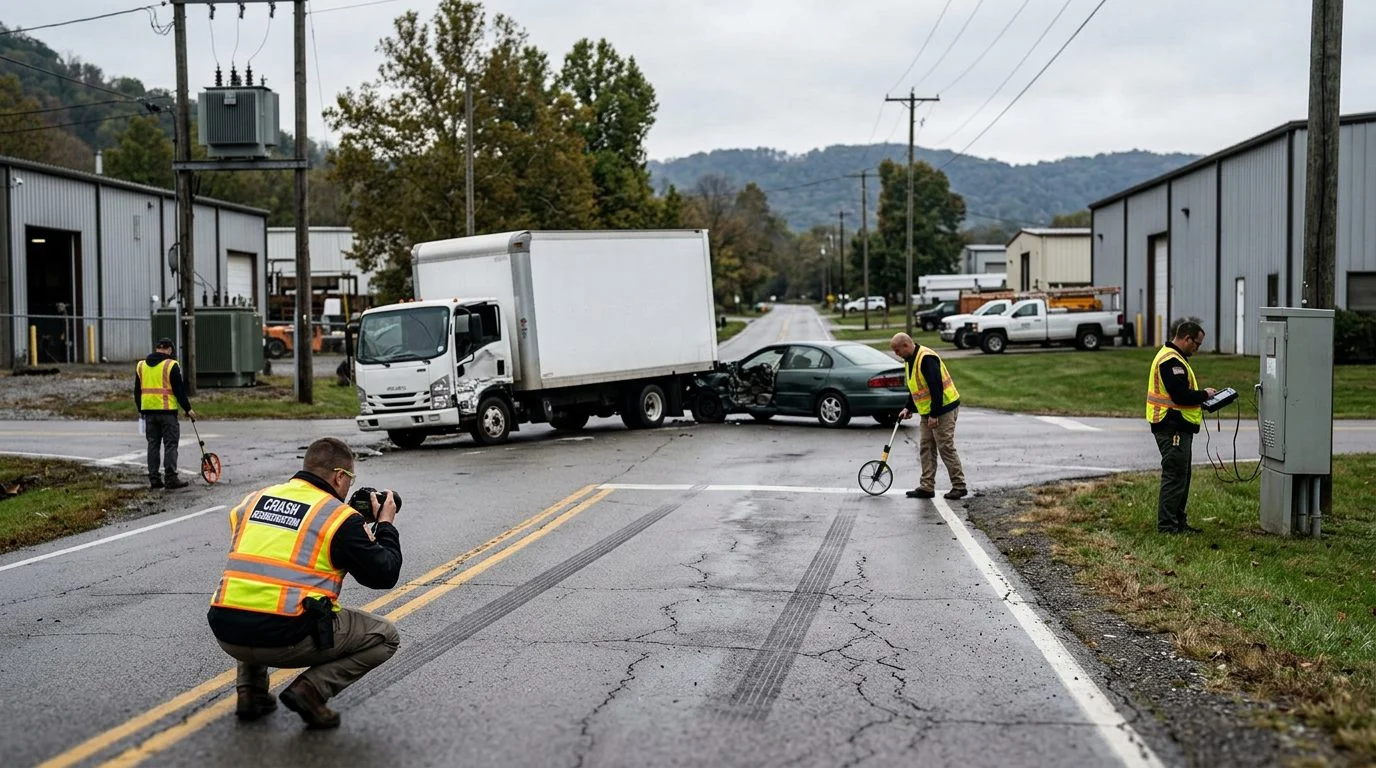
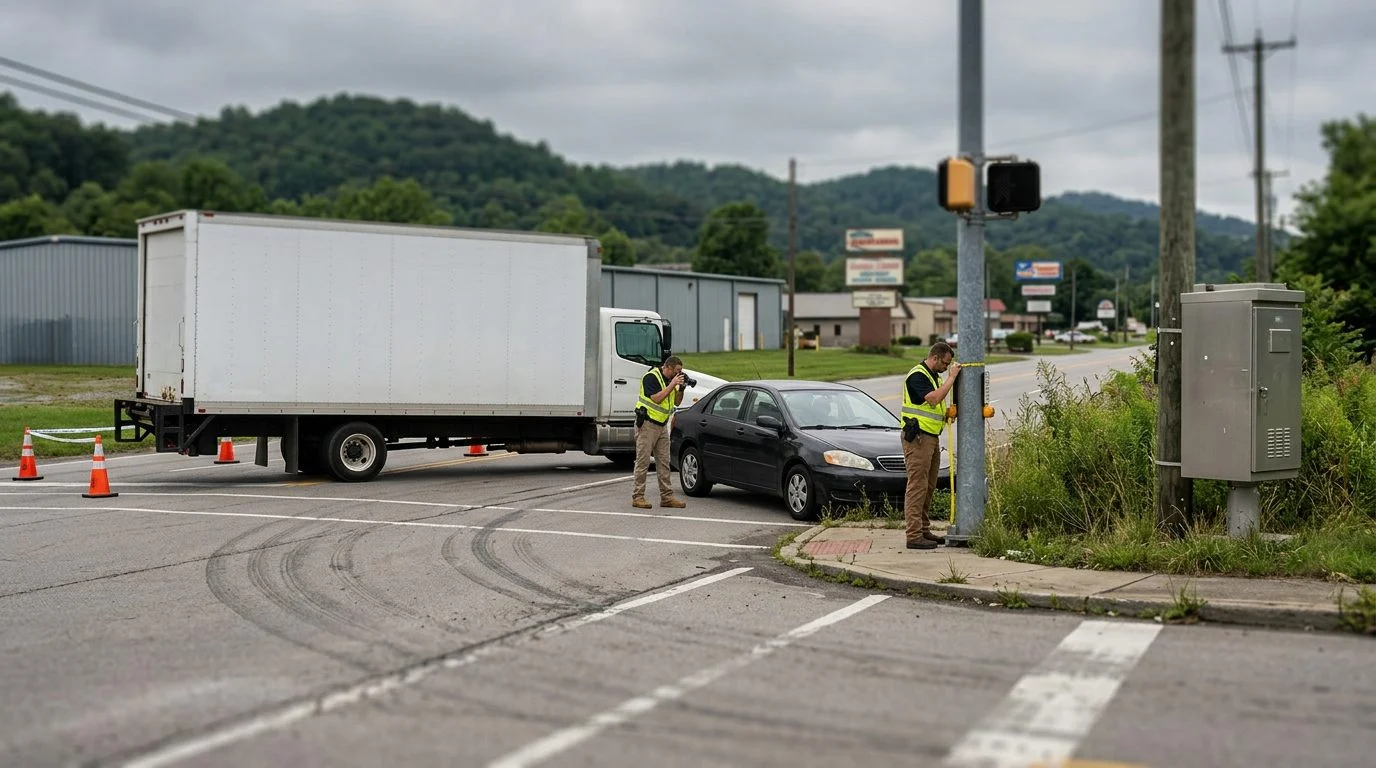
If another driver or company was at fault, the family may have a claim. Who was at fault is a question of proof. Medical records can be important when a family looks at how an injury led to a death. Crash reports, witness names, photographs, and vehicle information can also matter.
Crashes involving commercial trucks may raise questions about the driver’s employment and work duties at the time of the crash. See Zirkle v. Winkler.
West Virginia generally allows two years from the date of death to file a wrongful death action, and exceptions may apply. Under W. Va. Code § 55-7-6, that period is tied to the date of death, so note that date on every document you keep.
Talking Through Your Family’s Situation
Families asking who the beneficiaries are are often sorting out a loss while making decisions they never planned to make.
Big Bubba Injury Law handles wrongful death claims, car and truck accident claims, commercial vehicle accident claims, and catastrophic injury cases, including traumatic brain injury and spinal cord injury cases. We serve families in all 55 West Virginia counties, including Charleston, Huntington, Morgantown, Wheeling, Martinsburg, Parkersburg, Beckley, Clarksburg, Fairmont, and Weirton.
Can a surviving spouse file a wrongful death claim in West Virginia?
Generally, the personal representative brings the action. The surviving spouse is one of the beneficiaries the statute names.
How long do families generally have to file?
West Virginia generally allows two years from the date of death, and exceptions may apply (W. Va. Code § 55-7-6).
Are stepchildren included as beneficiaries?
The statute expressly names adopted children and stepchildren, so they are within the list the jury may consider.
Questions about who may be a beneficiary after a death in the family can be complicated, and you can reach out to the firm to talk through your situation. You can request a free case review to talk through your family’s situation.