
West Virginia Car Accident Guide
Hit From Behind in West Virginia? Here's How Fault Gets Looked At
Plain-language answers for drivers and families after a rear-end crash, and how to reach out to the firm about your situation.
Published November 19, 2026
If another driver ran into the back of your car, you probably want to know who is responsible. In many rear-end crashes in West Virginia, the driver in back is looked at first, because that driver is expected to keep a safe following distance. The driver in front can share fault, though, and state comparative fault rules decide how that shared fault affects a claim (W. Va. Code § 55-7-13c).
Being hit from behind can leave you sore, shaken, and unsure what to do next. This guide explains the common starting point, the situations where the front driver may matter, and the evidence that often helps.
Why rear-end crashes often start with the following driver
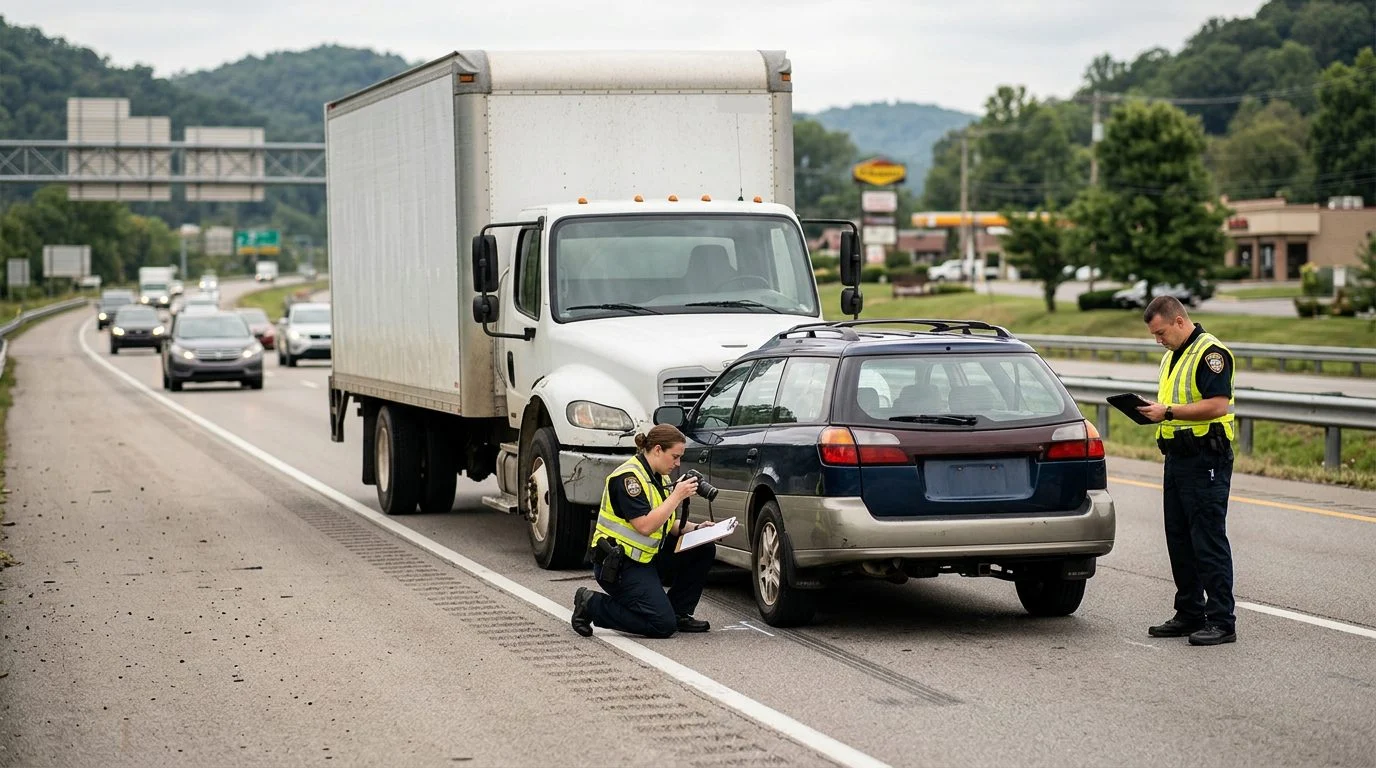
In many rear-end crashes, the central question is whether the trailing driver kept a safe distance and stayed alert to traffic ahead. The trailing driver is the rear driver. The vehicle ahead belongs to the front driver.
This is a common starting point, not a fixed rule. The facts of each crash shape the answer. Speed, weather, road conditions, and how traffic was moving all affect whether a following distance was safe.
A rear driver who keeps a safe distance has more room to stop when traffic changes. Investigators look at where each car was, how fast it was moving, and what each driver did. That is why people often begin with the rear driver’s choices, and then look at the front driver.
If a rear-end crash left you hurt and unsure who may be responsible, you can request a free case review to talk through what happened. Talk it through with Big Bubba — the first case review is free, confidential, and carries no obligation.
When the driver in front may share responsibility
The driver in front may share fault when their own actions helped cause the impact. Several situations may be relevant:
- A sudden stop with no clear reason, such as braking hard when no hazard is ahead.
- Brake lights that were not working, so the rear driver had no warning.
- Backing up or reversing into traffic.
- An abrupt lane change or cut-in right before the impact, leaving too little room to stop.
Whether any of these applies depends on the facts. Photos, video, and witness accounts often show what the front driver did in the seconds before impact. Some front drivers say they stopped for a good reason. That explanation may be relevant, and it is one more fact to test against the evidence.
More than one driver can be found partly at fault in the same crash. A single rule that says the rear driver is always at fault can miss the full story.
How West Virginia’s comparative fault rules can affect a claim
West Virginia uses a modified comparative fault system (W. Va. Code § 55-7-13c). Your own share of fault can reduce what you recover, and in some cases it can bar recovery.
Under W. Va. Code § 55-7-13a, recovery in a personal injury or wrongful death case is based on comparative fault. Each person’s liability follows that person’s percentage of fault. The percentages for one incident must total either zero or one hundred percent.
W. Va. Code § 55-7-13c sets the threshold. Fault chargeable to the injured person does not bar recovery unless that fault is greater than the combined fault of everyone else responsible. If the injured person’s fault is less, the recovery is reduced in proportion to that fault.
In plain terms, a driver who is mostly to blame may be barred from recovering. A driver who is less to blame may recover a reduced amount. How these percentages work in a given crash depends on how fault is allocated.
Because the rules turn on percentages, fault becomes a question of evidence. These rules matter most when the crash facts are disputed.
Evidence that can help show how the crash happened
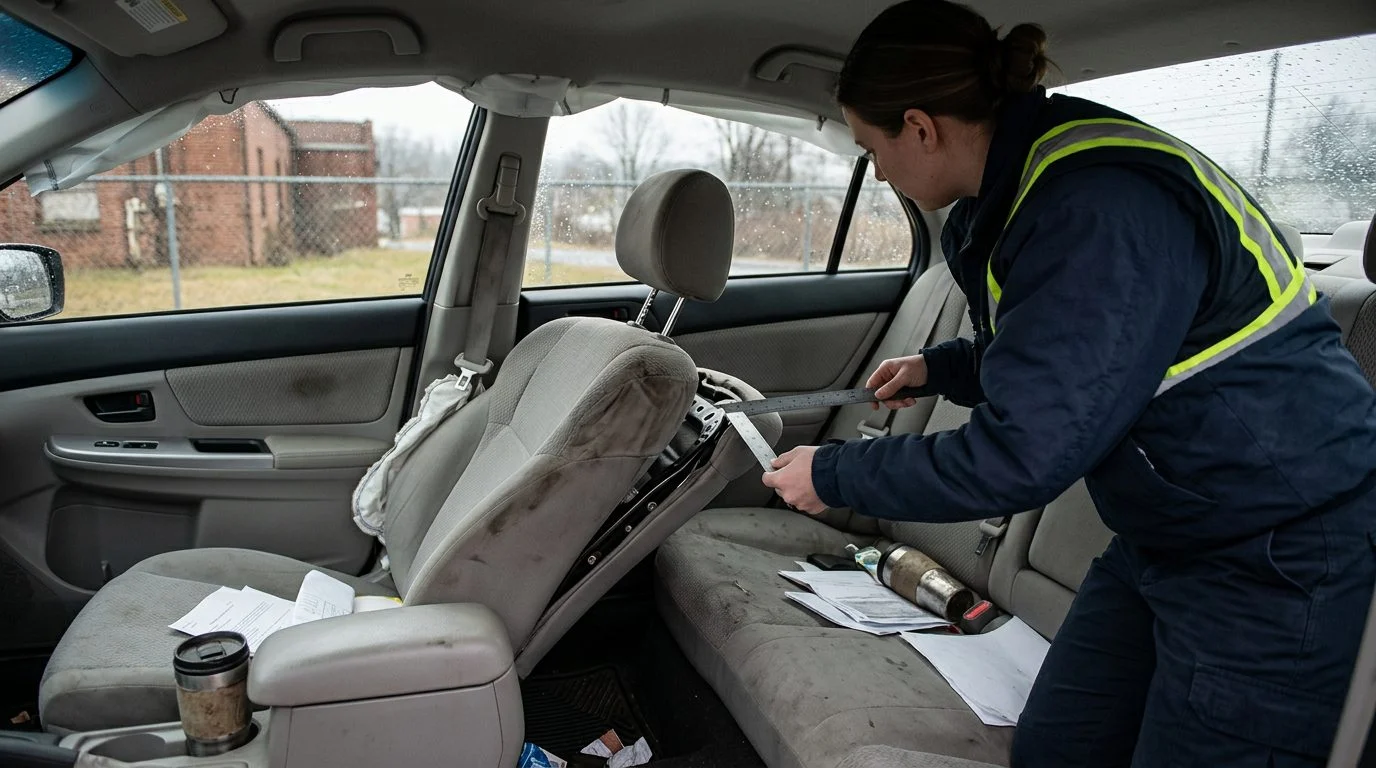
The most useful evidence is usually what was recorded close to the crash.
If the crash caused injury or death, or total property damage to an apparent extent of $1,000 or more, the driver must immediately notify the local police if the crash occurred within a municipality, otherwise the county sheriff or the nearest West Virginia State Police office, under W. Va. Code § 17c-4-6. The investigating officer must prepare a report within 24 hours after finishing the investigation, under W. Va. Code § 17c-4-7.
Police reports record statements, citations, and the officer’s observations. They are not always complete, so compare them with other evidence. Ask for the report number at the scene, and note the time and place in your own notes while the details are fresh.
Other evidence that may be relevant includes:
- Photos of both vehicles, the roadway, and the scene.
- Dashcam or other video from any vehicle nearby.
- Brake light condition and the pattern of vehicle damage.
- Vehicle data, where it is available.
- Names and contact details of witnesses, collected early because memories fade.
What helps most varies from crash to crash. Medical records are part of the evidence too, and they are covered below.
Injuries from rear-end impacts and why medical records matter
Rear-end impacts can injure the neck and back, and whiplash is a common example. Some crashes also cause a concussion. In more serious cases, the impact can involve a traumatic brain injury or a spinal cord injury.
Symptoms do not always show up right away. Headaches, dizziness, numbness, or stiffness may appear hours or days later. Getting checked promptly gives the medical record a clear starting point.
Pain that seems minor on the day of the crash can become more noticeable later. Tell your medical provider about every symptom, even small ones, so the record reflects what you actually felt.
Medical records help connect an injury to a crash. How an injury is linked to the crash is decided on the facts and the medical evidence, not on a single document. Keep copies of visit notes, imaging reports, and prescriptions. Write down symptoms as they change, along with any days you missed from work.
Insurance questions and filing deadlines to keep in mind
West Virginia generally allows two years to file a personal injury claim, and exceptions may apply. Under W. Va. Code § 55-2-12, a personal injury action must be brought within two years after the right to bring it accrues, where no other limit is set.
Insurance adds another layer. The at-fault driver’s insurer may be involved, and your own policy may also matter. Coverage questions depend on the policies and the facts. The West Virginia Division of Motor Vehicles explains the state’s auto insurance requirements.
Some insurers may dispute a claim. Keeping records of medical visits, receipts, lost work time, and every written message with an insurer makes the story easier to follow.
Timing matters in another way. For 20 days after an injury, W. Va. Code § 55-7-11a restricts certain settlement contact while the injured person is in the hospital or unable to work. Under W. Va. Code § 55-7-11a, a settlement, release of liability or statement obtained in violation of that section may be disavowed by the injured person at any time within one hundred eighty days from the date of the personal injury, by executing a written statement of disavowal and forwarding a copy to the person who violated the section. The settlement, release or statement may not be admissible in evidence for any purpose in a related court or other proceeding only if any consideration paid is repaid or returned to the person who paid it. Deadlines are easy to miss while you are recovering, so checking the timing early is a practical step.
Not sure what your next step is?
Talk it through with Big Bubba — the first case review is free, confidential, and carries no obligation.

If you were rear-ended and are weighing your next step
If you were rear-ended, you may be dealing with pain, a damaged car, and questions about who is responsible. You may also be helping a family member who was hurt in a crash they did not expect.
The firm handles car accident, truck accident, and commercial vehicle accident claims for people seriously hurt on West Virginia roads. The firm also handles catastrophic injury cases, including traumatic brain injury and spinal cord injury claims, and wrongful death. We serve injury victims in Charleston, Huntington, Morgantown, Wheeling, Martinsburg, Parkersburg, Beckley, Clarksburg, Fairmont, Weirton, and across West Virginia.
If the crash caused a head injury, read more about traumatic brain injury from crashes. Taking a few notes about your symptoms and your crash can make the first conversation more useful.
If you are weighing a claim and want to talk through the facts of your crash, you can request a free case review with the firm.