
Wrongful Death | West Virginia
Losing a Child in a Crash: Support for West Virginia Families
We help families across West Virginia who are dealing with the loss of a child in a car or truck crash, and we can talk through what comes next when you are ready.
Published November 20, 2026
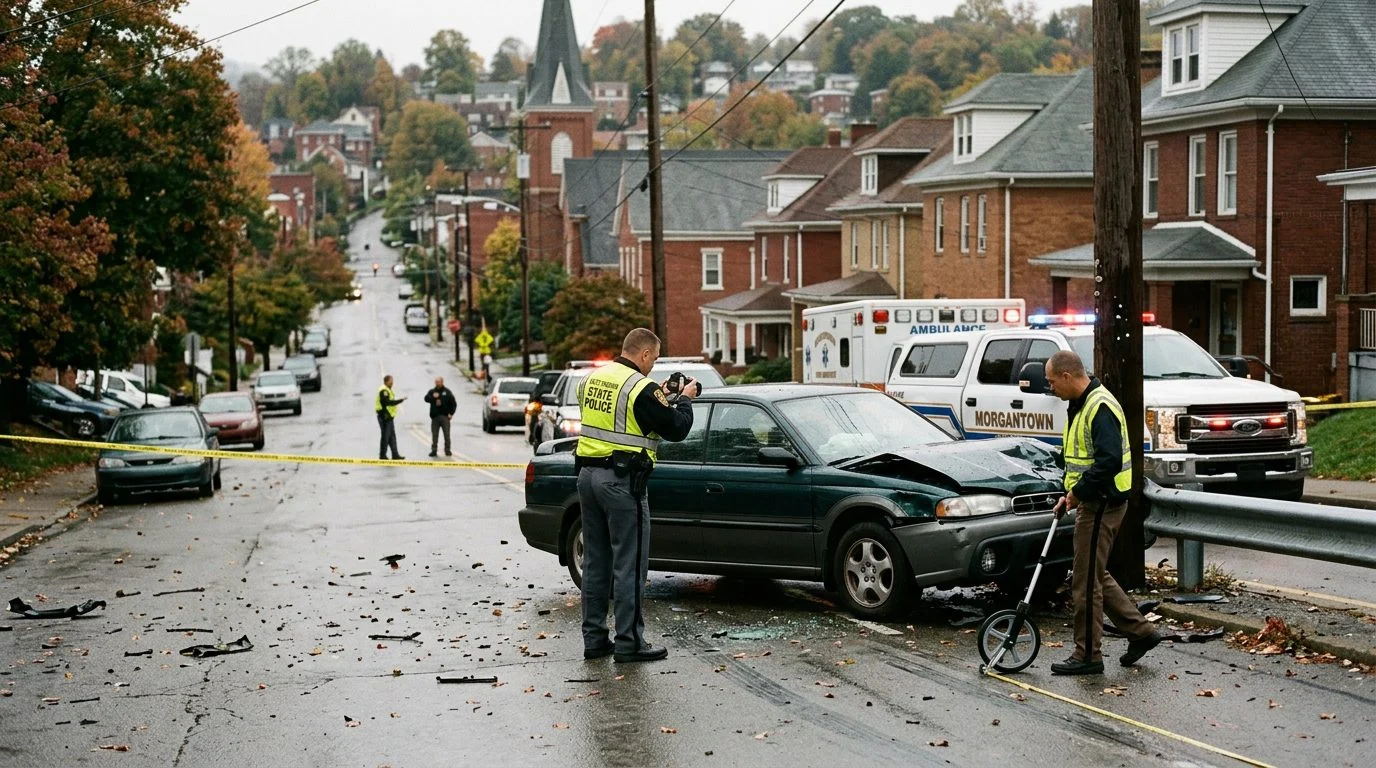
Losing a child in a car accident is one of the hardest things a family can face. If a child was killed in a car accident in West Virginia, grief, funeral plans, and hard legal questions often arrive at the same time.
West Virginia generally allows a family to bring a wrongful death claim when another person’s wrongful act causes a death. The claim is generally brought by the personal representative of the child’s estate, and it generally must be filed within two years of the death. Exceptions may apply, so the details matter. This page explains the basics in plain language.
What Families Often Face in the First Days After a Child’s Death
In the first days after a child dies in a crash, most families are handling grief and practical tasks side by side. Funeral arrangements usually come first.
At the same time, a crash investigation may be underway. You may hear from police, the hospital, or insurance companies. Each call can feel urgent, even when it is not.
You do not need to make legal decisions in those first days. Take the time your family needs. Still, some timing rules start running early, so it helps to learn the basics soon.
A simple list can help. Write down the crash date, the date of death, the investigating agency, and the names of anyone who has contacted you. Our broader pages on accident claims are a useful starting point for the wider topic.
If you are grieving a child lost in a car accident, you do not have to face the legal questions alone, so reach out to the firm to request a free case review. Talk it through with Big Bubba — the first case review is free, confidential, and carries no obligation.

How West Virginia Wrongful Death Law Works in General
In general, West Virginia allows a family to seek damages when a death is caused by another person’s wrongful act, neglect, or default that would have entitled the injured person to maintain an action had death not occurred, but no action may be brought by the personal representative of a person who, not an infant, compromised the injury and accepted satisfaction for it before his or her death. W. Va. Code § 55-7-5 sets out this basic rule. The rule can apply even after the injured person has died.
The main wrongful death statute is W. Va. Code § 55-7-6. It says the action is brought in the name of the personal representative who has been duly appointed.
A jury, or a judge in a case without a jury, may award damages it considers fair and just. The statute lists several kinds of damages. The jury’s verdict shall include damages for sorrow, mental anguish, and solace, which may cover the child’s companionship and guidance. They can also include reasonable funeral expenses and certain medical and hospital expenses tied to the injury.
Fault also matters. West Virginia uses comparative fault, which means each person’s share of fault is expressed as a percentage. W. Va. Code § 55-7-13a describes how that works. If another driver was at fault, how that share is assigned can vary from crash to crash.
Who May Bring or Share in a Claim After a Child Dies
The personal representative brings the claim. The court or jury then decides how any damages are shared among survivors.
Under W. Va. Code § 55-7-6, survivors can include a surviving spouse, children (including adopted children and stepchildren), brothers, sisters, parents, and any persons who were financially dependent on the decedent at the time of his or her death or would otherwise be equitably entitled to share in such distribution. For a minor child, parents are often the central family members. Who falls within the statute can depend on each family’s situation.
The personal representative must be appointed before the claim moves forward. A court handles that appointment, so families should ask early how the process works in their county.
Separation adds questions. When parents are separated or divorced, questions about who may act and who shares in the damages can come up. These are worth raising early, so they do not delay other steps.
Time Limits Families Should Know About
West Virginia generally allows two years from the date of death to file a wrongful death action, and exceptions may apply (W. Va. Code § 55-7-6).
The two-year period appears in W. Va. Code § 55-7-6. It counts from the date of death, not the date families first learn about the crash. The statute also says it is subject to other provisions of the code, so timing can change in some situations.
Many families assume they have more time while they grieve. Deadlines run whether or not a family feels ready. Missing one may end a claim, even one with strong facts behind it.
A practical step is to write the date of death on a calendar. Keep that date with your other records. Then you have one clear reference point when you begin looking at the timeline.
Records and Evidence That Often Matter After a Child’s Crash
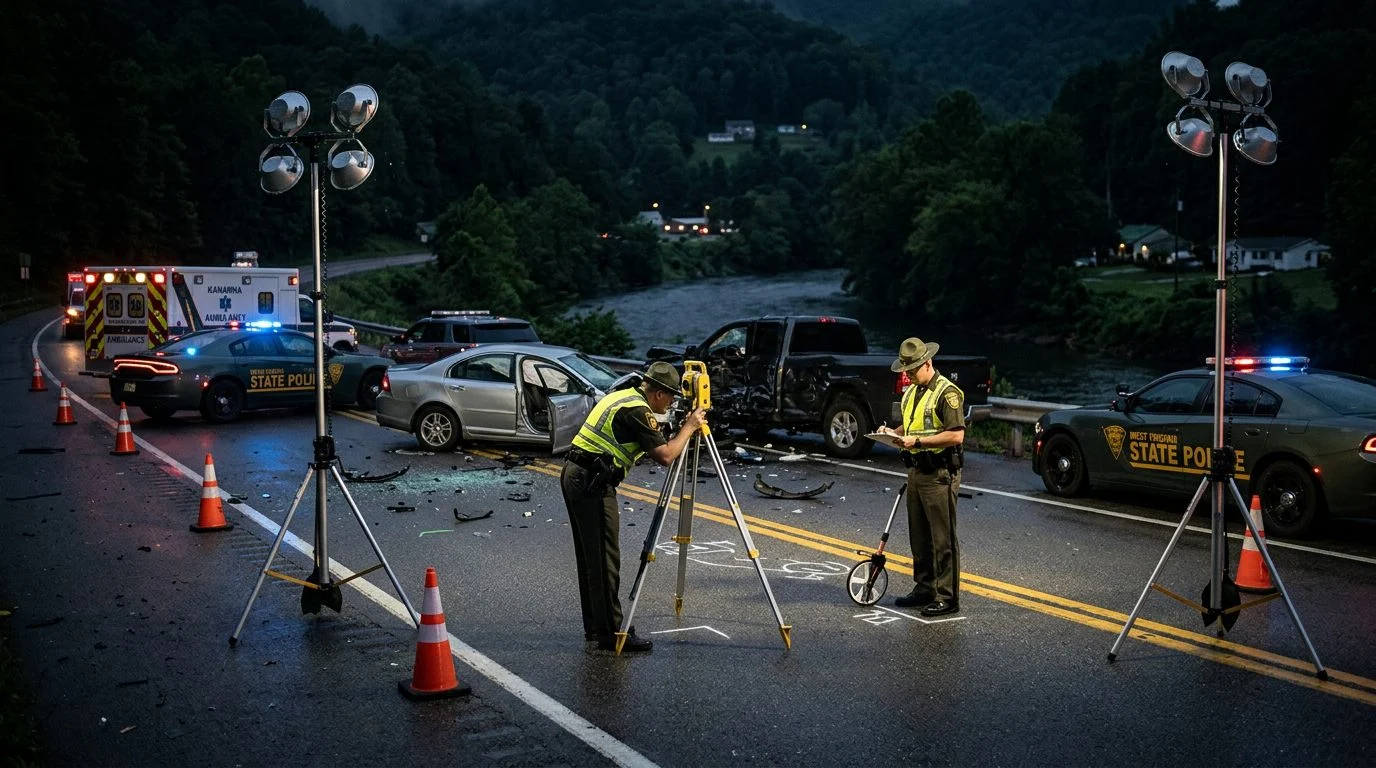
A crash report is usually one of the first records families need. West Virginia law sets timing rules for it.
Under W. Va. Code § 17c-4-7, the investigating officer must prepare a report of a crash on the public streets or highways of this state that results in bodily injury to, or death of, any person, or total property damage to an apparent extent of $1,000 or more. The officer has 24 hours after completing the investigation to submit it. Within 24 hours of the crash, the officer must also share owner, operator, and insurance information with each involved party on request, at no cost.
Other records may matter too. These can include medical and emergency response records, photographs of the scene and vehicles, witness names, and vehicle information.
Vehicle data and physical evidence can be lost, repaired, or changed over time. Ask early about preserving the vehicles and any records. Speed is one factor that often gets close attention. The Insurance Institute for Highway Safety reports that speeding increases crash risk, stopping distance, crash energy, and the likelihood of severe injuries.
Questions About Insurance After a Crash That Killed a Child
Families often hear from insurance companies soon after a crash. You can take time before you respond.
Some insurers may dispute a claim or ask for a recorded statement. It is reasonable to ask what the call is for and what information the company wants before you answer.
Your own auto policy may also matter. West Virginia law generally requires motor vehicle policies to include provisions for sums the insured is legally entitled to recover from an uninsured motor vehicle’s owner or operator, as described in W. Va. Code § 33-6-31.
Crashes that involve more than one vehicle can raise more insurance questions. Those situations often need a closer look at each policy and each driver’s role.
Not sure what your next step is?
Talk it through with Big Bubba — the first case review is free, confidential, and carries no obligation.
Talking With the Firm About Your Family’s Situation
If your family is deciding whether to talk with an attorney about a child’s death in a car crash, a free case review can be a good first step.
The free case review is an offer to talk through the crash, your questions, and possible next steps. You have no obligation to continue after it.
The firm handles wrongful death claims and serves families across West Virginia. If your child died in a crash and you are wondering whether another driver may be responsible, you do not have to sort through the records and deadlines alone. Reach out to the firm to request a free case review.