
Commercial Truck Accidents
What to Do After a Commercial Truck Accident in West Virginia
Immediate steps to protect your health, your rights, and your claim.
Published October 08, 2026
What to Do After a Commercial Truck Accident in West Virginia
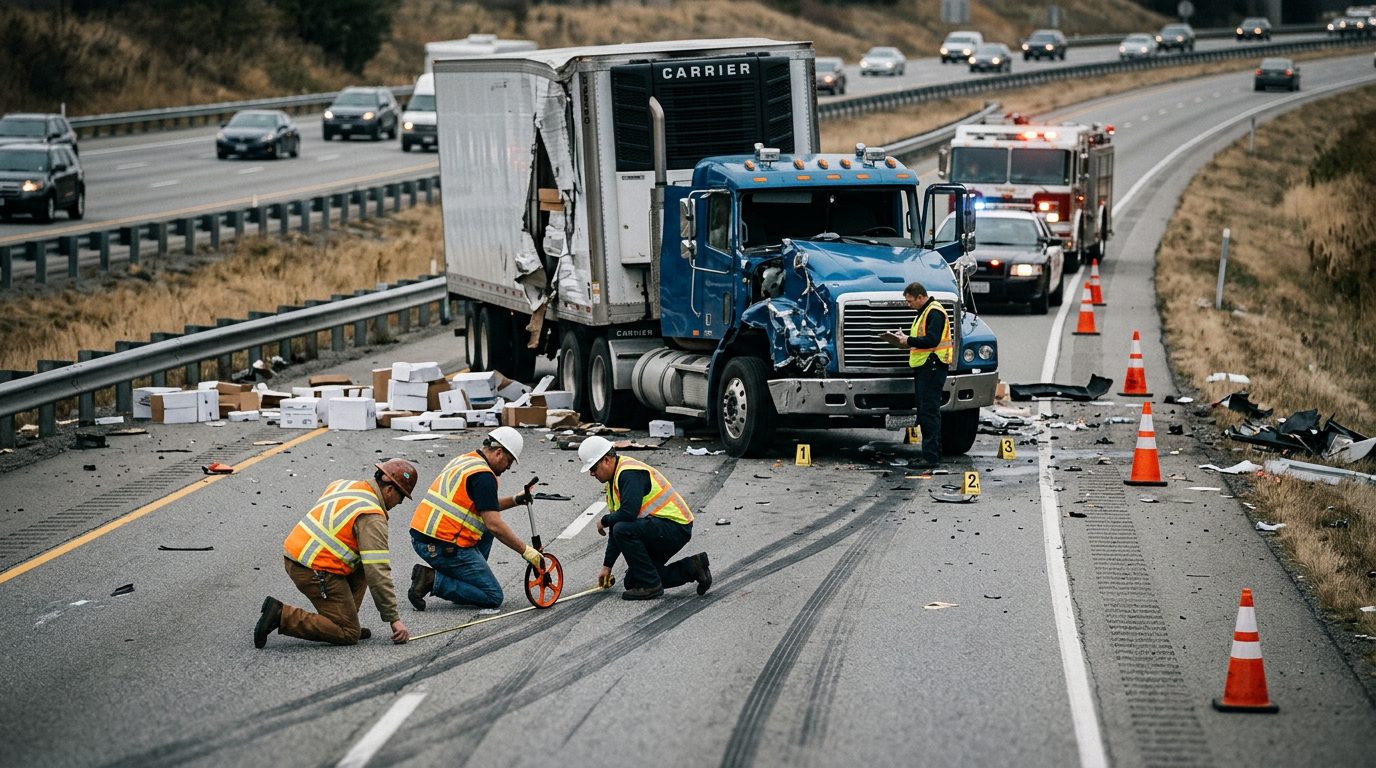
After a commercial truck accident, your first priority is safety and medical care—everything else follows. Commercial trucks weigh 20 to 30 times more than passenger vehicles, and collisions with them often cause catastrophic injuries that aren’t always obvious at first. This guide walks you through the immediate steps to take, how to protect evidence before it disappears, and when to involve a lawyer.

Not sure what your next step is?
Talk it through with our team — the first case review is free, confidential, and carries no obligation.
Step 1: Prioritize Safety and Call 911
Move yourself and your passengers to a safe location away from traffic and the truck if you can do so safely. Turn on your hazard lights immediately and, if possible, place warning triangles or flares behind your vehicle. Call 911 right away—do not delay. Tell the dispatcher your exact location, how many people are injured, and the nature of any injuries. Wait for emergency responders at the scene; never leave before police arrive, even if you feel pressured to do so. If you cannot move your vehicle safely, stay inside with your seatbelt on and wait for help.
Step 2: Seek Medical Attention Right Away
Accept emergency medical transport if paramedics offer it. Go to the nearest emergency room or urgent care facility, even if you feel okay. Some of the most serious injuries—traumatic brain injury (TBI) and spinal cord injury (SCI)—may not show symptoms for hours or even days after the crash. Tell the medical staff about every symptom you notice: headache, neck or back pain, numbness, tingling, dizziness, nausea, vision changes, or difficulty concentrating. Keep all medical records, test results, imaging reports, and receipts. Follow up with your primary care doctor and any specialists the ER recommends, and attend all appointments.
Step 3: Document the Scene and Gather Information
If you are physically able and it is safe to do so, take photos and video of your vehicle’s damage, the truck’s damage, road conditions, traffic signs, weather, and the overall accident scene. Photograph the commercial truck’s license plate, company name, and any visible markings or logos. Get the truck driver’s full name, phone number, address, and driver’s license number. Record the trucking company’s name, address, and phone number. Collect the names, phone numbers, and addresses of any witnesses—other drivers, pedestrians, or bystanders. Note the date, time, weather conditions, road surface, and direction of travel. Describe only what you saw and heard; do not discuss fault or apologize.
Step 4: Report the Accident to Police and Insurance
Provide a factual, straightforward statement to the police officer at the scene. Describe only what you observed—the vehicles involved, the direction of travel, the point of impact, and any visible damage. Do not speculate about how the accident happened or who was at fault. Get the police officer’s name, badge number, and the report number. Report the accident to your own insurance company as soon as possible. Give them the police report number and basic facts about what happened. Do not sign anything or make a recorded statement to the trucking company’s insurance company without first speaking to a lawyer.
Step 5: Preserve Evidence Before It Disappears
Commercial trucking companies and their insurers move quickly to preserve, control, or destroy evidence. The truck’s electronic logging device (black box) records hours of operation, speed, braking, and other data. Maintenance records, driver logs, dispatch records, and safety inspection reports all matter. Send a written preservation letter to the trucking company as soon as possible—ideally within days of the accident. This letter formally instructs the company to preserve all evidence related to the crash. A lawyer can draft and send this letter on your behalf, which also signals that you are serious about protecting your rights. Photograph or video-record the truck and accident scene again if you can access them safely. Keep every medical bill, receipt, prescription, and communication related to your injuries and treatment.
Have questions about what happened?
Ask our team directly. The first conversation is free, confidential, and there is no obligation to continue.
What Not to Say to the Insurance Company
Do not admit fault or apologize, even if you think you might have been partly at fault. Insurance companies use admissions against you later. Do not speculate about how the accident happened or what the truck driver was doing. Stick to facts only. Do not agree to a recorded statement without legal advice; insurers use recorded statements to lock you into a story they can later challenge. Do not accept an early settlement offer without understanding the full extent of your injuries—some injuries take weeks or months to fully develop. Do not post about the accident on social media; insurers monitor social media and may use posts to dispute your claim.
How Long Does a Commercial Vehicle Accident Stay on Your Record?
A police report becomes part of the public record and is typically available indefinitely. Insurance companies may use accident history for 3 to 5 years when calculating your rates. A driver’s history of violations and at-fault accidents can be a factor when looking into a commercial crash. Your personal driving record is separate from the police report; you can check your West Virginia driving record for accuracy through the West Virginia Legislature.
What Happens If a Commercial Truck Hits You?
Commercial trucks are subject to Federal Motor Carrier Safety Regulations that do not apply to passenger vehicles. These rules govern maintenance, inspection, driver qualifications, and hours of operation. The trucking company may be liable for the driver’s negligence, even if the driver was an independent contractor. Commercial truck accidents often result in serious or catastrophic injuries because of the truck’s size and weight. Multiple parties may share liability: the driver, the trucking company, the truck owner, the cargo loader, the shipper, or the truck manufacturer. Your claim may involve the trucking company’s insurance, which typically carries much higher liability limits than personal auto insurance.
When Should You Contact a Lawyer?
Contact a lawyer as soon as possible after a commercial truck accident, especially if you have been injured. A lawyer can send a preservation letter to protect evidence before it is lost or destroyed. A lawyer can handle all communication with insurance companies on your behalf, preventing you from making statements that could hurt your claim. A lawyer can help you understand your rights under West Virginia law and the potential value of your claim. Many people wait weeks or months before reaching out; the sooner you contact a lawyer, the better your case can be protected. Early involvement also signals to the trucking company and its insurer that you are serious about holding them accountable.
Key Takeaways
- Safety first: Move to safety and call 911 immediately.
- Seek medical care right away, even if you feel okay—some injuries appear later.
- Document the scene, the truck, and witness information if you can do so safely.
- Report to police and your own insurance company promptly.
- Preserve evidence by sending a preservation letter to the trucking company within days.
- Avoid statements to the trucking company’s insurance without legal advice.
- Contact a lawyer early to protect your rights and preserve critical evidence.
Want to know where you stand?
Tell us what happened and our team will walk you through the options available to you, at no cost.
Frequently Asked Questions
How soon after a truck accident should I see a doctor?
Go to the emergency room or urgent care immediately, even if you feel okay. Some injuries, including traumatic brain injury and spinal cord injury, may not show symptoms for hours or days.
What is a preservation letter and why do I need one?
A preservation letter is a formal written instruction to the trucking company to preserve all evidence related to the accident, including black box data, maintenance records, and driver logs. It prevents the company from destroying evidence and signals that you are pursuing a claim.
Can I be held liable if a commercial truck hits me?
West Virginia applies comparative fault rules (W. Va. Code § 55-7-13c). You may be found partially at fault, and fault for the accident may be divided among several people, including parties and nonparties. A lawyer can evaluate the facts and explain your liability exposure.
How long do I have to file a claim after a commercial truck accident in West Virginia?
West Virginia generally allows two years to file a personal injury claim, measured from when the right to bring the claim accrued, and exceptions may apply (W. Va. Code § 55-2-12). Do not wait; contact a lawyer early to preserve evidence and meet all deadlines.
What should I do if I cannot move my vehicle after a truck accident?
Stay inside your vehicle with your seatbelt on, turn on hazard lights, and wait for emergency responders. Do not attempt to move a damaged vehicle if it is unsafe to do so.
If You’ve Been Hit by a Commercial Truck in West Virginia
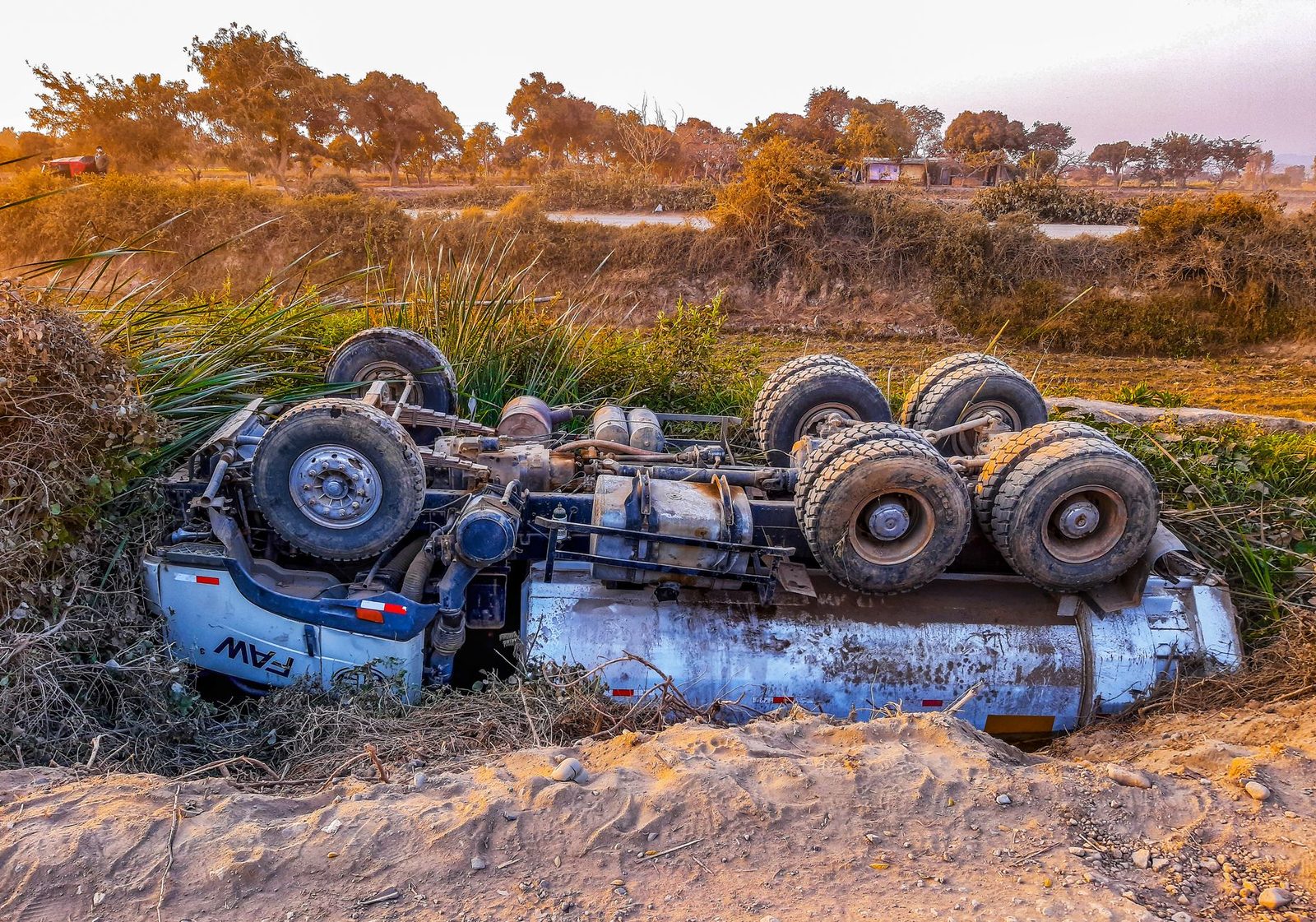
If you or someone you care for has been hit by a commercial truck in West Virginia, you’re facing a complex situation—and people in your position can reach out to us to understand what happens next and how to protect their claim. Contact us for a free case evaluation so we can listen to what happened, answer your questions, and explain how we can help preserve evidence and protect your rights.
Big Bubba
West Virginia Personal Injury Law Firm
Representing people seriously hurt in car and commercial truck accidents, catastrophic brain and spinal cord injuries, and families in wrongful death cases.
Related practice areas
- Truck Accident Claims in West Virginia | Big Bubba Legal
- What Happens If a Commercial Truck Hits You