
West Virginia Car Wreck Claims
Wondering How Long a Car Wreck Lawsuit Takes to Settle?
Every case moves at its own pace. Here is what may shape the timeline, and how to start a conversation about yours.
Published November 9, 2026
After a crash, many people want one answer: how long will this take? That question tends to come up when bills are arriving and time off work keeps adding up.
There is no single answer. A car wreck lawsuit or claim may settle in a few months, or it may take a year or more. Each case moves through familiar stages, and the length of each stage depends on how the case develops.
Why there is no single answer to how long a car wreck settlement takes
A car wreck claim may settle in months, or it can run much longer. No one can say ahead of time which path a case will follow.
Every crash is different. Fault may be clear or may be contested. Injuries may improve quickly or need months of evaluation. Several insurers or several parties may be involved, and each of these facts can change the schedule.
The firm represents people hurt in car and truck crashes across West Virginia. If you are researching for a family member who cannot manage paperwork right now, you can reach out to us to talk about the situation. The stages below apply whether you are the injured person or the one helping them.
This page walks through the stages most claims follow, from the first report to payment or a lawsuit. It then covers the factors that can speed a case up or slow it down, and the West Virginia deadlines that limit how long you have to act. Treat any timeline as a rough map, not a promise.
If a crash you did not choose has left you or someone you love with questions about timing, we invite you to reach out for a free case review. Talk it through with Big Bubba — the first case review is free, confidential, and carries no obligation.
The usual stages of a car wreck claim, from first report to payment
Most car wreck claims follow the same basic order. The claim is opened, facts are gathered, medical care continues, a demand is sent, and negotiation follows.
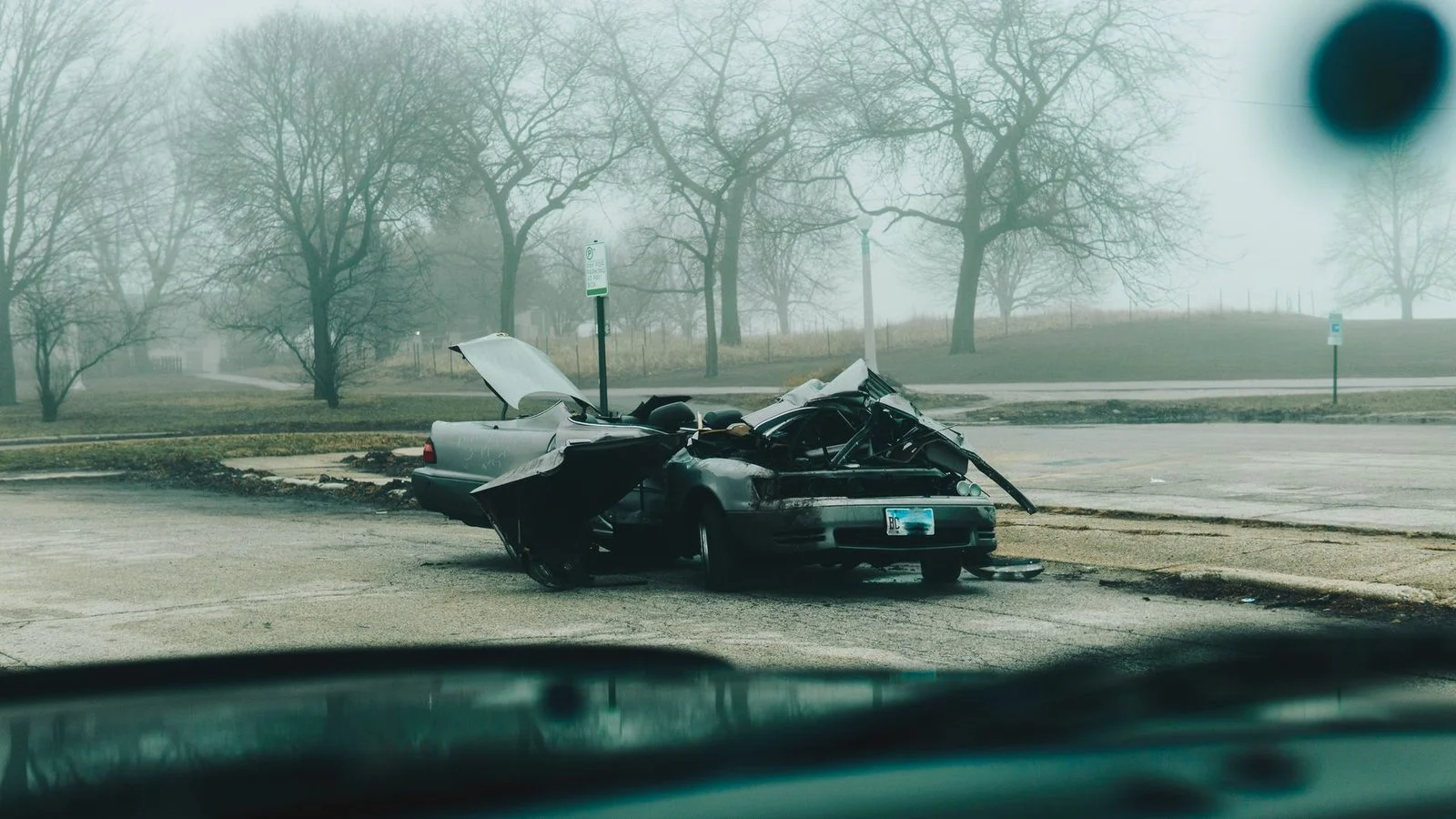
The first stage is reporting. The claim is opened with the insurers involved, often the at-fault driver’s liability insurer. Then the investigation begins. The crash report, photos, vehicle damage, and witness details are gathered and reviewed.
Treatment usually runs alongside these steps. Next comes the demand, then negotiation. If both sides agree, a settlement is signed and payment follows. If they do not agree, the case may move to a lawsuit.
These stages can overlap. Treatment may still be underway while talks begin. Not every case passes through every stage, and a claim may settle early. Crashes involving large trucks follow this same path, with added steps covered on the firm’s truck accident page.
How medical treatment shapes the timeline
Medical treatment often sets the pace of a claim, because the full effect of an injury is hard to judge early. Some people’s recovery becomes clearer over time, and a claim may wait for that picture.
In injury claims, maximum medical improvement (MMI) is the point where a doctor believes the condition has largely stabilized. Not every injury reaches that point on a predictable schedule.
Serious injuries often need more time. A traumatic brain injury or spinal cord injury may require follow-up visits, testing, and several doctors’ reviews. The time this takes can vary from person to person.
Keep every appointment and every bill. Gaps in treatment may give an insurer a reason to question the claim.
Investigation and evidence: what has to be gathered before a claim moves
A claim usually moves forward only after the key records are gathered and reviewed. Missing records can cause a claim to stall.
The police crash report is often the first record. Photos, repair estimates, witness names, medical records and bills, and proof of lost wages all help show what happened and what it cost. Gathering them can take weeks, depending on who holds them.
Commercial vehicle crashes add more records. A trucking company’s driver logs, maintenance files, and dispatch records may matter. Federal rules generally require a motor carrier to retain records of duty status and supporting documents for at least six months from the date of receipt, so early requests can matter. See federal driver log rules.
The demand letter and negotiation with the insurer
A demand letter is the written request that starts serious settlement talks with the insurer. It summarizes the crash facts, the injuries, the losses, and the amount requested.
An insurer may take time to review a demand. It may ask questions, request more records, or dispute parts of the claim. Negotiation can involve several rounds of offers and counteroffers.
How long this stage takes depends on how far apart the sides are and how well the records support the claim.
West Virginia also limits early settlement talks. For twenty days after an injury, no one may try to negotiate with an injured person who is in the hospital or unable to work, with limited exceptions. See West Virginia’s twenty-day rule. A settlement, release of liability or statement made in violation of that rule may be disavowed by the injured person within one hundred eighty days from the date of the personal injury by executing a written statement of disavowal and forwarding a copy of the same to the person who violated the rule; the settlement, release or statement then may not be admissible in evidence in any court or other proceeding relating to the personal injury, if any consideration paid for it is repaid or returned to the person who paid it at the time the copy is forwarded.
When negotiation does not resolve the claim: lawsuits and litigation
If negotiation fails, the claim may be filed as a lawsuit. Filing a lawsuit does not mean the case will go to trial.
Litigation adds stages. The parties exchange information, which is called discovery. Witnesses may be questioned under oath in depositions. The court sets schedules, and the case may move through motions before trial. These stages usually take longer than negotiation.
Many cases settle at some point after a lawsuit is filed. The timing varies with the case and the court’s calendar.
Procedure also matters. A personal injury complaint may not list a specific dollar amount of damages. A defendant may ask for a written statement of the damages sought, and the plaintiff must respond within thirty days. See the West Virginia damages statement rule.
Not sure what your next step is?
Talk it through with Big Bubba — the first case review is free, confidential, and carries no obligation.
What can speed up or slow down a car wreck settlement
Disputed fault, several at-fault parties, and incomplete records can each slow a claim. Clear fault, complete records, and stable injuries can help a case move more smoothly.
West Virginia generally uses modified comparative fault. Under § 55-7-13a, each person’s liability follows that person’s percentage of fault. Under § 55-7-13c, a plaintiff’s own fault generally reduces recovery, and it bars recovery only when that fault is greater than the combined fault of all others. Sorting out percentages takes time when several parties are involved.
Medicare can add steps. Questions about repaying health benefits that were paid after an accident can come up in a settlement, and how they are handled depends on the facts of each case. CMS secondary payer overview explains when Medicare is a secondary payer.
Early steps can help too. Report the crash promptly, keep treatment records, and preserve evidence. The firm’s page on reporting timing covers this in more detail.
Filing deadlines to keep in mind
West Virginia generally allows two years to file a personal injury lawsuit, and exceptions may apply. The general rule appears in § 55-2-12.
A dismissed lawsuit is not always the end. For one year after certain dismissals, a party may refile if the first filing was timely. See § 55-2-18.
Is there a set number of months for every car wreck settlement?
No. The time depends on how the claim develops, including fault, treatment, and records.
Does filing a lawsuit mean the case will go to trial?
No. Many cases settle after a lawsuit is filed, though timing varies with the case and the court’s schedule.
If a crash you did not choose has left you or someone you love facing these questions, you can request a free case review with the firm. Talking through the crash, the injuries, and the timing can help you see what applies to your situation.