
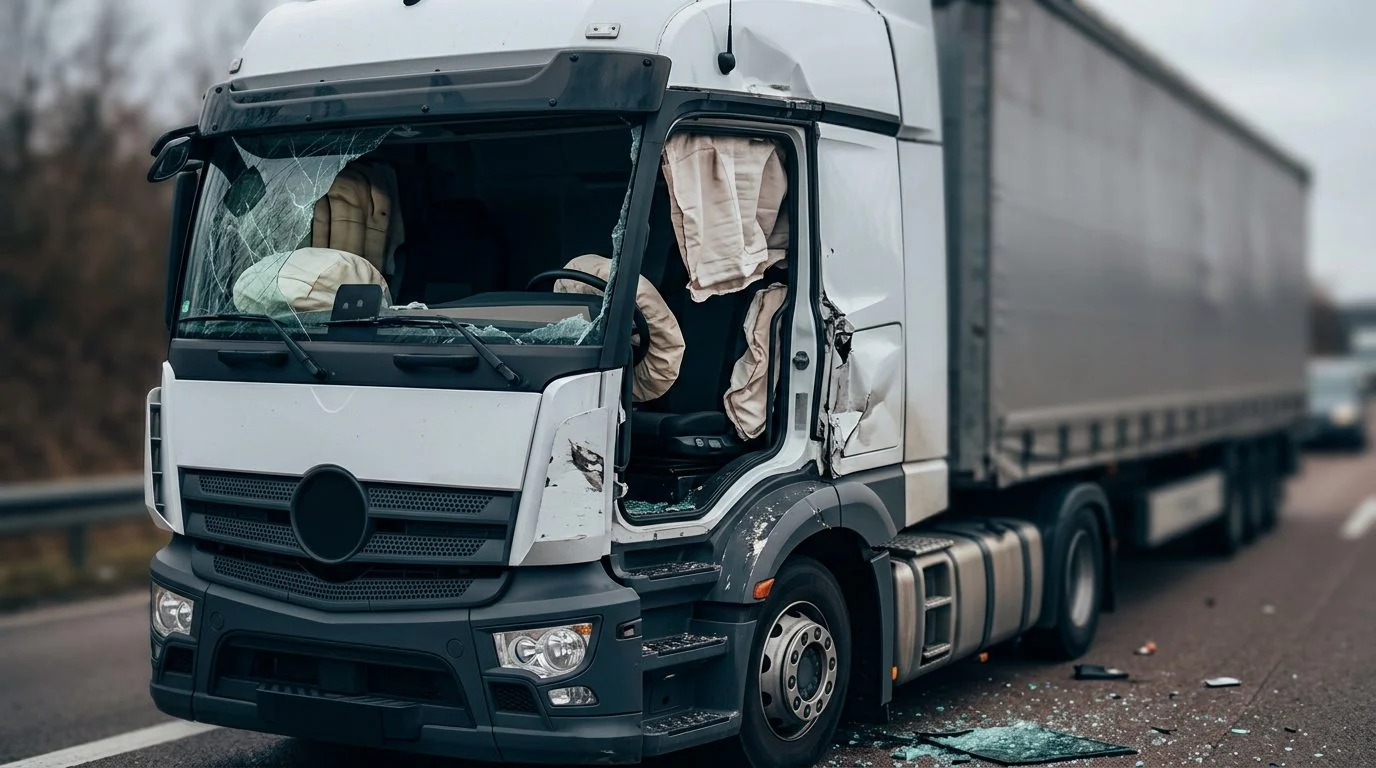
Truck Accident Injuries
Broken Bones & Ligament Damage from Truck Crashes
Truck accidents cause severe fractures and soft-tissue injuries. Big Bubba represents people across West Virginia who've been hurt.
Published October 01, 2026
Truck Accident Injuries: Broken Bones, Ligament Damage, and Serious Trauma
Truck accidents can cause broken bones and ligament injuries far more severe than typical car crashes because commercial trucks weigh many times more than passenger vehicles, creating much greater force at impact. When a truck collides with a car or when a truck itself crashes, the human body absorbs crushing forces that fracture multiple bones, tear ligaments, and cause tissue damage that can result in permanent disability or death.
If you’ve been injured in a truck accident in West Virginia, understanding what happened to your body and what comes next is the first step toward recovery and protecting your rights.
Not sure what your next step is?
Talk it through with our team — the first case review is free, confidential, and carries no obligation.
Why Truck Accidents Cause Severe Bone and Ligament Injuries
The sheer mass and force of a commercial truck make these collisions uniquely dangerous compared to car-on-car accidents. A fully loaded tractor-trailer can weigh 80,000 pounds or more, while a passenger vehicle weighs around 3,000 to 4,000 pounds. When that mass collides with a stationary object or another vehicle, the kinetic energy released is catastrophic.
The human skeleton is not designed to withstand such force. Bones break, ligaments tear, and internal organs can be crushed or lacerated. In many cases, a single truck accident fractures multiple bones simultaneously—a person may break their femur (thighbone), pelvis, and several ribs all at once. The sudden, violent deceleration and compression forces unique to truck crashes mean that injuries often occur in combinations, and the severity depends on impact speed, the angle of collision, which part of the vehicle was struck, and whether the person was wearing a seatbelt or restrained in any way.
Common Broken Bones in Truck Accidents
Certain bones break more frequently in truck accidents because of where and how the force is applied. Understanding which bones are most commonly fractured can help you recognize the severity of your own injury and what recovery may involve.
Femur (Thighbone) Fractures
The femur is the largest and strongest bone in the human body, yet it fractures in many truck accidents. A femur fracture is life-threatening because the break can sever the femoral artery, causing rapid internal bleeding. These fractures almost always require surgery to realign the bone and stabilize it with plates, screws, or an intramedullary rod. Recovery takes months to years, and patients typically spend weeks immobilized in a hospital or rehabilitation facility before beginning physical therapy. Even after healing, many people experience chronic pain or arthritis in the hip or knee.
Pelvic Fractures
The pelvis is a ring of bone that protects internal organs and supports the spine. Pelvic fractures from truck accidents often result from crushing forces and frequently involve internal bleeding. A person with a pelvic fracture may require intensive care, blood transfusions, and multiple surgeries. Complications include organ damage, infection, and long-term pain. Recovery is slow and rehabilitation is intensive.
Rib and Sternum Fractures
Ribs and the sternum (breastbone) fracture when the chest is compressed against the steering wheel, dashboard, or seat. These fractures are serious because broken ribs can puncture the lungs, causing a collapsed lung (pneumothorax), or damage the heart. Breathing becomes painful and complicated, and patients are at risk for pneumonia during recovery. Sternum fractures are particularly dangerous and may require surgical stabilization.
Leg Bones: Tibia, Fibula, and Ankle Fractures
The tibia (shinbone) and fibula (smaller bone in the lower leg) are frequently broken in side-impact and rollover truck accidents. Ankle fractures are also common. These injuries often require surgery and prolonged immobilization, followed by months of physical therapy. Many patients experience chronic instability, pain, or arthritis in the ankle or knee joint.
Arm and Wrist Fractures
When people sense an impending collision, they often raise their arms to brace for impact. This defensive reflex results in fractures of the radius and ulna (forearm bones), wrist bones, and hand bones. While these injuries may seem less serious than leg or spine fractures, they can severely limit a person’s ability to work, especially in jobs requiring manual dexterity.
Collarbone and Shoulder Fractures
Collarbone (clavicle) and shoulder blade (scapula) fractures limit arm mobility and complicate recovery. These injuries often require immobilization for weeks and physical therapy for months. Some shoulder fractures involve damage to the rotator cuff (the group of muscles and tendons that stabilize the shoulder), which can lead to long-term weakness or chronic pain.
Ligament Damage and Joint Injuries from Truck Crashes
Ligaments are tough bands of tissue that hold joints together and allow controlled movement. In a truck accident, sudden twisting, hyperextension, or compression can tear ligaments, causing pain, swelling, instability, and loss of function.
ACL (Anterior Cruciate Ligament) Tears
The ACL is one of the most important ligaments in the knee. ACL tears from truck accidents are common, especially in side-impact collisions. Many ACL tears require arthroscopic surgery (a minimally invasive procedure using a camera and small instruments) followed by months of intensive physical therapy. Even after surgery, some people experience long-term knee instability or chronic pain, and they may be at higher risk for arthritis later in life.
Rotator Cuff Injuries
The rotator cuff is a group of muscles and tendons in the shoulder. Violent forces from a truck crash can tear the rotator cuff, causing pain and weakness that makes arm movement difficult. Rotator cuff injuries may heal with physical therapy alone, but severe tears often require surgery. Recovery can take six months to a year or longer.
Ankle Ligament Sprains and Tears
Ankle ligaments stabilize the ankle joint. Truck accident injuries can cause ankle ligament sprains (partial tears) or complete tears. Severe ankle ligament injuries may require surgery and months of rehabilitation. Many people experience chronic ankle instability or pain after a ligament tear.
Ligament injuries often heal more slowly than bone fractures because ligaments have limited blood supply. Healing can take months or years, and some people never fully regain the joint’s original strength or stability.
Have questions about what happened?
Ask our team directly. The first conversation is free, confidential, and there is no obligation to continue.
What Are the Most Serious Bone Injuries from Truck Accidents?
Some truck accident fractures are classified as catastrophic injuries because they threaten life or result in permanent disability.
Femur Fractures and Blood Loss
As mentioned above, femur fractures are life-threatening. The break can sever the femoral artery, and a person can lose a life-threatening amount of blood within minutes. Emergency surgery is essential, and hospitalization typically lasts weeks.
Pelvic Fractures with Internal Bleeding
Pelvic fractures often involve damage to blood vessels inside the pelvis, leading to internal bleeding. A person may require ICU-level care, multiple blood transfusions, and several surgeries. Complications include organ failure, infection, and death.
Spinal Fractures and Paralysis
Fractures of the spine (vertebrae) can damage the spinal cord, causing partial or complete paralysis. Spinal fractures are among the most catastrophic injuries a person can suffer. They often require emergency surgery, long-term hospitalization, and lifelong care. Many people with spinal fractures experience permanent loss of sensation or movement below the level of the injury.
Multiple Fractures
When a person breaks several bones at once—for example, both legs, the pelvis, and ribs—recovery is prolonged and the risk of complications increases. Multiple fractures may require staged surgeries (multiple operations over weeks or months), extended hospitalization, and years of rehabilitation.
Open (Compound) Fractures
An open fracture occurs when the broken bone pierces through the skin. Open fractures carry a high risk of infection, including life-threatening infections like sepsis. Emergency surgery is required to clean the wound, realign the bone, and prevent infection. Many open fractures require multiple surgeries and skin grafts.
Crush Injuries: A Specific Truck Accident Threat
Crush injuries occur when a body part is compressed between the truck and another object, the ground, or another vehicle. Crush injuries are among the most severe and disabling consequences of truck accidents.
In a crush injury, the tissue damage extends far beyond the visible fracture. Muscle cells die (a process called rhabdomyolysis), releasing proteins and potassium into the bloodstream. This can cause acute kidney injury or kidney failure, which is life-threatening. Compartment syndrome—severe swelling within the muscle compartments of the limb—can cut off blood flow to the tissue. Without emergency surgical decompression (a procedure called fasciotomy), the tissue dies and amputation may be necessary.
Crush injuries often result in permanent disability, amputation, or death. Recovery involves multiple surgeries, skin grafts, wound care, and long-term rehabilitation. Many people who survive crush injuries experience chronic pain, loss of limb function, or psychological trauma.
Recovery, Treatment, and Long-Term Effects
Fracture treatment depends on the type and severity of the break. Simple fractures may heal with casting and immobilization alone. Complex fractures require surgery to realign the bone and stabilize it with plates, screws, rods, or external fixators (metal frames attached to the bone through the skin).
After surgery or immobilization, physical therapy is essential. A physical therapist helps you regain strength, flexibility, and function. Many people require months or years of therapy to return to their pre-injury level of activity.
Ligament injuries may also require arthroscopic surgery, followed by intensive physical therapy. Healing is slow, and many people experience chronic pain, reduced range of motion, or arthritis years after the injury.
Long-term effects of serious fractures and ligament injuries include chronic pain, arthritis, reduced mobility, and psychological effects like anxiety or depression. Some people are unable to return to their pre-injury job, especially if their work requires physical strength or mobility.
Medical Costs and Ongoing Care
The financial burden of a serious truck accident fracture is substantial. Emergency surgery, hospitalization, imaging (X-rays, CT scans, MRI), and anesthesia are immediate expenses. Physical therapy, occupational therapy, pain management, and follow-up doctor visits continue for months or years.
Assistive devices (crutches, wheelchairs, braces), home modifications (ramps, grab bars, accessible bathrooms), and adaptive equipment add to the cost. Lost wages during recovery can be enormous, especially for people in physically demanding jobs or self-employed individuals.
Understanding what expenses are covered by your health insurance, the at-fault driver’s liability insurance, and your own uninsured or underinsured motorist coverage is critical. Many people are unaware of all the resources available to them, and insurance companies often dispute claims or offer inadequate settlements.
Want to know where you stand?
Tell us what happened and our team will walk you through the options available to you, at no cost.
What to Do After a Truck Accident If You Suspect Broken Bones
Seek immediate medical attention. Some injuries are not obvious in the hours after a crash. Pain, swelling, and bruising develop over time, and some fractures are only visible on X-ray or CT scan.
Document the accident scene with photos of vehicle damage, the final resting positions of the vehicles, road conditions, and any visible injuries. Write down details you remember: the time of day, weather, speed, direction of impact, and what you were doing at the moment of collision.
Keep detailed records of all medical treatment, test results, therapy sessions, and medical bills. These records are essential if you pursue a claim for compensation.
Report the accident to the truck driver’s company and their insurance carrier. Do not discuss fault or sign any documents without understanding what you’re signing.
Understand your legal rights. In West Virginia, you may be entitled to compensation for medical bills, lost wages, pain and suffering, and other damages if the truck driver or their employer was negligent or reckless. An attorney can help you navigate insurance claims, understand your coverage options, and protect your rights.
Frequently Asked Questions
What is the most common bone broken in truck accidents?
The femur (thighbone) and pelvic bones are among the most commonly fractured bones in truck accidents due to the crushing forces involved.
How long does recovery take from a broken femur?
Recovery from a femur fracture typically takes 3 to 6 months for the bone to heal, but full recovery with return to normal activity may take a year or longer.
Can ligament injuries from a truck accident require surgery?
Yes, severe ligament tears, including ACL tears and rotator cuff injuries, often require arthroscopic or open surgery followed by months of physical therapy.
What is compartment syndrome and why is it dangerous?
Compartment syndrome is severe swelling within muscle compartments that cuts off blood flow. It’s dangerous because it can lead to tissue death and amputation if not treated surgically within hours.
What should I do immediately after a truck accident?
Seek medical attention, document the scene and your injuries, keep records of all medical treatment, report the accident to the insurance carrier, and consult with an attorney about your rights.
If you or someone you care for has broken bones or serious injuries from a truck crash in West Virginia, people in your situation can reach out to us to understand their options and next steps. Contact us for a case review and let our team help you understand what happened and what comes next.
Act quickly after a truck crash
Evidence—vehicle damage, road conditions, witness statements, and medical records—fades fast. The sooner you document your injuries and the accident scene, the stronger your case. Contact Big Bubba right away.
Common Fractures in Truck Accidents
Femur (Thighbone) Fractures
The crushing force of a truck collision often breaks the femur, the body's largest bone. These fractures cause severe pain, swelling, and can require surgery and months of recovery.
Pelvic Fractures
The pelvis absorbs tremendous impact in truck crashes. Fractures here are painful, limit mobility, and may involve internal injuries that need urgent medical attention.
Rib & Chest Fractures
Broken ribs from steering-wheel or dashboard impact make breathing painful and can injure lungs or organs. Healing takes weeks to months and requires careful monitoring.
Arm, Wrist & Hand Fractures
Drivers often raise their arms to brace for impact, resulting in broken forearms, wrists, and hands. These injuries affect your ability to work and perform daily tasks.
Ligament & Soft-Tissue Injuries
Whiplash & Neck Strain
The sudden jerking motion of a truck crash stretches neck ligaments and muscles. Whiplash causes pain, stiffness, and headaches that may persist for weeks or longer.
Knee & ACL Injuries
Knees strike dashboards or are twisted in the impact. Ligament tears—especially the ACL—require surgery and physical therapy, often affecting your mobility long-term.
Shoulder & Rotator Cuff Damage
The force of a crash can tear shoulder ligaments and rotator cuff muscles, limiting arm movement and causing chronic pain even after initial healing.
Spinal Ligament Injuries
Ligaments that support the spine can be stretched or torn in truck accidents. These injuries cause back pain and may increase the risk of long-term spinal problems.
How Big Bubba Helps
We focus exclusively on serious injury cases
Big Bubba represents people hurt in car and truck accidents across West Virginia. We understand the medical and legal complexities of fractures and ligament damage.
We gather evidence thoroughly
We collect accident reports, medical records, imaging studies, and expert opinions to build a complete picture of your injuries and the crash.
We explain your options clearly
We walk you through what happened, what your injuries mean, and what steps come next—in plain language, without legal jargon.
We fight for fair compensation
We pursue recovery for your medical bills, lost wages, pain, and other losses. No attorney fee unless we win; clients remain responsible for case costs.