
Truck Accident Lawsuits
How Long Does a Truck Accident Lawsuit Take in West Virginia?
The timing of a truck accident case depends on the facts of each case. Learn what to expect at each stage of your case.
Published October 08, 2026
How Long Does a Truck Accident Lawsuit Take in West Virginia?
Truck accident lawsuits in West Virginia typically take months to years, depending on injury severity, liability clarity, and whether your case settles or goes to trial. No two cases move at the same pace—this page walks you through each phase so you know what to expect.

Not sure what your next step is?
Talk it through with our team — the first case review is free, confidential, and carries no obligation.
The Short Answer: It Depends on Your Situation
The timeline for a truck accident lawsuit varies widely. Some cases may resolve within a matter of months, while others may take considerably longer, depending on the facts of each case. What matters most is that there is generally a legal deadline for filing a lawsuit, and missing it may affect your ability to sue, although exceptions may apply depending on the facts of your case.
Phase 1: The First Steps After Your Truck Accident
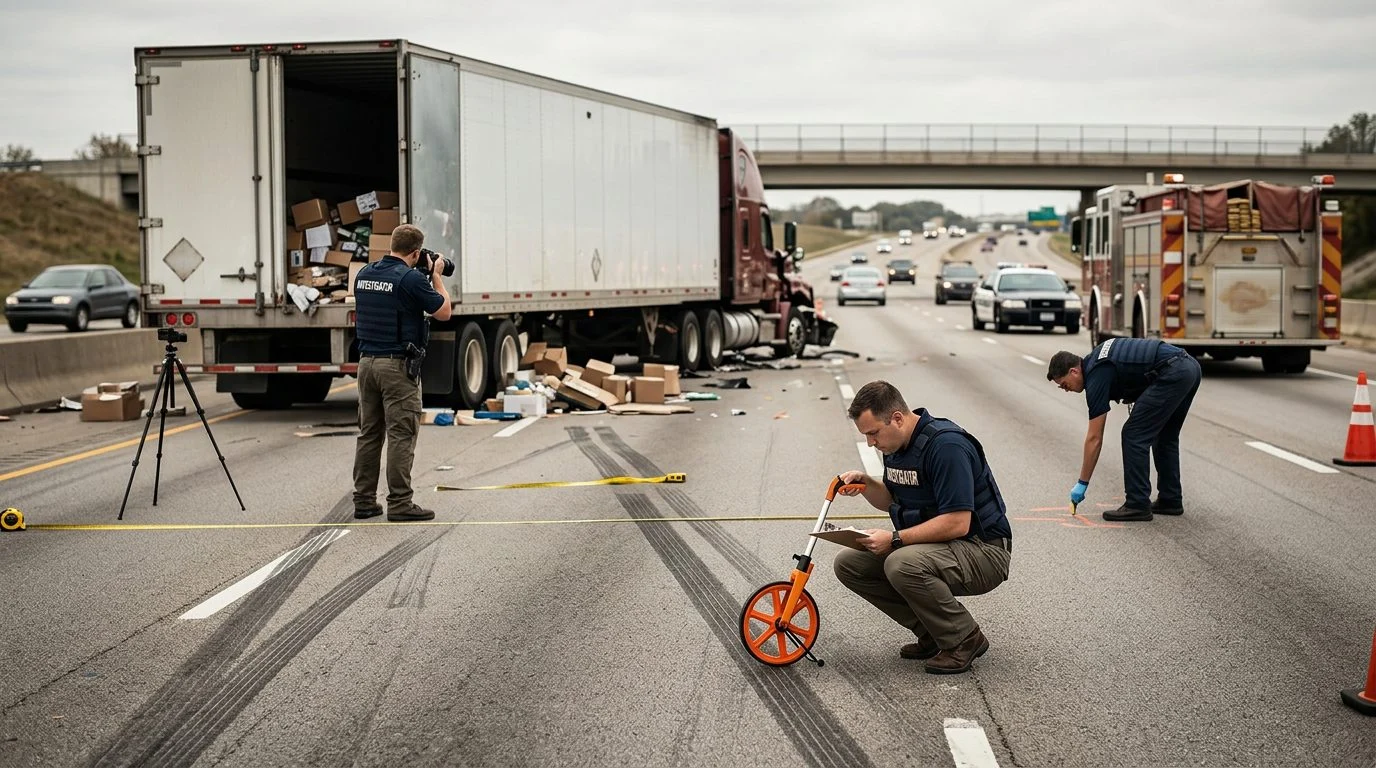
Medical treatment and documentation of your injuries begin immediately. Your health comes first, and detailed medical records become the foundation of your claim. At the same time, evidence is being gathered: the police report, photos of the scene and vehicle damage, witness statements, and contact information. Your legal team will begin investigating to identify all liable parties—the truck driver, the trucking company, a maintenance contractor, or others.
How long this initial phase takes depends on the facts of each case. The sooner you contact an attorney, the sooner this investigation can begin. Early investigation can be important because evidence, such as photos, records, and other materials, may be lost if it is not preserved promptly.
Phase 2: Demand Letter and Initial Negotiations (Timing Varies by Case)
Your attorney prepares a demand letter that outlines your injuries, medical treatment, lost wages, and other damages, along with the legal basis for the claim. This demand is sent to the at-fault party’s insurance company or attorney. The insurance company reviews it and may respond with a counteroffer, request more information, or begin negotiations.
How long this phase lasts depends on the facts of each case, including how long it takes to gather and exchange documentation with the insurance company. Some cases settle during this phase; others move forward to the next stage.
Phase 3: The Critical Filing Deadline—West Virginia’s Statute of Limitations
Here’s what to keep in mind: West Virginia law generally gives you two years from the date your right to bring the claim accrues to file a personal injury lawsuit, though exceptions may apply depending on the facts. This deadline is generally treated as firm, and missing it may affect your ability to sue, although exceptions may apply depending on the facts. For wrongful death cases, the two-year clock generally runs from the date of death, though exceptions may apply depending on the facts.
If settlement negotiations are stalling, your attorney generally needs to file suit before this deadline to preserve your claim, though exceptions may apply depending on the facts. This is why timing matters: negotiations generally cannot continue indefinitely. A filing deadline is one of the things that can force a decision about moving forward.
Phase 4: Filing the Lawsuit (If Settlement Talks Stall)
If no settlement is reached before the deadline, your attorney files a complaint in the appropriate West Virginia court. The defendant is served with the lawsuit. The defendant then has a set period of time to respond.
Filing the lawsuit does not speed up resolution; it often extends the timeline because it triggers formal discovery—the process where both sides exchange documents and evidence.
Have questions about what happened?
Ask our team directly. The first conversation is free, confidential, and there is no obligation to continue.
Phase 5: Discovery—The Longest Phase (Months to Over a Year)
Discovery is typically the longest phase of a truck accident case. Both sides exchange documents: medical records, accident reports, insurance policies, and other evidence. Depositions occur—witnesses and parties answer questions under oath, recorded by a court reporter. Written questions (interrogatories) and requests for documents are exchanged.
In truck accident cases, discovery often includes trucking company records, driver logs, maintenance records, and safety violations. Expert witnesses may be retained to evaluate injuries, liability, or damages. How long this phase lasts depends on the facts of each case, including its complexity and how many parties are involved. Cases with multiple defendants (truck driver, trucking company, maintenance contractor) may take longer than cases involving fewer parties, depending on the facts of each case.
Phase 6: Mediation or Settlement Negotiations (Weeks to Months)
Many cases settle during or after discovery, before trial. Mediation—where a neutral third party helps both sides negotiate—is common in West Virginia. Settlement discussions may happen multiple times throughout the case. If both sides reach agreement, the case may be resolved by a settlement. The timing of any payment depends on the terms of the settlement agreement and the facts of each case.
If no settlement is reached, the case proceeds to trial.
Phase 7: Trial Preparation and Trial (Weeks to Months)
If the case does not settle, it goes to trial before a judge or jury. Pre-trial motions and final preparations take weeks to months. The trial itself may last days to weeks, depending on complexity. After trial, the judge or jury issues a verdict. Either side may appeal, which adds months or years to the process.
What Affects How Long Your Case Takes
Several factors influence your timeline:
Severity of injury. Catastrophic injuries may generally require more medical evidence, which can affect the timeline depending on the facts of each case. A traumatic brain injury or spinal cord injury case may take longer than a minor fracture case, depending on the facts of each case.
Clarity of liability. Cases where fault is clear may generally settle more quickly than cases with disputed liability, though this depends on the facts of each case. If the evidence clearly showed that the truck driver ran a red light, the case may be able to settle more quickly, depending on the facts of each case. If liability is contested, discovery and negotiation may take longer, depending on the facts of each case.
Number of defendants. Cases involving multiple parties may take longer than cases with one defendant, depending on the facts of each case.
Insurance company cooperation. How promptly an insurance company responds, and whether it requests additional documentation, can vary depending on the facts of each case.
Court docket. West Virginia court schedules vary by county; some courts move cases faster than others.
Whether the case goes to trial. Settlement cases are faster; trials add months or years.
Want to know where you stand?
Tell us what happened and our team will walk you through the options available to you, at no cost.
Common Mistakes That Can Delay Your Case
Waiting too long to contact an attorney. Generally, the two-year statute of limitations can pass quickly (W. Va. Code § 55-2-12), and exceptions may apply depending on the facts. Early investigation is crucial.
Giving statements to the other side’s insurance company without legal counsel. Depending on the facts, this may affect your claim.
Failing to follow medical treatment. Gaps in treatment may be used to argue that your injuries are not serious, depending on the facts.
Posting about your accident or injuries on social media. Posts may be seen by others and could become part of your case, depending on the facts.
Settling too quickly. Accepting an early offer before the full extent of your injuries and damages is known is generally a decision worth discussing with an attorney first, since the facts of each case differ.
Why Timing Matters for Truck Accident Victims
Legal deadlines can limit how long you have to bring a claim, so it helps to understand how they may apply to your situation (W. Va. Code § 55-2-12). Early investigation can help preserve evidence, since records and other evidence may be lost or changed if they are not preserved quickly, depending on the facts. Prompt medical documentation may be relevant to your claim and can help document the scope of your injuries, depending on the facts of your case. Understanding the timeline helps you plan for recovery and financial needs while your case moves forward.
If you’ve been seriously injured in a truck accident, the two-year deadline to file generally applies, though exceptions may apply depending on the facts, and understanding what happens next can help you protect your claim (W. Va. Code § 55-2-12).
Related practice areas
- Truck Accident Claims in West Virginia | Big Bubba Legal