
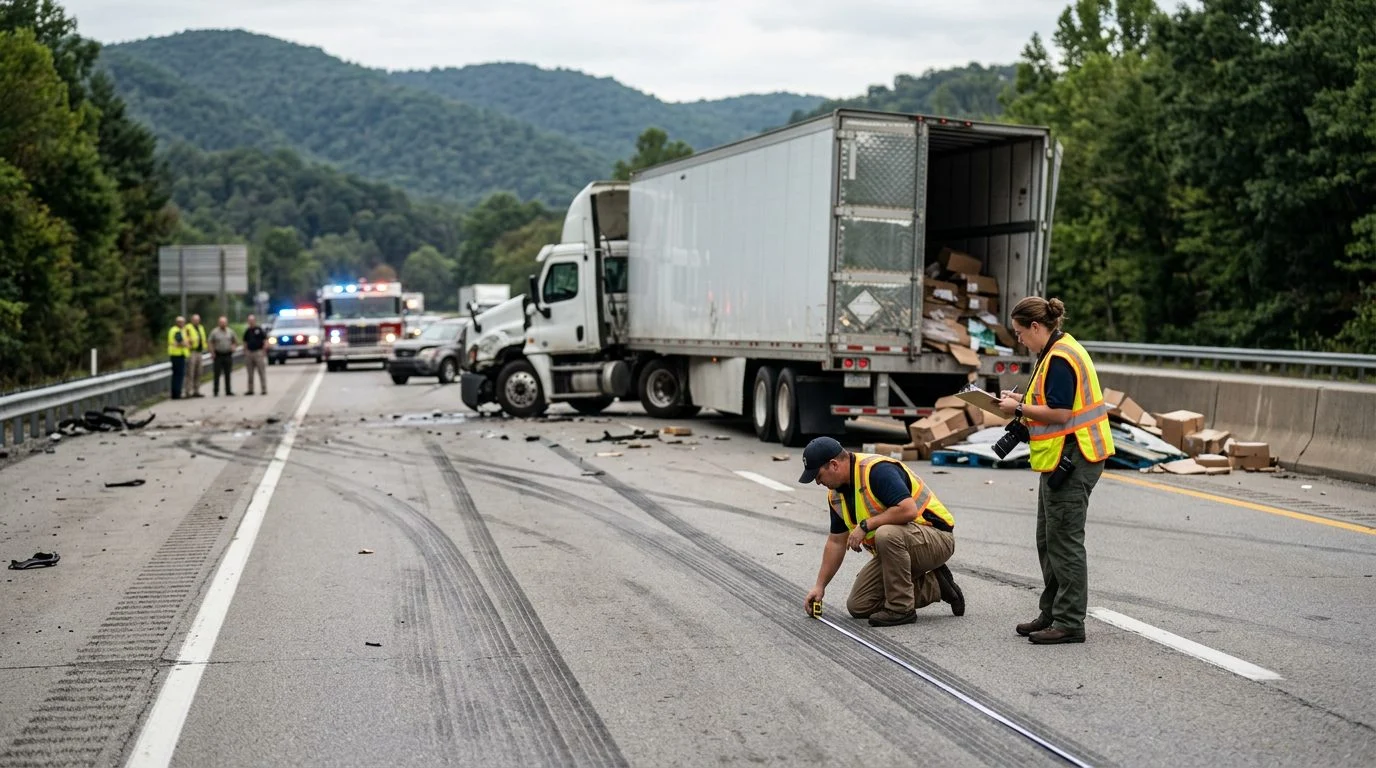
Truck Accident Claims · West Virginia
Facing a Hospital Lien After a Truck Crash? Start With the Facts
Big Bubba Injury Law represents people seriously hurt in car and commercial truck crashes, along with families in wrongful death cases, across West Virginia. Here is what to know about medical bills and liens.
Published October 28, 2026
Looking for clear answers on a truck accident hospital lien West Virginia families face? A hospital lien is a claim a provider can place against money you may recover from a crash. This page explains how those liens fit into an injury claim, which bills often sit behind them, and what usually comes next. Big Bubba Injury Law represents people seriously hurt in car and commercial truck crashes across West Virginia.
What a Hospital Lien Is and Who It Affects After a Truck Crash
A hospital lien is a claim against your recovery, and the underlying medical bill may still be owed by you. Whether a lien applies depends on the facts and on how it was filed. That is why each notice deserves a careful look.
Commercial truck crashes often lead to expensive care. Trucks are heavy, and a crash can mean emergency transport, trauma surgery and long hospital stays. The bills can grow fast, and many arrive before anyone has evaluated the claim.
The injured person is usually the first one affected. In a wrongful death case, the family is affected too. West Virginia law says a wrongful death action is brought by the personal representative of the person who died (W. Va. Code § 55-7-6).
If hospital bills or a lien notice arrived after your truck crash, you don't have to sort it out alone. Request a free case review and the firm will look at the facts with you. Talk it through with Big Bubba — the first case review is free, confidential, and carries no obligation.

Medical Bills and Liens That Can Arise From a Truck Accident Injury
Many providers can send bills after a truck crash. Each one may seek payment from your recovery. Common bills include:
- Ambulance and air transport
- Emergency room care and imaging
- Surgery and hospital stays
- Rehabilitation, prescriptions and medical equipment
Brain and spinal cord injuries often need care long after the first hospital stay. This can include therapy, doctor visits and monitoring over months or years. Future care is hard to price early. That is why the full picture of bills is often unclear in the first weeks after a crash.
Health insurance adds another layer. If your health plan paid for treatment, it may seek repayment from your recovery. This is often called subrogation or reimbursement. Government health programs and some providers may also have claims.
West Virginia law also limits what a jury can award for past medical bills. A verdict for past medical expenses is limited to amounts paid by or on behalf of the plaintiff and amounts incurred but not paid for which the plaintiff or another person on behalf of the plaintiff is obligated to pay. It also includes amounts still owed by you or someone on your behalf (W. Va. Code § 55-7b-9d). In plain terms, the billed amount is not the only number that matters.
How the Firm Handles Medical Bills and Liens in a Truck Claim
The firm reviews bills and lien notices as part of evaluating your claim. The work usually includes:
- Gathering itemized bills, lien notices, insurance explanation of benefits forms and treatment records.
- Identifying which liens and reimbursement claims have been asserted, and confirming their amounts.
- Communicating with providers and insurers so you understand what is owed and to whom.
- Accounting for medical bills and lost income when evaluating the full claim.
- Reviewing trucking records, such as driver logs and electronic logging device data.
Federal rules require drivers to record their duty status and keep those records current. Records like these can matter to who is responsible, so it helps to request them early.
What to Expect: A Step-by-Step Timeline
A truck claim usually starts with a free case review and moves through a few clear steps. Here is what that looks like.
- Free case review. You describe what happened. The firm reviews the crash facts, your bills and any liens already asserted.
- Evidence gathering. Crash reports, photos, witness names and trucking company records are collected early.
- Treatment and lien tracking. You keep up with medical care while the firm tracks each bill and lien.
- Insurance contact. The firm handles communication with the trucking company’s insurer, including guidance on recorded statements.
- Claim evaluation. The firm reviews the facts and discusses next steps, including whether a demand or a lawsuit makes sense.
Timing matters. For 20 days after an injury, no one may negotiate a settlement or obtain a statement from you if you are in the hospital or unable to work. That request does not authorize settlement negotiations or a release (W. Va. Code § 55-7-11a). Under W. Va. Code § 55-7-11a, a settlement, release of liability, or statement entered into, obtained, or made in violation of that section may be disavowed by the injured person at any time within one hundred eighty days from the date of the personal injury by executing a written statement of disavowal and forwarding a copy of the same to the person violating this section; the settlement, release, or statement is inadmissible in evidence only if any consideration paid is repaid or returned to the person who paid it at the time the copy is forwarded. The general limit for personal injury claims is two years (W. Va. Code § 55-2-12).
Why Early Attention Matters in Commercial Truck Claims
Early attention matters because records, statements and lien notices can change quickly. Trucking companies and their insurers may start gathering their own records soon after a crash.
Truck crashes can involve more than one party. These can include the driver, the motor carrier, or another company tied to the truck.
Fault is also weighed. Under West Virginia’s modified comparative fault rule (shared fault), your recovery is not barred unless your fault is greater than the combined fault of all others. If it is less, your recovery is reduced by your share (W. Va. Code § 55-7-13c).
Under W. Va. Code § 55-7-32, for actions involving a commercial motor vehicle that requires a commercial driver’s license, noneconomic damages such as pain and suffering against an employer defendant are capped at $5 million per occurrence, but only for causes of action arising after July 1, 2024. The cap does not apply if the employer lacks at least $3 million in commercial vehicle insurance. Several other listed situations also remove the cap (W. Va. Code § 55-7-32).
Keep a simple record. Write down dates of treatment, names of people you spoke with and the amounts on each bill.
Frequently Asked Questions About Truck Accident Medical Bills and Hospital Liens
Short answers to common questions about liens, bills and deadlines follow.
Can a hospital place a lien on a truck accident settlement in West Virginia?
Whether a specific lien applies depends on the facts and how it was filed.
Do I have to pay my medical bills while my claim is pending?
Review every bill and notice promptly, and keep copies. The firm can help sort out which claims have been asserted and what each one covers.
What if my health insurance paid for my treatment?
Your health insurer may seek reimbursement, often called subrogation. West Virginia law sets rules for how these amounts affect a verdict (W. Va. Code § 55-7b-9a).
Can lost wages be part of a truck accident claim?
Lost income from time away from work is commonly reviewed alongside medical bills. The firm looks at wage and employment records when evaluating a claim.
Does the firm handle wrongful death claims involving medical bills?
Yes, the firm handles wrongful death cases. In those cases, the jury must state funeral, hospital and medical expenses separately.
What should I do with a lien notice I just received?
Keep the notice with every related bill, letter and insurance statement. Write down dates of treatment and any calls from providers or insurers.
Not sure what your next step is?
Talk it through with Big Bubba — the first case review is free, confidential, and carries no obligation.
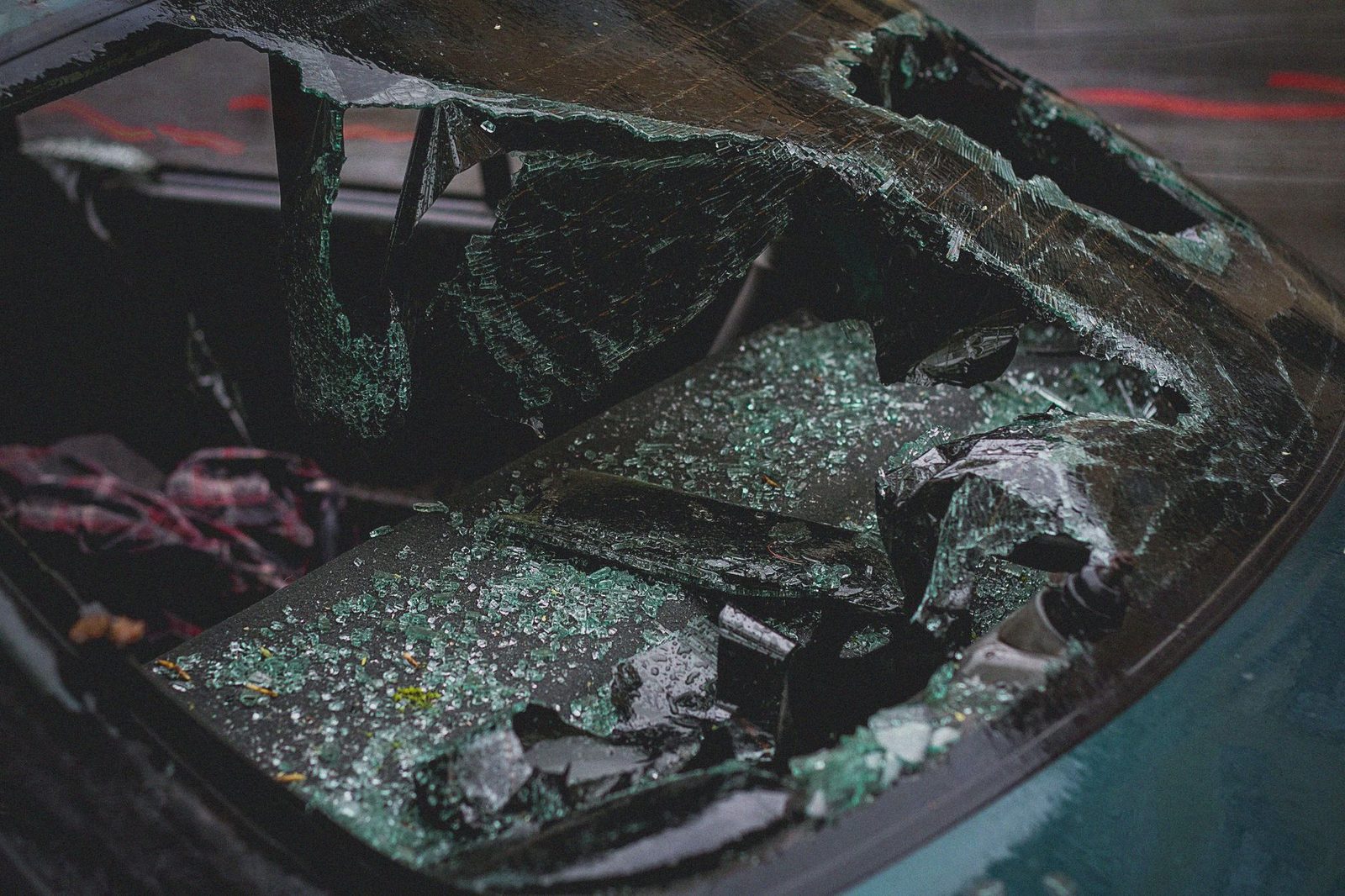
Talk With the Firm About Your Medical Bills and Lien Notices
If a truck crash left you with hospital bills and a lien notice you don’t understand, a free case review is a clear next step. In that review, the firm looks at the crash facts, your bills and any liens already asserted. You may still be deciding whether to act, and that is a normal place to be.
We serve injury victims across all 55 West Virginia counties, including Charleston, Huntington, Morgantown, Wheeling, Martinsburg, Parkersburg, Beckley, Clarksburg, Fairmont and Weirton.
To get started, use the contact page to request your free case review. Bring the lien notices and bills you have, and the firm will walk you through what happens next.
Related practice areas
- Truck Accident Claims in West Virginia | Big Bubba Legal
- Rideshare Accident Lawyer West Virginia | Big Bubba