

Truck Accidents | West Virginia
Truck Accident Timeline: What to Do in the First 30 Days
A plain-language guide to the steps that matter after a serious truck crash in West Virginia, from the scene to the weeks that follow.
Published November 6, 2026
In West Virginia, the first 30 days after a truck crash are about protecting your health, your evidence, and your time to act. This truck accident timeline first 30 days West Virginia guide walks through each step in order. Some steps have fixed dates, and others depend on the facts of your crash.
Day Zero: The Scene and the First Hours
At the scene, check for injuries and call 911 so medical help and police are sent. Your health comes first, and the other steps can wait until someone has been checked.
If you can, photograph the vehicles, the truck’s company name, its DOT number, trailer markings, skid marks, weather, and traffic signals. Write down the truck driver’s name, the carrier’s name, unit or trailer numbers, and contact details for any witnesses. Your phone can hold most of this.
Avoid giving a recorded statement or signing papers at the scene, except for medical staff or police. Injuries and facts often become clearer later, and a quick statement can leave out important details.
Testing rules can start the same day. Federal post-accident testing rules may require a motor carrier to test surviving drivers as soon as practicable. Whether a test is required can depend on the crash, such as whether someone needed immediate medical treatment or a driver received a citation.
For an overview of the claim process, see truck accident claims in West Virginia.
If a truck crash left you with medical bills, missed work, and insurer calls to return, you may have a claim worth reviewing, so reach out for a free case review. Talk it through with Big Bubba — the first case review is free, confidential, and carries no obligation.
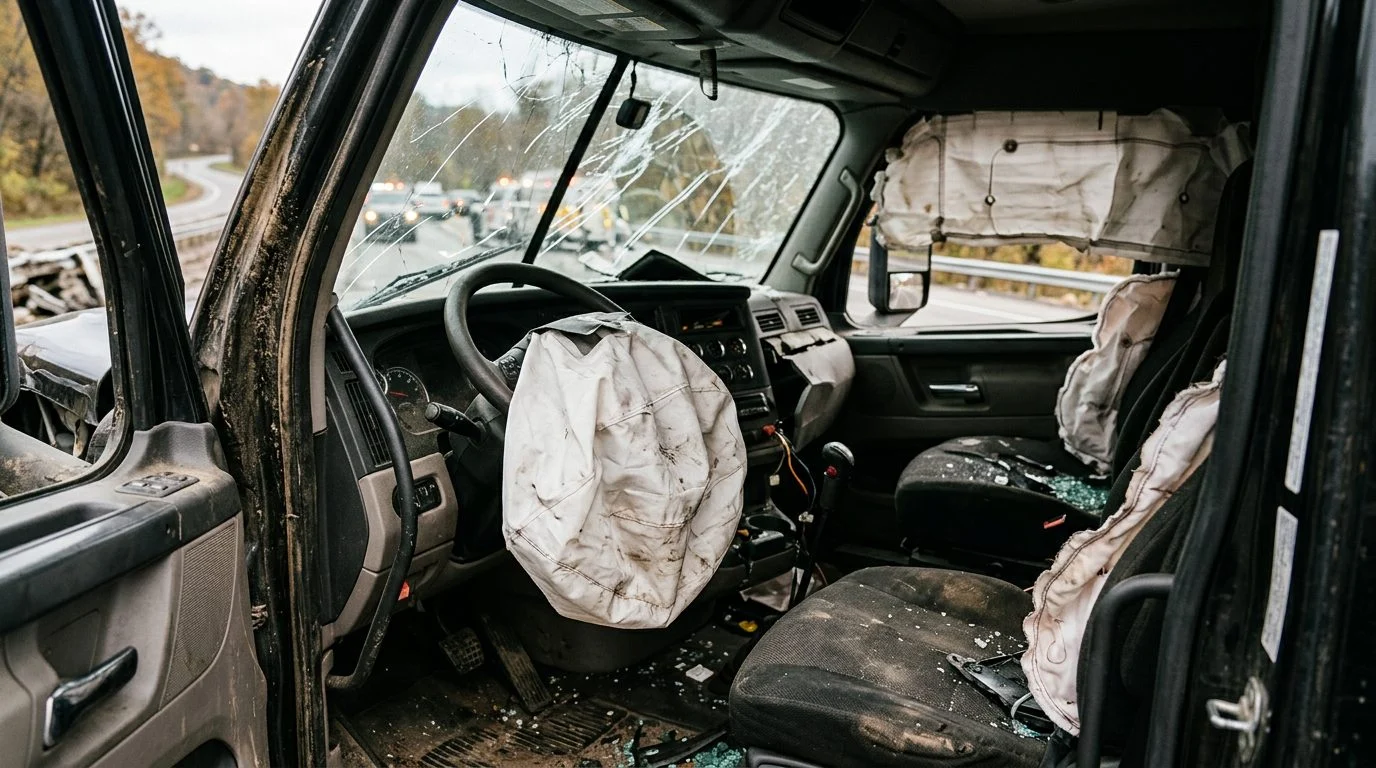
Days 1 to 3: Medical Care and the Injury Record
See a doctor promptly, even if you feel shaken more than hurt. A prompt visit creates a record that links your symptoms to the crash.
Some symptoms appear later. Tell your doctor about every new headache, memory lapse, numbness, dizziness, or change in sleep. Brain and spinal injuries can be hard to spot in the first days, so keep reporting changes.
Keep one folder for everything. Put in discharge papers, imaging reports, prescription receipts, and appointment notes. Start a simple daily journal that records pain, sleep, concentration, and tasks you can no longer do.
If a child was hurt, add school and activity records to the folder. Recovery times differ from person to person and may depend on the facts of each injury. Treat any recovery estimate you hear as uncertain until your own doctors confirm it.
Days 1 to 7: The Police Crash Report
Police usually complete a crash report, and the agency that responded usually holds it. Ask the agency how to request a copy and when it will be ready. Processing time can depend on the agency and how complex the crash was.
Read the report line by line when you receive it. Check names, insurance details, vehicle descriptions, and the narrative. If something is wrong, ask the agency how to request a correction.
Officer conclusions and citations matter, but they are not the final word on fault. A report is one source of information. Truck records, photos, and witness accounts may also help explain what happened. For a step-by-step reading guide, see crash report walkthrough for West Virginia.
Days 3 to 10: Early Contact From Insurers
Insurer calls often start within the first few days. You may hear from the truck company’s insurer, the other driver’s insurer, and your own insurer.
Some insurers may dispute a claim or ask for an early recorded statement. Pausing to gather facts before you agree to anything is reasonable. Write down the name, company, date, and time of every call, and keep copies of any letters.
Review your own auto policy’s declarations page. It may list medical payments coverage. Don’t sign medical authorizations or releases until you understand how far they reach.
Days 1 to 14: Requests to Preserve Trucking Evidence
Trucking companies keep records that ordinary drivers do not. These can include driver logs or electronic logging device data, dispatch messages, maintenance and inspection files, driver qualification files, and drug and alcohol testing records.
Federal rules set minimum retention periods.
Drug and alcohol testing records follow their own schedule. Federal testing record rules say verified positive controlled substances results must be kept for at least five years, and negative results for at least one year.
Because some records have short windows, early requests matter. A preservation letter asks the carrier and its insurer to keep relevant records and the truck intact. Whether one is sent, and when, depends on the facts of your crash.
Ask early where the truck is being held. The vehicle’s computer data may be overwritten or repaired once the truck returns to service. Photograph the truck’s damage and any load information as soon as it is safe to do so.
Days 7 to 30: Documenting Losses and Follow-Up Care
Start a running list of what the crash has taken from you. Track missed work, reduced hours, and pay stubs or employer letters that show lost income.
Keep receipts for medical bills, mileage to appointments, help around the house, and damaged personal items. Good records make it easier to explain your losses later.
Write down how the injury changes daily life. Note tasks you can’t do, time with family you’ve lost, and changes in driving, sleep, or independence. These effects are easy to forget a month later.
Report new symptoms to your doctor, even if they seem minor. Early changes can matter to your medical record.
If a family member died, keep the death certificate, funeral receipts, and papers that show the person’s role in the household.
Not sure what your next step is?
Talk it through with Big Bubba — the first case review is free, confidential, and carries no obligation.
Deadlines That Run During the First 30 Days
West Virginia generally allows two years to file most personal injury lawsuits, and exceptions may apply. W. Va. Code § 55-2-12 sets this two-year period for personal injury actions. The first month is a time to organize, not a time to wait.
Wrongful death cases follow a separate path. W. Va. Code § 55-7-6 says the action must be brought by the personal representative of the deceased person’s estate. It also generally must be commenced within two years after the death.
Claims involving a government vehicle may follow different rules, and some of those rules may be shorter. Note any public vehicle involved in the crash early.
Make one calendar. Include the crash date, the date you requested the crash report, medical appointments, and any insurer follow-up dates. A visible calendar keeps the timeline on track.

Where the Timeline Stands at Day 30
By day 30, many people have medical records in progress, a crash report requested or in hand, and a log of insurer calls. Open questions often include whether the trucking company has responded, whether the truck’s data is secured, and whether treatment will take a longer course.
If you are holding a stack of hospital and therapy bills, an insurer letter you haven’t answered, and a crash report you haven’t read in full, you may have a claim worth reviewing. The firm handles truck accident and wrongful death claims in West Virginia. Request a free case review and bring the folder and call log you started.
What should I do first after a truck accident in West Virginia?
Check for injuries and call 911 so medical help and police are sent. Then see a doctor and write down what you remember while it’s fresh.
How long do I have to file a lawsuit after a truck crash?
West Virginia generally allows two years to file most personal injury lawsuits, and exceptions may apply (W. Va. Code § 55-2-12). Wrongful death claims generally must be commenced within two years after the death (W. Va. Code § 55-7-6).
Can an insurer ask me for a statement after a crash?
How long do trucking companies keep their records?
Federal rules set minimum retention periods, and some records may be destroyed after those periods end. A preservation letter asks the company to keep relevant records in place.