
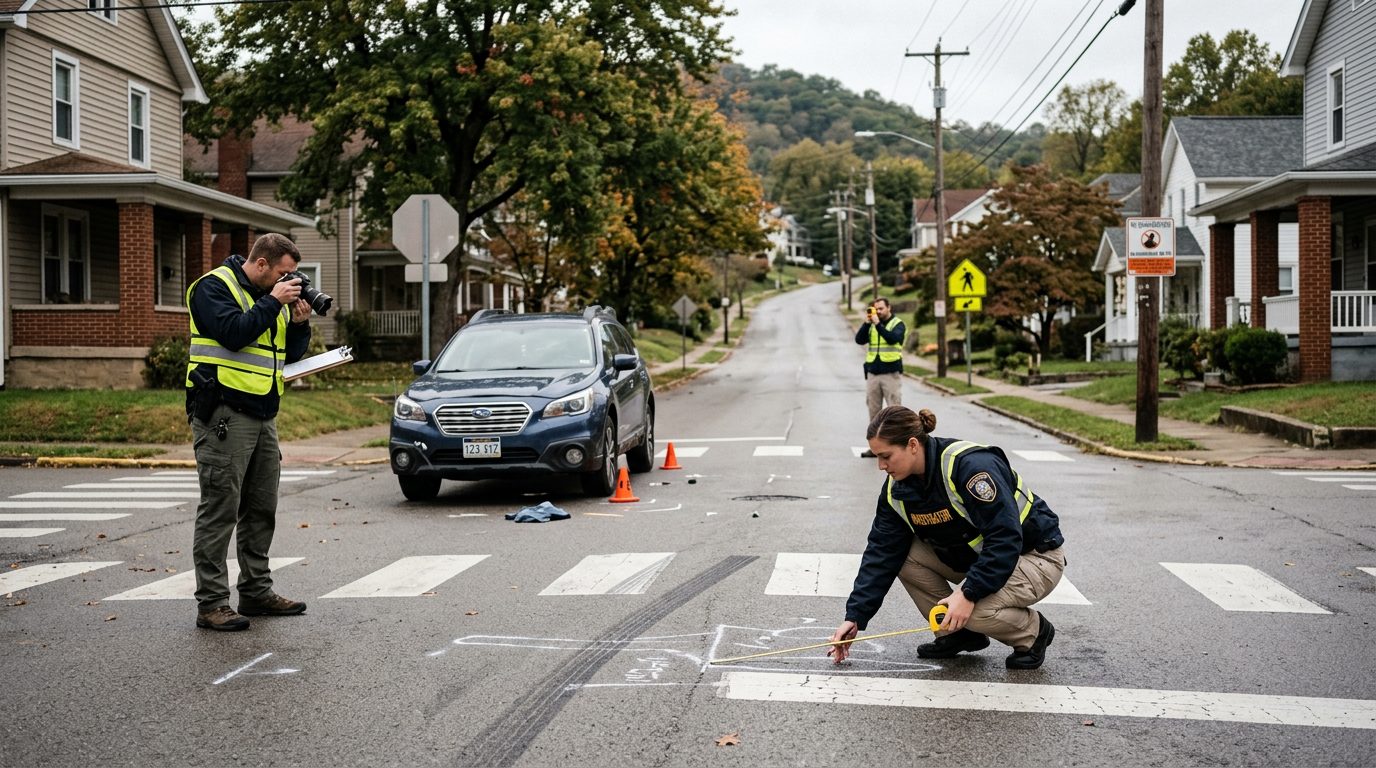
West Virginia Personal Injury Law
Personal Injury Law Explained, for West Virginia Families
Plain answers about what the letters PI mean, how the law can apply after a serious crash, and how to take the next step.
Published November 15, 2026
If you’ve asked what PI law means, you’re in the right place. You may have seen the letters “PI” in an ad, a news story, or a message from a family member after a crash.
In law, PI usually stands for personal injury. Personal injury law lets a person harmed by someone else’s carelessness seek compensation for that harm.
What does PI stand for in law?
PI stands for personal injury. Personal injury law covers harm a person suffers because another party acted carelessly. Questions about whether someone acted carelessly are often central to these claims.
Outside the courtroom, “PI” can mean other things. A private investigator is one example. This page covers personal injury law only.
Personal injury law does not deal only with visible wounds. A person may have broken bones, a head injury, or pain that lasts long after the first emergency visit. Some claims also address emotional harm, and that can be part of the picture.
If a crash or serious injury has changed your life or your family's, you don't have to sort out your options alone, and the firm is ready to talk when you are. Talk it through with Big Bubba — the first case review is free, confidential, and carries no obligation.
What kinds of cases does personal injury law cover?
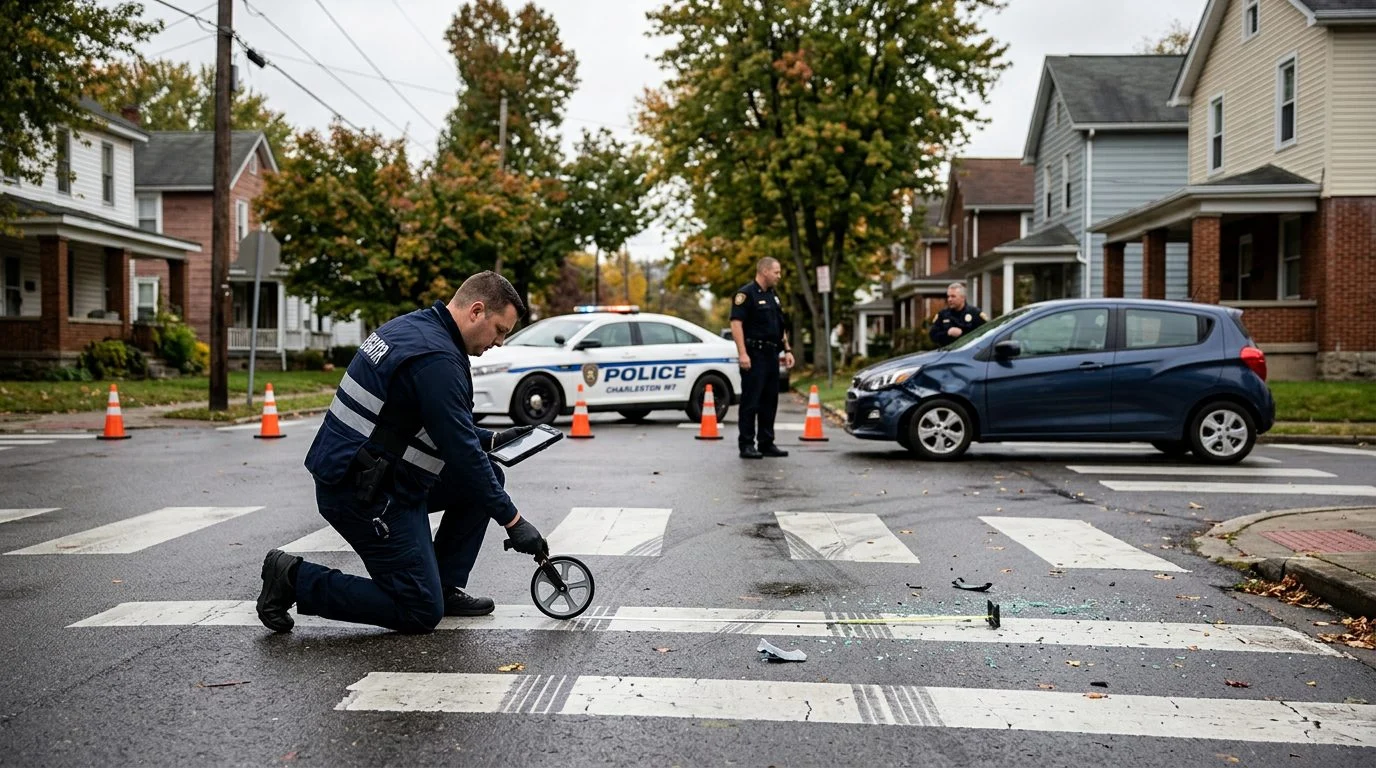
Personal injury law covers many kinds of harm. The firm handles car accidents, truck accidents, and commercial vehicle accidents. It also handles catastrophic injuries, traumatic brain injury, spinal cord injury, and wrongful death.
A catastrophic injury is one with long-lasting or life-changing effects. Medical outcomes differ from person to person. A medical provider is the right source for questions about how a specific injury will progress.
Brain injuries are a common concern after crashes. The Veterans Affairs health library lists motor vehicle accidents among common causes of traumatic brain injury. It also covers symptoms, severity levels, and typical recovery time.
Spinal cord injuries can follow trauma, including car accidents. The Christopher & Dana Reeve Foundation notes that there is currently no proven definitive cure. That makes the long-term picture an important part of any claim.
Wrongful death is different. It applies when a person dies because of another party’s wrongful act. Families facing a wrongful death often have questions about their options, and you can contact the firm to talk through your situation.
What is a personal injury claim?
A personal injury claim is a request for payment for harm that someone else’s carelessness caused. Many claims start with the insurance companies involved. If those talks don’t resolve the matter, the claim may become a lawsuit.
The central question is who was responsible. If another driver was at fault, the injured person may have a claim against that driver. Fault is often disputed, so the facts matter a great deal.
West Virginia uses a modified comparative fault rule. Under W. Va. Code § 55-7-13c, an injured person’s own fault does not bar recovery unless it is greater than the combined fault of everyone else responsible. If it is less, the recovery is reduced in proportion to that person’s share of fault.
A claim may address losses such as medical care, lost income, and other damages. In a wrongful death case, the statute lists categories such as sorrow and mental anguish, lost income and services, care and hospital expenses, and funeral expenses. See W. Va. Code § 55-7-6 for the full list.
How do insurance companies fit into a personal injury claim?
Insurance companies usually evaluate and respond to a personal injury claim. Some insurers may dispute fault, question the injuries, or ask for a recorded statement. Reading any document before you sign it is important.
Timing matters. W. Va. Code § 55-7-11a restricts certain settlement talks, releases, and statements during the first twenty days after an injury. The restriction applies when the injured person is an inpatient or is partially or totally unable to engage in his or her usual trade, profession or occupation. An injured person may disavow a settlement, release of liability or statement made in violation of that rule within one hundred eighty days from the date of the personal injury, by executing a written statement of disavowal and forwarding a copy to the person who violated the rule; the settlement, release or statement then may not be admissible in evidence if any consideration paid is repaid or returned to the person who paid it at the time the copy is forwarded.
Your own auto policy may matter too. W. Va. Code § 33-6-31 addresses uninsured and underinsured motorist coverage. That coverage may apply when the at-fault driver has too little insurance.
Keep your own records. Save medical visit notes, bills, letters, emails, and notes about phone calls. These records may be relevant to a claim.
What does a personal injury lawyer do?
A personal injury lawyer represents injured people or families in claims against those responsible for the harm and their insurers. The work usually starts with the facts of what happened.
Common tasks include reviewing the facts, gathering medical and accident records, and communicating with insurers. If a claim cannot be resolved another way, a lawyer may file a lawsuit.
The firm handles car accident, truck accident, commercial vehicle, and wrongful death claims for people across West Virginia. Commercial truck cases can involve more than one company. In a 2026 decision, the U.S. Supreme Court held that a state-law claim against a broker for negligently hiring an unsafe motor carrier falls within a federal safety exception.
Why do time limits matter in personal injury law?
West Virginia generally allows two years to file a personal injury claim, and exceptions may apply. The filing deadline is set by W. Va. Code § 55-2-12.
A wrongful death action generally must be brought within two years after the person’s death. W. Va. Code § 55-7-6 reads: “The provisions of this section shall not apply to actions brought for the death of any person occurring prior to July 1, 1988.” That action is brought by the personal representative of the deceased person’s estate. See W. Va. Code § 55-7-6.
If a deadline passes, a claim may no longer be pursued in court. That is why timing deserves attention early. The firm can review which deadline may apply to your situation.
Not sure what your next step is?
Talk it through with Big Bubba — the first case review is free, confidential, and carries no obligation.
Understanding your situation
If you’re reading this after a crash, a serious injury, or the death of someone you love, you may be facing medical care, bills, and questions you didn’t expect. That is a lot to sort through at once.
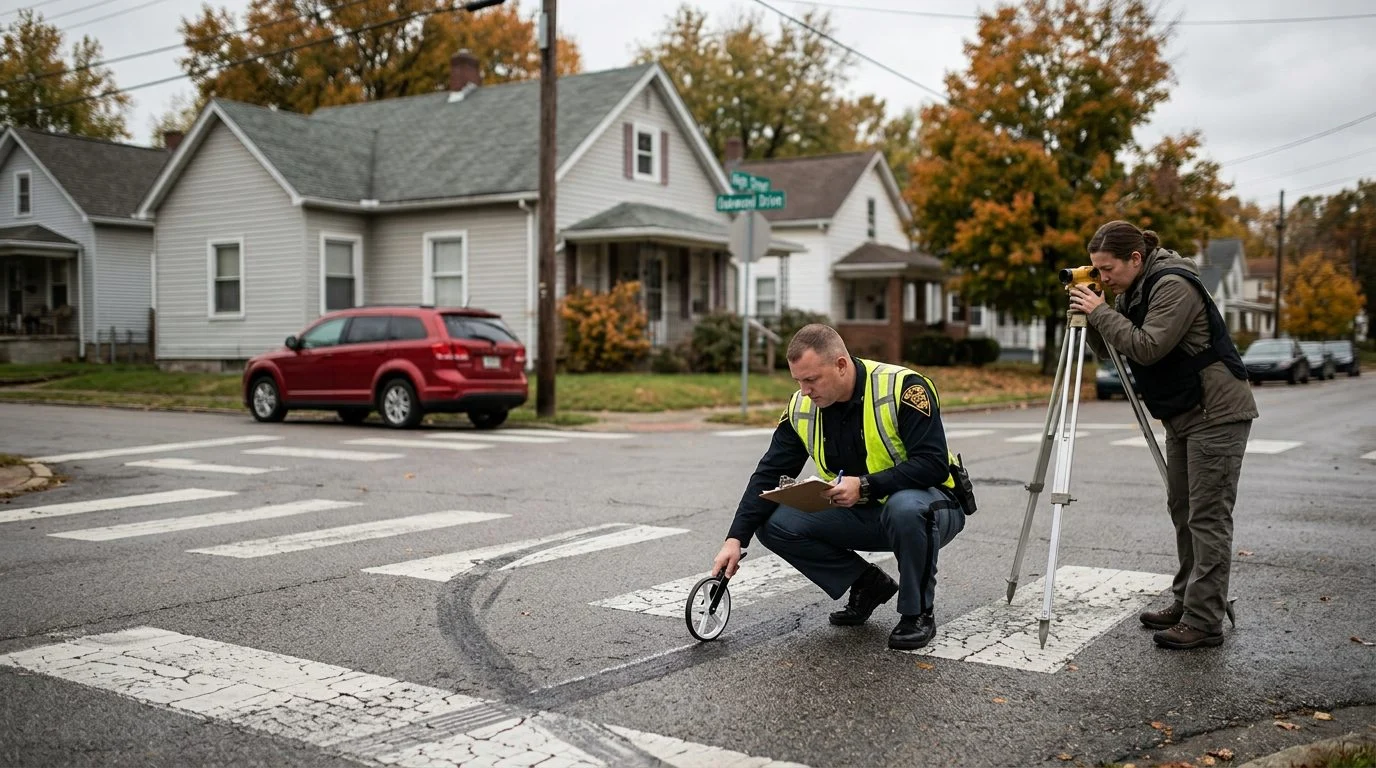
We serve Charleston injury victims, and we serve Huntington and Morgantown injury victims as well. We also serve people across West Virginia.
For more on these claims, read our guide to wrongful death and crash claims. If you’d like to talk through your own situation, contact the firm to request a free case review, with no obligation to continue.