
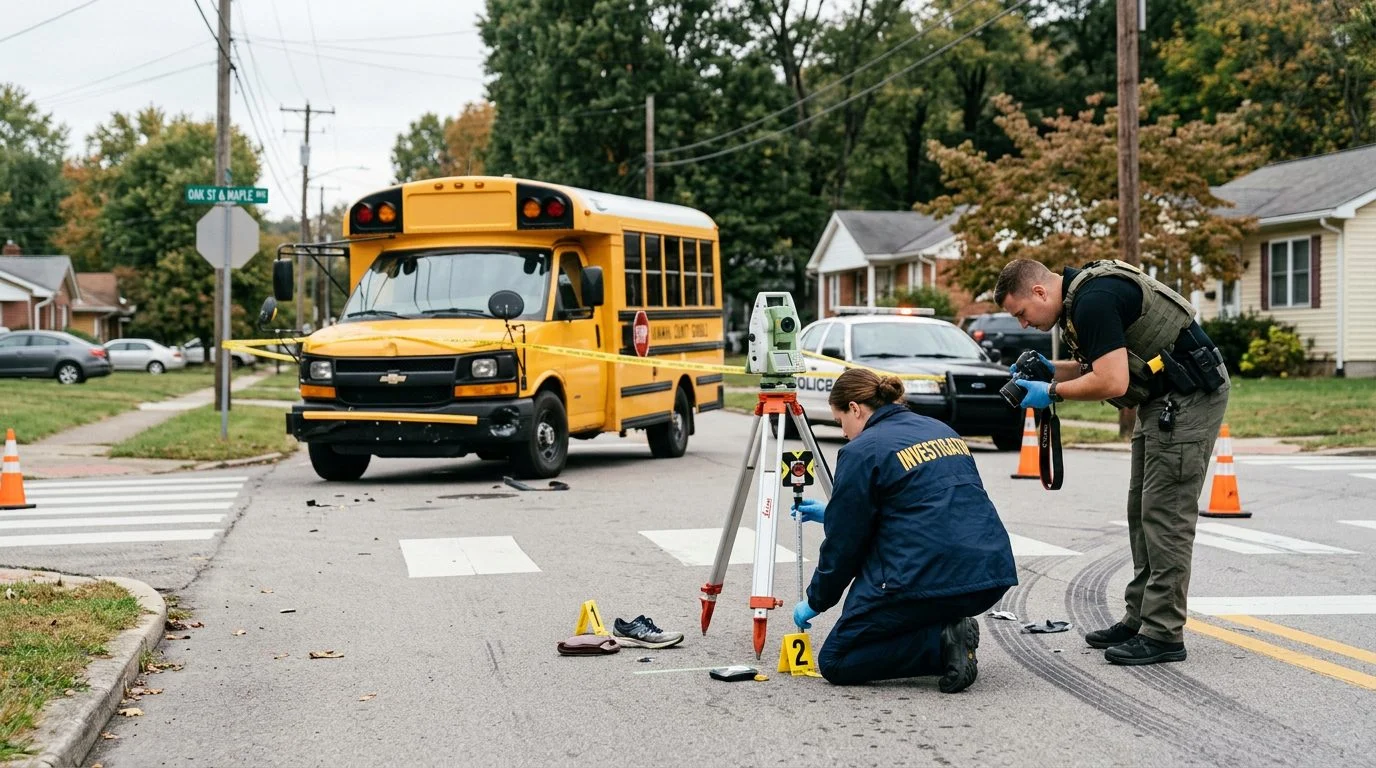
Bus Crash Injury Claims | West Virginia
Hurt in a Bus Crash? Tell Bubba What Happened.
Big Bubba represents people seriously injured in bus and commercial vehicle crashes, and families in wrongful death cases, across West Virginia.
Published November 7, 2026
When a bus or passenger van crash causes serious harm, the first questions are usually who is responsible and what deadlines apply. If you need a bus crash injury lawyer West Virginia residents can rely on, you want clear answers to both. Here is the short version: people hurt in these crashes may have a claim against the parties responsible, and families may have a claim when a crash causes a death. This page explains how these claims work in West Virginia. The firm handles serious injury, commercial vehicle, and wrongful death matters across the state.
What a Bus or Passenger Van Crash Claim Covers
A bus or passenger van crash claim seeks compensation for people hurt in a crash involving a large passenger vehicle. These claims may cover passengers, drivers of other vehicles, pedestrians, and families of people who die. The vehicles can include motor coaches, charter and tour buses, shuttle vans, and church or group vans.
The firm handles car accidents, truck and commercial vehicle accidents, catastrophic injuries, traumatic brain injury, spinal cord injury, and wrongful death. Bus and passenger van crashes fall within that commercial vehicle work.
This page is written for:
- Passengers injured on a bus, van, or shuttle.
- Drivers and motorists hit by a bus or van.
- Pedestrians and cyclists struck by one.
- Family members of someone killed in one.
Many people look into a claim after a serious injury that needs ongoing care, or after a death.
If a bus or passenger van crash left you or someone you love badly hurt, you may have a claim, and we can talk it through in a free case review. Talk it through with Big Bubba — the first case review is free, confidential, and carries no obligation.

Who May Be Responsible After a Bus or Passenger Van Crash?
More than one party may be responsible, and the facts of the crash decide who is named. Depending on those facts, responsibility may reach the driver, the company that employs or operates the driver, the vehicle’s owner, a maintenance contractor, or a charter or tour operator.
West Virginia lets a defendant name other people who contributed to the harm. Under W. Va. Code § 55-7-13d, a defending party may give notice that a nonparty was wholly or partially at fault no later than one hundred eighty days after service of process upon that defendant.
If a city transit system, county, or school district runs the vehicle, a special process may apply. Under W. Va. Code § 55-17-3, a claimant generally must send written notice by certified mail, return receipt requested, at least 30 days before suing a governmental agency, to the agency’s chief officer and the Attorney General. The notice requirement does not apply in actions seeking injunctive relief where the court finds that irreparable harm would have occurred if the institution of the action was delayed by the provisions of this subsection.
If another driver was at fault, the claim may be directed at that driver’s insurer.
What Injuries and Losses Do These Crashes Involve?
Crashes involving large passenger vehicles can cause serious injuries and major financial losses. Injuries may include traumatic brain injury, spinal cord injury, broken bones, internal injuries, and serious burns or cuts. Some brain injuries may not show symptoms right away. A prompt medical evaluation starts a record that can matter later in the claim.
A claim may address several kinds of loss:
- Medical bills and other care-related expenses.
- Lost income and a reduced ability to earn in the future.
- Pain, suffering, and loss of enjoyment of life.
- For families, losses tied to a death.
For wrongful death, state law lists the damages a jury may consider. W. Va. Code § 55-7-6 includes sorrow, mental anguish, and solace. It also covers reasonably expected loss of income, loss of services and care, medical and hospital expenses, and reasonable funeral expenses.
What Evidence Matters Most Early in a Bus Crash Claim?
The evidence that matters most is often the records that can be lost, changed, or overwritten first.
- The crash report, plus any scene photos or video.
- Driver duty-status records. 49 C.F.R. § 395.8 bars drivers and motor carriers from making false reports in connection with a duty status and from tampering with electronic logging devices so that the device does not accurately record and retain required data.
- Post-accident testing records. Under 49 C.F.R. § 382.303, certain accidents require testing of surviving drivers.
- Vehicle inspection, maintenance, and repair records.
- Onboard camera footage, GPS data, and passenger lists. These may be overwritten on a schedule the company sets.
- Witness names and phone numbers.
Records can be kept electronically. Under 49 C.F.R. § 379.7, any technology may be used if it accurately reflects the record and can be reproduced later.
Some insurers may dispute a claim or ask for a recorded statement early. It can help to understand the claim before you answer. A bus crash injury lawyer serving West Virginia families can help sort out which records matter most.
How Does the Claim Process Work, Step by Step?
A bus or van claim usually moves from a first conversation to investigation, then to negotiation, and only then to a lawsuit if one is needed.
- Free case review. You can start with a free case review, where you describe the crash, your injuries, and the people involved.
- Investigation. The firm can request the crash report and driver and vehicle records, and send preservation letters.
- Medical documentation. Treatment records, bills, and notes on ongoing care are gathered and organized.
- Identifying parties. Each operator, owner, contractor, and insurer that may be involved is identified.
- Written claim and negotiation. The claim is presented to insurers in writing and discussed.
- Lawsuit, if needed. If the claim is not resolved, a lawsuit is filed in the proper West Virginia court. Discovery and possibly trial follow.
How long each step takes varies with the injuries, the number of parties, and court schedules.
What Are the Filing Deadlines for Bus Crash Claims in West Virginia?
West Virginia generally allows two years to file a personal injury claim, and exceptions may apply. Under W. Va. Code § 55-2-12, a personal injury action generally must be brought within two years after the right to sue arises.
A wrongful death claim has its own timing. Under W. Va. Code § 55-7-6, it generally must be commenced within two years after the death. It is brought by the personal representative of the deceased person’s estate.
Claims against a political subdivision, such as a public transit system, are handled differently. Under W. Va. Code § 29-12a-6, the two-year period generally runs from when the cause of action arose or after the injury was discovered or reasonably should have been discovered, whichever is later. The complaint also may not state a dollar amount.
Waiting can cost evidence. Records get overwritten, witnesses move, and vehicles get repaired.
Not sure what your next step is?
Talk it through with Big Bubba — the first case review is free, confidential, and carries no obligation.
How Can the Firm Help With These Claims?
People looking for a bus crash injury lawyer serving West Virginia families may want to know one thing first: does the firm handle this kind of claim? It does, as part of its serious injury and commercial vehicle work.
Bus rules add detail that matters. Under 49 C.F.R. § 392.62, baggage on a bus must be stowed and secured so that the driver has unrestricted freedom of movement, any occupant has unobstructed access to all exits, and occupants are protected from falling or displaced articles. These rules can matter when reviewing how a bus was loaded and operated.
Damages can also differ. Bus claims should not be assumed to follow the same framework as truck claims.
The firm explains each step, gathers records, and keeps families informed. We serve injury victims in Charleston, Huntington, Morgantown, Wheeling, Martinsburg, Parkersburg, Beckley, Clarksburg, Fairmont, and Weirton.
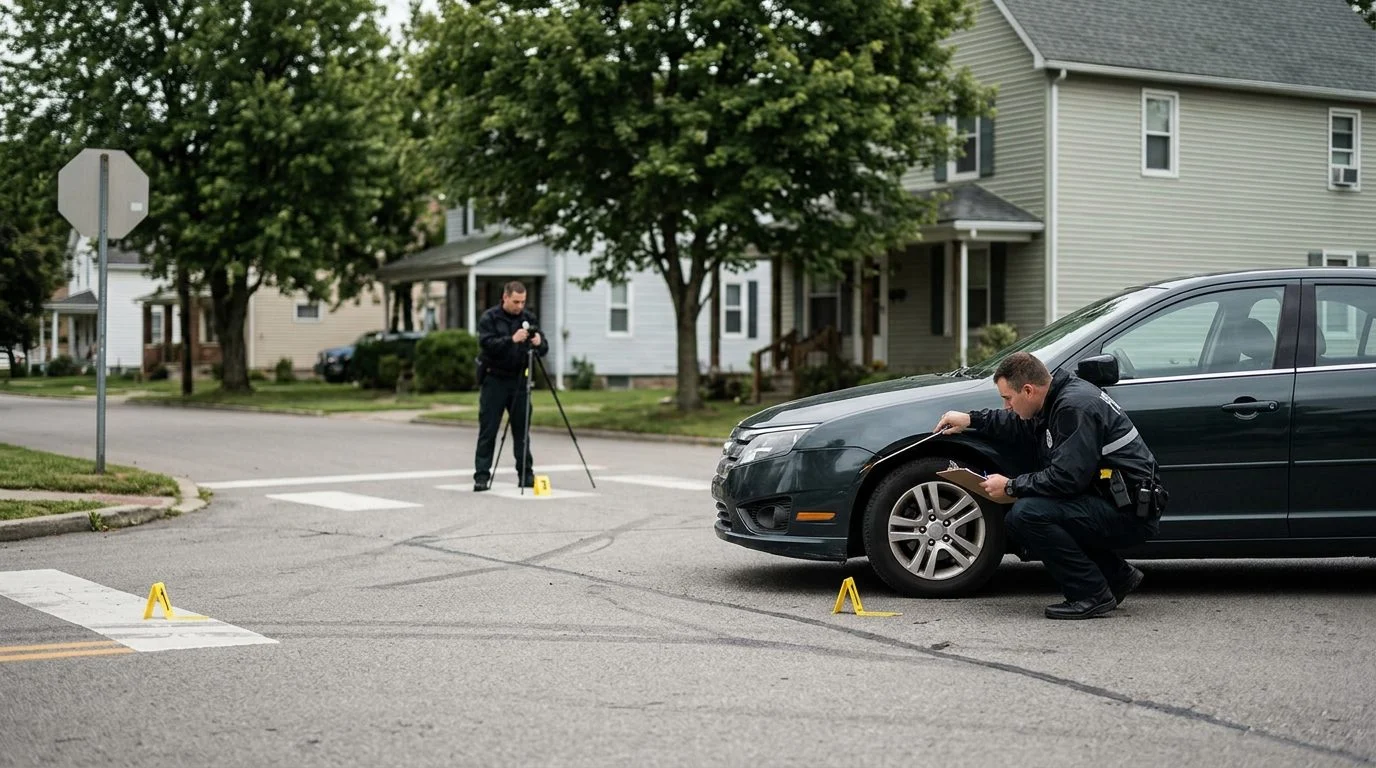
Common Questions About Bus and Passenger Van Crash Claims
Most bus crash claims turn on who was at fault and how quickly the claim is filed.
Can I bring a claim as a passenger?
Passengers may have claims against the parties whose conduct caused the crash. The facts decide who is named.
Can a family bring a wrongful death claim?
The claim is brought by the personal representative of the deceased person’s estate. Family members may share in any damages as the court or jury directs.
Your share of fault reduces recovery, and it bars recovery only if it is greater than all other responsible parties combined.
What if the bus company is based in another state?
An out-of-state operator may still face a West Virginia claim, depending on where the crash happened and where the company does business.
Should I give an adjuster a recorded statement?
Some insurers may ask for one early. It can help to understand your claim before you answer.
If a bus or passenger van crash left you or a family member badly hurt, request a free case review and tell us what happened.