

West Virginia Crash Injury Claims
A Healed Broken Bone Can Still Matter in Your Crash Claim
Lasting pain, physical limits, or hardware may be relevant when they connect to the crash. The firm can help you sort through your records and review your case.
Published November 8, 2026
The Short Answer: A Healed Fracture May Still Matter
A healed fracture can still be part of a crash claim in West Virginia, depending on the facts. Healing does not always mean the injury is over. Some people keep pain, stiffness, or limits on work and daily tasks long after the bone knits.
Three things usually shape the answer. The first is lasting effects. The second is documented treatment. The third is a clear link between the crash and the injury.
Many people assume the claim ends when the cast comes off. A claim looks at how the injury affects a person now and over time, not only whether the bone has healed. For a broader view of serious injuries, read our catastrophic injuries guide.
If your broken bone has healed but still limits your work or sleep after a crash, we invite you to request a free case review with us. Talk it through with Big Bubba — the first case review is free, confidential, and carries no obligation.
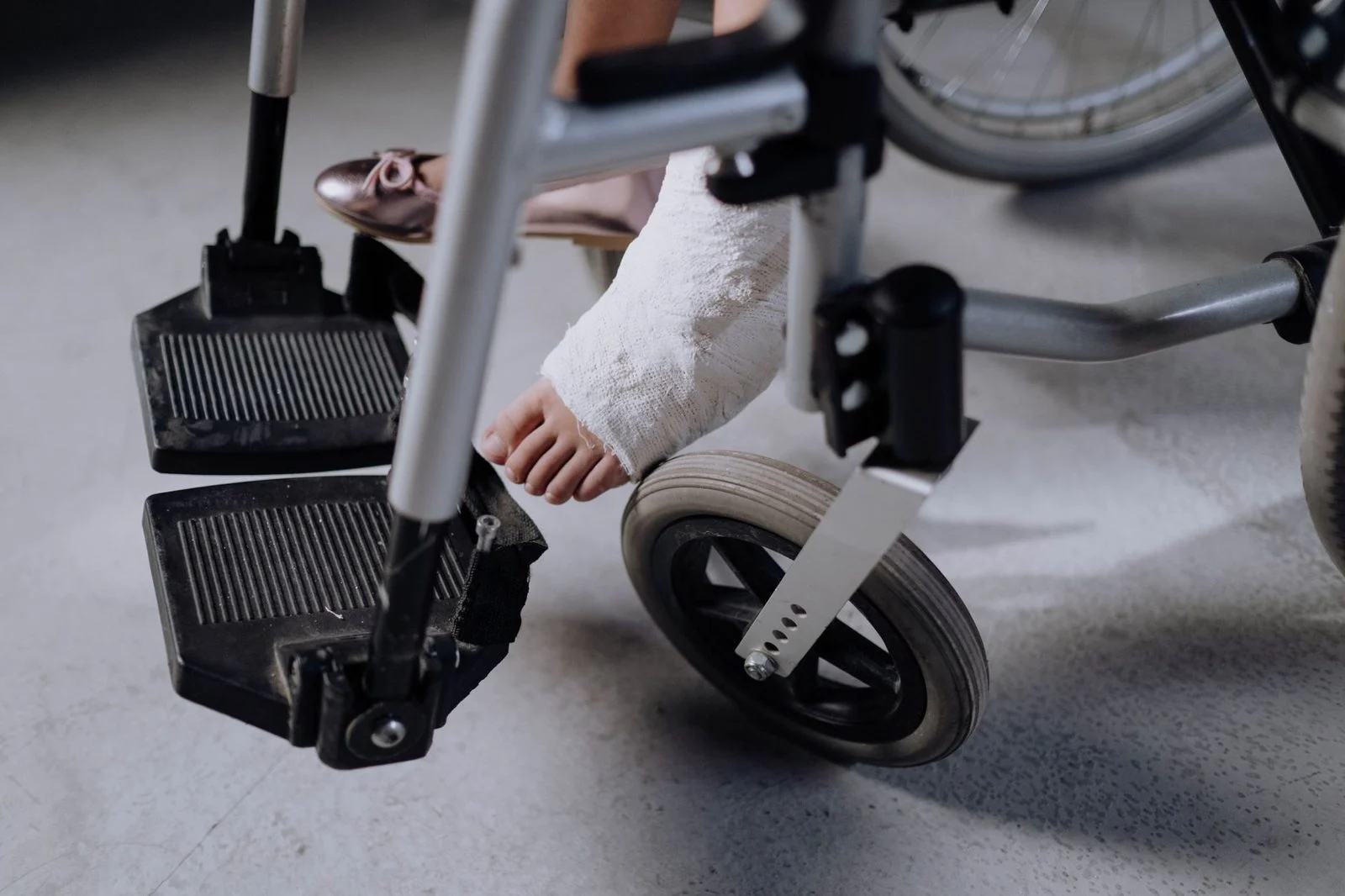
Why a Healed Break Can Still Affect a Claim
A healed break can still matter when it leaves effects that last. Records may describe these effects in different ways, but they often fall into a few groups.
Common lasting effects include reduced range of motion, joint changes, chronic pain, weakness, and activity limits. A bone can knit well and still leave a joint that moves less than it did before the crash.
Surgery may leave hardware in place, such as plates, rods, or screws. That hardware becomes part of the medical history. It may be relevant, depending on the facts, because it shows how serious the original injury was.
Some people return to work with restrictions, such as lifting limits or time off for appointments. Those limits can matter when a claim looks at how the injury changes daily life. Whether they matter in a given case depends on the medical records and the facts of the crash.
Medical Records and Follow-Up Notes That Matter
The records that matter most show the injury from the first day to the present. Gather them in order, and keep copies of everything you receive.
Start with emergency room and urgent care notes. Add imaging reports from X-rays, CT scans, and MRIs. Surgical reports, discharge instructions, and physical therapy notes also help tell the story.
Follow-up visits are often the most useful records for a healed fracture. They show whether symptoms continued, changed, or improved over time. A note from months later that describes trouble gripping a coffee cup tells a different story than a note from the first week.
Consistent notes help. When pain, stiffness, or limits appear across several visits, that pattern can help show the injury’s course. A written statement from a treating provider about lasting limits may also be relevant, depending on the facts.
Connecting the Fracture to the Crash
The fracture must connect to the crash in the records. Medical records and crash evidence need to point to the same injury.
Useful crash evidence includes the police report, photos of the scene and vehicles, vehicle damage, and witness statements. Ask for the crash report early. It may record what officers saw and who was cited. Phone use is one fact a report may note.
Truck crashes add another layer. Federal rules require motor carriers to keep driver duty-status records for at least six months from the date of receipt, under the driver duty-status record rules. When a driver finds or is told of a defect, the inspection report must generally be kept for three months from the date it was prepared, under the driver vehicle inspection report rules; no report is required if no defect is found or reported. These rules do not apply to a motor carrier operating only one commercial motor vehicle, a driveaway-towaway operation, or a private motor carrier of passengers (nonbusiness). These records may be relevant, depending on the facts.
If another driver was at fault, that driver’s insurer may become involved. The state’s Division of Motor Vehicles describes mandatory motor vehicle insurance and the proof of coverage drivers must show, in its West Virginia insurance requirements guide. Keep any insurance details from the crash with your records.
Treatment Gaps, Prior Injuries, and Pre-Existing Conditions
A prior fracture or a gap in care does not automatically end a claim. The medical history still has to be accurate.
A gap in treatment may be questioned. Some insurers may dispute a claim when there are long breaks between visits. An honest explanation works better than silence. If you stopped physical therapy because of a work schedule, a ride problem, or a flare of pain, tell your providers and write it down.
Prior injuries to the same bone can also come up. A pre-existing condition may be considered alongside the crash injury, depending on the facts. That is why older records matter too. Leaving out an earlier injury can create problems later in the process.
Share your full medical history with the firm. Include older fractures, prior imaging, and any gaps in treatment. That lets the claim be reviewed on accurate records.
Medical Bills and Health Insurance After a Fracture
Medical bills from fracture care may be part of a claim, depending on the facts. These bills are part of your own losses, so track them from the start.
Health insurance may pay for much of your care. When it does, the insurer sends an explanation of benefits. That document shows what was billed and what was paid. Keep it with the bill and the receipt.
Keep every bill, explanation of benefits, and prescription receipt. Keep a mileage log for trips to appointments. Also keep wage records that show time missed from work. These records help document the losses the injury caused.
Not sure what your next step is?
Talk it through with Big Bubba — the first case review is free, confidential, and carries no obligation.
When a Fracture Points to a More Serious Injury
A broken bone from a crash can come with a brain or spinal cord injury that is not obvious at first. Some head and spine injuries do not show clear signs right away.
Watch for ongoing headaches, numbness or tingling, weakness, balance trouble, confusion, or memory changes. Tell a doctor promptly if these appear or get worse after the crash.
Writing down symptoms each week can help you describe changes at follow-up visits. Note what hurts, what you cannot do, and when it started. That kind of detail can help your providers see the full picture.
Crash type matters too. Rural head-on crashes can cause serious injuries, and you can read more about rural head-on crash injuries. For an overview of serious injury claims in the state, see catastrophic injury claims in West Virginia.
West Virginia Deadlines and Next Steps
West Virginia generally allows two years to file a personal injury lawsuit, and exceptions may apply. The two-year limit for personal injury claims runs from when the right to bring the claim arose.
Waiting can make records and witness memories harder to gather. Starting early gives more time to collect records while they are still easy to find.
Under W. Va. Code § 55-7-13c, a plaintiff’s own fault generally reduces recovery in proportion to that fault. It generally bars recovery only when the plaintiff’s fault is greater than the combined fault of everyone else responsible. W. Va. Code § 55-7-13c reads: “(c) Any fault chargeable to the plaintiff shall not bar recovery by the plaintiff unless the plaintiff’s fault is greater than the combined fault of all other persons responsible for the total amount of damages, if any, to be awarded.”
The firm serves injury victims across West Virginia, including the Charleston area. You can learn more about Charleston injury claims.

Fracture Records and Crash Details in a Claim
A bone that has healed can still limit your sleep, your work, or your daily tasks after a car or truck crash. Follow-up visits and paperwork can continue for months after a crash.
Can a healed broken bone still be part of a crash claim?
It can, depending on the facts. Lasting pain, limits, or hardware may be relevant when they connect to the crash in the records.
How long do I have to file?
West Virginia generally allows two years for personal injury claims, and exceptions may apply. Talk through your timing as early as you can.
What records should I gather first?
Start with emergency, imaging, surgical, and follow-up notes, plus the crash report. Bring your current symptoms written down as well.
If your bone has healed but still affects your work or sleep after a crash, your records, crash details, and current symptoms may be relevant to your claim. The review is confidential and comes with no obligation to continue. You can reach us through the contact page.