
Catastrophic Injury Claims | West Virginia
Serious Injuries Change Everything. We Help You Take the Next Step.
Big Bubba represents people seriously hurt in car and commercial truck crashes, people with brain and spinal cord injuries, and families in wrongful death cases across West Virginia.
Published November 4, 2026
A catastrophic accident lawyer handles claims for people seriously hurt in a crash and for families after a fatal one. The firm handles car accident, truck accident, and commercial vehicle accident claims across West Virginia. If you are trying to understand your options, you do not have to work through them alone.
What a Catastrophic Accident Lawyer Does for West Virginia Crash Victims
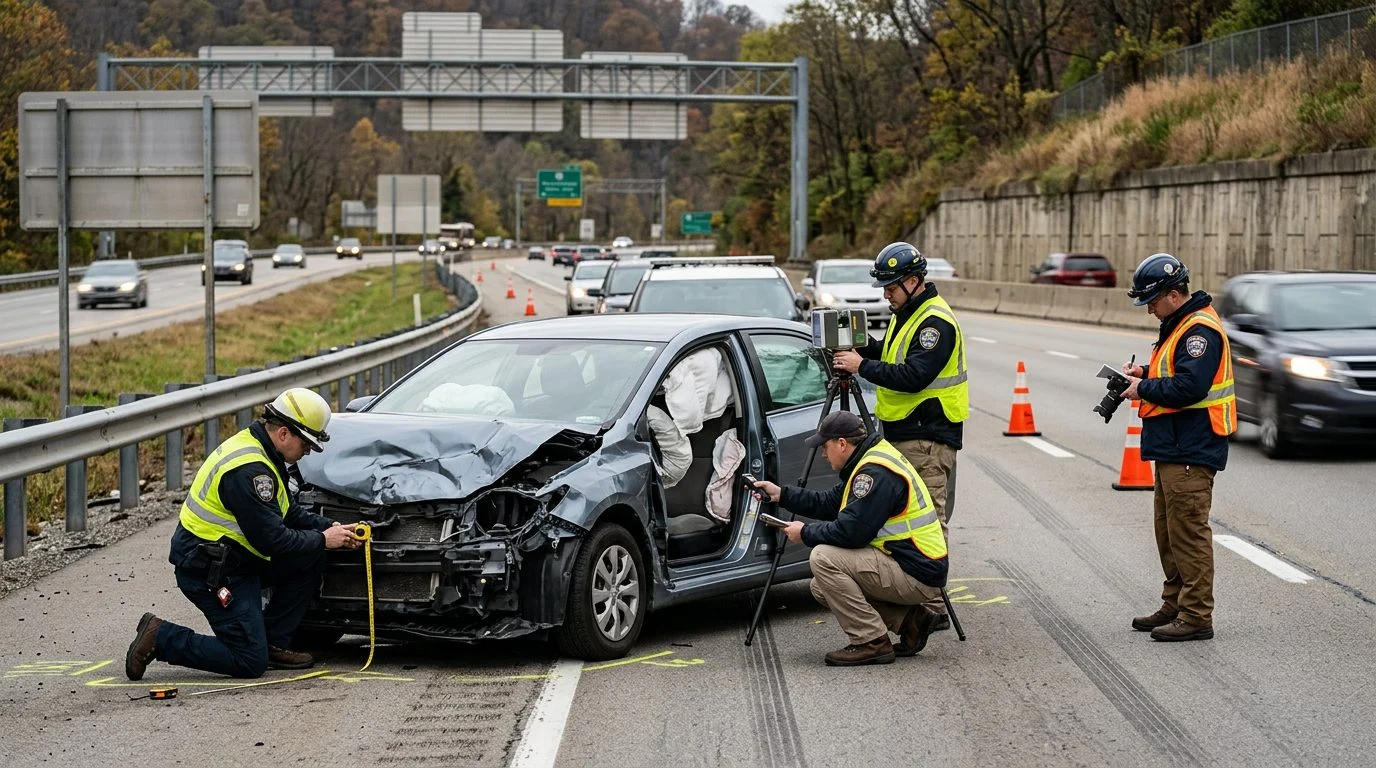
A catastrophic accident lawyer investigates the crash and handles the claim for the injured person or the family.
The work starts with the facts. The lawyer looks at how the crash happened, who may be responsible, and how the injuries may affect the future. Then the lawyer explains the options in plain language.
The firm handles car accident, truck accident, and commercial vehicle accident claims across West Virginia. It works with injured people and with surviving family members. Support staff assist the case team with records, forms, and scheduling.
Some insurers may dispute a claim, so it helps to start early.
If you are trying to understand where you stand, call the firm about your case.
If a crash has left you or someone you love facing a serious injury or loss, you do not have to face the next steps alone, and the firm can help you understand your options. Talk it through with Big Bubba — the first case review is free, confidential, and carries no obligation.
Crashes and Injuries This Practice Handles
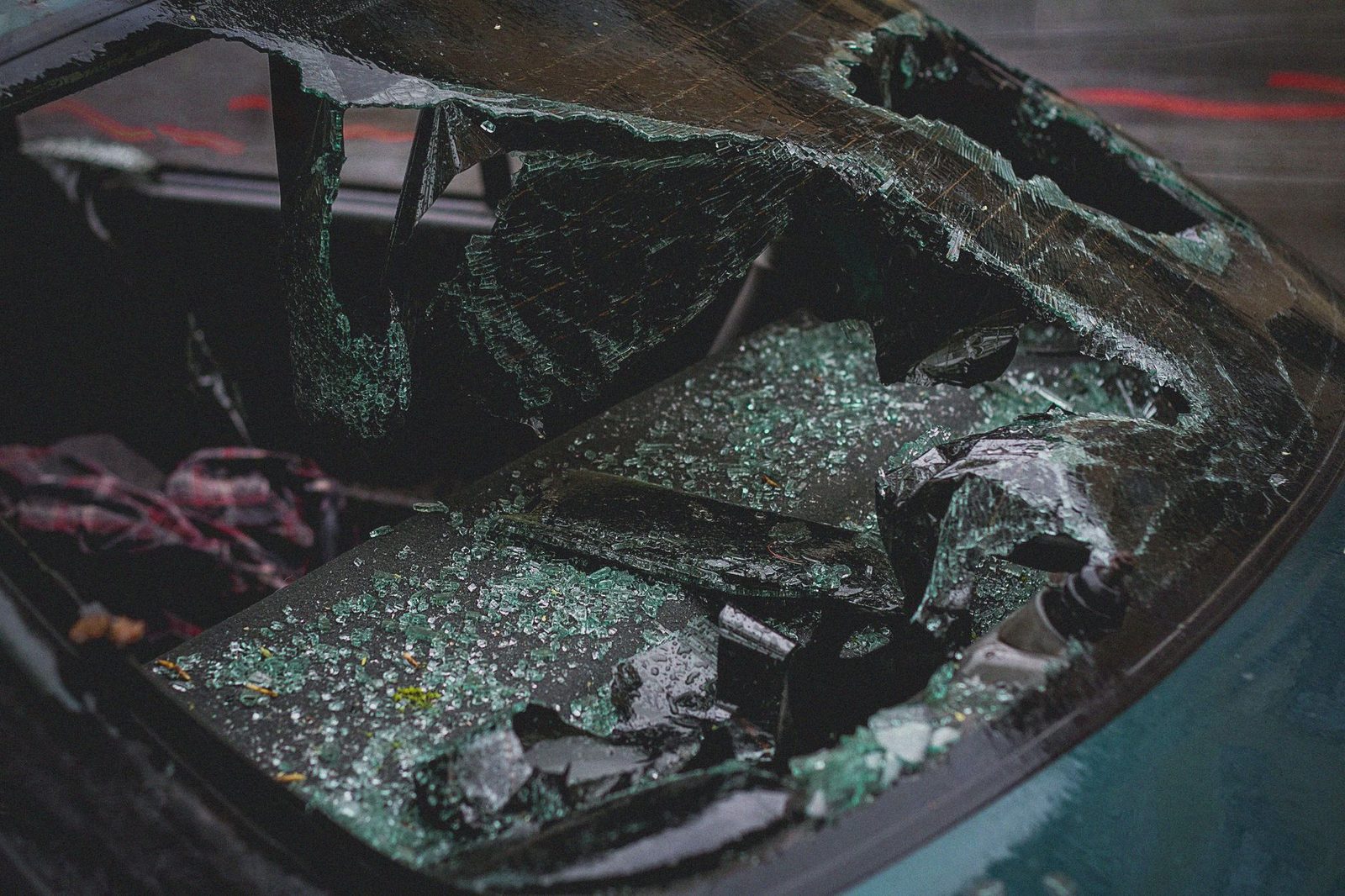
This practice handles crashes involving passenger cars, commercial trucks, and other commercial vehicles. It also handles catastrophic injuries and wrongful death claims that arise from those crashes.
- Car accidents: collisions involving passenger vehicles on West Virginia roads.
- Truck accidents: crashes involving large commercial trucks.
- Commercial vehicle accidents: crashes involving other commercial vehicles, such as work vans and delivery trucks.
A catastrophic injury is a serious injury that can affect health, work, and daily life for a long time. Two common examples are traumatic brain injury and spinal cord injury.
A traumatic brain injury can affect memory, mood, speech, and the ability to work. A spinal cord injury can affect movement, feeling, and independence at home.
The full picture often takes time to develop. Treating physicians usually guide the medical picture, and the firm reviews the records you can share.
Tell Bubba what happened, including where the crash occurred and which injuries you already know about.
How Catastrophic Cases Differ From Standard Injury Claims
Catastrophic injury cases often involve detailed medical records and careful documentation. The full impact of a serious injury can take time to understand.
Evidence that may be relevant includes crash reports, vehicle and driver records, photos, medical records, and witness statements.
West Virginia generally uses a modified comparative fault rule (shared fault). Under W. Va. Code § 55-7-13c, a plaintiff’s fault generally bars recovery only if it is greater than the combined fault of all other persons responsible. If it is less, recovery is reduced in proportion to the plaintiff’s share of fault.
More than one party may be connected to a crash. Under W. Va. Code § 55-7-32, an employer defendant can include a commercial vehicle’s owner, the operator’s employer, or another entity with legal control over the vehicle. That statute may limit some noneconomic damages in certain commercial vehicle cases, but the limit is not available to an employer defendant that does not carry commercial motor vehicle insurance of at least $3 million for each occurrence. W. Va. Code § 55-7-32 provides that the section, including its limit on noneconomic damages, does not apply if the civil action involving a commercial motor vehicle arises from an incident for which an operator or driver is found to have, among other things, operated a commercial motor vehicle with an alcohol concentration at or above the level the statute sets as defined in §17E-1-14 of the code, refused after the incident to submit to testing required under §17E-1-15 of the code, operated a commercial motor vehicle in willful or wanton disregard for the safety of persons or property, or engaged in one or more of the acts that constitute distracted driving as set forth in §17C-14-15(e) of the code.
The Federal Motor Carrier Safety Administration explains which drug and alcohol tests federal rules may require of commercial drivers and when that testing generally occurs.
For the first twenty days after an injury, W. Va. Code § 55-7-11a restricts some settlement talks with an injured person who is in the hospital or unable to work. Under W. Va. Code § 55-7-11a, an injured person may disavow a settlement, release or statement obtained in violation of that section at any time within one hundred eighty days from the date of the personal injury.
Waiting can narrow your options. West Virginia generally allows two years to file a personal injury claim under W. Va. Code § 55-2-12, and exceptions may apply.
When a Family Brings a Wrongful Death Claim
A wrongful death claim is generally brought by the personal representative of the person who died. Under W. Va. Code § 55-7-6(b), how wrongful death damages are distributed may depend on the direction of the jury or court, the decedent’s will, or the state’s intestacy rules.
Under W. Va. Code § 55-7-6, the claim generally must start within two years after the death, and other provisions may apply.
The statute lists categories of damages a jury may consider. The jury’s verdict must include damages for these categories, which are not limited to the following: sorrow, mental anguish, and solace, reasonably expected loss of the decedent’s income and of services, protection, care and assistance the decedent provided, expenses for care, treatment and hospitalization incident to the injury, and reasonable funeral expenses.
The damages may be divided among the surviving spouse, children, and others entitled to share, as the jury or court directs.
Families often face grief and paperwork at the same time. The firm can help gather crash records and medical information so the family can focus on their loss.
If your family is facing this, reach out to the firm and share what you know.
What to Expect From a Free Case Review
A free case review is a confidential first conversation where the firm listens to what happened and explains possible next steps. It carries no obligation to continue, so you decide what happens next.
- First contact. Call the firm about your case, or request a free case review online. Describe the crash in a few sentences.
- Share the basics. Tell the firm about your injuries, the people involved, and any police report, photos, or medical papers you have.
- Review the facts. The firm looks at how the crash happened, who may be involved, and which records may be relevant.
- Explain options. The firm explains possible next steps in plain language, based on what you share.
If the other driver may be uninsured or unidentified, W. Va. Code § 33-6-31 sets reporting steps. It may require a report to police within twenty-four hours after you discover the crash and are physically able to report it, unless police already investigated, and notice to your insurer within sixty days when the other driver is unknown.
Before your review, gather what you can:
- Crash report number, if you have one
- Names of insurers and policy numbers
- Photos of the vehicles, the scene, and your injuries
- Medical records and a timeline of your care
- A short written account of the crash
Steps to Take After a Serious Crash
The firm handles catastrophic injury, traumatic brain injury, spinal cord injury, and wrongful death claims tied to West Virginia crashes.
The firm serves people in Charleston, Huntington, Morgantown, Wheeling, Martinsburg, Parkersburg, Beckley, Clarksburg, Fairmont, and Weirton, and across West Virginia.
Readers anywhere in the state can request a free case review, and the firm explains the process in plain language.
In the first conversation, you can ask how the process works, what records the firm needs, and what to expect next. Details about a crash can also be shared through the contact page, which is the route for requesting a free case review.
Not sure what your next step is?
Talk it through with Big Bubba — the first case review is free, confidential, and carries no obligation.
Frequently Asked Questions
Short answers to common questions follow.
What is a catastrophic accident lawyer?
A catastrophic accident lawyer handles claims for people with serious crash injuries and for families after a fatal crash.
What counts as a catastrophic injury?
It is a serious injury, such as a traumatic brain injury or spinal cord injury, that can affect long-term health, work, and daily life.
What does an accident lawyer do?
The lawyer looks into how the crash happened, gathers records, communicates with insurers, and explains legal options.
Can a family member contact the firm for someone in the hospital?
Yes, a family member may reach out on the injured person’s behalf. The firm explains what it needs to review the case.
Do I need the police report before I call?
No. You can call with the basic facts, and the firm explains which records help.
How soon should I act?
West Virginia generally allows two years for many injury claims, and exceptions may apply. Asking early gives you more time to gather records.