
Brain Injury Claims · West Virginia
Catastrophic Brain Injury Compensation in West Virginia: Understanding Your Options
A serious brain injury changes daily life for the whole family. Here is a plain-language look at the questions that often come next.
Published November 9, 2026
Families facing a catastrophic brain or spinal cord injury, or a death that another party’s wrongful act may have caused, may have questions about their options. The two main types of damages are economic damages, which are money losses, and non-economic damages, which cover harm like pain and changes to daily life. What a claim is worth depends on its own facts. This guide explains each category in plain language.
What kinds of compensation can families recover for catastrophic brain or spinal cord injuries and wrongful death in West Virginia, and how are those damages valued?
Injured people and, after a death, certain family members may seek economic and non-economic damages. Economic damages repay money losses, such as medical bills and lost income. Non-economic damages address pain, emotional distress, and loss of enjoyment of life. Each category’s value depends on the evidence, and no general figure applies to every case.
Brain and spinal cord injury cases usually center on the injured person’s own losses. Wrongful death cases follow a state statute that names the damages a verdict may include. It also names the relatives who may share in a recovery. Those rules differ, so this page covers them in separate sections. Many catastrophic injuries produce both kinds of losses, and the records tie them together.
If you're sitting beside a loved one after a serious crash, you may have a claim, and the firm can talk it through with you in a free case review. Talk it through with Big Bubba — the first case review is free, confidential, and carries no obligation.
What economic damages may cover after a catastrophic brain or spinal cord injury?
Economic damages may cover medical care, assistive needs, and income lost during recovery or later. These losses are usually documented through bills, medical notes, and employment records. Future losses are projected from medical and economic evidence, not guessed at.
Past and future medical care. This includes emergency treatment, surgery, hospital stays, rehabilitation, therapy, medicine, and follow-up care the injury may require. Families dealing with a traumatic brain injury often track each provider and each bill from the start.
Assistive needs. Wheelchairs, adaptive equipment, home changes, and in-home help may be recoverable when a doctor documents the need.
Lost income and lost earning capacity. Missed paychecks during recovery are one part of the claim. Reduced ability to earn in the future is another. Pay stubs, tax returns, and employer records help show what was lost.
How do non-economic damages apply to brain and spinal cord injury claims in West Virginia?
Non-economic damages cover harm that no bill or paycheck captures. That includes pain, emotional distress, and loss of enjoyment of life. Because these harms are personal, they depend on the facts and the medical records.
A brain injury can change memory, mood, personality, and the ability to live alone or work. Families often describe these changes as a clear before-and-after difference. A spouse may notice a partner who once managed the household now needs help with simple tasks.
A spinal cord injury can affect movement and daily routines. Changes to driving, hobbies, parenting, and social life can also matter. Recovery varies from person to person, and no one can predict the final outcome with certainty.
What damages may families pursue in a wrongful death case in West Virginia?
West Virginia’s wrongful death law says the action must be brought by the personal representative of the person who died. The verdict may include several categories of damages. The W. Va. Code § 55-7-6 statute lists them.
The statute names sorrow, mental anguish, and solace. Solace can include companionship, guidance, and advice from the person who died. It also names reasonably expected loss of the decedent’s income, and of the care and services they provided. Expenses for care and hospital treatment tied to the injury are included, along with reasonable funeral expenses.
The jury or court may decide how damages are shared among the surviving spouse, children (including adopted children and stepchildren), brothers, sisters, parents, and anyone who was financially dependent on the person who died or would otherwise be equitably entitled to share. Eligibility depends on family relationships and the facts of the case.
When an injured person sues and later dies from the injuries, the action may be revived in the name of the personal representative under W. Va. Code § 55-7-8. Under W. Va. Code § 55-7-8, a separate claim may be brought, joined in the same proceeding, for damages incurred between the time of injury and death where not otherwise provided for in sections five and six. The statute also allows only one recovery for each element of damages.
How are catastrophic brain and spinal cord injury damages valued?
Valuation starts with evidence. That includes imaging, neurological testing, treating doctors’ records, and proof of how daily life has changed. Each piece helps show what the injury caused.
Neuropsychological testing can measure changes in memory, attention, and thinking after a brain injury. Treating doctors’ records describe the care the injury is likely to require.
For future losses, life care planners and economists may prepare projections of future care and lost earning capacity. They testify about their work. Their role is to explain the numbers, not to set them.
Family and caregiver accounts add context. A daily journal of symptoms, appointments, and limits can help show how life has changed. West Virginia law also limits what a complaint may state. Under W. Va. Code § 55-7-25, a complaint in a personal injury or wrongful death action may not include a specific dollar amount for damages sought.
Some insurers may dispute a claim or the value placed on it, so careful documentation matters. No formula produces a certain value.
What deadlines and records matter early in a West Virginia catastrophic injury or wrongful death claim?
West Virginia generally allows two years to file a personal injury lawsuit, and exceptions may apply. The general rule appears in W. Va. Code § 55-2-12. The wrongful death statute also generally sets a two-year period from the date of death, under W. Va. Code § 55-7-6.
The first weeks matter too. Under W. Va. Code § 55-7-11a, for twenty days after a personal injury, no person may negotiate a settlement with an injured person who is hospitalized or unable to work.
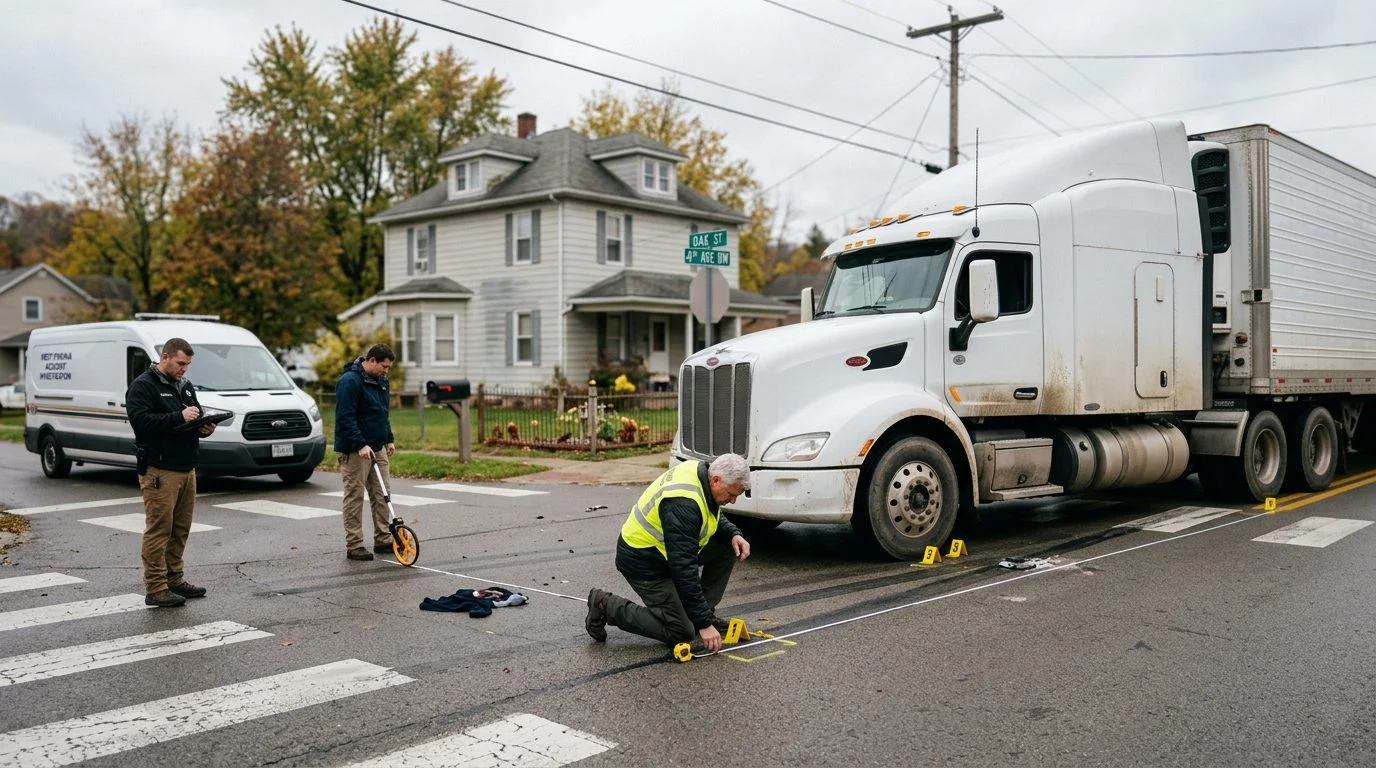
Records that often matter include the crash report, medical and rehabilitation records, imaging, paychecks, employer records, scene and vehicle photos, and a family journal. In a commercial truck crash, trucking records deserve early attention. Under 49 C.F.R. § 379.3, companies subject to that part must keep records for the minimum periods listed in its appendix A. After those periods, they may destroy records at their discretion, but this does not excuse compliance with the lawful requirements of any other governmental body prescribing longer retention periods for any category of records.
The West Virginia Division of Motor Vehicles notes that unsecured cargo can cause serious or catastrophic crashes. Cargo details may be relevant, depending on the facts.
Can a claim continue if the injured person dies?
Often, yes. West Virginia law may let a personal representative continue or start the action after the injured person dies, depending on the facts and timing. The rules appear in W. Va. Code § 55-7-8a.
How long do families have to file a wrongful death claim?
West Virginia’s wrongful death statute generally requires filing within two years after the death, and exceptions may apply (W. Va. Code § 55-7-6).
Not sure what your next step is?
Talk it through with Big Bubba — the first case review is free, confidential, and carries no obligation.
Reaching out about a catastrophic brain or spinal cord injury or wrongful death claim
If you’re at a hospital bedside, or working through bills and missed paychecks at the kitchen table, this is a hard place to be. You may be gathering facts for a spouse, a parent, or an adult child. Maybe the crash involved a commercial truck. Maybe a loved one has died. You don’t have to sort out the legal side alone.
The firm handles car accident, truck accident, and commercial vehicle claims across West Virginia. If you want to talk through what happened and which damages may apply, you can request a free case review with the firm. The review is confidential and carries no obligation to continue.