
Catastrophic Injury Claims | West Virginia
Catastrophic Injury Damages in West Virginia: Understanding What Families May Seek
A serious injury or a death in the family changes everything. Here is a plain-language guide to the losses the law may address and how to start a conversation with the firm.
Published November 16, 2026
If a serious crash or other accident has left someone you love with a brain or spinal cord injury, or has taken a loved one’s life, you may be asking what your family can seek. This page explains the main types of catastrophic injury damages in West Virginia and how they are valued. Every case turns on its own facts, so no amount can be predicted here.
What kinds of compensation can families recover for catastrophic brain or spinal cord injuries and wrongful death in West Virginia, and how are those damages valued?
Families may generally seek economic damages, which cover money losses that can be documented, and non-economic damages, which cover pain and changes to daily life. In a wrongful death case, West Virginia law lets the jury award such damages as it may seem fair and just, and requires the jury to state separately the reasonable funeral, hospital, medical and other expenses incurred as a result of the wrongful act. How much any of these is worth depends on the injury and the evidence, and no specific amount can be promised.
Economic damages are the easier part to see on paper. They include medical bills, rehabilitation, equipment and income the injured person lost or will lose. Non-economic damages are harder to measure. They cover pain, emotional distress and the loss of activities that once gave a person’s life its shape.
West Virginia’s wrongful death statute names these losses directly. Under W. Va. Code § 55-7-6, the verdict shall include sorrow, mental anguish and solace. It also includes reasonably expected lost income and services, care and hospital expenses tied to the injury, and reasonable funeral expenses. Valuation is not a formula. Juries and courts weigh the evidence in each case.
If your family is living with a brain or spinal cord injury or a wrongful death, you do not have to sort out these questions alone; the firm offers a free case review to talk it through. Talk it through with Big Bubba — the first case review is free, confidential, and carries no obligation.
Economic damages for catastrophic injuries: medical care, rehabilitation and lost earning capacity
Economic damages are the financial losses a family can tie to bills, records and pay. For a brain or spinal cord injury, medical care and lost work are often the largest items.
Past medical bills usually include emergency care, surgery, hospital stays and rehabilitation. Future medical needs can include ongoing therapy, medication and follow-up care. Doctors and care planners often estimate these future needs, and those estimates can be disputed.
Some injuries also bring long-term costs at home. A family may need changes to a house, mobility equipment or in-home attendant care. A physician’s written recommendation and records of what that care costs help show the need.
Lost earnings have two parts. The first is wages already lost. The second is lost earning capacity, meaning a reduced ability to work the same job or any job in the future. Pay stubs, tax returns, employment records and a vocational assessment (a review of work skills and capacity) can help show this loss.
Time limits matter too. West Virginia generally allows two years to bring a personal injury claim under W. Va. Code § 55-2-12, and exceptions may apply. State health data also tracks motor vehicle crash deaths and hospitalizations among West Virginia residents.
Non-economic damages: pain, suffering and changes to daily life
Non-economic damages pay for harm that does not come with an invoice. Examples include pain, emotional distress and lost enjoyment of life.
Disfigurement and permanent impairment fall in this group too. A person who can no longer walk, speak clearly or care for their children has lost something no bill can capture. Some insurers may dispute how much these losses are worth, so proof matters.
Proof usually comes from medical records, treating provider notes and testimony from the injured person and people who know them. A daily journal can show what the person can no longer do, such as cooking, driving or sleeping through the night. A journal written close to the events tends to be more detailed.
A spouse may also have a claim for loss of consortium. That claim covers the loss of companionship and marital relations caused by the injury. W. Va. Code § 48-29-302 gives a married woman the same right to recover for loss of consortium as a married man.
Wrongful death damages for families in West Virginia
In West Virginia, a wrongful death action must be brought by the decedent’s personal representative. That is the person formally appointed to act for the estate.
The court or jury decides how the damages are divided, under W. Va. Code § 55-7-6.
The law also separates some expenses. The jury must list funeral, hospital and medical expenses on their own line. Families may also consider the loss of financial support and the loss of guidance, care and companionship the person gave.
Deadlines matter. The statute says a wrongful death action generally must start within two years after the death, subject to other provisions. W. Va. Code § 55-7-6 reads: “The provisions of this section shall not apply to actions brought for the death of any person occurring prior to July 1, 1988.” If an injured person who has already brought an action dies later from the same crash, W. Va. Code § 55-7-8 allows the action to continue through the personal representative. Only one recovery is allowed for each element of damage.
Punitive damages in limited cases
Punitive damages are meant to punish certain conduct.
A plaintiff must prove by clear and convincing evidence that the damages suffered were the result of conduct carried out with actual malice toward the plaintiff or a conscious, reckless and outrageous indifference to the health, safety and welfare of others. W. Va. Code § 55-7-29 sets that standard. A defendant may ask for a bifurcated trial, which means the jury first decides liability and compensatory damages. Punitive damages come in a second stage, if the court finds enough evidence.
The same statute caps punitive awards at the greater of four times the compensatory damages or $500,000.
In a truck or impaired driving case, certain conduct may matter. Examples include driving under the influence or running a commercial vehicle beyond hours-of-service limits. Whether that conduct supports punitive damages turns on what happened and what the evidence shows. No award can be predicted.
How catastrophic injury damages are valued
Valuation depends on how severe and permanent the injury is. It also depends on the person’s age, earnings and future needs.
Adjusters and courts often look at several factors. These include the severity and permanence of the injury, the person’s age and life expectancy, prior work and earnings, the cost of future medical and personal care, and the effect on family relationships.
A life care plan is a written plan that lists future medical and personal care needs. Medical and care professionals often help prepare one. Its value comes from tying each future need to a medical reason.
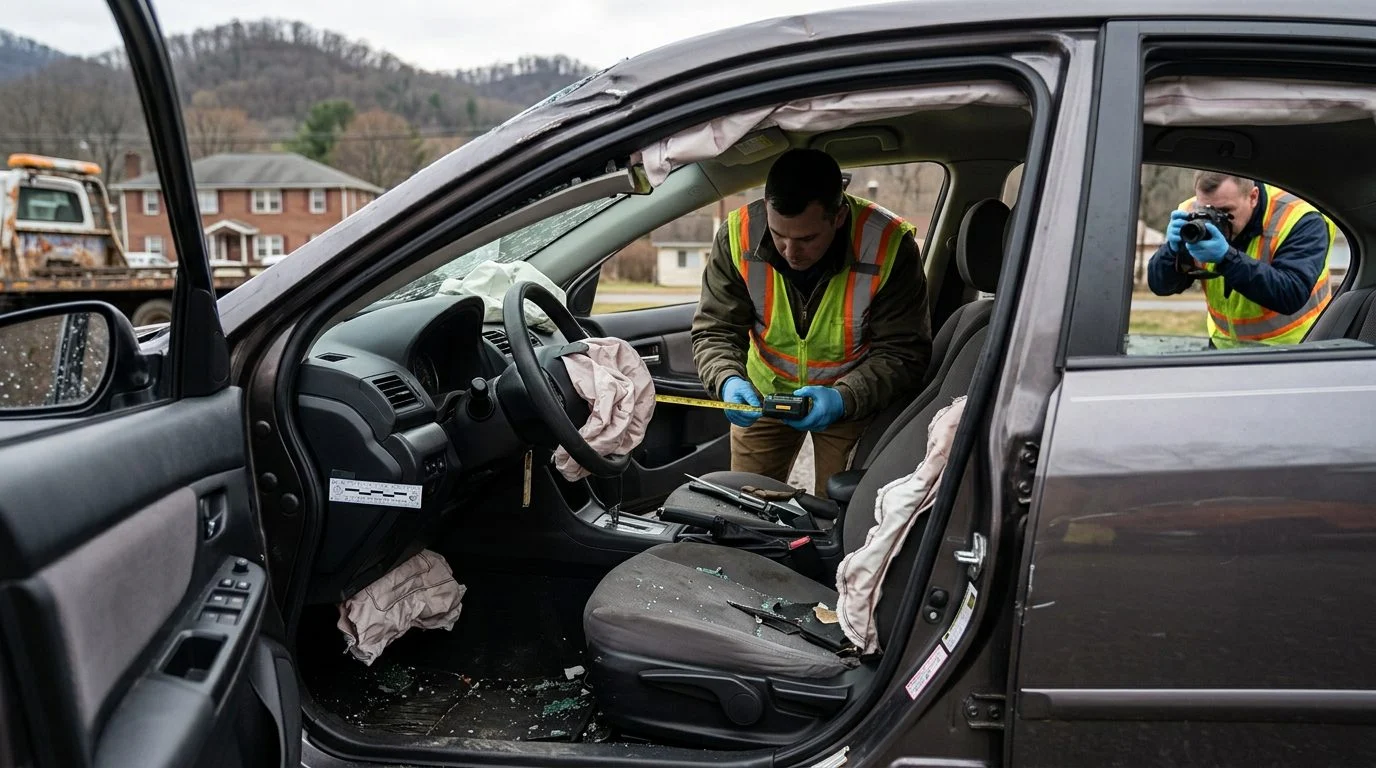
Records that often help include imaging, treatment notes, itemized bills, employment and tax records, and a daily journal of limits. Some insurers may dispute these figures, so the documentation carries weight.
Commercial vehicle cases have an extra rule. For a claim against an employer defendant in a case involving a commercial motor vehicle that requires a commercial driver’s license, W. Va. Code § 55-7-32 limits the noneconomic damages each injured or killed person may recover to $5 million for each occurrence, and that limit increases each year for inflation starting January 1, 2026, up to 150 percent of the stated amount. The cap is available only if the employer carries at least $3 million in commercial vehicle insurance for each occurrence. The statute lists exceptions, including some alcohol, drug and hours-of-service violations. It applies to causes of action arising after July 1, 2024.
Not sure what your next step is?
Talk it through with Big Bubba — the first case review is free, confidential, and carries no obligation.
How fault affects what can be recovered in West Virginia
West Virginia uses a modified comparative fault rule (W. Va. Code § 55-7-13c). A person’s own share of fault can reduce what they recover.
Under W. Va. Code § 55-7-13c, a plaintiff’s fault does not bar recovery unless it is greater than the combined fault of all other persons responsible for the damages. If it is less, the recovery is reduced in proportion to the plaintiff’s share of fault. W. Va. Code § 55-7-13a says fault is allocated by each person’s percentage, including nonparties.
Liability for compensatory damages is generally several, not joint. Each defendant usually pays its own share. The same section makes a defendant jointly and severally liable when driving under the influence is a proximate cause of the damages.
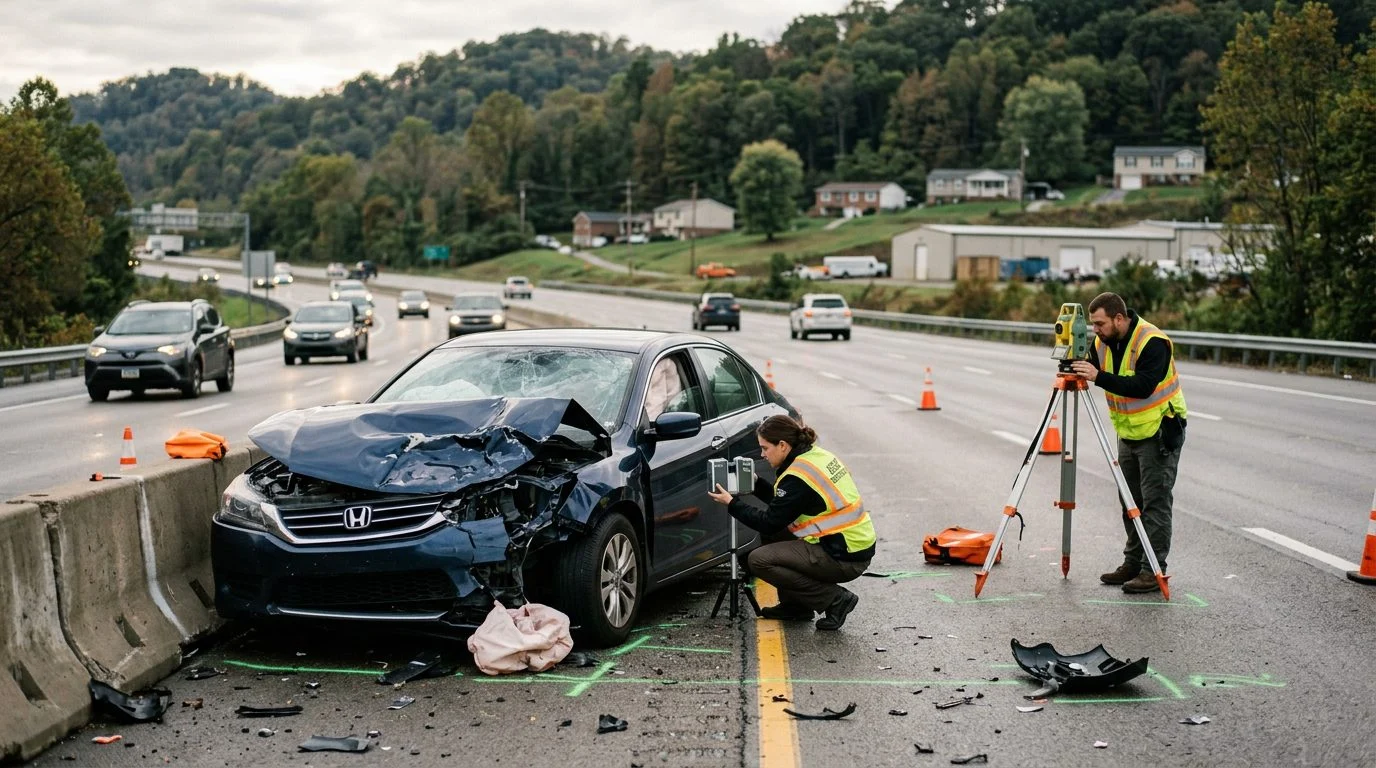
Fault is usually sorted out from the facts. Crash reports, witness statements and vehicle data all matter. Under W. Va. Code § 17C-4-7, an investigating officer must prepare a crash report within 24 hours after completing the investigation for a crash on a public street or highway resulting in bodily injury to, or death of, any person or total property damage to an apparent extent of $1,000 or more. That report is one source of information, not a final ruling on fault. If another driver was at fault, that driver’s insurer may dispute fault or the size of the claim.

Next steps if your family is facing a catastrophic injury or wrongful death
If you are reading this while a loved one recovers from a brain or spinal cord injury, or after a sudden death, you may be carrying a lot at once. You may be doing this research on someone else’s behalf while medical care and family decisions are still unfolding.
The firm handles car accident, truck accident and commercial vehicle claims. It also handles catastrophic injury, traumatic brain injury, spinal cord injury and wrongful death matters. We serve injury victims across West Virginia, including Charleston, Huntington, Morgantown, Wheeling, Martinsburg, Parkersburg, Beckley, Clarksburg, Fairmont and Weirton.
If you want to know how these damages could apply to your family’s situation, request a free case review with the firm. You do not have to work through these questions alone.