
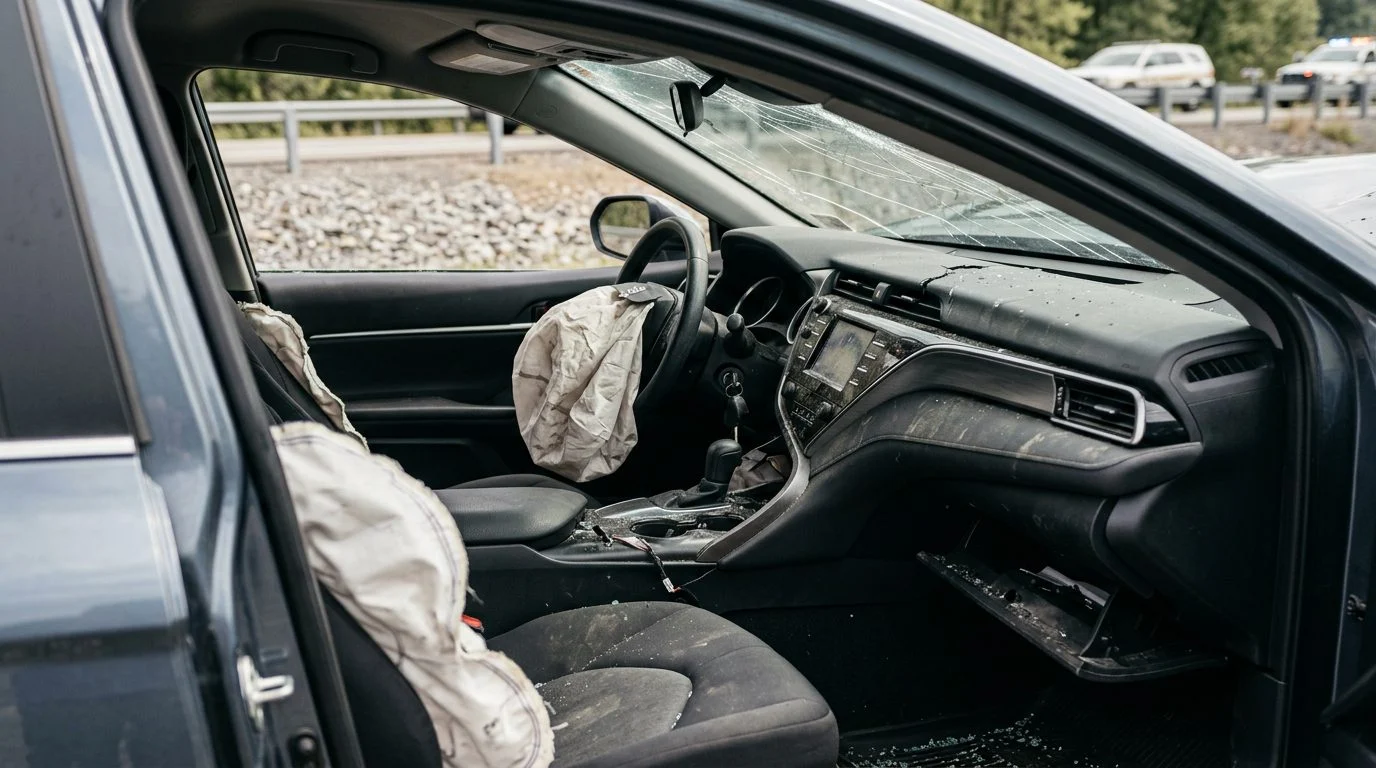
Head-On Collision Injury Lawyers | West Virginia
Hurt in a Head-On Collision? You Do Not Have to Face the Aftermath Alone
Big Bubba Injury Law represents people seriously injured in head-on crashes with cars and commercial trucks, and families in wrongful death cases, across West Virginia. We serve Charleston, Huntington, Morgantown, Wheeling, Martinsburg, Parkersburg, Beckley, Clarksburg, Fairmont, Weirton and communities statewide.
Statewide Reach
55
West Virginia counties we serve
Cars & Trucks
Head-on crash claims we handle
Published October 25, 2026
A head-on collision injury lawyer in West Virginia represents people hurt when two vehicles crash front to front, and families who lose a loved one in one. Big Bubba Injury Law handles car accidents, truck and commercial vehicle accidents, catastrophic injuries, traumatic brain injury, spinal cord injury, and wrongful death. This page explains how these claims work and which deadlines matter most.
What a Head-On Collision Claim Involves
A head-on collision happens when two vehicles strike each other front to front. Often, one driver crosses the center line or drifts into oncoming lanes.
These crashes happen on two-lane and rural roads across West Virginia, where there may be no median between opposing traffic. Frontal impacts can cause serious injuries, and recovery can take months or longer.
This page is written for three kinds of readers:
- Injured drivers and passengers
- Family members acting for someone who cannot speak for themselves
- Families facing a wrongful death
If your crash involves one of these situations, the firm handles car accidents, truck and commercial vehicle accidents, catastrophic injuries, traumatic brain injury, spinal cord injury, and wrongful death claims.
If a head-on crash changed your life or a loved one's, you don't have to sort out the next steps alone. Tell Big Bubba what happened, and the firm can talk through whether someone may be responsible. Talk it through with Big Bubba — the first case review is free, confidential, and carries no obligation.

Catastrophic Injuries Common in Head-On Crashes
Head-on crashes can cause catastrophic injuries. These are injuries that change a person’s life in lasting ways. Common examples include:
- Traumatic brain injury, including concussion and other injuries to the brain
- Spinal cord injury, which can cause partial or complete loss of movement or feeling, depending on where the spine is hurt
- Multiple fractures, crush injuries, internal organ damage, and amputation
Symptoms from brain and spinal injuries can change over time. Keep every follow-up visit, and write down new symptoms as they appear. Your notes can help your care team and the firm see the full picture.
Medical records matter in any claim. Emergency room notes, imaging reports, and treatment records show how the injury happened and how it has affected daily life. Keep copies of everything you receive from your providers.
Who May Be Responsible, Including Commercial Vehicles
The at-fault driver is the usual starting point. Other parties can share responsibility, depending on the facts.
Common causes include speeding, distraction, impairment, and fatigue. Truck and commercial vehicle crashes add another layer of federal rules:
- Under 49 C.F.R. § 395.3, except as otherwise provided in § 395.1, a driver of a property-carrying commercial motor vehicle may not drive after a period of 14 consecutive hours after coming on duty following 10 consecutive hours off duty, and may drive a total of 11 hours during that 14-hour period.
- Fatigue rules bar a driver from operating a commercial vehicle when fatigue, illness, or any other cause impairs the driver’s ability or alertness, or is likely to, so that it is unsafe.
- Maintenance rules require motor carriers to systematically inspect, repair, and maintain their vehicles.
West Virginia law also addresses employers. The statute defines an “employer defendant” to include a vehicle’s owner, the operator’s employer, and others with legal control of the vehicle. Under W. Va. Code § 55-7-32, in a civil action for personal injury or wrongful death involving the operation of a commercial motor vehicle requiring a commercial driver’s license, the maximum amount recoverable by each person injured or killed against the employer defendant as compensatory damages for noneconomic loss may not exceed $5 million for each occurrence, regardless of the number of claims or theories of liability, and beginning January 1, 2026, that limit increases each year to account for inflation by the Consumer Price Index published by the United States Department of Labor, not to exceed 150 percent of the amounts specified in that subsection. That cap is not available to an employer defendant without at least $3 million in commercial motor vehicle insurance in the aggregate for each occurrence, and the cap does not apply if the civil action arises from an incident for which an operator or driver is found to have one of the circumstances listed in subsection (d) of W. Va. Code § 55-7-32.
Evidence often decides these cases. Crash reports, vehicle data, witness statements, scene photos, and roadway conditions all matter.
Wrongful Death After a Head-On Collision
When a crash causes a death, West Virginia law requires every such wrongful death action to be brought by and in the name of the personal representative of the deceased person. The personal representative is the person formally appointed to handle the estate.
The statute says the jury or court may award such damages as it may seem fair and just. These include:
- Sorrow, mental anguish, and solace, including companionship, guidance, and advice from the person who died
- Reasonably expected loss of income and of services, care, and support the person provided
- Expenses for the care, treatment and hospitalization of the decedent incident to the injury resulting in death
- Reasonable funeral expenses
The jury or court decides how damages are divided among survivors. Those can include a spouse, children, parents, and people who depended on the person financially.
How a Head-On Collision Claim Typically Unfolds
A typical claim moves from a first conversation to evidence work, medical documentation, insurance talks, and then either settlement discussions or a lawsuit. Timelines vary by case, and no outcome can be promised.
- Free case review. This is a confidential first meeting with no obligation to continue. You describe what happened, and the firm reviews the basic facts.
- Early evidence. The firm can request crash reports, vehicle data, and medical records, because some of this information can be lost or overwritten over time.
- Medical documentation. Records from treating providers help show the full scope of injuries as they develop.
- Insurance contact. West Virginia law bars certain settlement talks, release requests, and statement requests during the first 20 days after an injury, while the injured person is in the hospital or partially or totally unable to engage in usual work, and it contains exceptions, including one for a person acting or intending to act for and on behalf of the injured person obtaining a statement upon the injured person’s express request.
- Investigation and demand. The firm gathers facts about losses and presents a demand to the responsible insurer.
- Negotiation or lawsuit. If a resolution isn’t reached, the claim may move into litigation.
West Virginia Deadlines and Fault Rules
West Virginia generally requires personal injury claims to be brought within two years, and exceptions may apply. Under W. Va. Code § 55-2-12, that two-year period runs from when the right to bring the action arose.
Under W. Va. Code § 55-7-6, a wrongful death action generally must be commenced within two years after the person’s death, subject to the provisions of W. Va. Code § 55-2-18. W. Va. Code § 55-7-6 reads: “The provisions of this section shall not apply to actions brought for the death of any person occurring prior to July 1, 1988.” Other rules can affect timing, so the facts of each case matter.
West Virginia also uses comparative fault, which divides responsibility by percentage. Under W. Va. Code § 55-7-13a, recovery is based on each person’s percentage of fault. That means partial fault can reduce what someone recovers.
If the other driver left the scene, the crash can still be investigated. Crash reports, witness accounts, and vehicle data may help identify that driver. Evidence can disappear over time, so acting early helps.
Not sure what your next step is?
Talk it through with Big Bubba — the first case review is free, confidential, and carries no obligation.
Frequently Asked Questions About Head-On Collision Claims
Can I still have a claim if I was partly at fault?
Possibly. Under West Virginia law, fault chargeable to you does not bar recovery unless your fault is greater than the combined fault of all other persons responsible, and if your fault is less than theirs, your recovery is reduced in proportion to your degree of fault (W. Va. Code § 55-7-13c).
Should I talk to the other driver’s insurance company?
Insurers may ask for a recorded statement early. West Virginia law (W. Va. Code § 55-7-11a) limits certain settlement talks and statement requests during the first 20 days after an injury when the injured person is an inpatient in a hospital or is partially or totally unable to engage in his or her usual trade, profession or occupation.
What if the other driver fled the scene?
Evidence such as crash reports, witness accounts, and vehicle data may help identify the driver. Acting early helps preserve that evidence.
What if my injury did not show up right away?
Some brain and spinal injuries cause symptoms that appear later. Keep your follow-up visits and write down any new symptoms.
Which areas does the firm serve?
We serve all 55 West Virginia counties, including Charleston, Huntington, Morgantown, Wheeling, Martinsburg, Parkersburg, Beckley, Clarksburg, Fairmont, and Weirton.
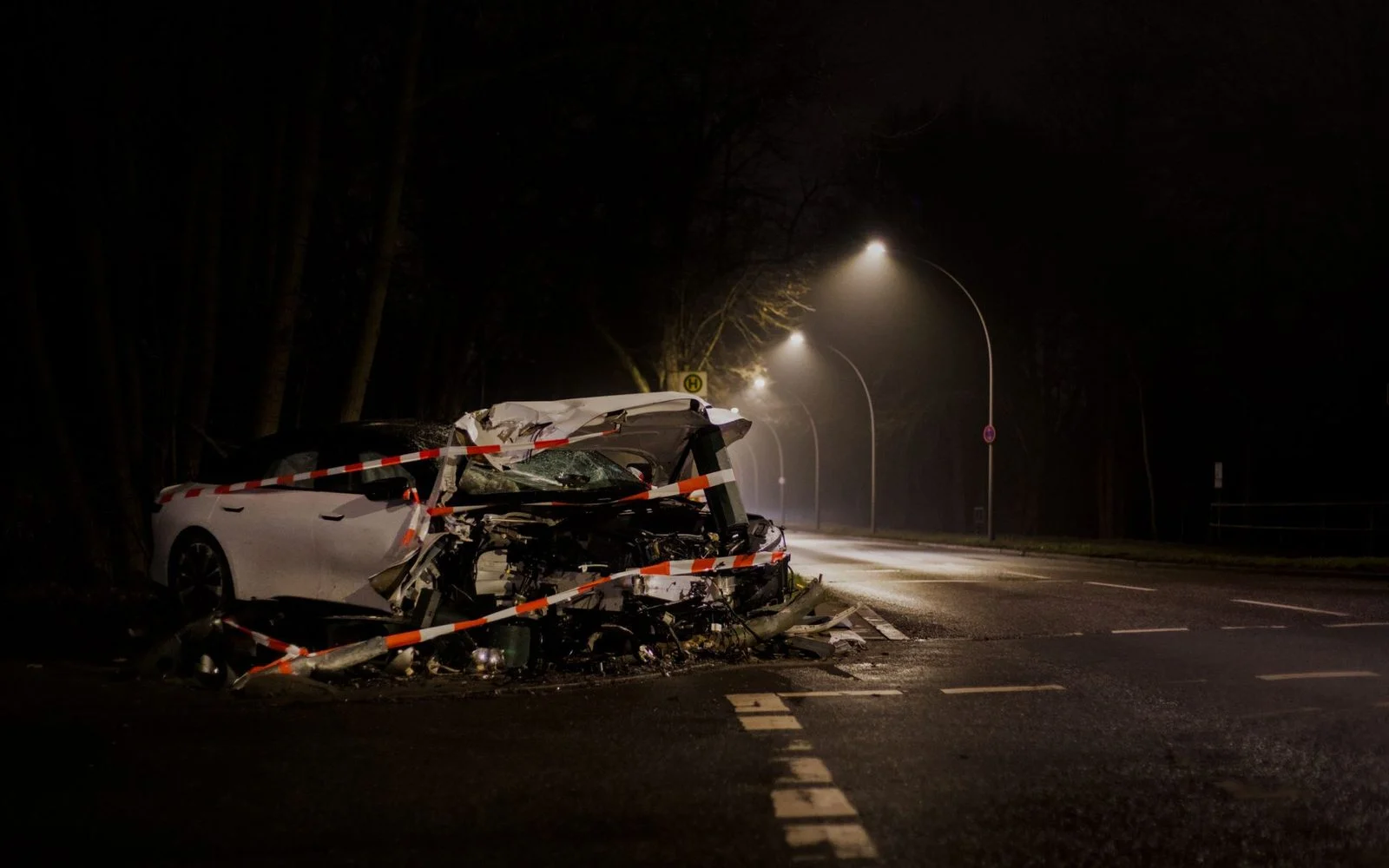
Keeping Records After a Crash
Facing a crash you did not choose is hard. You may be caring for an injured loved one, sorting through insurance calls, or still recovering yourself.
A free case review is a confidential first conversation about the crash, the injuries, and possible next steps. It comes with no obligation to continue.