
Brain Injury | Serving West Virginia
How Doctors Measure Brain Injury Severity After a Crash
A plain-language guide to the scores, scans and symptom tracking doctors use to understand a brain injury, and why the early picture can change over time.
Published October 23, 2026
Doctors measure brain injury severity after a crash with three main tools: a bedside scale called the Glasgow Coma Scale, brain imaging such as CT and MRI scans, and symptom tracking over time. Each tool shows a different part of the picture. This page explains how doctors measure brain injury severity after crash injuries, one term at a time, in the order the medical team uses them.
What Brain Injury Severity Means in the Hospital
Doctors grade severity by asking how well the brain is working, not only how it looks on a scan. Severity describes function. It asks whether a person stays awake, responds, speaks clearly and follows directions.
Traumatic brain injury is an injury to the brain caused by a blow, jolt or penetrating force to the head. The Brain Trauma Foundation prehospital guidelines describe how these injuries occur and how they are assessed. Crashes are one way these injuries happen. The West Virginia DMV cargo safety guidance notes that unsecured cargo can cause serious or catastrophic crashes in the state.
Clinicians often sort these injuries into three broad groups: mild, moderate and severe. A group is a starting point. The medical team can move a patient to a different group as more information comes in. The label describes where the injury stands at that point. It does not predict how a person will recover.
Not sure what your next step is?
Talk it through with Big Bubba — the first case review is free, confidential, and carries no obligation.
The Glasgow Coma Scale, Explained Term by Term
The Glasgow Coma Scale is a bedside test that gives a total score from 3 to 15. A lower total means a more serious level of impaired consciousness, which is how aware and responsive a person is.
The score has three parts. Eye opening checks whether the person opens their eyes on their own, to speech or to pain. Verbal response checks whether they speak and whether their words make sense. Motor response checks whether they follow simple commands or move on purpose. Each part gets its own score, and the three are added together.
Doctors commonly group the total into the three categories. A score of 13 to 15 is often called mild, 9 to 12 moderate, and 8 or lower severe. Doctors use these bands as a guide, alongside imaging and symptoms.
Families may hear more than one number. The score is recorded at different times, such as at the scene, on arrival and after sedating medicine is changed. Each number reflects one moment. The trend across hours matters as much as any single reading. The Brain Trauma Foundation guidelines cover how this assessment is done early in care.
Imaging: What CT and MRI Scans Show
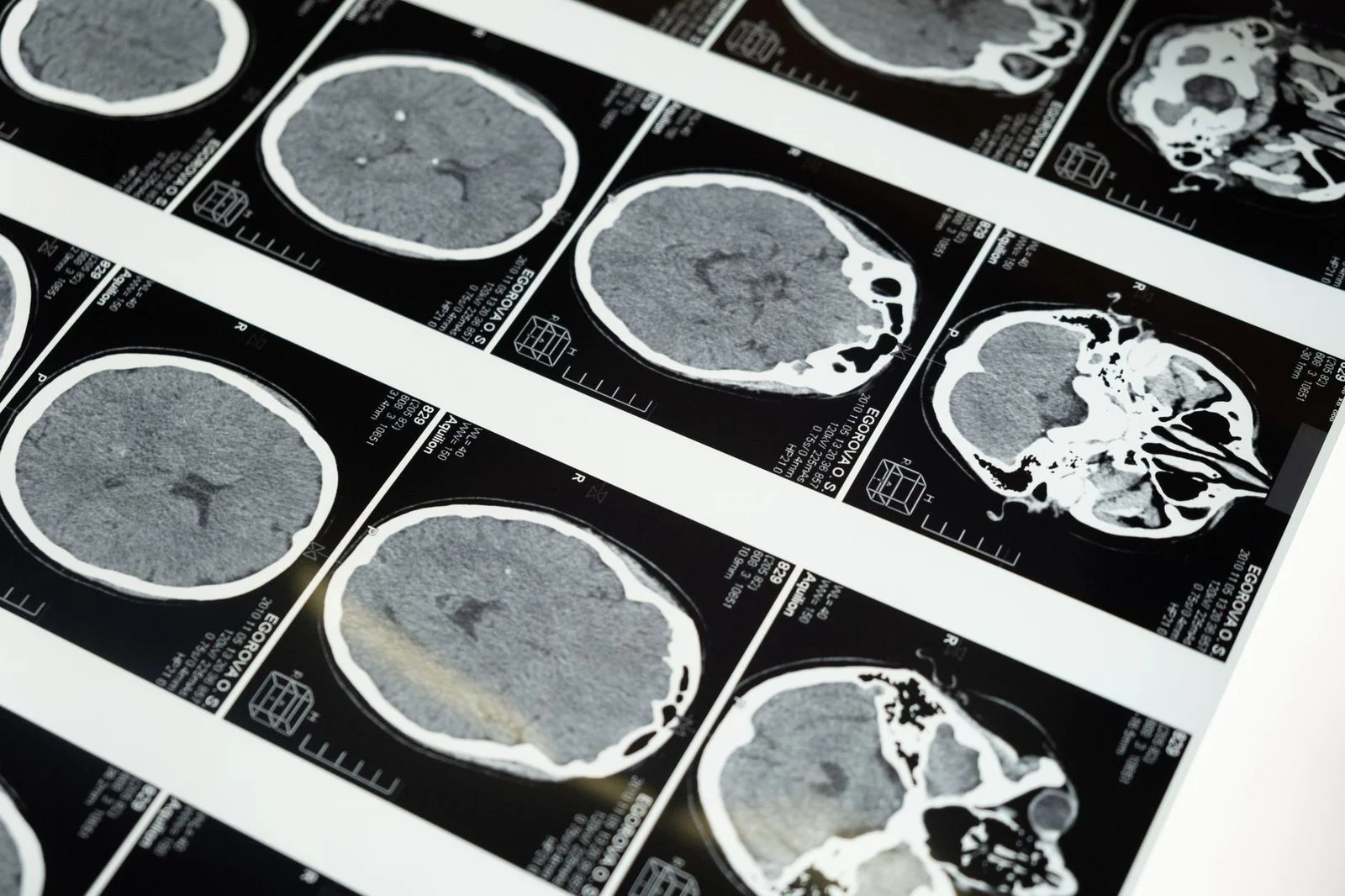
A CT scan is often the first brain scan after a crash. It’s fast, and it shows bleeding, skull fractures and swelling. Doctors use it early because they need answers quickly.
An MRI takes longer but can show finer changes in brain tissue. It can reveal diffuse axonal injury, which is damage to the long nerve fibers that carry signals between brain areas. Some of these changes are easier to see on MRI than on CT.
Imaging is read alongside the clinical exam. A contusion is a bruise on brain tissue. A hemorrhage is bleeding. Families often hear these words in early reports, and they describe what the scan found in one location.
A scan can look normal while symptoms continue. Doctors weigh the exam, the symptoms and the scan together, so a clear image does not settle the question alone.
Post-Traumatic Amnesia and Ongoing Symptom Tracking
Post-traumatic amnesia is the period after injury when a person cannot form new memories. Clinicians track how long it lasts, because its length helps show how serious the injury was.
Doctors also record loss of consciousness, which is a period when the person is not awake, and confusion. The chart timeline matters. It shows when the person first woke, when they knew where they were and when speech returned.
Symptoms continue to be tracked over weeks and months. Common ones include headaches, memory problems, balance issues, sleep changes and mood changes. Doctors ask about these at follow-up visits, because some symptoms appear days or weeks after the crash.
Family members can help. A simple symptom diary, with dates and short notes on memory lapses, mood shifts, sleep and headaches, can add useful detail to the medical record. Bring it to appointments.
Cognitive Testing and Longer-Term Recovery Measures
Neuropsychological testing measures memory, attention, processing speed and problem solving. It usually happens after the early phase has passed, once the person can sit through the tasks.
These tests show how the injury affects daily life, including work, school, driving and managing bills. A person can do well on one task and still struggle at work. The results give a picture of function over time.
The Glasgow Outcome Scale is a broader measure of overall recovery. It places a person into broad outcome levels, from death to good recovery. Doctors and researchers use it to describe recovery after head injury.
Results change as recovery continues. A grade given early may not describe the long-term picture, so repeat testing is common. Families should expect the picture to shift over time.
Why These Grades Matter for Families and Medical Records
Severity grades guide the medical team’s plan for treatment, monitoring and follow-up care. The same terms and scores appear across hospital and clinic records. Families can ask to review those records.
Earlier health history is often part of the medical picture, so doctors may note prior conditions alongside the injury. Seizures are one symptom doctors watch closely after a brain injury. Questions about who can make health decisions often come up alongside severity grading too.
The firm’s pages on catastrophic injury claims, pre-existing conditions, seizures and decision-making cover these topics in more depth. Under W. Va. Code § 55-2-12, a personal injury lawsuit generally must be filed within two years from when the cause of action accrues, typically the date of injury.
How do doctors measure brain injury severity after a crash?
Doctors combine the Glasgow Coma Scale, imaging and symptom tracking over time. Each tool adds a different piece of the picture.
What is the Glasgow Coma Scale score range?
The total runs from 3 to 15. A lower total means a more serious level of impaired consciousness.
Can a normal scan still mean a brain injury?
A scan can look normal while symptoms continue. Doctors weigh the exam and symptoms along with the scan.
Not sure what your next step is?
Talk it through with Big Bubba — the first case review is free, confidential, and carries no obligation.
Talking Through Your Situation With the Firm
If your family member is in the hospital or rehabilitation after a crash, the chart may list a Glasgow Coma Scale score, a scan result and a severity term you don’t fully understand. You may also be wondering what comes next. The firm handles car accidents, commercial truck accidents and catastrophic brain injury cases. You can request a free case review to talk through what happened and bring your questions. The review is confidential and carries no obligation to continue.