
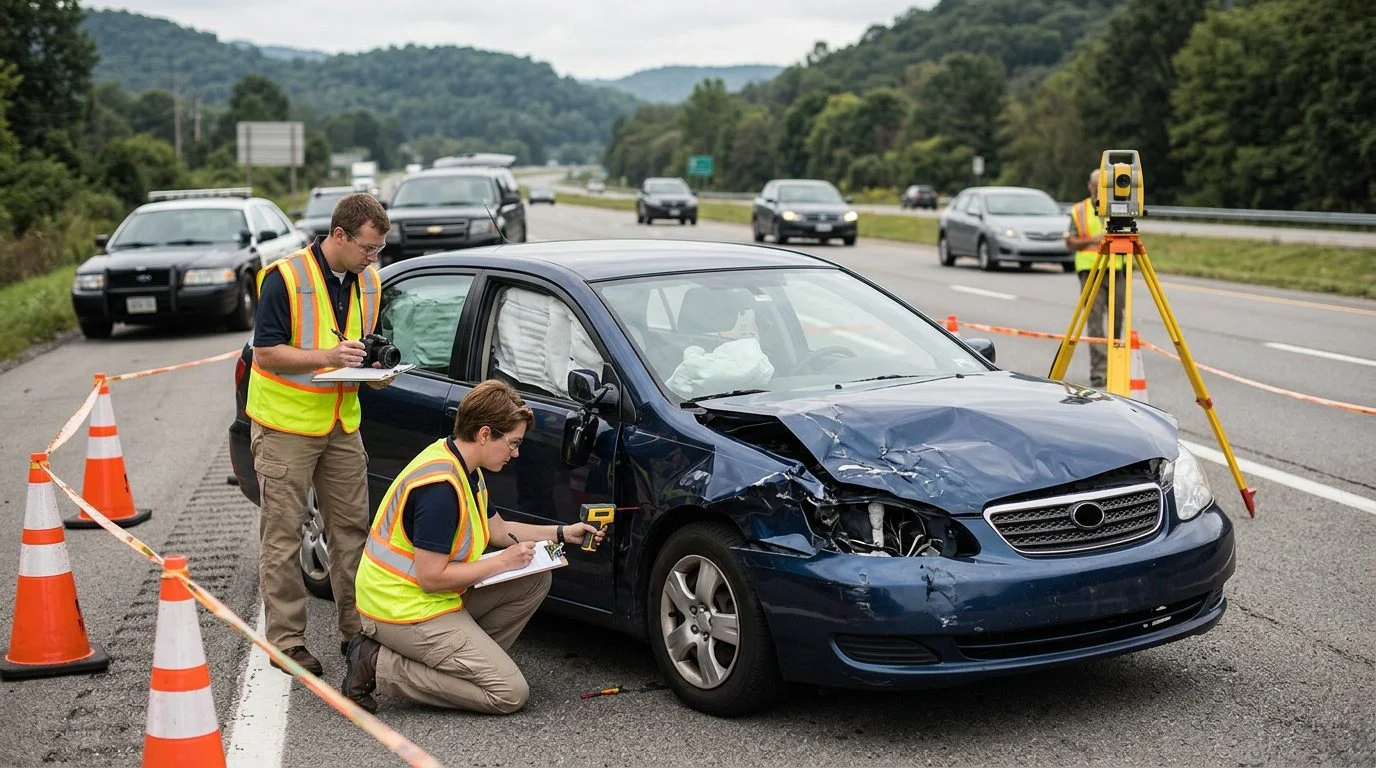
Catastrophic Injuries | West Virginia
In-Home Care After a Catastrophic Injury in West Virginia
A serious crash injury can mean daily care at home for months or years. Big Bubba Injury Law helps injured people and their families understand what care is needed and how to plan for it.
Where We Serve
55
West Virginia counties served
Free
First case review, confidential and with no obligation
Published October 26, 2026
Several sources can help pay for in-home care after a catastrophic injury in West Virginia. These include health insurance, Medicare, Medicaid waiver programs, auto or commercial insurance, workers’ compensation, and sometimes an injury claim against the person at fault. Which sources apply depends on the injury, the care needed, and the coverage each person has. This guide explains each one in plain language.
Why In-Home Care Often Becomes a Family Question After a Catastrophic Injury
A catastrophic injury can leave a person needing daily help at home for a long time. A serious traumatic brain injury can affect memory, balance, and judgment. A spinal cord injury can cause paralysis or limited use of the arms or legs. Either way, a loved one may need someone close by.
Home care is often arranged while the family is still in crisis. Hospital stays are short, and discharge plans come quickly. That’s why knowing the possible sources of payment early matters. Choices made in the first weeks can shape which services are available later.
This page offers general information. It is not a decision about one person’s coverage. The answer depends on the facts: the injury, the doctor’s orders, the policies involved, and how the crash happened.
Not sure what your next step is?
Talk it through with Big Bubba — the first case review is free, confidential, and carries no obligation.
Home Health Care, Custodial Care, and Hospice: Why the Type of Care Affects Who Pays
Skilled home health care is nursing or therapy that a doctor orders and a licensed provider delivers. Custodial care is help with everyday tasks, such as bathing, dressing, eating, and getting around. The difference matters because insurers and government programs often treat these two kinds of care differently.
Hospice is a separate category. It focuses on comfort and support near the end of life. It is not the same as ongoing in-home care for someone who is recovering or living with a lasting injury. Short-term inpatient care is also its own category.
Families often mix these terms together. Ask the doctor to describe the exact service being ordered. Clear written orders help insurers understand the medical need.
Health Insurance and Medicare as Starting Points for Home Care Coverage
A private health plan is often the first source families check. It may cover home health services when a doctor orders them and the services meet the plan’s rules. Plan rules vary, so the exact policy terms matter.
Long-term custodial help, such as daily bathing or dressing assistance, is generally not covered by Medicare.
Keep a copy of every denial letter. The letter should explain the reason the plan gave. Physician orders and care notes often shape what gets approved.
Medicaid and Home and Community-Based Services in West Virginia
West Virginia Medicaid can pay for some in-home services through home and community-based waiver programs. These programs help eligible people stay at home instead of moving into a facility.
The state’s Traumatic Brain Injury Waiver provides home-based support for eligible people with a brain injury. Nationally, Medicaid also funds home- and community-based long-term services and supports.
Benefits a family already receives can come up in an injury case. Families should understand this before relying on any one program.
Auto Insurance, Commercial Coverage, and Workers’ Compensation
When another driver caused the crash, that driver’s liability insurance can be a source of payment for future care through a claim. The injured person’s own auto policy may also help. Many policies include medical payments coverage or underinsured motorist coverage. West Virginia law lets an insured recover, through an endorsement, sums legally recoverable from the owner or operator of an uninsured or underinsured motor vehicle.
In a truck crash, the carrier’s insurance can be part of the picture. Federal rules set minimum financial responsibility levels for motor carriers. For example, for-hire carriers hauling nonhazardous property across state lines must meet a $750,000 minimum for vehicles of 10,001 pounds or more.
If the injury happened on the job, workers’ compensation may apply. Its rules are separate from car and truck claims, and they affect which benefits are available.
How Future In-Home Care Needs Are Counted in an Injury Claim
A claim for a catastrophic injury can include future care needs, not only bills already paid. Those needs may include nursing, therapy, equipment, and daily help at home. The amount depends on the medical facts and what doctors say the person will need.
A life care plan is often used to estimate those future needs. It is a written projection of future medical and care needs, usually prepared with medical and cost input.
Fault also matters. West Virginia uses modified comparative fault (W. Va. Code § 55-7-13c). A plaintiff’s fault does not bar recovery unless it is greater than the combined fault of all other persons responsible. Otherwise, recovery is reduced in proportion to the plaintiff’s degree of fault. Each defendant generally pays only its own share.
The outcome of any claim cannot be predicted.
Not sure what your next step is?
Talk it through with Big Bubba — the first case review is free, confidential, and carries no obligation.
Records and Steps Families Can Start Now
Start one folder for records as soon as possible. Useful items include physician orders for home health, care logs, receipts, insurer letters and denials, and the crash report. Together they show what care was ordered, what was paid, and what was refused.
Track daily care hours in a simple log. Write down who helped, what they did, and what help is still missing. A log like this shows where the gaps are and is easy to share with a doctor or claim representative.
Timing matters too.
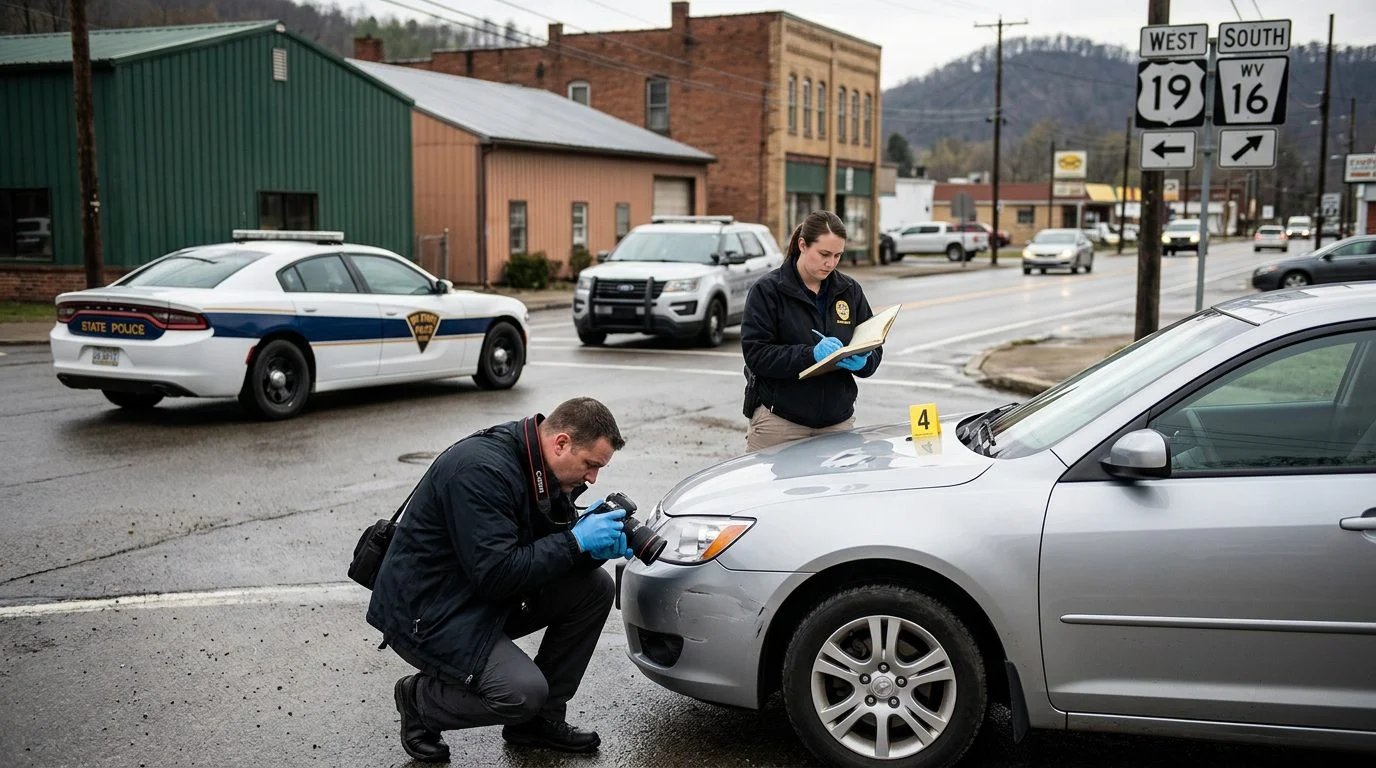
Talking With the Firm About Your Family’s Care Decisions
If you’re reading this for someone who can’t manage it alone, you’re not the only one facing these questions. A crash you didn’t choose can leave a family handling medical orders, insurance letters, and care schedules all at once.
The firm handles car accidents, truck accidents, commercial vehicle accidents, catastrophic injuries, traumatic brain injuries, spinal cord injuries, and wrongful death claims. We serve injury victims and families across West Virginia, including Charleston, Huntington, Morgantown, Wheeling, Martinsburg, Parkersburg, Beckley, Clarksburg, Fairmont, and Weirton. You can learn more on our catastrophic injuries page or request a free case review to talk through your family’s situation.
Frequently Asked Questions
Who pays for in-home care after a car accident in West Virginia?
Health insurance, Medicare, Medicaid waivers, auto coverage, and sometimes a claim against the at-fault driver can all help. Which ones apply depends on the facts.
Home Care Needs After a Catastrophic Injury
Is there a West Virginia waiver for in-home care after a brain injury?
Yes. The state’s Traumatic Brain Injury Waiver provides home-based support for eligible people.
How long do families have to file an injury claim in West Virginia?
The state’s personal injury deadline is generally two years after the right to bring the action accrues (W. Va. Code § 55-2-12).