
West Virginia Car Accident Guide
Feel Fine After a Car Accident? Get Checked Anyway
Some injuries, including concussions and spinal injuries, can take hours or days to show symptoms. Learn why an early medical checkup matters after a crash in West Virginia, and how Big Bubba Injury Law can help you understand your next steps.
Published October 25, 2026
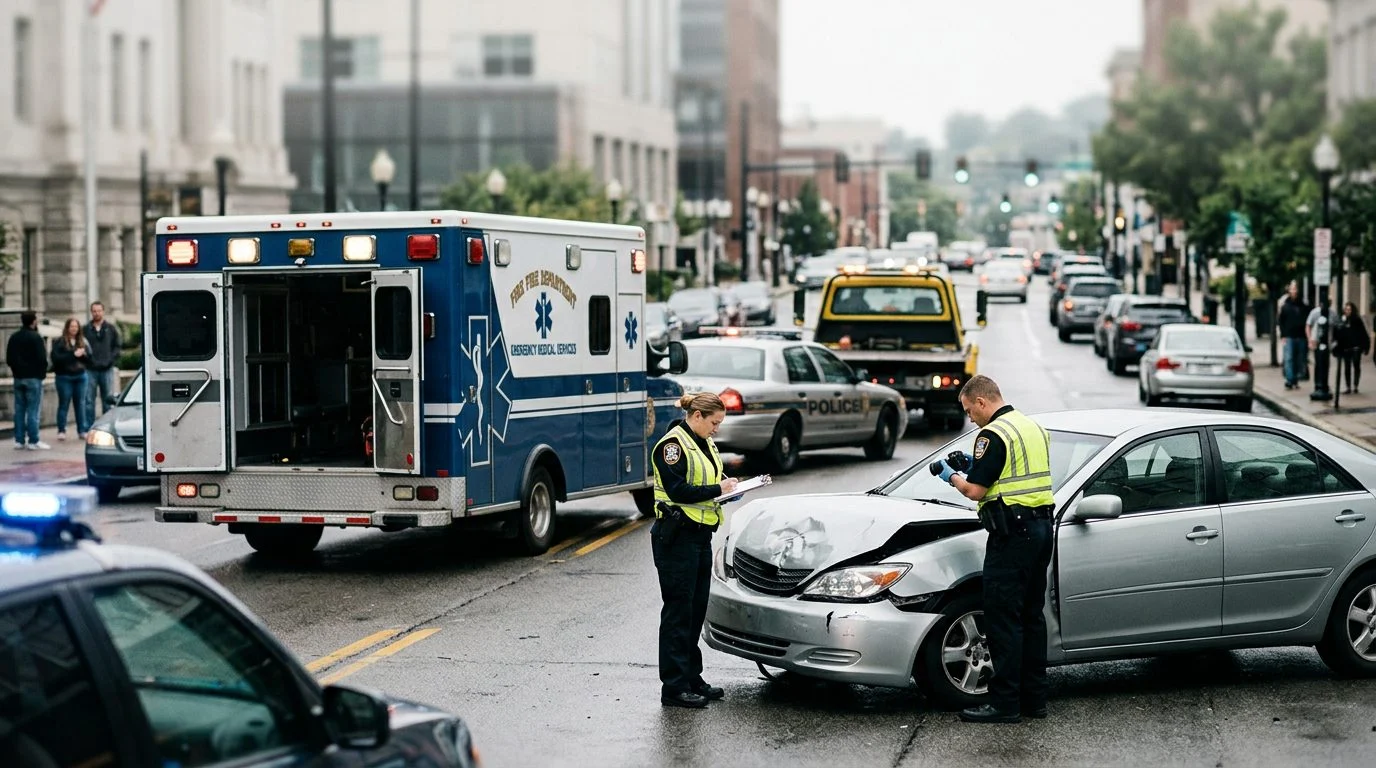
Do I need to see a doctor after a car accident if I feel fine? Yes, it is wise to get a medical evaluation even when you feel okay. Feeling fine right after a crash does not prove you were not hurt.
This guide explains why symptoms can be slow to appear, when to get care, and which warning signs need emergency help. It is written for West Virginia drivers, passengers, and families who are helping someone hurt in a car or commercial truck crash.
Why Feeling Fine Right After a Crash Does Not Settle the Question
Feeling okay at the scene is useful information, but it is not a medical check. After a collision, the body releases adrenaline and can go into shock. These reactions can dull pain and make people feel more capable than they are.
Someone may walk away, drive home, and only notice stiffness or headaches a day later. Many injuries, including soft-tissue neck and back injuries and some head injuries, are not always obvious at the scene. You do not need to diagnose yourself. A doctor can check what you cannot see or feel on your own, and that answer is better than a guess.
If you are still weighing medical and legal questions after a crash, our team offers a free case review, confidential and with no obligation to continue. Talk it through with Big Bubba — the first case review is free, confidential, and carries no obligation.
How Long Should You Wait to See a Doctor After a Car Accident?
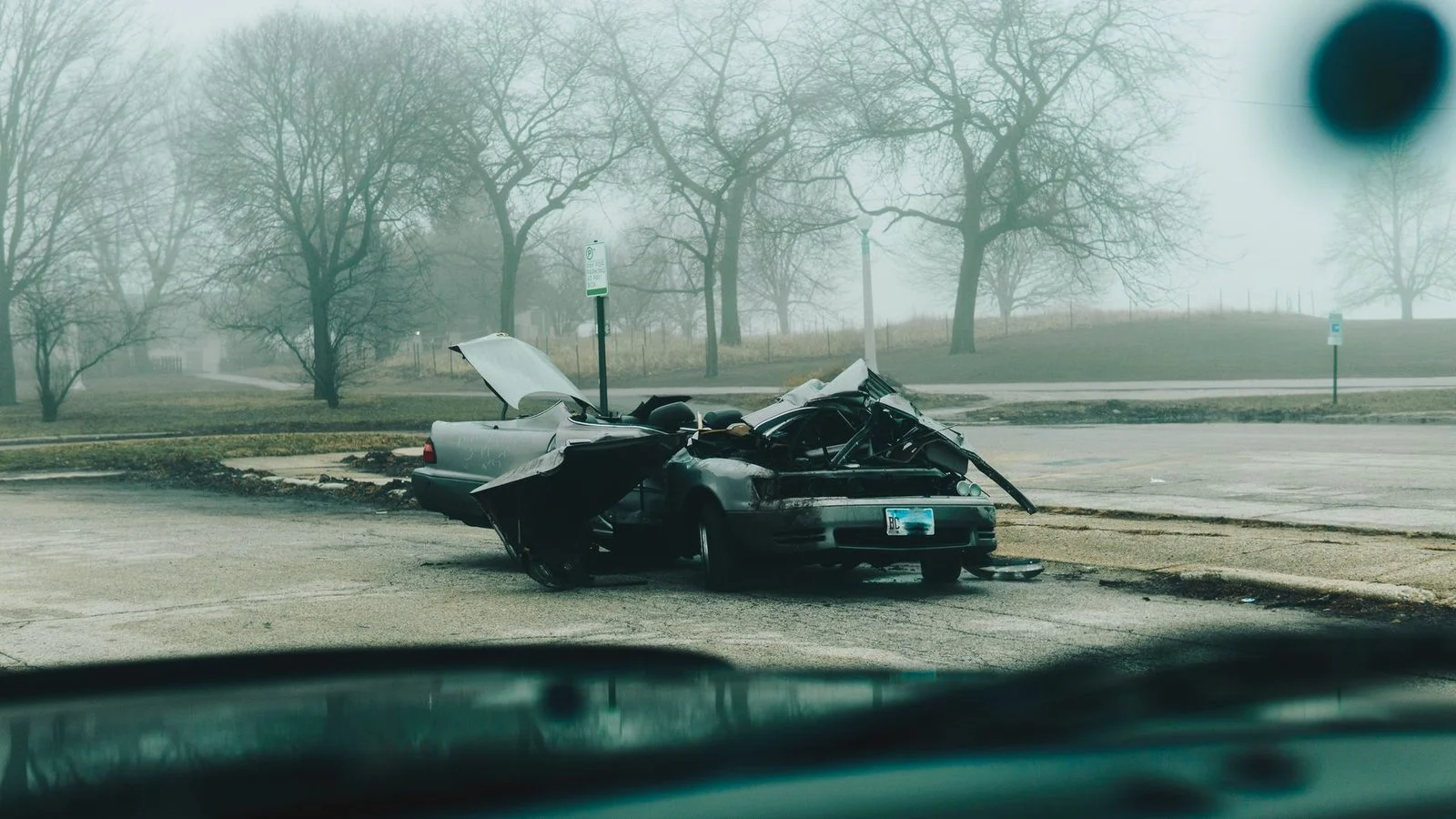
The safest answer is to get checked promptly, not after days of wondering how things will feel. Medical guidance generally favors evaluation as soon as reasonably possible after a crash. Same-day evaluation makes sense if you have any pain, dizziness, or concern about how you feel. Do not wait for an appointment to feel perfectly right. Simply get checked.
Waiting can make it harder to connect symptoms to the crash later. Federal truck rules make a related point. They state that nothing in the post-accident testing rules requires delaying necessary medical attention for injured people (federal post-accident testing rules). If you are unsure, call a doctor’s office or go to an emergency department and describe the crash.
Symptoms That Can Appear Hours or Days Later
Some symptoms can appear hours or days after a crash, even when you felt fine at first. Neck and back pain, stiffness, and headaches often develop over the following day or days. This pattern is commonly described with whiplash-type injuries.
Concussion symptoms can also show up later. These may include headache, fogginess, trouble concentrating, sleep changes, sensitivity to light or noise, and irritability. Internal injuries can be hard to detect without testing, which is why an evaluation matters even when you feel well.
Symptoms can also change over time. A symptom that seems minor one day may feel different the next. Writing down what you notice, with dates, helps you describe it to a provider later.
Emergency teams check alertness and responsiveness first. Our page on the Glasgow Coma Scale after a crash explains how that scoring works.
Warning Signs That Need Emergency Care Right Away
Call 911 or go to the nearest emergency department if you notice any of these signs. Do not wait for them to pass. Warning signs can also be subtle, so if something feels wrong, say so to the emergency team.
- Severe or worsening headache, repeated vomiting, confusion, or slurred speech
- Loss of consciousness, even briefly
- Numbness, tingling, weakness, trouble walking, or loss of bladder or bowel control, which can signal spinal cord involvement
- Chest pain, shortness of breath, severe belly pain, or a seatbelt bruise across the stomach or chest
Do not drive yourself if you feel drowsy, dizzy, or unsure of your condition. Ask someone else to drive, or call 911 if no one is available.
What Doctor Should You See, and What to Tell Them
For a recent crash with any doubt, an emergency department is a good place to start. Emergency staff can evaluate acute injuries and decide whether imaging is needed right away.
A primary care physician can follow up on ongoing pain, headaches, and recovery over the next few weeks. A bone and joint doctor, called an orthopedist, may check neck, back, and joint problems. A neurologist, a doctor for the brain and nerves, may check head or nerve symptoms that keep going.
Tell every provider exactly how the crash happened. Say where you were hit, where you were sitting, and whether you hit anything. Name every symptom, even small ones. A complete history helps the provider understand what may be happening.
Why Your Medical Records Matter if a Claim Follows
A dated medical record is one of the clearest ways to connect symptoms to a crash. Records show when symptoms began and what the provider found. Keep copies of visit summaries, imaging reports, prescriptions, and work notes.
Follow the treatment plan your provider gives you. Consistent care supports recovery and builds a clear record. West Virginia generally requires a personal injury lawsuit to be filed within two years after the right to bring it has accrued (W. Va. Code § 55-2-12).
In commercial truck crashes, other evidence such as driver logs, testing records, and vehicle data can matter too. Read our guides on truck driver drug testing after a crash and preserving evidence after a truck crash.
Not sure what your next step is?
Talk it through with Big Bubba — the first case review is free, confidential, and carries no obligation.

If You Are Deciding What to Do Next
You can make your medical decisions first, then decide whether to talk about the crash. Many readers are dealing with pain, worry, and unfamiliar medical and insurance questions. Some are caring for a family member who was hurt.
Serious injuries, including traumatic brain injury and spinal cord injury, can take time to show their full effects. Early medical records help everyone understand where things stand.
We serve Charleston, Huntington, Morgantown, Wheeling, Martinsburg, Parkersburg, Beckley, Clarksburg, Fairmont, Weirton, and communities across West Virginia.
Can you have a concussion and feel fine after a car accident?
Yes. Concussion symptoms can be delayed, so feeling fine right away does not rule one out.
Is it better to wait a few days to see a doctor?
Getting checked promptly is the safer choice. Waiting can make it harder to link symptoms to the crash later.
If you are still weighing your options after a crash that hurt you or someone you love, you can request a free case review. It is confidential, with no obligation to continue, and you can take it at your own pace.