
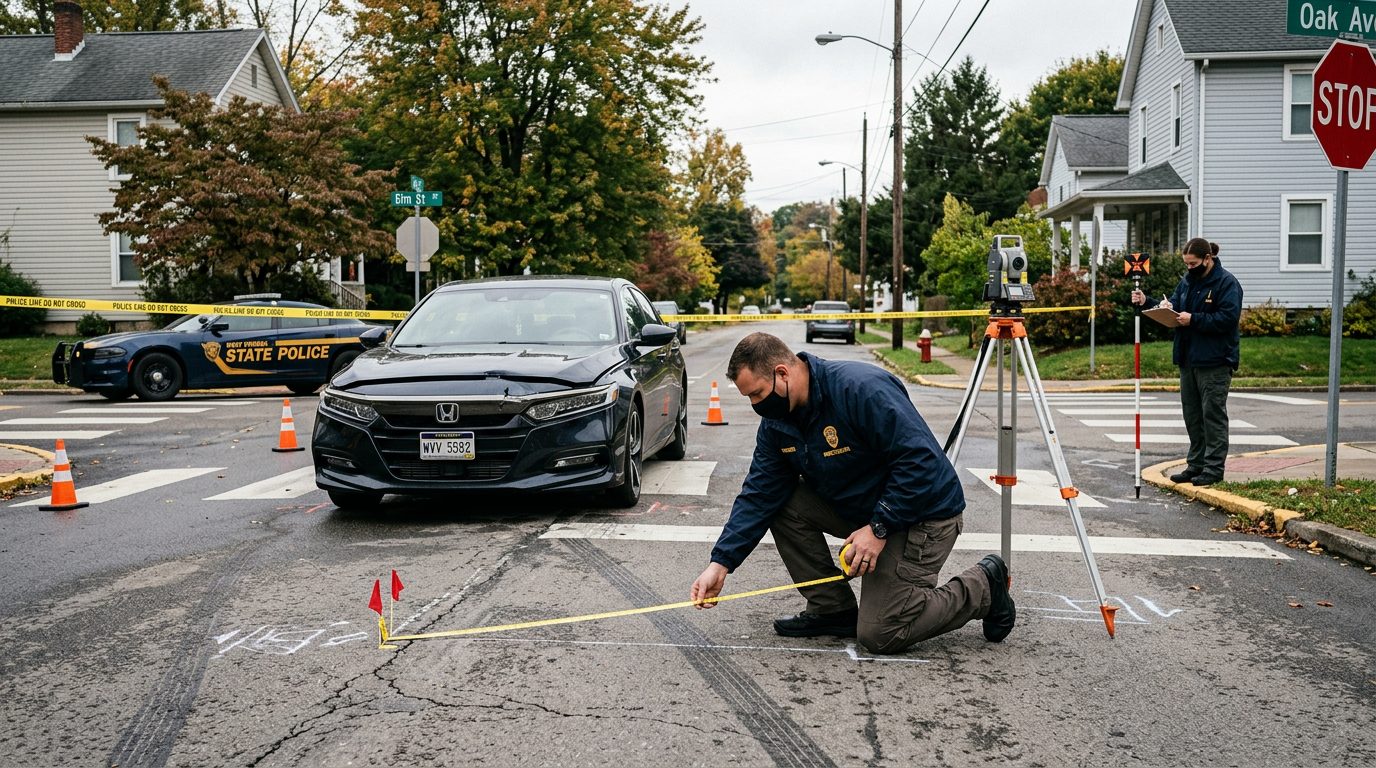
Brain Injury Claims in West Virginia
Seizures After a Brain Injury Crash in West Virginia
Seizures can begin days, weeks, or months after a head injury. If you are living with them after a crash, the firm can review what happened and talk through your options.
Published October 23, 2026
Yes. Seizures can follow a serious head injury from a car or truck crash, and they call for prompt medical follow-up. If you’re researching seizures after brain injury crash West Virginia cases, this page covers the warning signs, the emergency signs, and what comes next.
Can a Seizure Happen After a Brain Injury From a Crash?
Yes. A seizure can happen after a serious head injury from a crash. A seizure is a sudden burst of abnormal electrical activity in the brain.
Crashes can cause a traumatic brain injury. The Administration for Community Living describes this as severe brain damage caused by an outside force. It names automobile accidents as one cause.
Seizures don’t always start right away. They can begin at different times after the injury. A calm first week doesn’t mean the risk has passed. If you notice a change, don’t wait for the next appointment. Tell your doctor.
If a crash left you or someone you love with a brain injury and you're worried about seizures, we can talk through what happened in a free case review. Talk it through with Big Bubba — the first case review is free, confidential, and carries no obligation.

Early Seizures Versus Late Seizures
Doctors often sort seizures by timing. Early seizures happen soon after the injury. Late seizures happen later. The timing helps the medical team decide how closely to watch you and what treatment to consider.
Some people have a single seizure. Others have repeated seizures. Each pattern is reviewed differently, so describe every episode in detail.
A common mistake is to brush off an episode. Families often assume it was a fainting spell or a bad night’s sleep. Tell your doctor anyway, even if you’re unsure. The medical team can then decide what it means.
Family members often see what the person having the episode cannot. A spouse or adult child may notice a short blank stare or an odd movement. Those details help the medical team understand what kind of event it was.
Who Faces a Higher Risk After a Head Injury?
Some injury details matter more than others when a doctor judges seizure risk. Doctors look at how severe the head trauma was. They review imaging, and they check whether the skull was fractured or whether there was bleeding in or around the brain.
Each case is different. A doctor reviews the whole picture before deciding what monitoring makes sense.
Having one of these features doesn’t mean a seizure will happen. Having none of them doesn’t rule one out. People also often assume a crash that didn’t look severe left no brain injury. Symptoms can take time to show, so keep watching.
This is why the medical record matters. Emergency room notes, imaging reports, and neurology visit summaries show what the injury looked like at each stage. Keeping them organized helps your own doctors follow your recovery.
Warning Signs to Report to a Doctor
Report any unusual episode to a doctor, even if it seems brief or minor. Common warning signs include:
- Staring spells or a blank, unresponsive look
- Sudden jerking or stiffening of the arms, legs, or face
- Loss of awareness or not responding when spoken to
- Confusion or gaps in memory
- Unusual smells or tastes that come before an episode
- Sudden falls with no clear cause
Some signs are subtle. Family members and caregivers are often the first to notice them.
Keep a simple written log. Note the date, the time, how long the episode lasted, and what you or others saw. Bring the log to every appointment. Report any new or changing symptom, even one that seems small.
When a Seizure Is an Emergency
Call 911 right away if a seizure is still going on. Call 911 if seizures keep happening without the person recovering in between. Emergency care is also needed for trouble breathing, a serious injury during the seizure, or new weakness, a severe headache, or trouble speaking. When in doubt, call 911.
Basic first aid can help keep the person safe until help arrives:
- Move hard or sharp objects away from them.
- Cushion the head with something soft.
- Roll them onto one side to help keep the airway clear.
- Do not hold them down.
- Do not put anything in their mouth.
- Note how long the seizure lasts and watch closely.
Tell responders what you saw before, during, and after the episode. Those details help the emergency team.
Medical Follow-Up After a Seizure From a Brain Injury
Follow-up usually involves more than one doctor and more than one test. A common path starts with a primary care doctor. That doctor may refer you to a neurologist, a doctor who treats conditions of the brain and nervous system.
Testing may include an electroencephalogram (EEG), which records the brain’s electrical activity. A review of brain imaging is also common.
Anti-seizure medication may be prescribed. Doctors check how well it works and how the person handles it. They may change the dose or the medicine over time.
Questions about driving, work, and daily activities belong with your treating medical team. The answers depend on your condition and your test results.
Keep copies of every test result, prescription, and visit summary. These papers show the injury and how it has affected you over time.
Not sure what your next step is?
Talk it through with Big Bubba — the first case review is free, confidential, and carries no obligation.
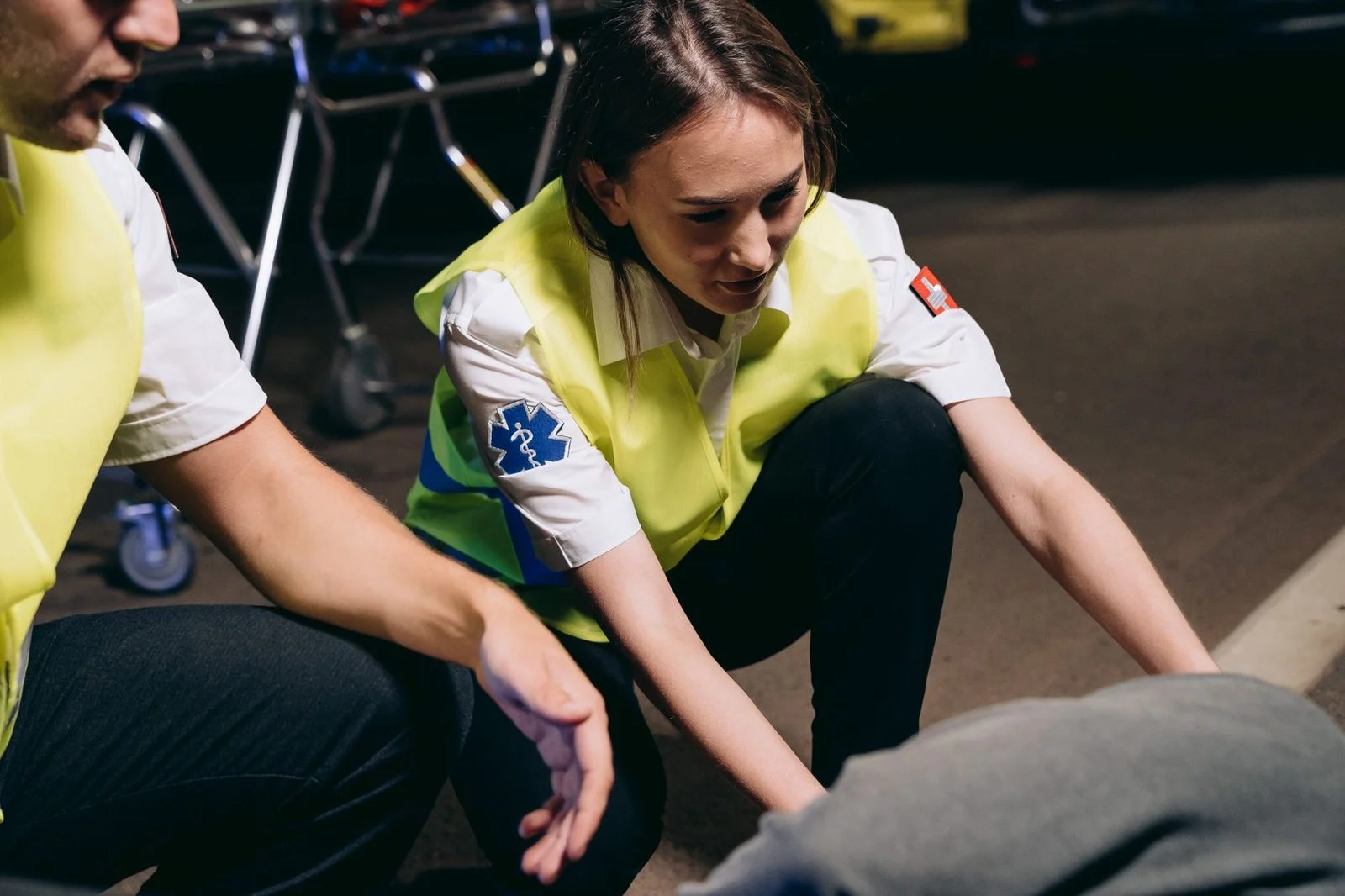
How Seizures Connect to a Crash Claim in West Virginia
Seizures and other brain injury effects can matter in a West Virginia injury claim. Timing matters too.
Under W. Va. Code § 55-2-12, a personal injury action generally must be brought within two years after the right to bring it has accrued.
Under W. Va. Code § 55-7-11a, for 20 days after an injury, no one may try to negotiate a settlement with an injured person who is a hospital inpatient or who is partially or totally unable to engage in his or her usual trade, profession or occupation. Under W. Va. Code § 55-7-11a, an injured person may disavow a settlement, release of liability or statement obtained in violation of that section at any time within one hundred eighty days from the date of the personal injury, by executing a written statement of disavowal and forwarding a copy of it to the person violating the section. The settlement, release or statement then may not be admissible in evidence if any consideration paid is repaid or returned to the person who paid it.
West Virginia uses modified comparative fault. Under W. Va. Code § 55-7-13c, fault charged to the injured person does not bar recovery unless that fault is greater than the combined fault of others. W. Va. Code § 55-7-13c reads: “(c) Any fault chargeable to the plaintiff shall not bar recovery by the plaintiff unless the plaintiff’s fault is greater than the combined fault of all other persons responsible for the total amount of damages, if any, to be awarded.” If it is less, recovery is reduced in proportion to that person’s fault.
Truck crashes raise other points. The West Virginia Division of Motor Vehicles states that unsecured vehicle cargo can cause serious or catastrophic crashes and injuries in the state.
Medical records help show the injury, the treatment, and how seizures or other effects have changed daily life. That includes ongoing medical needs and time away from work.
Can seizures start later, not right after the crash?
Yes. Seizures can begin at different times after a head injury. Report any new episode to a doctor.
Does partial fault end a claim in West Virginia?
Not automatically. Under modified comparative fault, you can still recover unless your fault is greater than the combined fault of others (W. Va. Code § 55-7-13c). Under W. Va. Code § 55-7-13c, fault chargeable to the injured person does not bar recovery unless that fault is greater than the combined fault of all other persons responsible for the damages; if it is less, the recovery is reduced in proportion to the injured person’s degree of fault.
How long do I have to file a personal injury claim?
Because the deadline matters, it helps to act early.
We handle car accidents, truck accidents, commercial vehicle accidents, catastrophic injuries, traumatic brain injury, spinal cord injury, and wrongful death. We serve injury victims across West Virginia, including Charleston, Huntington, and Morgantown. If a crash left you or someone you love with a brain injury and you’re worried about seizures, we can talk through what happened in a free case review.