
Traumatic Brain Injury | West Virginia
Head Injured in a Crash? Get Clear Answers and Support in West Virginia
A subdural hematoma can become a medical emergency. Big Bubba Injury Law represents people seriously hurt in car and truck crashes and families facing wrongful death across West Virginia. Start with a free case review.
Published October 26, 2026
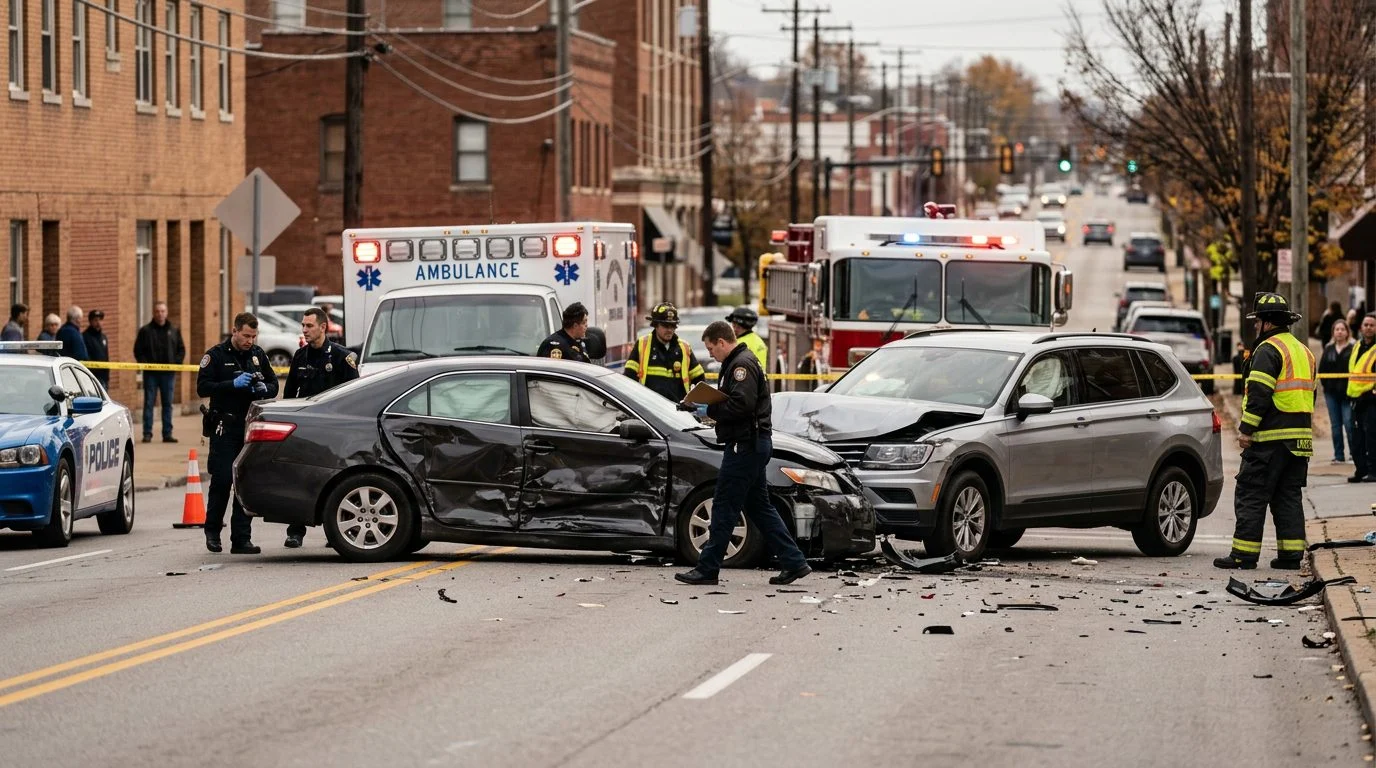
Many people searching for subdural hematoma after car accident West Virginia information are scared and short on time. A subdural hematoma is a pocket of blood that builds up between the brain and the tough covering around it. It usually follows a hard blow to the head, and it can press on brain tissue. It can need fast medical care. This page explains what the diagnosis means, when bleeding can start, the warning signs that need emergency care, and the West Virginia rules that can matter if a claim follows.
What a Subdural Hematoma Is
A subdural hematoma is a type of brain bleed. The blood collects between the brain’s surface and the thick outer membrane that covers it, inside the skull. Yes, it counts as bleeding inside the head, and the pressure it creates is what causes harm.
In a car crash, the head can move fast and then stop fast. That motion can tear small veins that cross the space between the brain and its covering. Doctors call these bridging veins. When one tears, blood can pool and grow.
The word hematoma simply means a collection of blood outside a blood vessel. Doctors look at how large the bleed is, where it sits, and whether it is pushing on brain tissue. Those details guide what happens next, including whether the patient is watched closely or needs surgery.
Doctors often describe these bleeds as acute, subacute, or chronic, based on how fast symptoms appear. You will see these words in hospital notes, so it helps to know what they mean.
If a crash left someone you love with a brain bleed, you don't have to sort out the medical and legal questions alone. The firm offers a free case review, confidential and with no obligation to continue. Talk it through with Big Bubba — the first case review is free, confidential, and carries no obligation.
How Long After Head Impact Can Bleeding Start
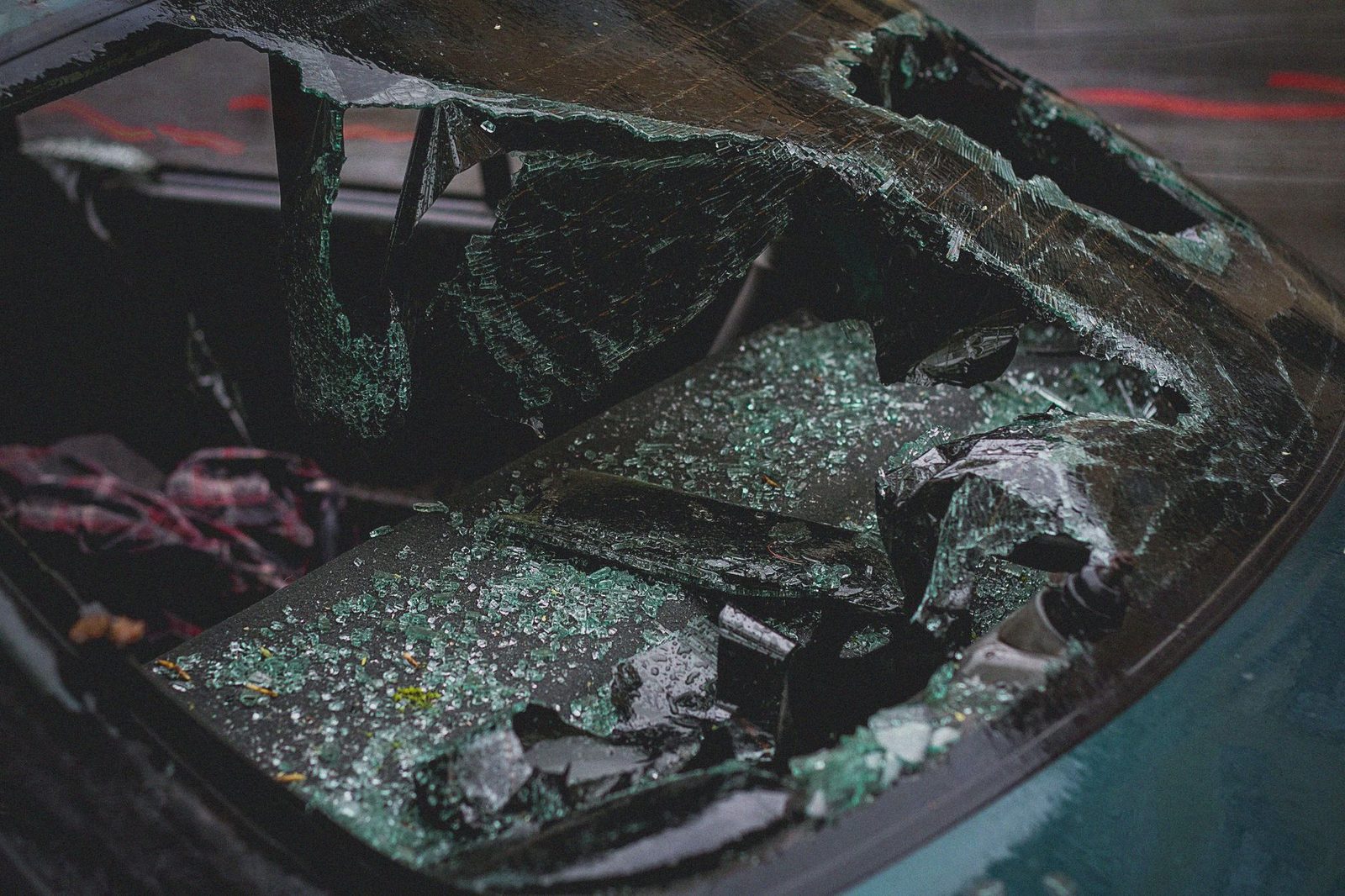
Bleeding can start right after a head impact, or it can show up days or weeks later. The timing depends on the type of bleed and the person who has it.
Acute bleeds tend to cause symptoms soon after the injury. Subacute bleeds can take longer to show signs. Chronic bleeds may take weeks or longer to cause symptoms, and they are more often seen in older adults.
A person can feel fine at the scene and still develop bleeding later. That is why doctors often watch patients closely and may repeat imaging when symptoms change.
Can a head injury from a car accident show symptoms days later?
Yes. Symptoms can appear days or weeks after a crash, especially when the bleed grows slowly. Anyone with new or worsening symptoms should be seen by a medical provider right away.
Late symptoms can also make the timeline harder to trace. Writing down the first symptoms and when they began helps doctors. It also helps anyone who later reviews the medical history.
Warning Signs That Need Emergency Care
Worsening headache, confusion, or unusual drowsiness after a head injury needs emergency care right away. Call 911 or go to the nearest emergency room if these signs appear.
Other warning signs include repeated vomiting, seizures, weakness or numbness on one side of the body, slurred speech, trouble walking, and pupils of unequal size. These signs can change quickly. A person who seemed stable can get worse within a short time.
Report every symptom to the treating doctors, even ones that seem minor. Memory lapses, mood changes, and sleep changes all matter after a head injury.
Family members can help a great deal. Note when each symptom started, how it has changed, and what the patient was doing at the time. Clear notes help the medical team see the pattern.
Who Faces a Higher Risk of Bleeding
Older adults and people taking blood thinners are generally at higher risk of bleeding after a head impact. Risk is not the same for everyone, and no one can predict how a specific injury will go.
As people age, the brain can shrink. That stretches the bridging veins, which can make them more likely to tear from a minor bump or fall. A crash can also reveal a bleed that began from an injury that seemed small at the scene.
Blood thinners include anticoagulant and antiplatelet medicines. These drugs can make bleeding more likely after a head impact. If someone takes one of these medicines, tell every emergency and treating provider right away.
A crash can bring a hidden bleed to light. Families should not assume that a minor-looking hit to the head means no harm was done.
How Doctors Diagnose and Treat a Subdural Hematoma
Doctors usually diagnose a subdural hematoma with a CT scan of the head. An MRI is sometimes used for more detail. Follow-up imaging is common, so doctors can track whether the bleed is changing.
Treatment depends on the bleed. Small bleeds without symptoms may be watched with repeat scans. Medicines may be adjusted, especially blood thinners. Large bleeds or bleeds causing serious symptoms may need surgery, such as burr hole drainage or a craniotomy.
Neurosurgeons make these decisions using several factors. They look at the size of the bleed, the patient’s symptoms, age, and overall health.
Families can ask the treating team a few direct questions. Ask what type of bleed it is, how big it is, what the treatment plan is, and what follow-up imaging is scheduled. The answers help everyone understand what comes next.
Recovery and Long-Term Effects
Many people recover well after a subdural hematoma, and others have effects that last. The outcome depends on the size of the bleed, how quickly it was found and treated, the patient’s age and health, and any other injuries.
Possible lasting effects include memory or concentration problems, changes in personality or mood, balance and coordination issues, headaches, and seizures. Rehabilitation often helps. Physical, occupational, and speech therapy each target different needs.
Some families arrange in-home care when a loved one needs daily help. You can read more in in-home care after a catastrophic injury.
Can you live a normal life after a subdural hematoma?
Many people return to daily life after a subdural hematoma. Recovery varies widely, so it is best to ask the treating team what to expect in one person’s case.
Not sure what your next step is?
Talk it through with Big Bubba — the first case review is free, confidential, and carries no obligation.
Other Injuries That Often Occur Alongside a Head Injury
A crash that causes a head injury can also injure the neck, the spine, or other parts of the body. A herniated disc in the neck is one example. You can read more in herniated disc after a crash in the cervical spine.
Doctors may order several scans and refer patients to more than one doctor. Each visit adds to the medical record. Over time, that record shows what was found and when.
Some injuries, including brain injuries, may not show clear symptoms for days or weeks. Early and ongoing medical evaluation matters for that reason. Missed follow-up visits can leave gaps that are hard to explain later.
Why Medical Records Matter After a Crash in West Virginia
Medical records are the main way anyone can show what a crash did to the body. Keep imaging reports, emergency room notes, neurosurgery notes, and rehabilitation records in one place.
Also keep a written timeline of symptoms from the day of the crash forward. Note the names of the people who saw the patient, and save bills and receipts. A simple journal can carry a lot of weight later.
West Virginia sets time limits for these claims. Under W. Va. Code § 55-2-12, a personal injury action generally must be brought within two years after the right to sue arises. Under W. Va. Code § 55-7-6, a wrongful death action must be commenced within two years after the death, subject to the provisions of section eighteen, article two, chapter fifty-five. W. Va. Code § 55-7-6 reads: “The provisions of this section shall not apply to actions brought for the death of any person occurring prior to July 1, 1988.” A wrongful death action is brought by the personal representative of the deceased person.
Early contact from insurers can also matter.
Crashes Involving Trucks and Commercial Vehicles
When a commercial truck is involved, a crash often brings in more parties, more insurers, and more records. Responsibility can depend on how the driver was hired and who owned or leased the truck.
Cargo matters too. The West Virginia Division of Motor Vehicles states that unsecured vehicle cargo can cause serious or catastrophic crashes and injuries in West Virginia. For more on who may be responsible, see truck driver independent contractor liability in West Virginia.
West Virginia also compares fault among everyone involved. Under W. Va. Code § 55-7-13c, an injured person’s fault bars recovery only if it is greater than the combined fault of all others. If it is less, the recovery is reduced by the injured person’s share of fault.
For personal injury or wrongful death claims involving the operation of a commercial motor vehicle requiring a commercial driver’s license, W. Va. Code § 55-7-32 limits the maximum compensatory damages for noneconomic loss that each person injured or killed may recover against an employer defendant to $5 million for each occurrence, regardless of the number of claims or theories of liability. Beginning January 1, 2026, and in each year after that, the limit on compensatory damages for noneconomic loss in subsection (b) of W. Va. Code § 55-7-32 increases to account for inflation, by an amount equal to the Consumer Price Index published by the United States Department of Labor, but may not exceed 150 percent of the amounts specified in that subsection. That cap is not available if the employer lacks at least $3 million in commercial motor vehicle insurance for each occurrence. W. Va. Code § 55-7-32 reads: “(d) This section does not apply if the civil action involving a commercial motor vehicle arises from an incident for which an operator or driver is found to have.” The statute also lists exceptions, including certain impaired-driving and hours-of-service violations.
The firm handles car accidents, truck accidents, commercial vehicle accidents, catastrophic injuries, traumatic brain injuries, spinal cord injuries, and wrongful death claims in West Virginia.

Taking the Next Step After a Head Injury Diagnosis
If you have received a subdural hematoma diagnosis, or you are watching a loved one go through one, it is normal to still be gathering information. Many families are not ready to make decisions yet.
Maybe a parent is in a hospital bed after a truck hit their car. Maybe a spouse is home from neurosurgery and cannot return to work. The medical bills, the follow-up scans, and the questions about what comes next can pile up quickly.
If a crash has left your family dealing with this, the firm offers a free case review. The review is confidential and carries no obligation to continue. You can talk through the crash, the diagnosis, and your questions with the firm.
We serve Charleston, Huntington, Morgantown, Wheeling, Martinsburg, Parkersburg, Beckley, Clarksburg, Fairmont, Weirton, and communities across West Virginia.