
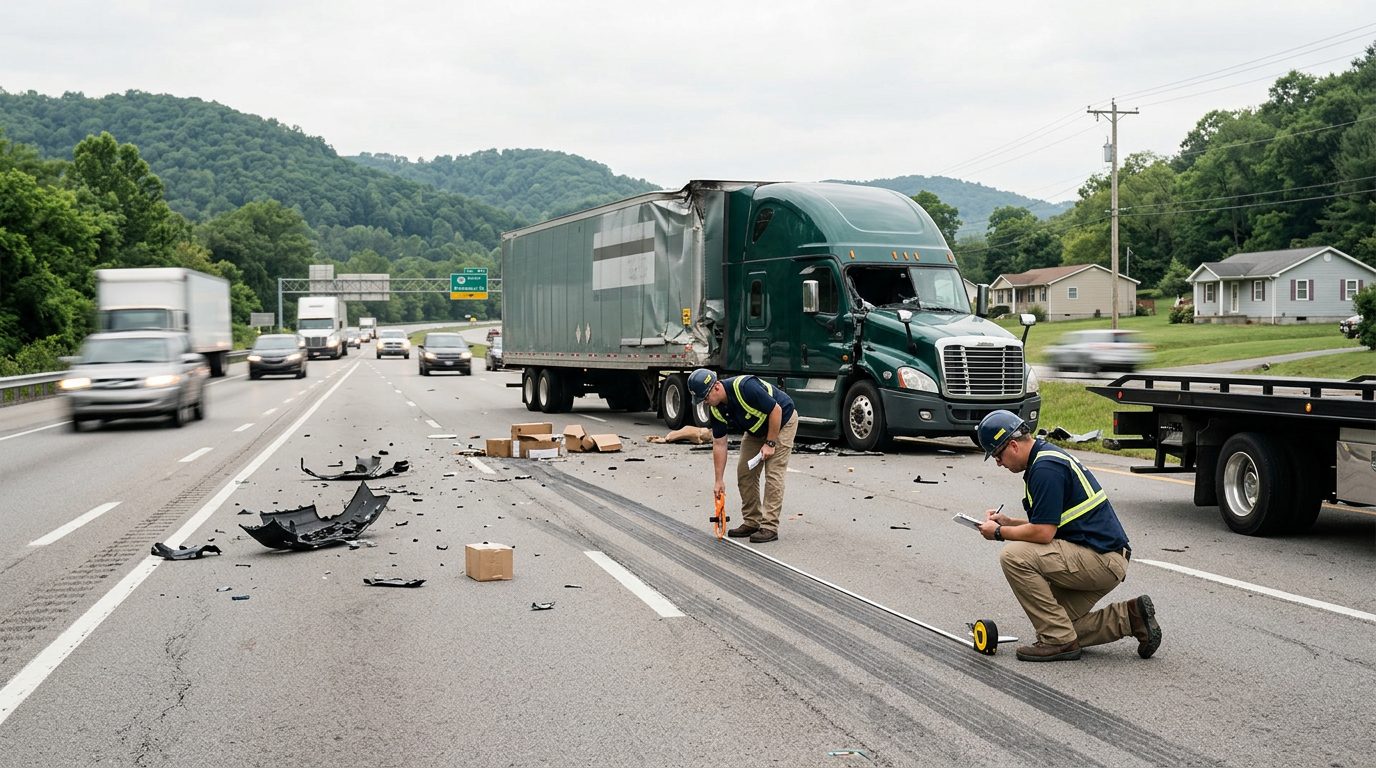
Truck and Commercial Vehicle Crashes | West Virginia
Truck Crash Evidence Preservation: Records That Can Be Lost
Logs, inspection reports, and camera footage can be overwritten or discarded. Learn which records matter and how to reach out to the firm.
Published November 17, 2026
After a crash with a commercial truck, it’s natural to wonder what proof exists and whether it will still be there later. Commercial trucks create records that passenger cars usually don’t, and the trucking company often holds them.
We handle truck accident claims for people across West Virginia. This page explains which records matter most, who usually keeps them, and why timing matters.
What evidence is unique to commercial truck crashes, such as electronic logging device data, driver qualification files, and maintenance records, and how quickly must it be preserved?
Commercial trucks generate records that most cars never do, and the carrier usually keeps them. Federal rules set minimum keeping periods, and some of those periods are short.
Under 49 C.F.R. § 395.8, a motor carrier must keep records of duty status and supporting documents for not less than 6 months from the date of receipt. That is a minimum, but it shows how fast routine deletion can happen.
Other records have longer minimums. Periodic inspection reports must be kept for fourteen months under 49 C.F.R. § 396.21. Driver qualification files must be kept while the driver works for the carrier and three years after, under 49 C.F.R. § 391.51.
The rules don’t set one date for every record. Because the shortest minimum is six months, the safe approach is to ask for preservation as early as you can.
If a truck crash left someone you love hurt or gone, you don't have to sort out these records alone. Reach out to us for a free case review. Talk it through with Big Bubba — the first case review is free, confidential, and carries no obligation.
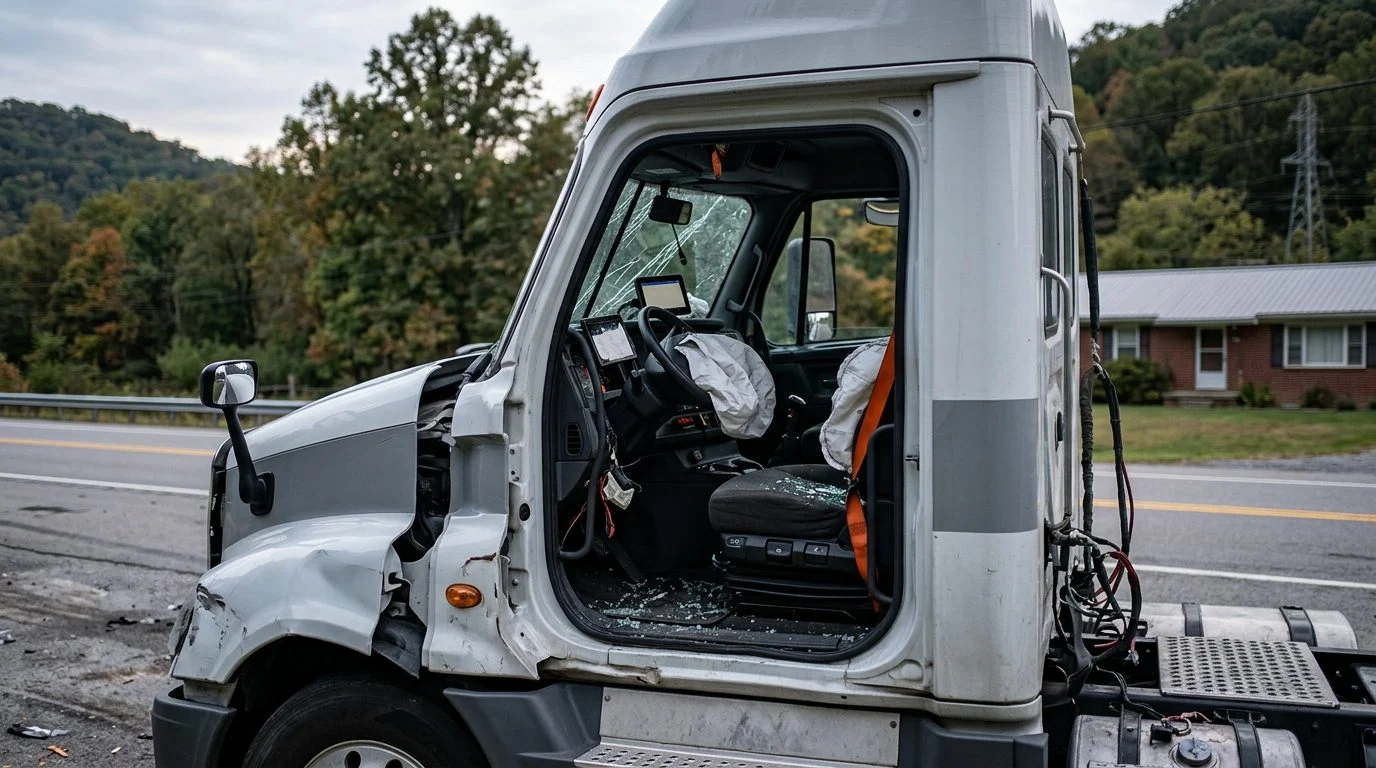
Why truck crash evidence differs from a car crash
In a car crash, most proof sits at the scene or inside the two vehicles. In a truck crash, the carrier, the driver, a dispatcher, a maintenance shop, and sometimes a shipper each may hold part of the picture.
Federal safety rules, known as the Federal Motor Carrier Safety Regulations, require carriers to create and keep many records. That paperwork is often central to showing what happened before a crash.
West Virginia law defines an “employer defendant” to include the truck’s owner, the driver’s employer, and anyone with legal control of the truck or driver, under W. Va. Code § 55-7-32. Knowing who holds the records helps you know whom to send a request to.
Carriers can also run several terminals. Under 49 C.F.R. § 390.29, a carrier with multiple offices or terminals may keep required records at its principal place of business, a regional office, or a driver work-reporting location unless otherwise specified in this subchapter. Records kept at a regional office or driver work-reporting location must be made available for inspection upon request by a special agent or authorized representative of the Federal Motor Carrier Safety Administration within 48 hours after a request is made, with Saturdays, Sundays, and Federal holidays excluded from that period. The records you need may be far from the terminal where the truck was loaded.
Electronic logging device and hours-of-service data
An electronic logging device (ELD) is equipment in the truck that tracks a driver’s time on duty and driving. Under 49 C.F.R. § 395.26, it automatically records items such as date, time, location, engine hours, and vehicle miles.
Federal rules require motor carriers operating commercial motor vehicles, except private motor carriers of passengers (nonbusiness), to install ELDs and require their drivers to use them, no later than December 18, 2017, under 49 C.F.R. § 395.8, subject to the manual-recording exceptions in paragraph (a)(1)(ii).
ELD data may help show whether a driver stayed within permitted hours, or whether written and electronic logs match what happened. Whether it does depends on the facts of the case.
Federal rules also limit changes to this data. A motor carrier must not alter or erase the original hours-of-service information, under 49 C.F.R. § 395.30.
You can’t pull this data from your own phone or the truck’s dash. The carrier holds it, so a written preservation request matters.
Driver qualification files and drug and alcohol testing records
A driver qualification file is the carrier’s file on each driver it employs. Under 49 C.F.R. § 391.51, it must include the driver’s application, motor vehicle records from the licensing authority, a road test certificate, and a medical examiner’s certificate.
Drug and alcohol testing records follow separate federal rules. Under 49 C.F.R. § 382.405, a driver may request copies of his or her own alcohol and controlled substances test records in writing. The employer must promptly provide the records requested.
Testing after a crash can be required in some situations. The FMCSA drug and alcohol testing guidance explains when tests are required.
These files are often kept at headquarters or a safety office, not at the terminal. Name each file type in your request so the carrier knows what to search for.
Maintenance, inspection, and repair records
Federal rules require carriers to keep periodic inspection reports for each commercial vehicle. Under 49 C.F.R. § 396.21, the report must be kept for fourteen months from the inspection date, where the vehicle is housed or maintained.
Each report identifies the inspector, the vehicle, and the parts checked. It also lists any part that did not meet minimum standards. Those details may help show the condition of brakes, tires, steering, or lights before a crash.
Repair and maintenance history matters too, and injured people rarely have access to it. Ask for repair orders and brake and tire work for the specific truck, using its unit number or VIN.
Records from earlier roadside inspections or crashes involving the same truck may also be relevant. Some of those records may be held by state agencies.
The truck, trailer, and onboard data
Physical evidence includes the truck and trailer, damaged parts, tires, brake components, and cargo securement. These items can be repaired, sold, or scrapped, which is why early requests matter.
Onboard data may also exist. The NHTSA explanation of event data recorders notes that these devices may preserve pre-crash, crash, and driver-input information.
Some of this data is overwritten over time or when a vehicle is repaired. Asking early for the truck to be held or inspected may matter.
Don’t try to access, download, or repair the truck yourself. Let the request go through the proper channels.
Not sure what your next step is?
Talk it through with Big Bubba — the first case review is free, confidential, and carries no obligation.
Dispatch, load, and communication records
Dispatch logs, load assignments, bills of lading, and messages between the driver and dispatcher may show the route, timing, and what the driver was expected to do. Those details can matter in a truck case.
Cell phone records and company messaging may also be relevant to what the driver was doing before the crash.
Some insurers may dispute a claim or ask for records quickly. Keep your own records of the crash, medical care, and missed work.
For how these records fit into a larger case, see our catastrophic injuries information.
Steps to take now to help preserve evidence
The first step is to write down what you remember while it’s fresh. Note the location, weather, lane positions, and the company name and unit number on the truck.
Collect witness names and phone numbers, the police crash report number, and any photos or video from the scene.
Keep copies of medical records, bills, and every message with the trucking company or its insurer.
Send a written preservation request to the carrier. Name the records: ELD and hours data, the driver qualification file, inspection and repair records, dispatch logs, and onboard data. Keep a copy and note the date you sent it.
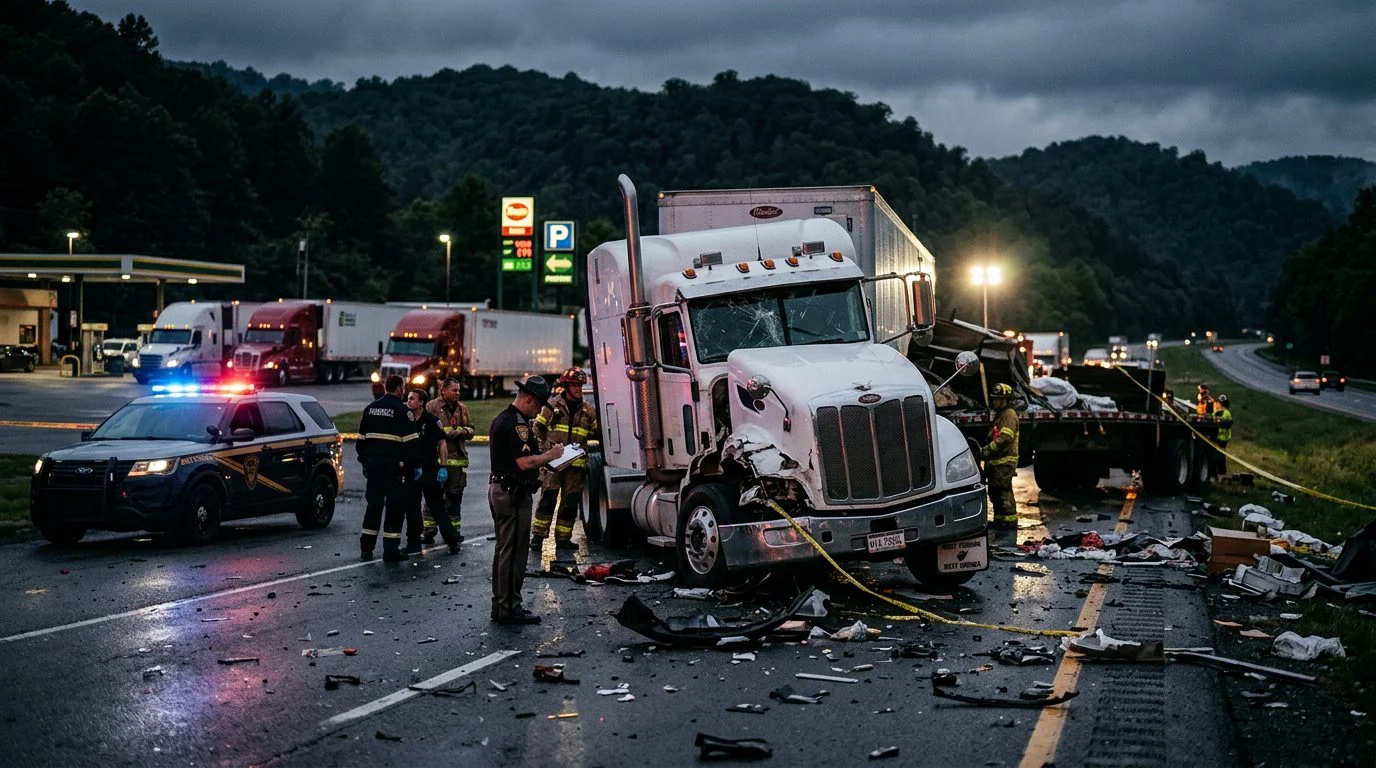
What to know if a loved one was hurt in a truck crash
You may be reading this while a family member is still in the hospital, or after someone you loved has died. These decisions are hard, and they often must be made under pressure.
The records that matter most in truck cases are held by the carrier. Some can be lost if they aren’t requested in time.
Frequently asked questions
How long do trucking companies have to keep driver logs?
Federal rules require a motor carrier to keep records of duty status and supporting documents for at least 6 months from the date of receipt. Other records have longer minimums.
Can I request a truck driver’s drug and alcohol test records?
Federal rules let a driver request copies of his or her own alcohol and controlled substances test records in writing.
Does a truck’s black box record everything?
An event data recorder may store some pre-crash and crash information, according to NHTSA. Whether that data survives depends on what happens to the truck after the crash.
If a truck crash has left someone you care about hurt or gone, you don’t have to sort out these records alone. Reach out to us to request a free case review, and we’ll talk through which records and vehicle data may matter in your situation.