
West Virginia | Work Van and Company Vehicle Crashes
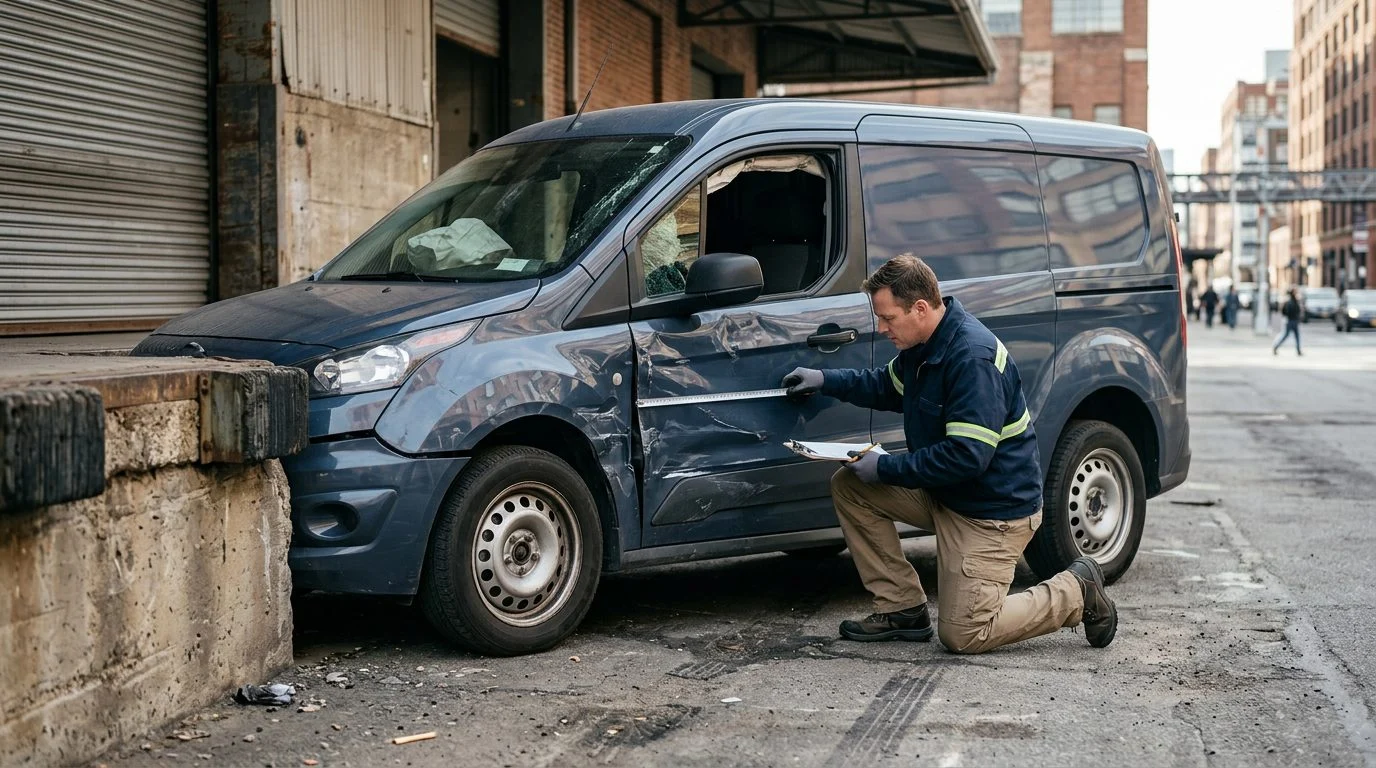
Hurt in a Work Van Crash? Learn Who May Be Responsible
A plain-language guide to employer liability when an employee's company van is involved in a crash, and how to reach out to our firm about your case.
Published November 3, 2026
When an employee crashes a company work van, the first question is often simple: who is responsible for the harm? This guide explains how employer liability can work in West Virginia van crashes. Every crash turns on its own facts, so use this page to learn which questions matter.
Is an employer legally liable under West Virginia law for injuries caused by an employee driving a company work van during the job?
An employer may be held responsible when an employee’s negligent driving injures someone during the job. This usually depends on the facts of the trip and the work the driver was doing. The legal idea behind this is called respondeat superior, which means an employer may answer for an employee’s wrongful acts done within the scope of the job.
West Virginia law also addresses fault assigned to someone acting for another person. Under W. Va. Code § 55-7-13d, nothing in that section stops a person from being held liable for the share of fault assigned to an agent or servant.
A claim against the employer is separate from a claim against the driver. The driver may be personally responsible for their own negligent driving. The employer may also face claims based on its own decisions, which the next sections explain.
Several questions often decide the answer. Was the driver working at the time? Was the van used for a company purpose? What did the company know about the driver? These answers come from the facts of the trip, not from the logo on the van.
If a work van crash has left you or someone you love with hard questions, the facts of that trip matter. We invite you to reach out for a free case review of your situation. Talk it through with Big Bubba — the first case review is free, confidential, and carries no obligation.
What does scope of employment mean for a company work van?
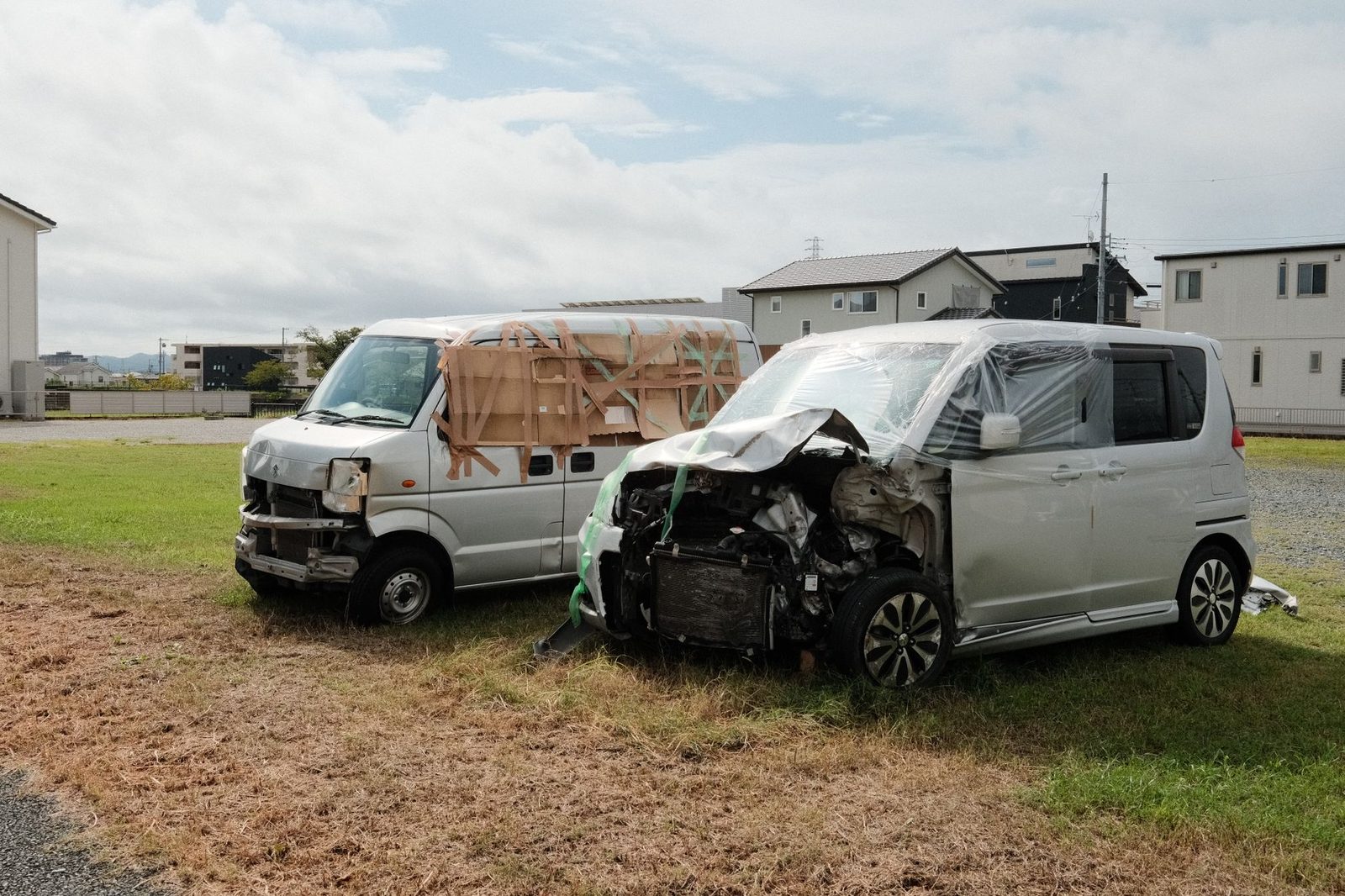
Whether a driver was doing work for the company at the time of a crash can be a question in these claims, depending on the facts. In plain terms, the question is whether the trip served the employer’s business. Courts look at the whole trip, not just one moment.
Common examples include driving between job sites, traveling to meet a customer, hauling tools or materials, and running an errand the employer requested. Each of these may point toward the driver acting within the scope of the job.
A personal trip in the same van may be treated differently. Questions that may matter include whether the driver was off the clock, whether the trip had any work purpose, and whether the employer allowed take-home use of the van. Written policies on take-home vehicles can be relevant.
Records often show what the driver was doing. Dispatch logs, route assignments, work schedules, and GPS or phone location data may help. Some companies may keep these records for a limited time, so it helps to ask for them early.
Can an employer be liable for its own decisions about the driver or the van?
An employer may face its own claims when its decisions about a driver or vehicle played a role in the crash. Whether these claims apply depends on the facts and on what the employer knew or should have known.
Negligent hiring is another.
Records that may be relevant include driving history checks, license verification, training logs, and prior complaints about the driver. A driver’s record on the road may matter a great deal. Companies may not keep these files forever, so requesting them early can matter.
Who else may share responsibility when a work van crash causes serious injury?
More than one party may share fault in a work van crash. Possible parties include the vehicle owner or leasing company, a maintenance provider if a mechanical failure played a role, a parts maker in some cases, and another driver whose negligence contributed.
West Virginia uses modified comparative fault. Under W. Va. Code § 55-7-13c, a plaintiff’s fault bars recovery only if it is greater than the combined fault of all other persons responsible for the damages. If the plaintiff’s fault is less than that combined fault, recovery is reduced in proportion to the plaintiff’s share of fault.
Fault can also be assigned to people who are not parties to the lawsuit. Under W. Va. Code § 55-7-13d, fault of a nonparty is considered if the plaintiff entered into a settlement agreement with the nonparty or if a defending party gives notice no later than one hundred eighty days after service of process upon said defendant that a nonparty was wholly or partially at fault. That is one reason identifying every party early can matter.
The police crash report and witness statements may help show who was involved and how the crash happened.
How does insurance affect a claim against a company van driver or employer?
Many businesses carry commercial auto insurance. A work van policy may apply to a crash involving an employee driver, depending on the policy terms and the facts. Policy limits may cap how much a given policy pays, and other policies may also be relevant.
West Virginia requires motor vehicle insurance, according to the West Virginia DMV consumer insurance information page. Under W. Va. Code § 33-6-31, motor vehicle policies must include provisions for uninsured motorist coverage, and the statute also describes underinsured motor vehicles. W. Va. Code § 33-6-31 reads: “unless it contains an endorsement or provisions undertaking to pay the insured all sums which he or she is legally entitled to recover as damages from the owner or operator of an uninsured motor vehicle, within limits which shall be no less than the requirements of section two, article four, chapter seventeen-d of this code, as amended from time to time: Provided, That such policy or contract shall provide an option to the insured with appropriately adjusted premiums to pay the insured all sums which he or she shall be legally entitled to recover as damages from the owner or operator of an uninsured motor vehicle up to an amount of $100,000 because of bodily injury to or death of one person.” These coverages may matter when the at-fault driver’s insurance is too small.
Some insurers may dispute a claim, including whether the driver was acting within the scope of employment. Timing also matters. Under W. Va. Code § 55-7-11a, no one may negotiate a settlement with an injured person within twenty days of the injury while that person is a hospital inpatient or partially or totally unable to engage in his or her usual trade, profession or occupation.
Keep copies of all insurance letters and phone notes you receive. Those records can help you and your attorney track what was said.
What about catastrophic injuries and wrongful death in a work van crash?
Serious crashes can cause traumatic brain injury, spinal cord injury, and other lasting harm. These are often called catastrophic injuries. You can learn more on our catastrophic injuries page. Medical records and notes from treating providers may be relevant to documenting how an injury affects daily life.
Some commercial vehicle cases fall under W. Va. Code § 55-7-32, which limits certain noneconomic damages against an employer defendant. W. Va. Code § 55-7-32 addresses certain civil actions involving a commercial motor vehicle requiring a commercial driver’s license. Subsection (d) of W. Va. Code § 55-7-32 provides that this section does not apply if the civil action involving a commercial motor vehicle arises from an incident for which an operator or driver is found to have, among other conditions listed in the statute, operated a commercial motor vehicle in willful or wanton disregard for the safety of persons or property, and how it applies may depend on the facts. The limit is also not available to an employer defendant that lacks at least $3 million in commercial motor vehicle insurance for each occurrence. That section applies to civil actions for personal injury or wrongful death over the operation of a commercial motor vehicle requiring a commercial driver’s license, but it does not apply if the operator or driver is found to have, among other conditions, driven with an alcohol concentration of .04 or more, refused required testing, exceeded hours of operation, driven in willful or wanton disregard for safety, loaded the vehicle beyond its maximum gross vehicle weight rating (unless legally operating under a permit issued under §17C-17-11), or engaged in distracted driving. It also excludes common carriers of passengers, commercial motor vehicles as defined in §17E-1-3(7)(C) of this code, school buses, and other vehicles primarily transporting passengers.
When someone dies, the claim works differently. Under W. Va. Code § 55-7-5, a person or company that would have been liable had death not occurred may be liable in an action for damages. Under W. Va. Code § 55-7-6, a wrongful death action is brought by the personal representative of the person who died. The jury’s verdict shall include, but may not be limited to, damages for sorrow, mental anguish, and solace; reasonably expected loss of income and services; expenses for the care, treatment, and hospitalization of the decedent; and reasonable funeral expenses.
Not sure what your next step is?
Talk it through with Big Bubba — the first case review is free, confidential, and carries no obligation.
What evidence may matter after a work van crash, and what deadlines apply?
Useful evidence may include the police crash report, photographs, dashcam or telematics data, GPS and dispatch logs, maintenance and inspection records, driver logs, and witness contact information. Photos of the van and the scene taken soon after the crash can also be valuable.
Commercial drivers have federal rules too. The FMCSA summary of hours-of-service regulations describes limits on driving time and required breaks for commercial motor vehicle drivers. Those rules may be relevant for a larger commercial vehicle, and they may not apply in the same way to a smaller work van.
On deadlines, West Virginia generally allows two years to file a personal injury lawsuit. Under W. Va. Code § 55-2-12, a personal action for personal injuries must generally be brought within two years after the right to sue accrues, and exceptions may apply. For wrongful death, W. Va. Code § 55-7-6 generally requires filing within two years after the death, subject to the provisions referenced in that section. W. Va. Code § 55-7-6 reads: “The provisions of this section shall not apply to actions brought for the death of any person occurring prior to July 1, 1988.”
Quick answers
Can a company be liable if its van driver was on a work trip?
It may be, depending on the facts of the trip and the driver’s role.
Does the two-year deadline always apply?
West Virginia generally allows two years, but exceptions may apply, so the details matter.
What a work van crash can mean for your family
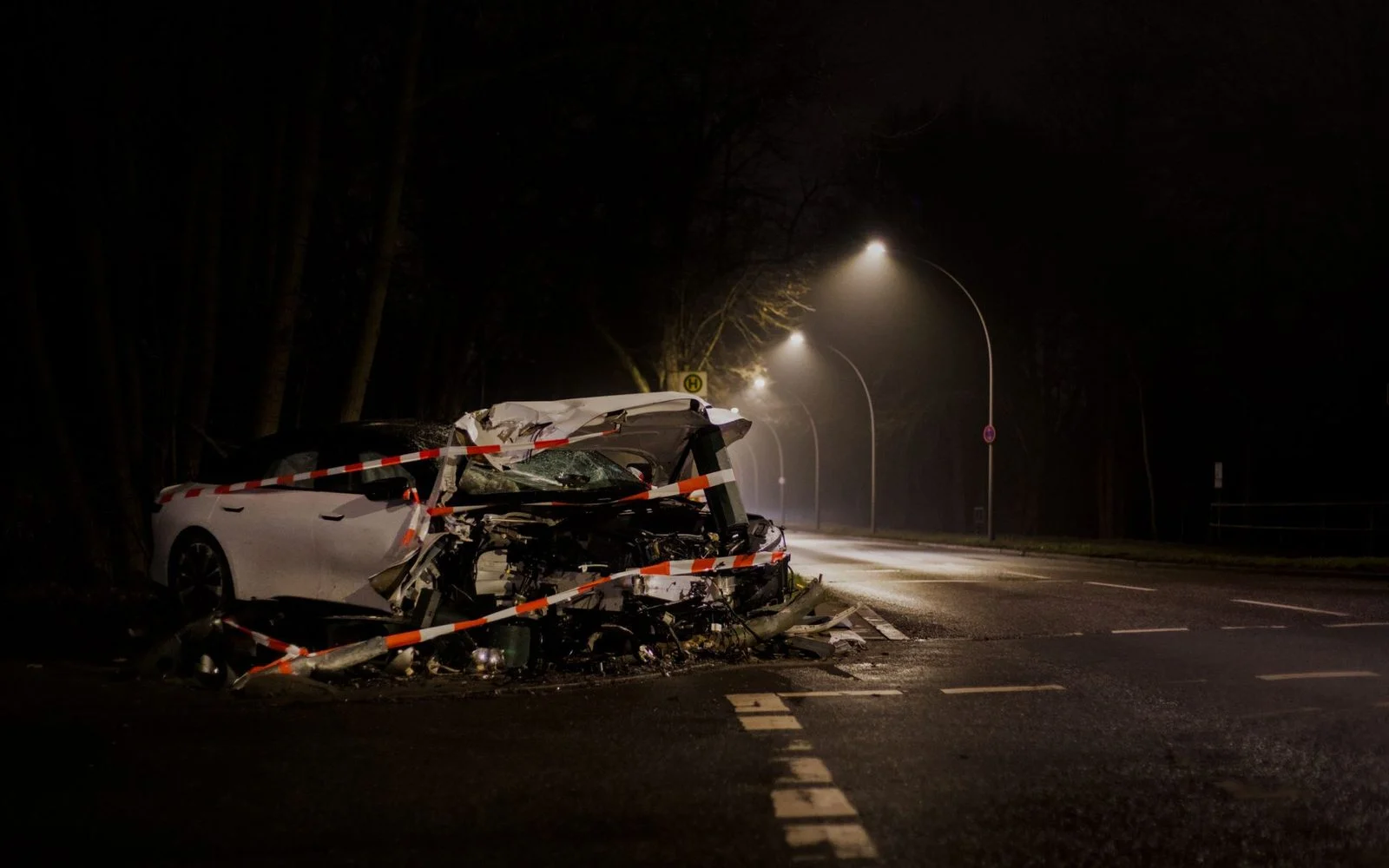
You may be dealing with an injury, a hospital stay, or the loss of someone you love while you read this. That is a lot to carry. Whether the employer and the driver can be held responsible depends on the facts, and those facts are best reviewed in detail.
Take the next step at your own pace. Write down what you remember about the trip, who was driving, and where the van was headed. Keep any letters or messages from insurers.
If you want to talk through what happened, you can request a free case review at bigbubba.com/contact. We can review the facts of your situation in a free case review and help you understand what may come next.