
Catastrophic Injuries
What Qualifies as a Catastrophic Injury?
Understanding injuries that permanently change your life and your ability to work
Published October 05, 2026
A catastrophic injury is one that causes permanent or long-lasting changes to your physical, cognitive, or emotional functioning—changes that don’t fully resolve and require ongoing medical care, rehabilitation, or adaptation for the rest of your life. Unlike injuries that heal within weeks or months, a catastrophic injury fundamentally alters your ability to work, live independently, or enjoy everyday activities.
The word “catastrophic” doesn’t just describe how severe the initial trauma was. It describes what happens after: the permanent impact on your body, your mind, your independence, and your future.
Understanding Catastrophic Injuries
A catastrophic injury is serious physical damage that leads to permanent impairment or long-lasting health complications. The defining feature is that recovery is incomplete or impossible. You may regain some function through rehabilitation and treatment, but you won’t return to your pre-injury state.
What makes an injury catastrophic is not just the medical diagnosis—it’s the functional reality. Can you return to work? Can you care for yourself? Can you walk, think clearly, or move your limbs? If the answer is “not fully” or “not at all,” you’re likely dealing with a catastrophic injury.
These injuries typically involve:
- Permanent or near-permanent impairment: The injury causes lasting physical or cognitive changes that do not fully resolve.
- Significant functional loss: You lose the ability to perform work, self-care, household tasks, or other essential activities.
- Ongoing medical needs: Treatment, therapy, medication, or professional care continues for months, years, or a lifetime.
- Life expectancy or quality-of-life impact: The injury may shorten your lifespan or substantially alter how you live day to day.
- Economic consequences: Medical bills, lost wages, and future earning capacity are substantially affected.

If you're in West Virginia and facing a catastrophic injury from a car accident, truck crash, or other incident, you don't have to navigate this alone. Talk it through with our team — the first case review is free, confidential, and carries no obligation.
Common Types of Catastrophic Injuries
Catastrophic injuries come in many forms, often resulting from high-impact accidents or severe trauma:
Traumatic Brain Injury (TBI): Damage to the brain that affects memory, cognition, personality, or physical function. A traumatic brain injury can result from a blow to the head in a car crash or fall and may cause lasting changes in how you think, process information, or control your body.
Spinal Cord Injury (SCI): Damage to the spinal cord that can result in partial or complete paralysis, loss of sensation, or loss of bodily function. A spinal cord injury often occurs in high-impact collisions and can permanently affect mobility and independence.
Severe Burns: Extensive burns that require ongoing treatment, skin grafts, and may cause permanent scarring, loss of function, or chronic pain.
Amputation: Loss of a limb or digit due to the accident itself or necessary medical treatment, requiring prosthetics and lifelong adaptation.
Severe Crush Injuries: Injuries that destroy muscle, bone, or organ tissue and may require amputation or cause permanent disability.
Organ Damage: Injury to vital organs that impairs function or requires transplant.
Severe Facial or Disfiguring Injuries: Injuries that cause permanent disfigurement and lasting psychological impact.
Catastrophic Injury vs. Serious Injury
Not every serious injury is catastrophic. Understanding the difference matters for your claim.
A serious injury causes significant pain, temporary or permanent disability, or requires extended medical treatment. A broken leg that heals in three months, a laceration that leaves a scar, or a shoulder injury that causes chronic pain—these are serious injuries. They hurt, they disrupt your life, and they may result in a meaningful claim.
A catastrophic injury is the most severe end of the spectrum. Recovery is incomplete or impossible. The injury permanently changes your physical or cognitive abilities, your earning capacity, or your independence. You’ll need ongoing care. Your life will never be the same.
The distinction matters because catastrophic injury claims typically involve higher damages. Courts and insurance companies recognize that lifetime medical care, lost earning capacity, pain and suffering, and the cost of adapting your life are substantially greater.
How Catastrophic Injuries Happen
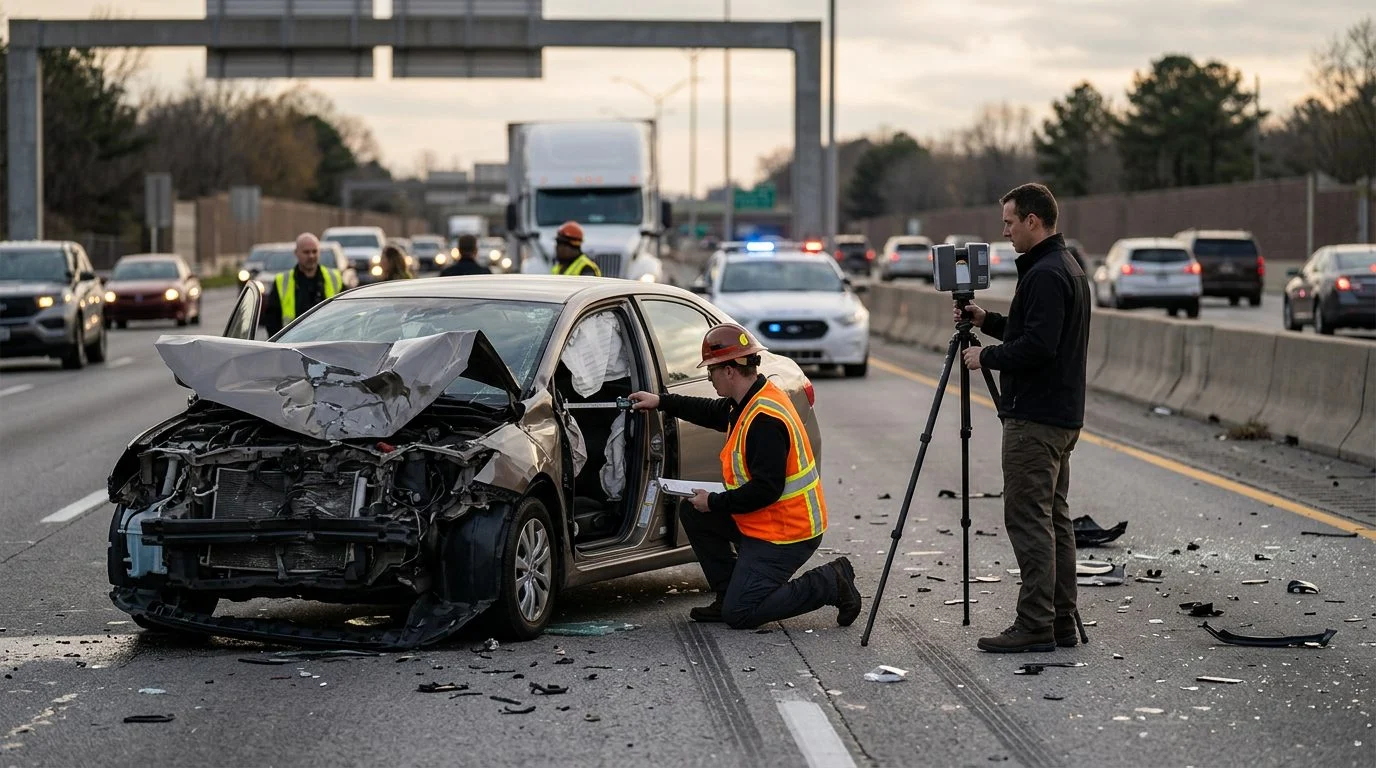
Catastrophic injuries often result from high-impact accidents where forces are extreme:
- Car accidents: Head-on collisions, rollover crashes, or multi-vehicle accidents frequently cause catastrophic injuries, especially to the head, spine, and internal organs.
- Commercial truck accidents: The size and weight of trucks mean collisions with smaller vehicles often result in catastrophic harm to occupants of the smaller vehicle.
- Workplace accidents: Falls from height, machinery entanglement, or exposure to hazardous materials.
- Negligence or unsafe conditions: Injuries caused by another person’s or business’s failure to maintain safe conditions or follow safety rules.
In West Virginia, if you’ve been injured in a crash or accident caused by someone else’s negligence, the law generally allows two years after the right to bring the claim has accrued to file a personal-injury lawsuit, and exceptions may apply. That deadline is important—don’t let it pass.
Not sure what your next step is?
Talk it through with our team — the first case review is free, confidential, and carries no obligation.
Why the Definition Matters for Your Claim
Understanding whether an injury qualifies as catastrophic helps you and your legal team assess the full scope of damages and plan for long-term needs.
Catastrophic injury cases typically involve:
- Higher damages: Lifetime medical care, rehabilitation, lost earning capacity, and pain and suffering are calculated over a lifetime, not just the immediate recovery period.
- Expert testimony: Doctors, vocational specialists, and life-care planners may testify about medical prognosis, your ability to work, and the cost of ongoing care.
- Complex valuations: Insurance companies and courts must account for inflation, future medical needs, and the impact on your quality of life over decades.
- Long-term planning: You may need to plan for accessible housing, ongoing therapy, assistive devices, or full-time care.
West Virginia follows a modified comparative fault rule: if you were partly at fault for the accident, your damages are reduced in proportion to your percentage of fault. However, you can still recover damages as long as your fault is not greater than the combined fault of all other parties. This rule applies to catastrophic injury claims just as it does to other personal-injury cases.
What Is the Hardest Injury to Prove?
Injuries with no visible external signs can be harder to prove because they are not immediately obvious. A traumatic brain injury or spinal cord injury without complete paralysis may not show up in a photograph or on a casual observation.
Psychological injuries, chronic pain, cognitive changes, and loss of function require medical documentation and expert testimony to establish. The key to proving any injury is evidence: imaging, test results, physician reports, and expert opinions that document the injury and its effects on your body and your life.
In catastrophic injury cases, thorough medical records and ongoing treatment documentation are essential. The more clearly the medical evidence shows the injury’s permanence and impact, the stronger your claim.

Next Steps if You’re Facing a Catastrophic Injury
If you or a family member has suffered a severe injury:
- Seek immediate medical care and follow all treatment recommendations. Medical records are the foundation of your claim.
- Document the accident: Gather photos, witness contact information, police reports, and any evidence of how the injury occurred.
- Keep detailed records of all medical visits, treatments, medications, and expenses.
- Avoid discussing the accident or your injuries on social media or with insurance adjusters without legal guidance.
If you’re in West Virginia and facing a catastrophic injury from a car accident, truck crash, or other incident, you don’t have to navigate this alone. We handle car accidents, truck accidents, commercial vehicle accidents, and cases involving traumatic brain injury and spinal cord injury across all 55 West Virginia counties.
If you or a family member has suffered a severe injury in a crash or accident that’s changed your life, reach out to discuss what happened and what comes next.
Have questions about what happened?
Ask our team directly. The first conversation is free, confidential, and there is no obligation to continue.