
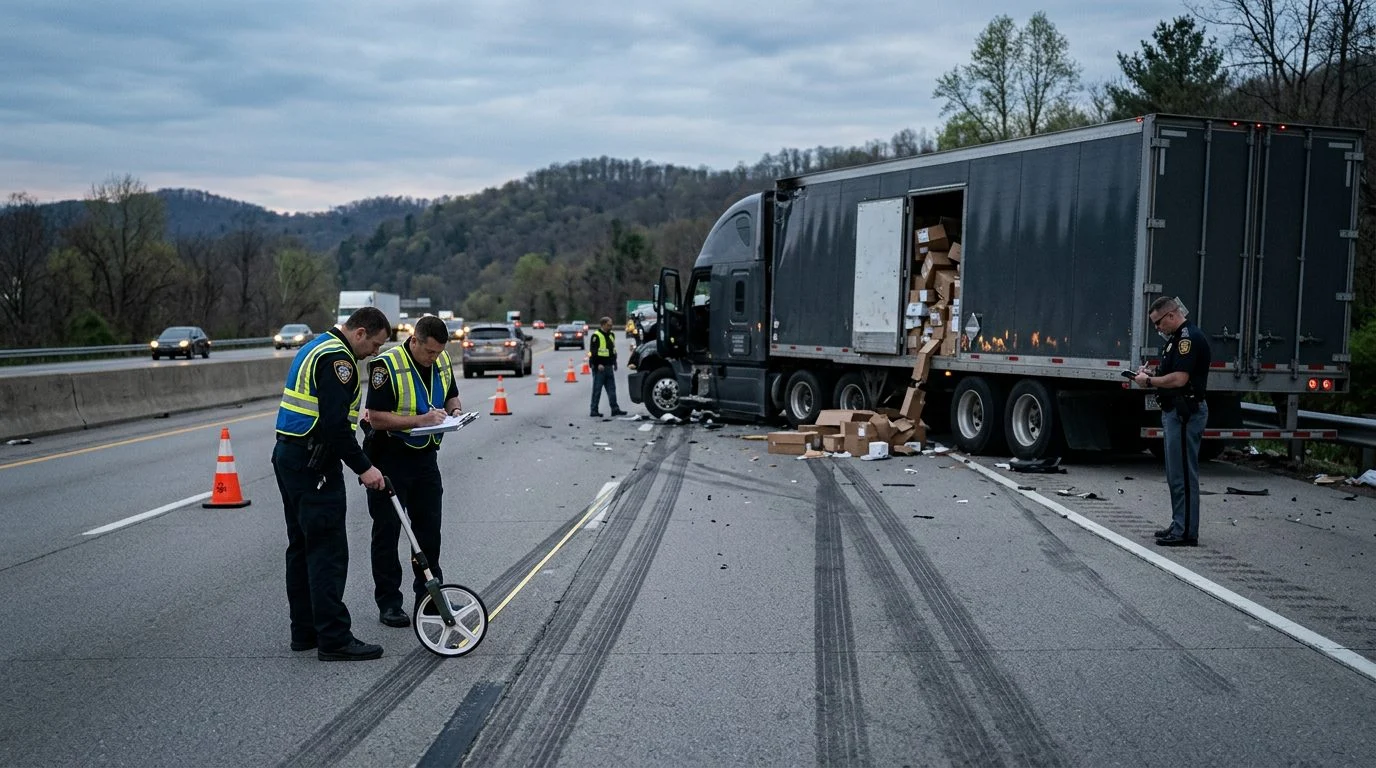
Commercial Vehicle Accidents in West Virginia
Broken Bones After a Commercial Vehicle Crash? Talk to Us About Your Options
Big Bubba Injury Law represents people hurt in car, truck and commercial vehicle crashes across West Virginia. We serve injury victims from Charleston to Wheeling.
Published October 09, 2026
- Timing can matter in any injury claim, so it is worth discussing your situation with a lawyer soon after a crash.
Broken bones from a commercial vehicle crash can be serious, and how severe a fracture is generally depends on the facts of each crash and each person. Tractor-trailers and buses are generally much heavier than passenger vehicles, and how much force reaches the occupants of a smaller vehicle generally depends on the facts of each crash. This page explains which fractures can occur, what recovery may involve, and how the medical record may relate to a claim for people hurt in West Virginia.
Why Broken Bones Can Happen in Commercial Vehicle Crashes
A loaded tractor-trailer, box truck, coal truck, delivery truck, or bus generally carries more mass than a sedan or SUV.
Fractures may occur at moderate speeds, and whether they do generally depends on the facts of each crash.
Some fractures may not be obvious at the scene. Pain can be hard to judge in the minutes after a crash, so a medical check generally matters even if you feel you walked away.
This page covers fractures and the claim that may follow. It does not explain why crashes happen. That question needs its own evidence.

Not sure what your next step is?
Talk it through with our team — the first case review is free, confidential, and carries no obligation.
Broken Bones That Can Occur After a Truck or Commercial Vehicle Impact
Fractures can involve many parts of the body, and which bones are affected generally depends on how the body moves and what it strikes in the crash.
Rib fractures deserve special attention. The ribs sit close to the lungs and heart, so in some cases a broken rib may affect the tissue beneath it and make breathing painful or difficult, depending on the individual and the injury. A rib fracture after a truck crash should be checked in person, not assumed to be a simple bruise.
Pelvic and thighbone fractures can be serious, and the treatment needed, including whether surgery is required, generally depends on the individual and the facts of the injury. Depending on the injury and the individual, facial fractures can affect breathing, vision, and the bite, so they generally also need prompt medical care.
Open fractures, sometimes called compound fractures, are breaks where bone pokes through the skin. The open wound can increase the risk of infection, so these injuries generally need prompt medical attention.
When a Fracture Signals a More Serious Injury
A broken bone can be a sign of a larger injury, such as internal damage, head trauma, or spinal damage. A fracture is generally not the only thing a doctor checks after a crash. A full medical evaluation looks for injuries that may not hurt right away.
Get emergency care right away if you notice any of these signs:
- Numbness, tingling, or loss of movement in an arm or leg
- Severe swelling or pale, cold skin below a break
- Bleeding that will not stop
- Confusion or trouble breathing
Each sign can point to a problem that needs immediate treatment.
When more than one bone breaks, or when a fracture comes with brain or spinal injury, the injury may be more serious, and whether a case is generally treated as catastrophic depends on the facts; exceptions may apply. These injuries can affect work, daily living, and independence, and how long those effects last generally depends on the individual and the facts of each case. Our page on catastrophic injuries in commercial truck crashes explains that category in more detail.
Keep your records from the start.
Have questions about what happened?
Ask our team directly. The first conversation is free, confidential, and there is no obligation to continue.
Diagnosis, Treatment, and Documenting Fractures
Doctors may confirm a fracture with X-rays, depending on the injury. They may order CT scans or MRI when they suspect injury to deeper tissue, the spine, or areas that X-rays don’t show well.
Treatment depends on the bone and the type of break. Some fractures heal in a cast or splint. Others need surgery to hold the bone in place with plates, rods, or screws. Some people also need physical therapy to rebuild strength and motion, depending on the injury. Your treating team decides which path fits your injury.
A complete medical record matters. Keep every appointment and follow discharge instructions. File copies of imaging reports and prescriptions. If you miss an appointment, reschedule it quickly and note the reason. Gaps in treatment can be questioned later.
Save your receipts, too. Keep records of prescriptions, braces, crutches, and other equipment. Track your out-of-pocket costs and your mileage to appointments. A simple log with dates and amounts works well.
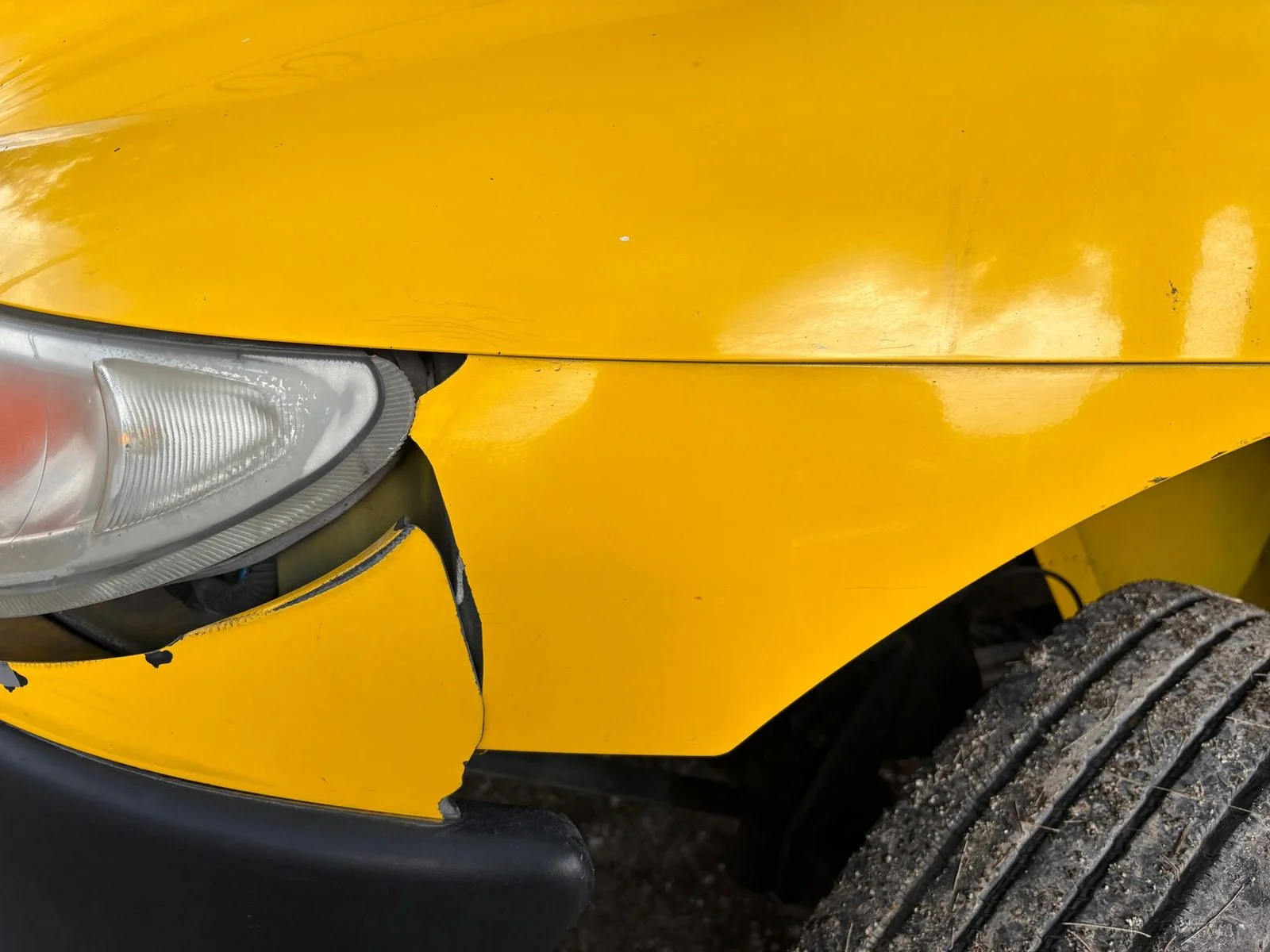
What Recovery From a
Want to know where you stand?
Tell us what happened and our team will walk you through the options available to you, at no cost.
Related practice areas
- Commercial Vehicle Accidents in West Virginia: Your Rights & Next Steps
- Spinal Cord Injury in a Commercial Vehicle Crash: WV Guide
- Truck Accident Settlement vs. Trial in West Virginia