
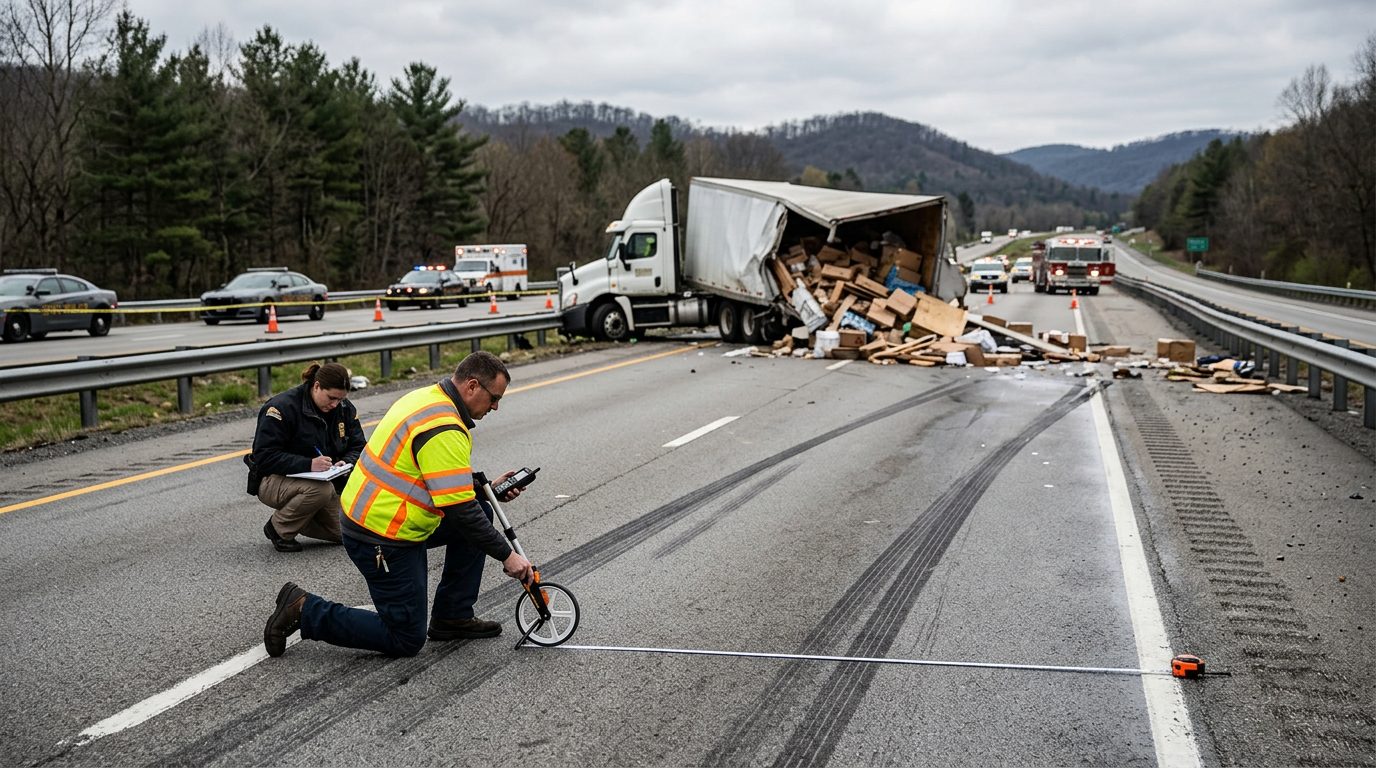
Wrongful Death | Commercial Truck Accidents
When a Commercial Truck Crash Takes a Life in West Virginia
Big Bubba Injury Law handles wrongful death claims for families who have lost a loved one in a commercial truck accident. We're here to listen and help you understand your options.
Published October 08, 2026
Wrongful Death from a Commercial Truck Accident in West Virginia
When a commercial truck crash kills someone, the family faces both immediate grief and urgent legal decisions. A wrongful death claim is a civil lawsuit brought by the deceased’s personal representative for the benefit of the family to recover damages when negligence or wrongdoing caused the fatal crash. In West Virginia, this claim exists separately from any criminal charges the driver or company might face, and it has strict deadlines and rules you need to know right away.

Not sure what your next step is?
Talk it through with our team — the first case review is free, confidential, and carries no obligation.
What Wrongful Death Means After a Commercial Truck Accident
A wrongful death claim is a legal action brought by the deceased’s personal representative for the benefit of surviving family members, such as a spouse, children, or parents, when someone dies as a result of another party’s negligence or deliberate wrongdoing. In commercial truck accidents, this means the truck driver, the trucking company, a maintenance provider, a shipper, or another responsible party’s actions or failures caused the fatal crash.
It’s important to understand that a wrongful death lawsuit is not the same as criminal prosecution. A prosecutor may charge a driver with reckless driving or vehicular homicide. At the same time, the deceased’s personal representative can file a separate civil claim seeking money damages from the driver, the company, or both. The criminal case and the civil case move on different timelines and follow different rules.
Why Commercial Truck Accidents Often Result in Fatalities
Commercial trucks weigh 20–30 times more than a passenger vehicle. When a fully loaded tractor-trailer collides with a car, the force and energy are catastrophic. The truck’s size and weight create impact dynamics that cause severe, often fatal injuries.
Fatal commercial truck crashes commonly result from driver fatigue, excessive speed, brake failure, improper cargo loading, inadequate maintenance, or violations of federal hours-of-service rules. When a driver or company violates these rules and a crash occurs, those violations may help prove fault, but the violation must still be shown to have caused the harm.
What Happens in a Wrongful Death Case
A wrongful death claim follows a structured legal process. First, your attorney investigates: gathering the police accident report, witness statements, the truck’s maintenance records, driver logs, and electronic control module (black box) data. This evidence shows what happened and why.
Next, your lawyer identifies all liable parties. It may be the driver alone, but often it’s the driver and the trucking company, the equipment manufacturer, the cargo shipper, or a maintenance contractor. Trucking companies carry substantial insurance and hire experienced defense counsel, so these cases are complex.
Damages in a wrongful death claim typically include:
- Medical and funeral expenses
- The deceased’s lost income and benefits (wages, pension, health insurance)
- Loss of companionship and emotional support to the family
- The deceased’s pain and suffering before death
The case may settle during negotiation or proceed to trial. The timeline varies; complex commercial truck cases often take months or years, depending on the extent of investigation and the parties’ willingness to negotiate.
What Is the Statute of Limitations for Wrongful Death Claims in West Virginia?
Under West Virginia Code § 55-7-6(d), a wrongful death action generally must be commenced within two years after the death of the deceased person, subject to other provisions of state law. Missing this deadline generally bars the claim, subject to the provisions of section eighteen, article two, chapter fifty-five of the West Virginia Code.
This deadline is one reason to act quickly. Evidence is time-sensitive. Witnesses move or forget details. The truck’s black box data can be overwritten or destroyed. Accident scene photos fade. Maintenance records may be discarded. The sooner your attorney begins the investigation, the better the evidence will be.
Have questions about what happened?
Ask our team directly. The first conversation is free, confidential, and there is no obligation to continue.
Challenges Unique to Commercial Truck Wrongful Death Claims
Trucking companies have resources. They carry substantial liability insurance and retain experienced defense lawyers. These cases are rarely simple.
West Virginia is a comparative negligence state (W. Va. Code § 55-7-13c). Under W. Va. Code § 55-7-13d, where a nonparty is assessed a percentage of fault, a plaintiff’s recovery is reduced in proportion to the percentage of fault chargeable to that nonparty. For example, if a jury awards $1 million but finds the deceased 10 percent at fault, the family receives $900,000. Proving that the truck driver or company was at fault, and to what percentage, may require thorough investigation and expert testimony.
Federal Motor Carrier Safety Regulations add another layer. Violations of hours-of-service rules, maintenance standards, or cargo-loading requirements may help prove fault, but the violation must still be shown to have caused the harm, and proving it requires knowledge of federal trucking law and the ability to obtain and interpret records.
Steps to Take After a Fatal Commercial Truck Accident
Preserve evidence immediately. Photograph and video the accident scene, debris field, road conditions, and vehicle damage. Obtain the police report and any citations issued to the driver or company.
Gather witness information. Write down the names, phone numbers, and email addresses of anyone who saw the crash. Ask them what they saw, heard, or remember.
Request critical records before they disappear. The truck’s electronic control module (black box) records speed, braking, and engine data. Maintenance records show whether the truck was properly serviced. Driver logs show hours worked. These records can be lost or destroyed if not preserved early.
Document the deceased’s relationships and income. Gather pay stubs, tax returns, benefit statements, and records of the deceased’s role in the family (spouse, parent, provider, caregiver). This supports the damages claim.
Do not speak with insurance adjusters alone. Contact a lawyer who handles wrongful death cases before you communicate with the trucking company’s insurance representative. Anything you say can be used against your claim.
What Not to Say to an Injury Lawyer
Be honest with your attorney—that’s your lawyer’s job, and attorney-client conversations are confidential. But avoid these mistakes:
- Do not admit fault or speculate about what the deceased might have done differently.
- Do not discuss the case with insurance representatives without your lawyer present.
- Do not accept an early settlement offer without understanding the full scope of your claim.
- Do not post about the accident or your family’s loss on social media; it can be used against you in court.
How Big Bubba Can Help
Big Bubba represents families in West Virginia who have lost a loved one in commercial truck accidents. We investigate thoroughly, identify all liable parties, and advocate for fair compensation so you don’t have to face the legal process alone.
We work on a no-fee basis: you pay no attorney fees unless we recover for you. You are responsible for court costs and case expenses. We handle the investigation, negotiation, and litigation while you focus on your family.
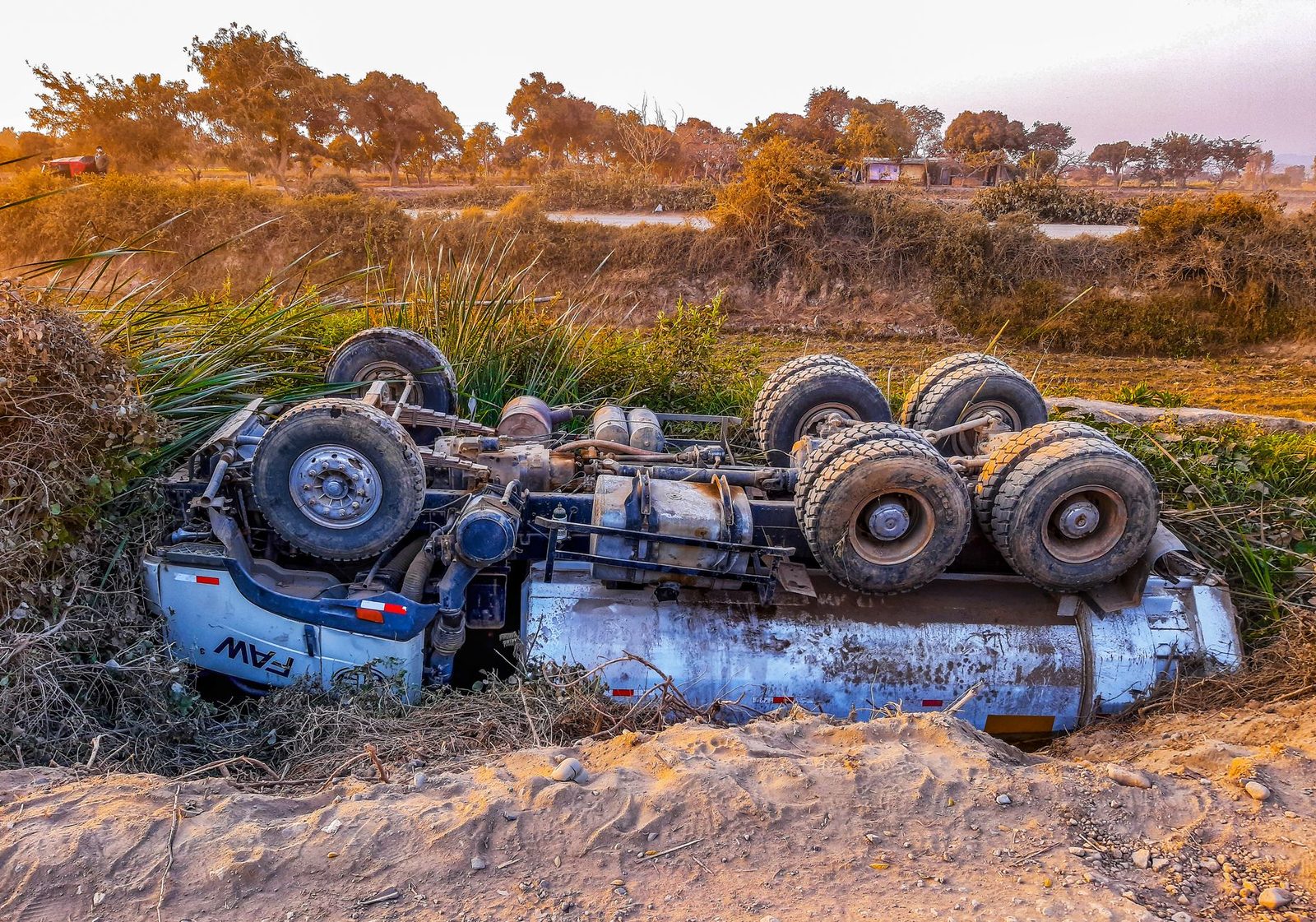
Want to know where you stand?
Tell us what happened and our team will walk you through the options available to you, at no cost.
Frequently Asked Questions
What is the statute of limitations for a wrongful death claim in West Virginia?
West Virginia Code § 55-7-6(d) generally requires the claim to be commenced within two years from the date of death, subject to § 55-2-18; missing this deadline may bar the claim.
Who can file a wrongful death lawsuit?
The deceased’s personal representative brings the claim for the benefit of the statutory beneficiaries, such as a spouse, children, parents, siblings, or financial dependents.
Can my family sue both the truck driver and the trucking company?
Yes. Both may be liable, and both carry insurance. Your attorney will investigate to identify all responsible parties.
How long does a wrongful death case take?
Commercial truck cases often take months to years, depending on the complexity of the investigation, the number of parties, and whether the case settles or goes to trial.
What if the deceased was partly at fault?
West Virginia applies comparative negligence (W. Va. Code § 55-7-13c). Any finding that the deceased was at fault may reduce your recovery in proportion to that fault, but if the deceased’s fault is greater than the combined fault of all other responsible persons, recovery may be barred.
If your family lost someone in a commercial truck accident in West Virginia, you may have a legal claim—and people in your situation can reach out to us to understand what comes next. Tell Bubba what happened.
Big Bubba
West Virginia Personal Injury Law Firm
Representing families in car accidents, truck accidents, catastrophic injuries, traumatic brain injury, spinal cord injury, and wrongful death across West Virginia.
Related practice areas
- Commercial Vehicle Accidents in West Virginia: Your Rights & Next Steps
- Spinal Cord Injury from Commercial Vehicle Crash: WV