
Car Accidents · West Virginia
Hurt in a Parking Lot Crash? Start With These Next Steps
Parking lot collisions can still cause serious harm. Here is how to protect your health, your information, and your options while you decide what comes next.
Published November 13, 2026
A car accident in a parking lot can look minor, but it can still hurt people. If you or someone you love was in one, the first steps matter.
The short answer: check everyone for injuries, get a medical evaluation, document the scene, and report the crash. West Virginia generally allows two years to file an injury claim, and exceptions may apply (W. Va. Code § 55-2-12).
Check for Injuries and Move to Safety First
Check yourself and your passengers for injuries before anything else. Low speed does not always mean low harm.
Move away from moving traffic if you can do so safely. Call 911 if anyone reports pain, dizziness, confusion, numbness, or trouble breathing.
Get checked by a medical provider even if symptoms seem mild. Some head and neck injuries do not show up right away. A brain injury can cause headaches, memory trouble, or sleep changes that appear hours or days later. A prompt medical check creates a record of how you felt after the crash, and it can show when symptoms began.
Do not wait for symptoms to get worse before you ask for an evaluation.
If you were hurt in a parking lot crash, or someone you love was, we're glad to hear what happened and help you think through your next steps. Talk it through with Big Bubba — the first case review is free, confidential, and carries no obligation.

Exchange Information and Document the Scene
Collect the other driver’s name, phone number, insurance details, license plate number, and a description of the vehicle. If the driver agrees, photograph their license and insurance card.
Ask for names and phone numbers of any witnesses. People in nearby stores, or those waiting for a parking space, may have seen how the crash happened.
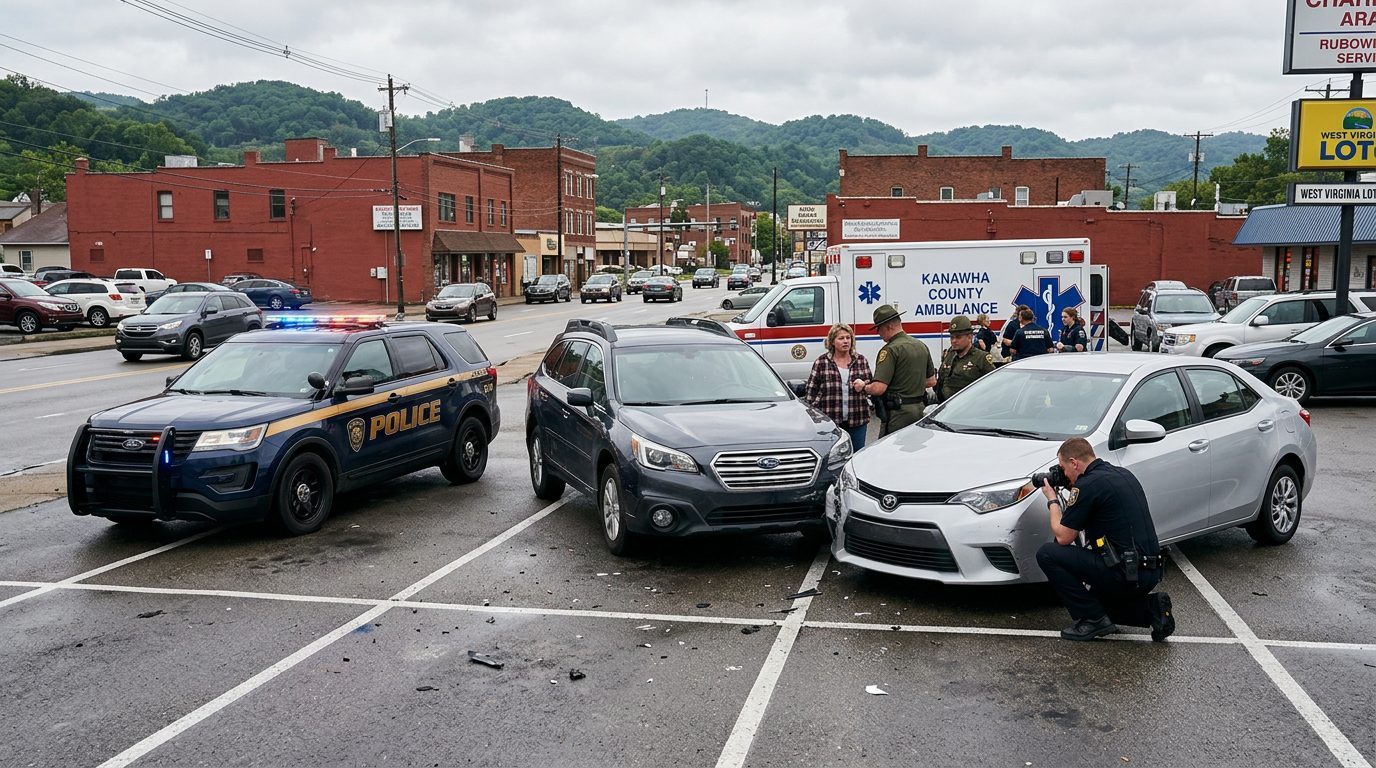
Take photos before anyone moves the vehicles, if it is safe to do so. Capture the damage, where each car stopped, the parking space lines, signs, cart corrals, and the lighting or wet pavement. Note the time, the store or business name, and where in the lot the crash happened.
Keep your account short and factual. Avoid arguing about fault at the scene, and do not guess about injuries you have not been checked for.
Report the Crash and Notify Your Insurer
Ask the responding officer to file a report, and get the report number. A police report is a record you can use later when you follow up on the crash.
Tell your own insurance company about the crash promptly. Describe the facts you know. If you are still waiting on test results, say so instead of guessing.
Start a folder for your records. Keep medical records, repair estimates, rental car receipts, and records of missed work as they come in. Write a short timeline of the crash while the details are fresh, and add to it as new facts come up.
If the other vehicle was a commercial truck, delivery van, or work vehicle, write down the company name shown on it. The employer’s records may matter later.
Why Parking Lot Crashes Can Cause Serious Injuries
A low-speed parking lot crash can still cause a serious brain or spinal injury. Vehicle damage does not always tell the full story about the person inside.
A head can strike a steering wheel, dashboard, or window even at low speed. A traumatic brain injury may not be obvious at first. Spinal injuries can also develop slowly. Neck or back pain, headaches, or tingling in the arms or legs may appear hours or days after the crash.
People on foot are also at risk. A driver backing out may not see someone walking between parked cars. A person struck while getting into or out of a vehicle may face injuries well beyond a scrape or bruise.
Commercial vehicles raise extra questions. Federal rules may apply to the driver and the motor carrier after a crash, and the Federal Motor Carrier Safety Administration describes post-accident testing requirements for commercial drivers. We handle truck accident and commercial vehicle claims, and we serve injury victims across West Virginia.
Fault, Time Limits, and Talking with Insurers
Fault in a parking lot depends on how the crash happened. Backing out without checking, failing to yield, or speeding through an aisle are common examples. If another driver was at fault, you may have a claim for damages.
West Virginia uses a comparative fault rule. Under W. Va. Code § 55-7-13c, your fault does not bar recovery unless it is greater than the combined fault of all other persons responsible. If it is less, your recovery is reduced in proportion to your share of fault.
Property conditions can matter too. Under W. Va. Code § 55-7-28, a possessor of real property, including an owner, lessee or other lawful occupant, owes no duty to protect people from dangers that are open, obvious, reasonably apparent or as well known to the person injured as they are to the owner or occupant. A visible pothole or patch of ice may fall under that rule.
Time limits matter as well. Under W. Va. Code § 55-2-12, a personal injury action generally must be brought within two years after the right to sue arises. Waiting can limit your options.
Some insurers may dispute a claim or ask for a recorded statement soon after a crash. Under W. Va. Code § 55-7-11a, for 20 days after an injury, no person may negotiate a settlement, obtain a partial or general release, or obtain a statement for settlement use from an injured person who is in the hospital or partially or totally unable to engage in his or her usual trade, profession or occupation; a person acting or intending to act on behalf of the injured person may obtain a statement upon the injured person’s express request.
Do I have to give a recorded statement?
You may choose to wait before giving one. Keep your answers to facts you know, and do not guess about injuries.
Can I recover if I was partly at fault?
West Virginia may still allow recovery when you share some fault. Your recovery is reduced by your percentage of fault, and a bar applies only if your fault is greater than the combined fault of others (W. Va. Code § 55-7-13c).

Tell Us What Happened in Your Parking Lot Crash
If you were hurt in a car accident in a parking lot in West Virginia, or you are helping a family member through one, you don’t have to sort it out alone. The firm handles car accident, truck accident, commercial vehicle, catastrophic injury, traumatic brain injury, spinal cord injury, and wrongful death claims.
Bring your photos, the report number, your medical records, and your written timeline. A complete picture helps the firm understand what happened in the lot.
Tell the firm what happened and request a free case review. The review is confidential and carries no obligation to continue.