
Car Accidents | West Virginia
Hurt in a Construction Zone Crash? Start With a Free Case Review
Shifting lanes, barrels and reduced speed limits can turn a routine drive into a serious wreck. Here is how to protect yourself and your options after one.
Published November 15, 2026
If a car hit you or someone you love in a construction zone in West Virginia, you may be asking who is responsible. The driver whose conduct caused the crash may be responsible, and so may a company that ran the work zone or a commercial operator. Depending on the facts, more than one party can share fault.
West Virginia generally allows two years to file an injury claim, and exceptions may apply (W. Va. Code § 55-2-12). This guide explains how these crashes differ, who may share responsibility, and what to do early.
What Makes a Construction Zone Crash Different
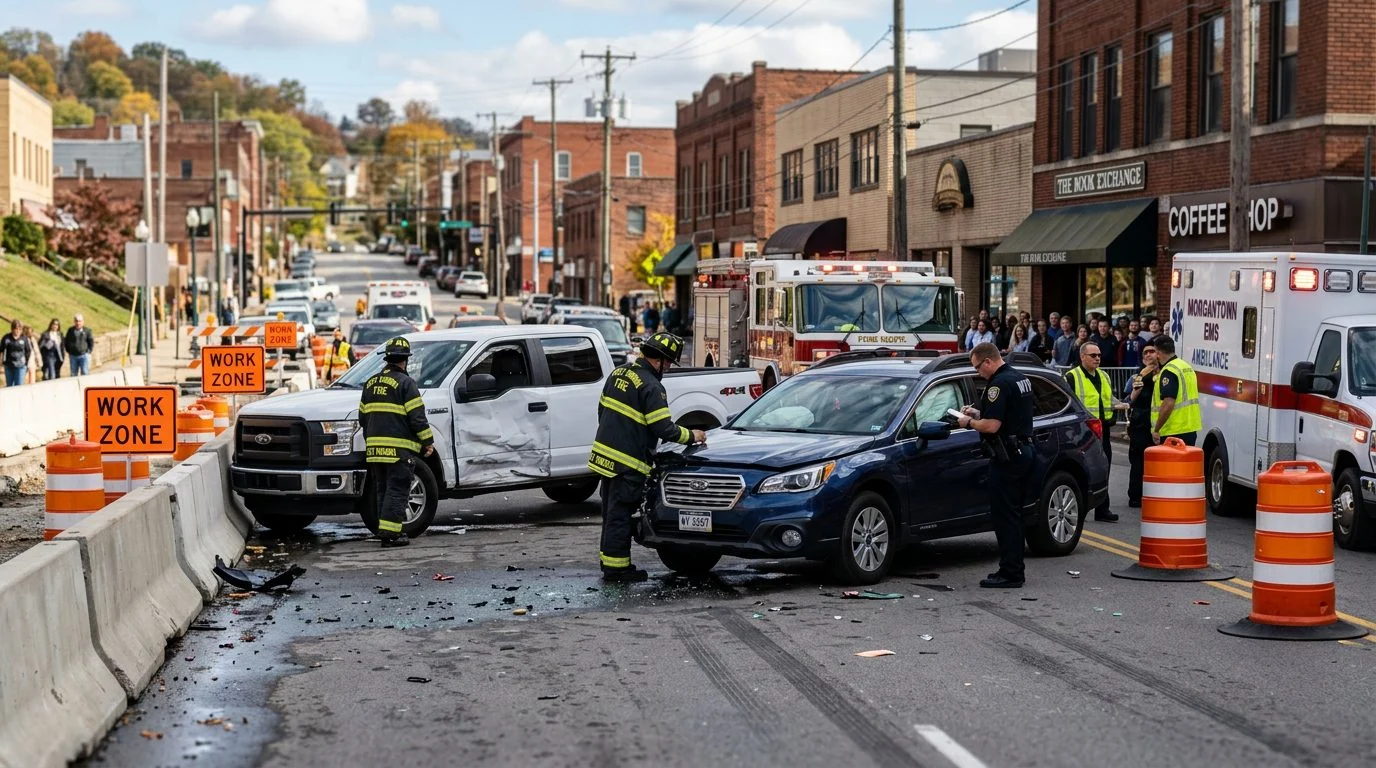
A construction zone crash happens on a stretch of road where lanes are shifted, narrowed, or closed for construction, maintenance, or utility work. Cones, barrels, barriers, and signs mark the change.
Drivers must read those signs, watch for merging traffic, and slow down, often within a short distance. Lanes can shift with little warning. Pavement may be uneven, and equipment or workers may sit close to moving cars. Each of these leaves a driver less time to react.
That is why work zone claims often turn on details. Where were the signs? Was the lane closed? Who set up the traffic control? The answers help show who may be responsible. The words “crash” and “collision” mean the same thing here. Our car accident guide covers the basics of a claim.
If a work zone crash hurt you or someone you love, you may have a claim, and you don't have to sort it out alone. Tell Big Bubba Injury Law what happened and request a free case review. Talk it through with Big Bubba — the first case review is free, confidential, and carries no obligation.
Common Causes of Work Zone Crashes
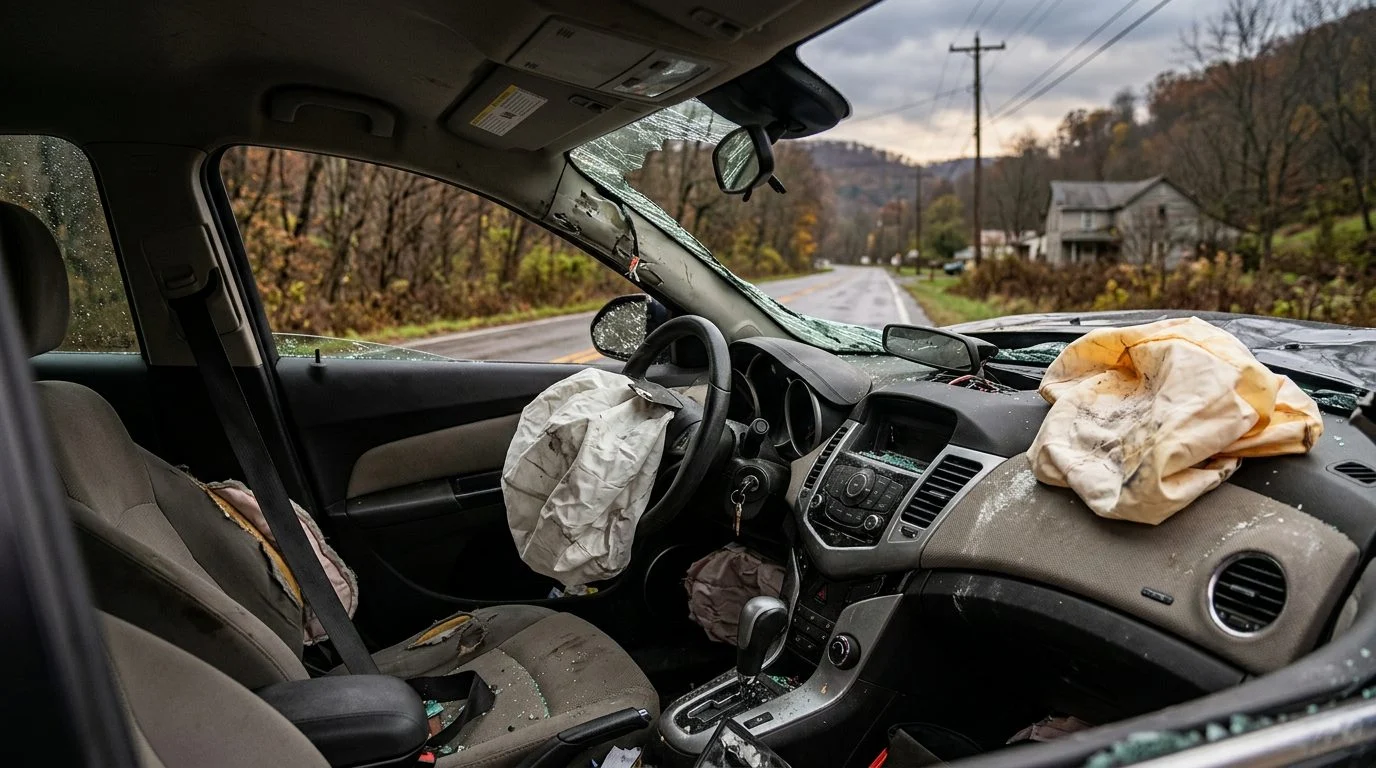
Most work zone crashes trace back to driver conduct, such as distraction, speed, or failing to slow for a merge.
Distraction is a major risk where drivers are watching for signs and changing lanes. West Virginia law requires due care and bars actions involving a phone or other electronic device that distract a driver from safe operation of a vehicle, under § 17c-14-15.
Speed is another cause. A driver who keeps highway speed through a reduced-speed section may be at fault. So may a driver who doesn’t slow when traffic backs up at a merge.
Traffic control can fail, too. Missing, blocked, or confusing signs, barrels, or lane markings may contribute to a crash, depending on the facts. So can vehicles or equipment entering the travel lanes, or flaggers placed too close to traffic.
Some people blame the road alone. In practice, the real question is often whether the driver, the setup, or both played a part.
Who May Be Responsible After a Work Zone Crash
More than one party may share responsibility. The other driver is often the first person people think of.
If another driver was at fault, that driver may be responsible for injuries that followed.
When a commercial vehicle is involved, the operator or trucking company may also share responsibility, depending on the facts.
A contractor or subcontractor that set up traffic control or equipment may also share fault, depending on the facts. So may others tied to the project, such as those responsible for the work zone’s design or upkeep.
Fault sharing follows rules. Under § 55-7-13c, a defendant’s liability for compensatory damages is generally several only, so each party generally pays its own share. A plaintiff’s own fault generally does not bar recovery unless it is greater than the combined fault of everyone else. If it is less, the recovery is reduced in proportion to the plaintiff’s fault.
Some insurers may dispute a claim, especially when fault is shared. Keeping organized records from the start is useful for any claim.
Reduced Speed Zones and Traffic Control in West Virginia
Work zones often post reduced speed limits, and drivers are generally expected to follow posted limits and signs. Those limits matter because the space between moving traffic and workers can be small.
Traffic in these zones is often directed by flaggers, pilot vehicles, and lane closures. If one of these fails, the failure may matter to a claim. A flagger who waves cars into a closed lane is one example, depending on the facts.
Commercial trucks follow a federal speed rule too. Under 49 C.F.R. § 392.6, no motor carrier may schedule a run that requires a commercial vehicle to exceed the speeds set by the jurisdictions it travels through. A schedule that pushes a driver to speed through a work zone may be relevant to a claim.
Before you drive through an active project, check current conditions on the state’s 511 traveler information service. It lists lane closures and crashes, which can help you plan a safer route.
Time Limits for Filing a Claim in West Virginia
West Virginia generally allows two years to file a personal injury claim, and exceptions may apply. The period comes from § 55-2-12, which covers personal injury and property damage actions within two years, and other personal actions for which no limitation is otherwise prescribed within one year if they could not have been brought at common law by or against a personal representative.
A wrongful death claim runs on its own clock. It generally must be started within two years after the death, under § 55-7-6. If an injured person who has already filed an action dies later from the crash, § 55-7-8 may allow the claim to be revived in the name of the personal representative.
Claims against a government body, such as a city, county, or state agency that owns or maintains the road, follow other timing.
Missing a deadline may end the right to file. Dates such as the crash, the discovery of an injury, and a death can all matter, so review your timeline early.
Evidence and Steps to Take After a Crash
The first steps after a work zone crash are safety, medical care, and the official report. Get a medical evaluation promptly, even when symptoms seem minor.
West Virginia requires a driver in a crash causing injury, death, or $1,000 or more in apparent property damage to notify police right away. Under § 17c-4-6, that notice goes to local police, or to the county sheriff or nearest State Police office outside a municipality.
The investigating officer must prepare a report within 24 hours after finishing the investigation. Under § 17c-4-7, within 24 hours of a motor vehicle crash the officer must also share owner, operator, and insurance information on request with each of the other involved parties and their insurance agents, at no cost.
At the scene or soon after, consider these steps:
- Photograph the signs, barrels, lane markings, and vehicle damage while they are still in place.
- Write down witness names, the time, the lane, and the direction of travel.
- Keep a written journal of symptoms, missed work, and daily limits.
After a commercial vehicle crash, federal rules may require drug and alcohol testing of the driver within set time limits. The Federal Motor Carrier Safety Administration explains when that testing applies.
Not sure what your next step is?
Talk it through with Big Bubba — the first case review is free, confidential, and carries no obligation.
Brain and Spinal Injuries From Work Zone Crashes
High-impact crashes can cause a traumatic brain injury or a spinal cord injury. These injuries may not be obvious right away, and symptoms can appear hours or days after a crash.
Watch for changes after any hit to the head or body. Headaches, confusion, memory trouble, dizziness, numbness, or weakness may signal a problem that needs medical care. Recovery varies from person to person, and symptoms can change over weeks or months.
A doctor or other medical provider is the right source for diagnosis and prognosis. Keep discharge papers, follow-up notes, and therapy schedules, since those records can matter later. For more on spinal injuries, read the spinal cord injury overview.
When a Family Member Was Hurt or Killed in a Work Zone Crash
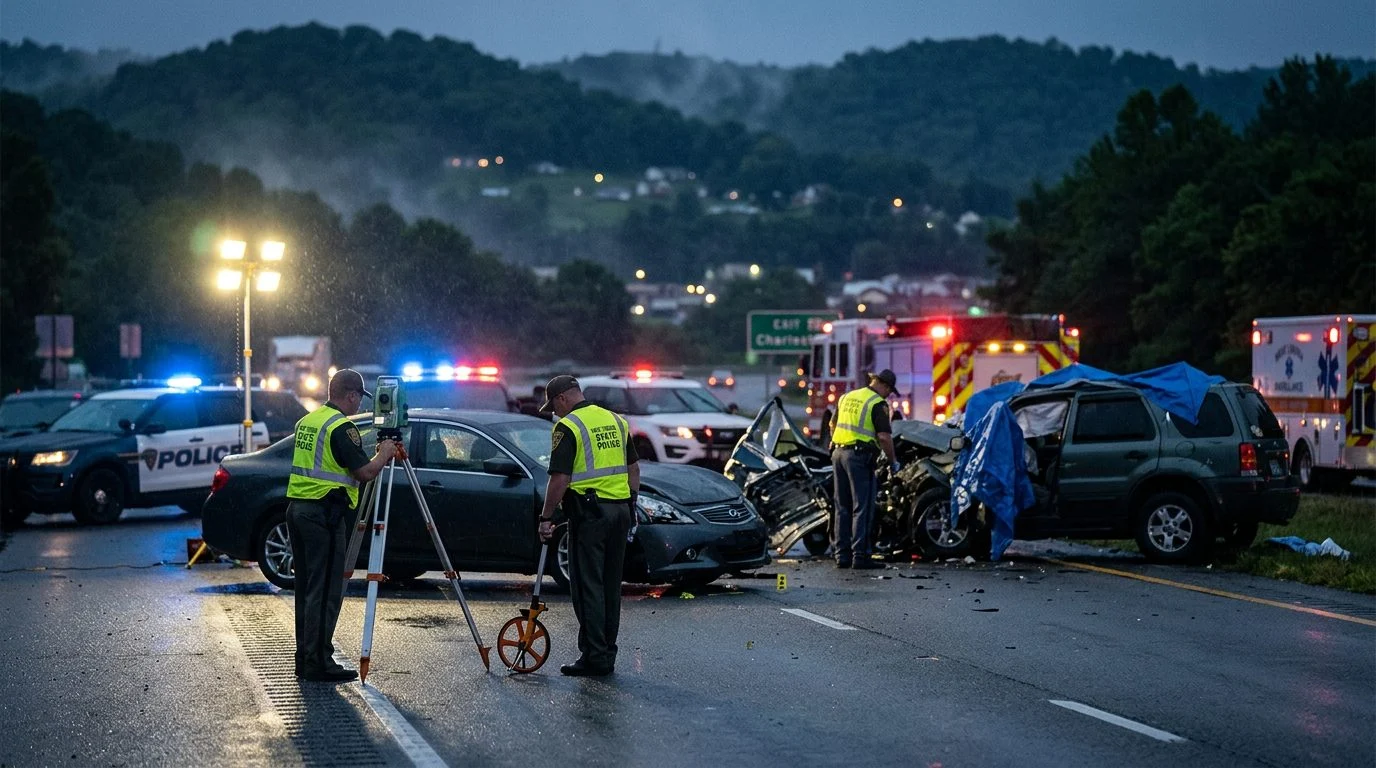
When a family member is hurt or killed, the questions come fast. Who should be contacted? What records should be kept? Which deadlines apply? Many families ask these while a loved one is in the hospital or recovering at home.
If a loved one died, the personal representative generally brings the wrongful death claim. Under § 55-7-6, a verdict shall include, but may not be limited to, damages for sorrow, mental anguish, and solace; compensation for reasonably expected loss of income and of services, protection, care and assistance the decedent provided; expenses for care, treatment and hospitalization from the injury; and reasonable funeral expenses.
Start a simple file now. Gather the crash report number, insurance details, medical records, and witness names. Note who was at the scene and what each person saw.
Common Questions
Can I still file if I was partly at fault?
Under West Virginia’s shared-fault rule, you may still recover if your fault is not greater than everyone else’s combined. Your recovery is generally reduced by your share of fault, under § 55-7-13c.
How do I get the crash report?
Ask the investigating law enforcement agency for it. Under § 17c-4-7, the officer must submit the report within 24 hours after finishing the investigation.
If you’re trying to figure out who may be responsible for a crash that hurt someone you love in a West Virginia work zone, you don’t have to sort it out alone. You can request a free case review and tell Big Bubba Injury Law what happened. We serve injury victims across West Virginia, including Charleston, Huntington, Morgantown, Wheeling, Martinsburg, Parkersburg, Beckley, Clarksburg, Fairmont, and Weirton.