
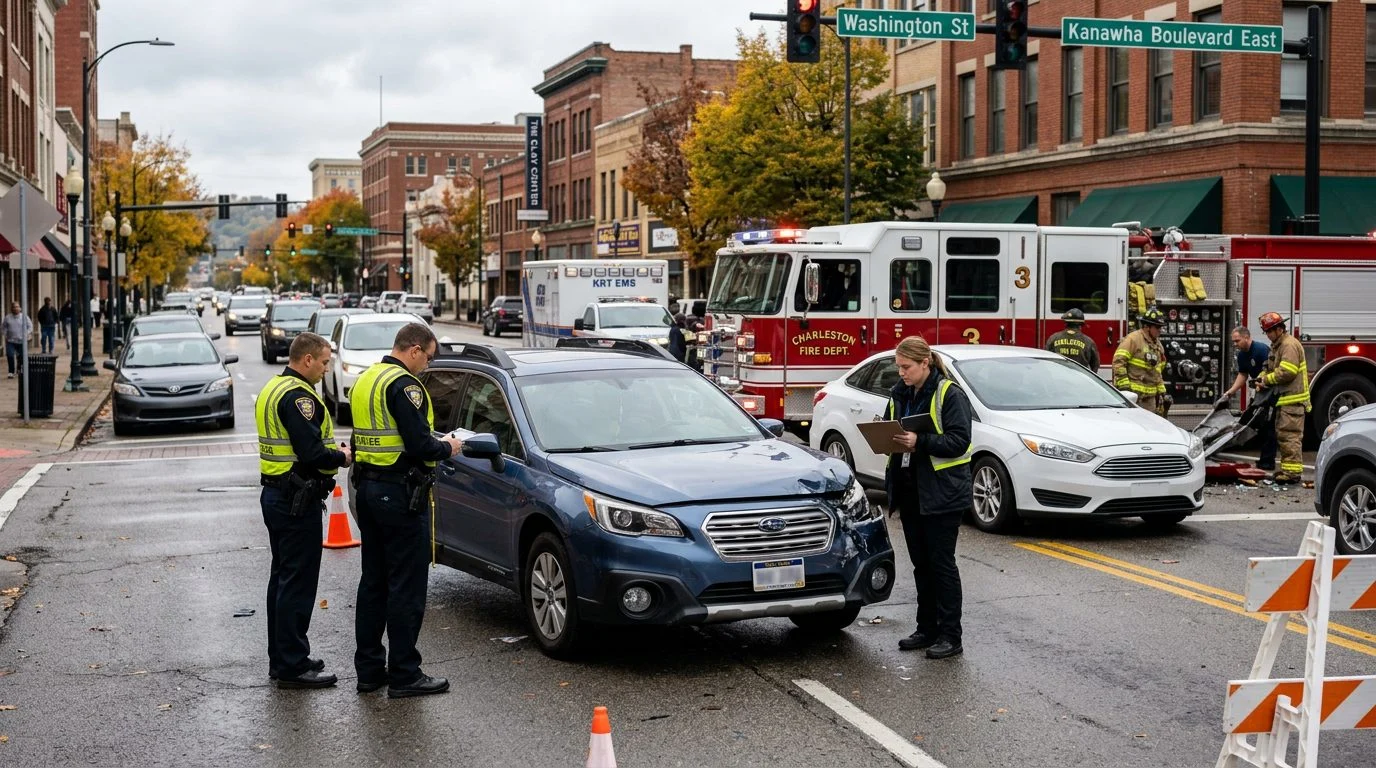
West Virginia Car Accident Evidence
Your Dash Cam Recorded the Crash. What Happens Next?
A short clip can be useful, but only if it is preserved and understood correctly. Here is how the firm approaches video in West Virginia crash cases.
Published November 16, 2026
Dash camera footage from a car accident in West Virginia can be useful evidence. It can show how vehicles moved, what the traffic signals showed, and what the road and weather looked like. It is still only one piece of the picture.
Here is what the footage can and cannot do, how to keep it safe, and why sharing it too soon can cause problems.
What Dash Camera Footage Can Show After a West Virginia Crash
Dash camera footage can record the moments before, during, and after a collision. It often sits alongside the police report and witness statements.
Timestamps are one of its most practical features. A timestamp can help place the crash on a timeline. That matters when you compare the video with other records.
Footage may also show how a vehicle was moving. It might show an apparent wrong-way approach, a sudden lane change, or a car running a light. That may be relevant, depending on the facts.
Video rarely decides a case by itself. Under West Virginia’s comparative fault rules, the question is how responsibility is split among the people involved. Footage that shows the sequence of events can help answer that question.
If you have dash cam footage from a crash and aren't sure what to do with it, you can reach out to us for a free case review. Talk it through with Big Bubba — the first case review is free, confidential, and carries no obligation.
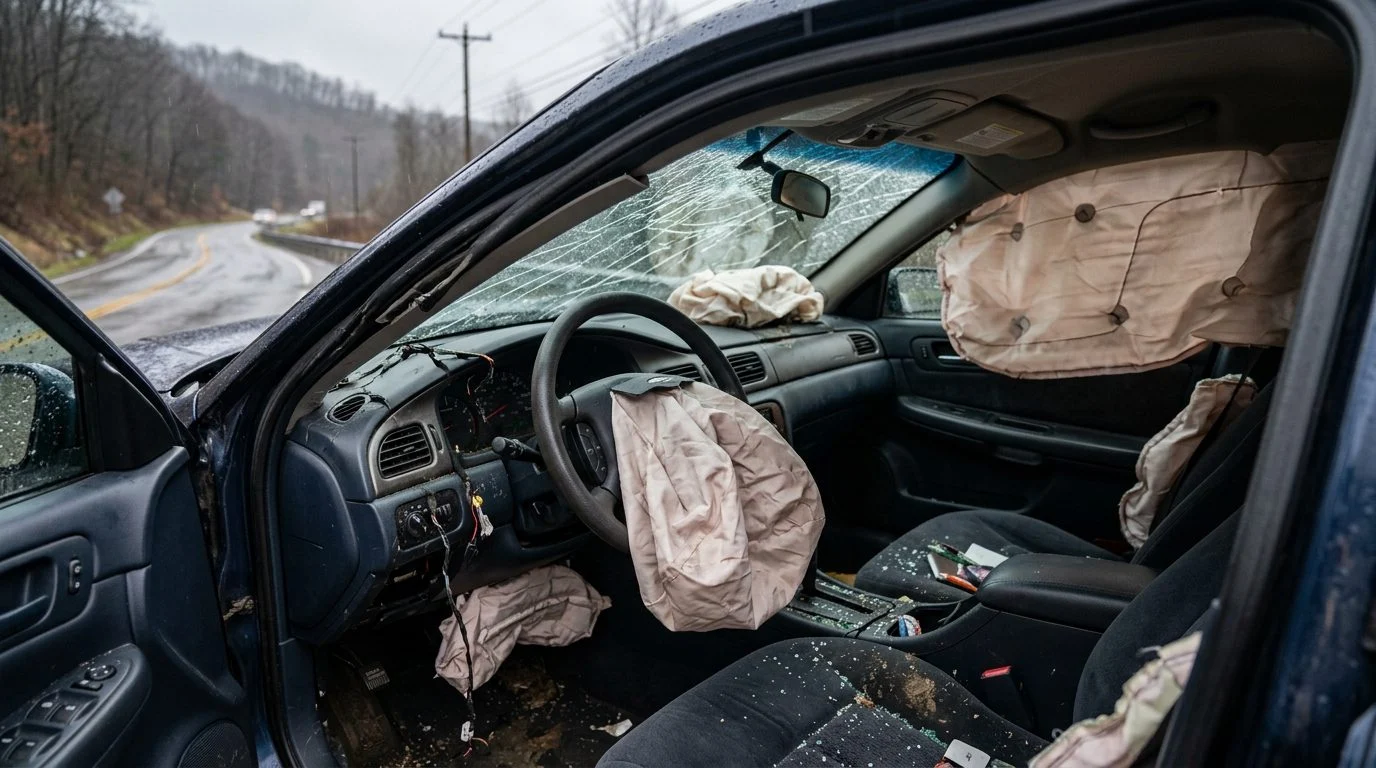
The Limits of Dash Cam Video
A single camera has a fixed angle. It may not show the other vehicle, a pedestrian, or what the driver could see. A car coming from the side may never appear in frame.
Many dash cameras record in loops. The device writes over older files as the memory fills. An early save can matter, so keep the original before the card gets reused.
Night driving, glare, rain, and snow can make footage blurry or hard to read. Gaps and poor quality don’t make the video useless. Even partial footage can add useful detail.
Recording rules also vary. Recording conversations can raise separate questions. Don’t assume every recording is usable in the same way.
Is West Virginia a No-Fault State, and Why Fault Matters for Video
West Virginia is generally treated as an at-fault state for car accident claims. That means a claim usually turns on who was responsible for the crash.
Under § 55-7-13c, a plaintiff’s own fault bars recovery only when it is greater than the combined fault of everyone else responsible. W. Va. Code § 55-7-13c reads: “(c) Any fault chargeable to the plaintiff shall not bar recovery by the plaintiff unless the plaintiff’s fault is greater than the combined fault of all other persons responsible for the total amount of damages, if any, to be awarded.” If it is less, the recovery is reduced in proportion to that fault.
Fault can be shared among several people. Under § 55-7-13a, each person’s responsibility is allocated by percentage. Footage showing speed, signals, or lane position may bear on those percentages.
Insurance coverage is a separate question from who caused the crash. Keep those two ideas apart when you review your paperwork. If another driver was at fault, footage that shows the sequence may be relevant to that issue.
How to Preserve Dash Camera Footage Safely
Save an unedited original copy as soon as you can. Keep the memory card or device in a safe place, and don’t record over it.
Make a backup on a second device or storage location. Write down the date and time you made each copy. This helps show the file was kept as it was recorded.
Avoid trimming, filtering, or re-saving the video, even if it seems helpful. Those steps can change the file’s details. They can also raise questions about whether the video is authentic.
Write notes while details are fresh. Include the location, time, weather, road conditions, and the names or details of anyone involved. Keep the notes with the footage.
Leaving the Scene and What Footage May Show
A driver in a crash that causes injury or death must generally stop at the scene. Under § 17c-4-1, the driver must stop as close to the scene as possible and stay until the information duties are met. The driver may leave only as needed to help an injured person.
If able, the driver must help an injured person, including arranging transport to a hospital when treatment is apparent or requested.
Footage may show whether a driver stopped, exchanged information, or drove away. That detail can matter to your account of the crash. Conduct is best judged with the full set of facts in hand.
Sharing Dash Cam Videos: News Clips, Social Media, and Insurer Requests
Posting your own footage online can complicate a claim. Talk it through before you share anything publicly.
News clips and social media videos are different from a recording you made yourself. A news outlet chooses what to publish and how to frame it. Your original file is evidence you keep and control.
An insurer may ask you for a copy of the footage. Some insurers may dispute a claim. It helps to understand exactly what you are providing before you send it.
Timing matters too. Under § 55-7-11a, no one may negotiate a settlement or take a statement for settlement purposes during the first twenty days after an injury. This applies while the injured person is an inpatient in any hospital, or partially or totally unable to engage in his or her usual trade, profession or occupation. Under W. Va. Code § 55-7-11a, a settlement, release of liability or statement entered into, obtained or made in violation of that section may be disavowed by the injured person at any time within one hundred eighty days from the date of the personal injury, by executing a written statement of disavowal and forwarding a copy of it to the person who violated the section. The settlement, release or statement then may not be admissible in evidence, but only if any consideration paid for the settlement of or the general release of liability for the personal injury is repaid or returned to the person who paid it.
Not sure what your next step is?
Talk it through with Big Bubba — the first case review is free, confidential, and carries no obligation.
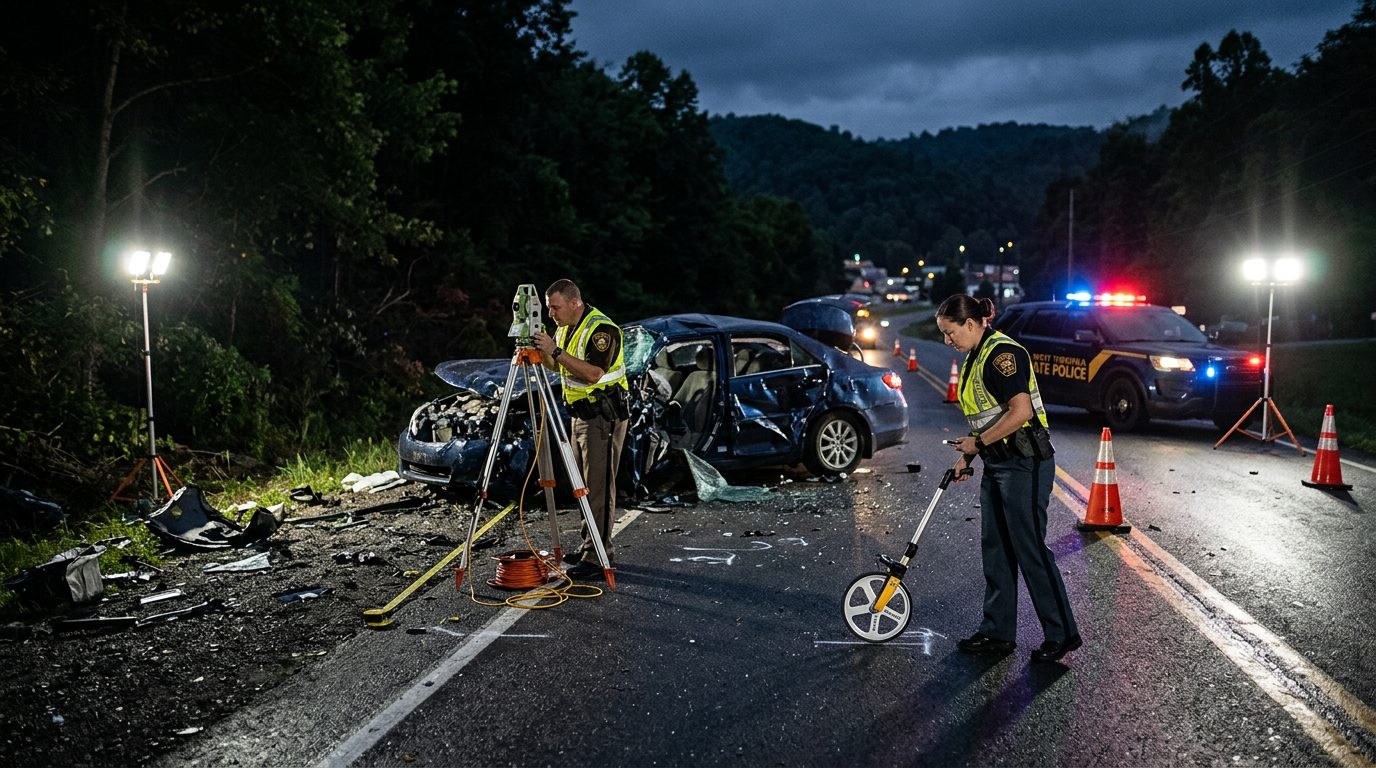
Deadlines and Talking With the Firm About Your Footage
West Virginia generally allows two years to file a personal injury lawsuit, and exceptions may apply. See § 55-2-12. For a wrongful death claim, § 55-7-6 generally requires the action within two years after death, brought by the personal representative.
Truck crashes can also involve federal rules. For related reading, see traumatic brain injury claims, truck accident claims, and wrongful death beneficiaries.
If you have dash cam footage from a crash that hurt you or someone you love, you don’t have to decide alone. You can request a free case review to talk through your specific facts. The firm handles car accident, truck accident, commercial vehicle, catastrophic injury, traumatic brain injury, spinal cord injury, and wrongful death claims. We serve injury victims across West Virginia.
Can dash cam footage be used in a West Virginia car accident claim?
It may be relevant evidence, depending on what it shows and how it was kept. Keep the original file intact.
Should I give dash cam footage to my insurance company?
Some insurers may ask for it. Understand exactly what you’re providing before you send anything.
How long do I have to file a car accident lawsuit in West Virginia?
West Virginia generally allows two years for personal injury claims, and exceptions may apply.