
Brain Injury After a Car Accident in West Virginia
A Brain Injury Changes Everything. We Help You Take the Next Step.
Symptoms can be hard to explain, and the paperwork can feel endless. You do not have to sort it out alone.
Published November 10, 2026
You were hurt in a car crash, and now headaches, memory lapses, or dizziness make daily life harder. You may be asking whether you need a lawyer after a brain injury from a car accident in West Virginia. Brain injury claims can involve detailed medical records and insurance paperwork, and you can reach out to the firm to talk through your situation.
The short answer: a lawyer is not required, but these claims are demanding
Injury claims can be handled in different ways, and the firm can explain your options during a free case review. The harder question is how much work the claim takes while your brain is still healing.
Brain injury claims often depend on medical records, neurological findings, and clear notes about what you can no longer do. A diagnosis is a start. Insurers may want proof of how your memory, focus, and daily routine have changed over time.
Insurers may also ask for a recorded statement or a signed release early on. West Virginia law generally bars anyone, within twenty days of the injury and while the injured person is in the hospital or partly or fully unable to do their usual work, from negotiating a settlement with them, getting them to sign a release, or getting a statement from them for use in a settlement or release. The exceptions are a statement the injured person expressly asks to give to a person acting or intending to act on their behalf, and an advance payment of all or any part of a liability for damages made by a person who may be liable for the injury. Review any early request before you respond.
Deadlines apply too. West Virginia generally allows two years to bring a personal injury claim, and exceptions may apply. Missing that window can limit your options. For background on the injury itself, read our traumatic brain injury guide.
If a crash left you with headaches or memory changes while insurance calls keep coming, you don't have to sort it out alone. Reach out to us for a free case review. Talk it through with Big Bubba — the first case review is free, confidential, and carries no obligation.

Why brain injury claims differ from other car accident claims
Brain injury symptoms often show up late, which makes early records important. Headaches, memory problems, irritability, or dizziness can appear hours or days after a crash. Many people first assume they are just sore or tired.
Good documentation helps in several ways:
- Tell your doctor about every new symptom, even small ones.
- Ask whether neuropsychological testing fits your situation, since thinking and memory effects are often measured that way.
- Write down vision changes, using this vision problems guide.
- Track sleep changes, using this sleep changes guide.
Brain injury damages can include ongoing medical care, time away from work, and changes in daily functioning. A simple daily journal of good days and bad days can show those changes over time. The Administration for Community Living notes that automobile accidents can cause traumatic brain injuries.
You may not know the full extent of the injury when the first insurance call comes in. That is normal. You can tell the adjuster you are still being evaluated before you give a full account.
Deadlines and what West Virginia generally allows
West Virginia generally allows two years to file a personal injury lawsuit after an accident, and exceptions may apply. The personal actions statute starts the clock when the right to bring the action arises.
Wrongful death has its own rule. The wrongful death statute says the action is brought by the personal representative of the deceased person’s estate. It must be started within two years after the death, subject to the provisions of section 18, article 2, chapter 55 of the West Virginia Code. W. Va. Code § 55-7-6 reads: “The provisions of this section shall not apply to actions brought for the death of any person occurring prior to July 1, 1988.” Families should review that timing promptly.
Insurance claim deadlines and lawsuit deadlines are different. An insurer may have its own notice steps, and meeting those steps does not replace a lawsuit deadline. Confirm your specific deadline as early as you can, because waiting can narrow your choices.
Dealing with insurers, medical records, and crash evidence
Organized records are your best tool when an insurer asks questions. Some insurers may dispute how serious a brain injury is or whether the crash caused it. Keep copies of everything you send and everything you receive.
Evidence commonly gathered includes:
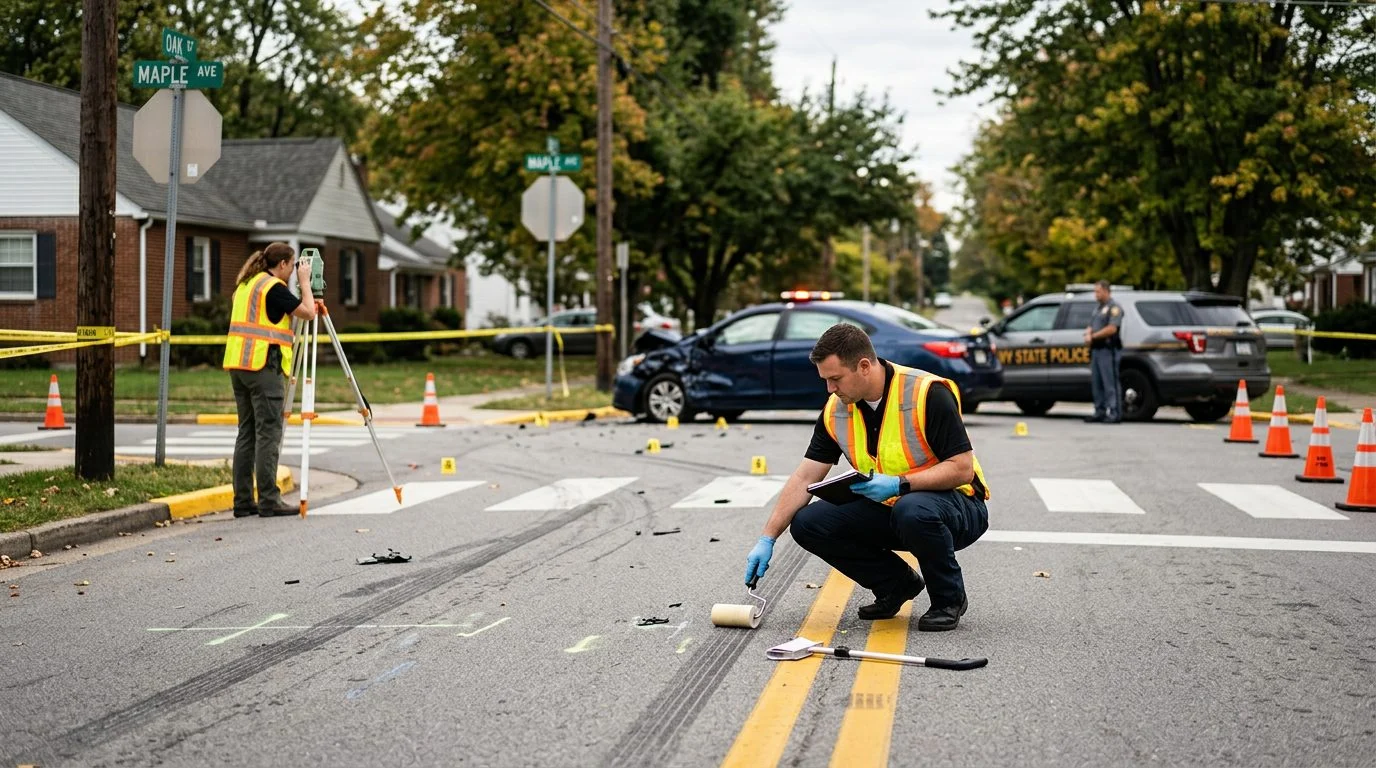
- The police crash report. Police departments may charge for copies, so ask the department directly.
- Photos of the vehicles, the scene, and your injuries.
- Names and phone numbers of witnesses.
- Medical records, imaging results, and treatment notes.
- Work records showing missed shifts or changed duties.
If another driver was at fault, that driver’s insurance may be part of the claim. West Virginia law generally ties each responsible party’s share of damages to that party’s percentage of fault, so more than one party may share responsibility.
Truck crash records may not stay around forever. Federal rules require motor carriers to keep driver duty-status records for at least six months from the date of receipt, under 49 C.F.R. § 395.8. Maintenance records are also governed by federal rules, including 49 C.F.R. § 396.3. Early requests for those records can matter.
What the firm handles in brain injury car accident cases
The firm handles car accident claims, truck accident claims, and commercial vehicle accident claims across West Virginia. We also handle catastrophic injury claims, traumatic brain injury claims, spinal cord injury claims, and wrongful death claims for families.
Our work typically includes:
- Gathering medical, crash, and work records.
- Communicating with insurers on the injured person’s behalf.
- Tracking filing deadlines.
- Reviewing the claim with the injured person, including which evidence may be relevant.
We serve Charleston, Huntington, Morgantown, Wheeling, Martinsburg, Parkersburg, Beckley, Clarksburg, Fairmont, Weirton, and communities across all 55 West Virginia counties. Whatever your city, you can reach out to us about your crash and your symptoms.
What to expect when you contact the firm
You start with a short intake, then a free case review. You decide the next step after that. The usual path has four stages.
- Intake. You or a family member describes the crash, the injuries, and current symptoms by phone or online.
- Free case review. The firm reviews the facts, injuries, and available records with you. There is no obligation to continue after the review.
- Records and insurers. If the firm takes the matter, it begins gathering records and communicating with insurers for you.
- Treatment and recovery. Medical care continues while the claim is developed. Brain injury claims can take months or longer, depending on the injury and the insurer.
You keep control over decisions about settlement and whether to file a lawsuit.
Not sure what your next step is?
Talk it through with Big Bubba — the first case review is free, confidential, and carries no obligation.
Common questions about a brain injury and a lawyer in West Virginia
Can I handle a brain injury claim on my own?
The medical and insurance demands can be significant, so many people want help.
What if my symptoms started days after the crash?
Delayed symptoms can occur with brain injuries. Tell your doctor about every change so it is written down.
Should I give a recorded statement to the other driver’s insurer?
You may ask for time to review first. The firm can help with that conversation.
What if the crash involved a commercial truck?
Truck claims often involve more parties and more records. That can make legal help more useful.
Can a family bring a claim if a loved one died from a brain injury?
Wrongful death claims may be available to certain family members under West Virginia law, and exceptions may apply. The claim is brought by the personal representative of the estate.

Brain injury and car accident cases
If a crash left you with headaches, memory trouble, or changes in sleep or vision, and insurers are calling, you can reach out to us. Tell us what happened in your own words, including the date, the location, and the symptoms you have noticed. Then request a free case review with the firm.