
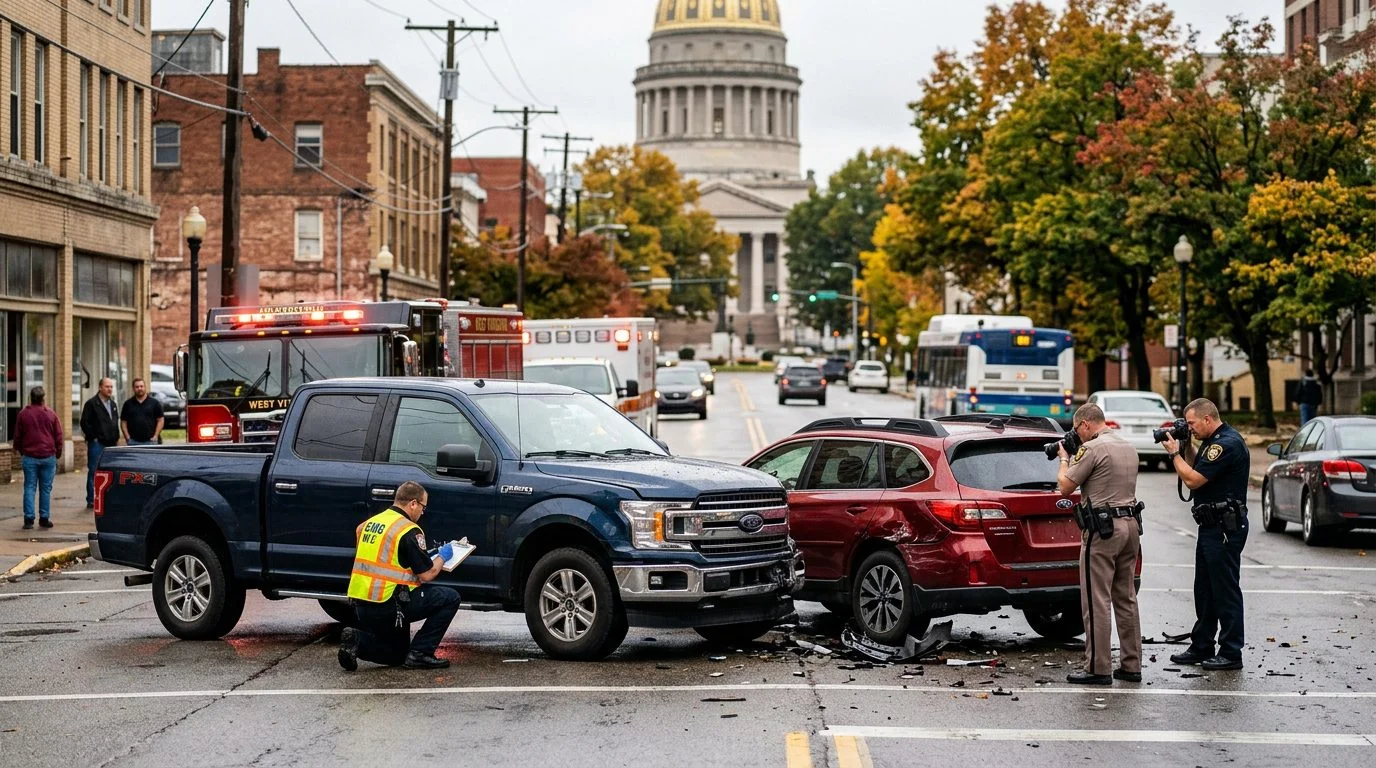
West Virginia Car Accident Claims
Got a Totaled Car Offer? Know Your Options Before You Sign
Questions about the offer, the vehicle's value, or injuries from the crash? The firm can help you sort out your next steps.
Published November 15, 2026
You were in a crash, and now the insurer says your car is a total loss. You may have an offer in hand and wonder if you have to accept it. You can ask questions, dispute the value, and respond in writing.
This page explains how that works in West Virginia. It also covers what to watch for if the crash left you hurt, because the car claim and the injury claim are separate.
What It Means When a Car Is Declared a Total Loss
A total loss means the insurer has decided that repairing your car is not worth doing. In most cases, the repair estimate is high compared with what the car was worth before the crash. Insurers may use different formulas, so the exact line depends on your policy and the insurer’s guidelines.
Being told your car is totaled is a claim decision. It is not a final verdict you must accept. You can ask how the insurer reached its conclusion. Ask for the basis in writing, including the repair estimate and the valuation.
Keep your own records. Save the crash report, photos of the damage, repair estimates, and receipts for upgrades or maintenance. These help if you question the decision later.
Remember that the vehicle claim is a property damage claim. Your injury claim is separate. It may follow different rules and a different timeline. Handling one does not settle the other.
If your car was totaled and you were hurt, you don't have to weigh the insurer's offer and your injuries alone; we can talk through your options in a free case review. Talk it through with Big Bubba — the first case review is free, confidential, and carries no obligation.
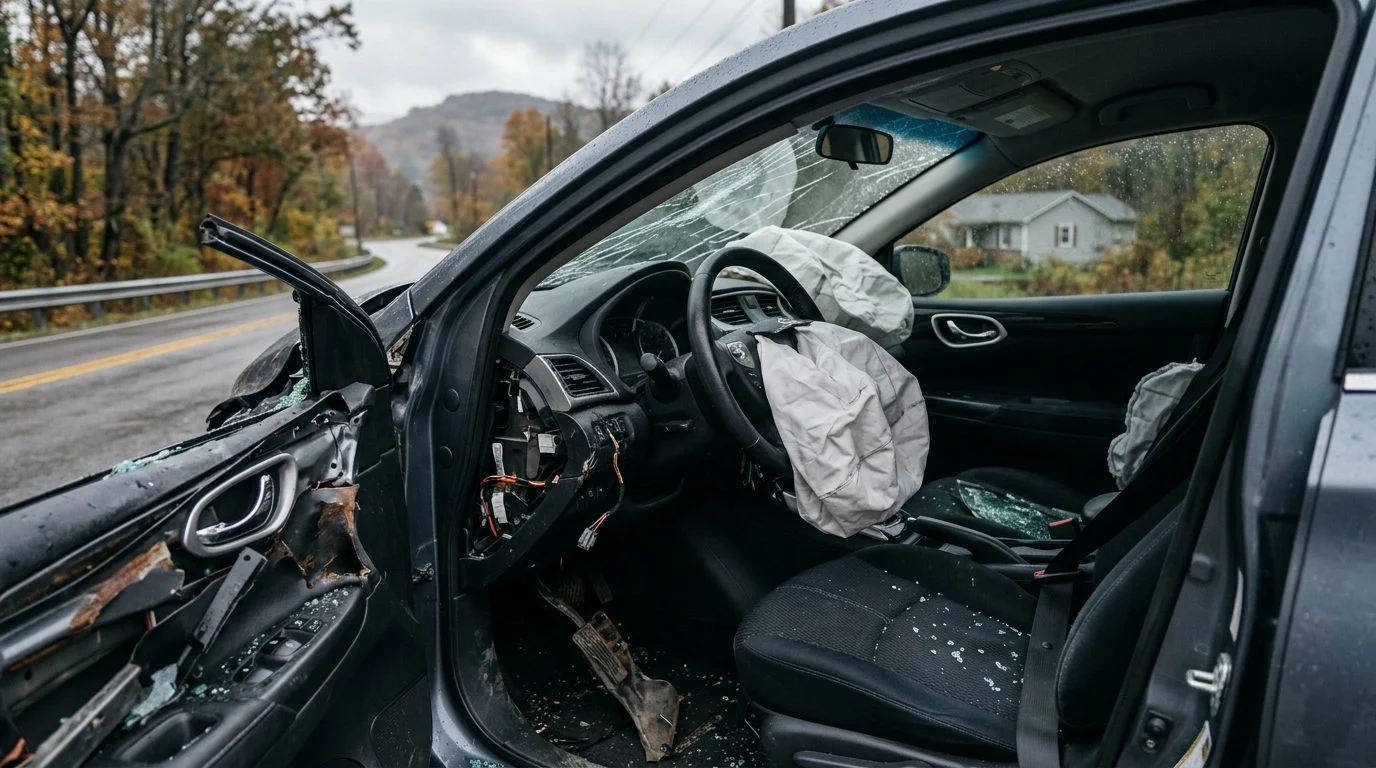
Do You Have to Accept the First Offer?
Generally, no.
An offer is a proposal. You can respond with a counteroffer, questions, or a written rejection. Some insurers may revise an offer after they receive new information, such as repair records or a list of comparable vehicles.
Read every document before you sign. Signing a release, endorsing a check marked as full payment, or signing over the title may close the property claim. If a form confuses you, ask for a written explanation before you sign. Keep a copy of everything you send and receive.
An insurer may also disagree with you in good faith. Under W. Va. Code § 33-11-4a, a good faith disagreement over the value of a claim is not, by itself, an unfair claims settlement practice. That is why solid evidence matters more than frustration.
How the Insurer Values a Totaled Vehicle
Insurers usually base a total loss payout on fair market value, which is what a similar car would sell for locally just before the crash.
The valuation often looks at the year, make, model, trim, mileage, condition, and options. It also looks at recent sales or listings of similar vehicles in the local area. Those comparable vehicles are the heart of the number.
Ask for the valuation report and the list of comparable vehicles. Check every line. A wrong trim level, a missing option, or incorrect mileage can change the value. Small errors add up quickly.
You can build your own case. Gather maintenance records, receipts for recent upgrades, photos taken before the crash, and listings for similar vehicles near you. Match condition and equipment as closely as you can. Some people also ask an independent appraiser to inspect the vehicle. That report can be submitted with your dispute.
Steps to Challenge a Total Loss Offer
To challenge a total loss offer, put your disagreement in writing and name the exact numbers you dispute.
Start with a letter to the adjuster and keep a copy. Attach your evidence and explain each item you think is wrong. Ask for a written response by a date you choose.
Keep a log of every call. Write down the date, the time, the adjuster’s name, and what was said. If someone makes a promise, confirm it in writing. Verbal promises are hard to prove later.
Review your policy for its dispute steps and deadlines. Many policies describe a formal process. If the insurer does not resolve the issue, that process may be your next step.
Under W. Va. Code § 33-11-4a, a third-party claimant’s only remedy for an unfair claims settlement practice or the bad faith settlement of a claim is an administrative complaint with the Insurance Commissioner, filed as soon as practicable and no later than one year after the actual or implied discovery of the practice. The law says that claimant may not bring a private lawsuit for that conduct.
Can You Keep a Totaled Car?
Some insurers allow you to keep a totaled car, but the payout is usually reduced by the car’s salvage value.
Owners sometimes call this retaining salvage. The car may then carry a salvage title, which can affect registration, insurance eligibility, and resale. The West Virginia Division of Motor Vehicles handles titles and registration and explains mandatory insurance on its website.
Before you decide, ask the insurer specific questions. How will the salvage value be set? What title will the car carry? Can it be driven again, and what steps would be required? Get the answers in writing.
If you still owe money on the car, add the loan to the list. The lender may need to be paid from the settlement. Ask how the payoff, the salvage deduction, and any remaining balance would work together. A loan can change the math, so don’t assume you will keep money after a payout.
Should You Cancel Your Policy After a Total Loss?
Usually, wait until you have confirmed in writing when coverage on the vehicle ends.
Canceling right away may affect rights under the policy or a claim that is still open. Coverage on a vehicle may end when it is no longer owned or insured, and that can depend on title transfer and lender requirements.
If you have a loan or lease, the lender may require coverage until the balance is paid or the vehicle is transferred. Canceling early could create a problem with that lender.
The West Virginia Offices of the Insurance Commissioner lists the required coverage limits. If you drive another vehicle, check whether that policy still meets your needs.
Ask the insurer, in writing, when coverage on this vehicle ends and what you need to do first. Keep the reply with your other records.
Not sure what your next step is?
Talk it through with Big Bubba — the first case review is free, confidential, and carries no obligation.
When a Totaled Car Also Means an Injury Claim
A car settlement may not cover your medical bills, lost pay, or long-term effects. A totaled car can signal an injury claim that needs its own review.
Rear-end crashes can cause neck, back, or head injuries. Some symptoms may not appear until hours or days later. If you feel different after a crash, tell your doctor and keep notes about symptoms and appointments.
Generally, West Virginia gives two years to file a personal injury or property damage claim, and exceptions may apply. See W. Va. Code § 55-2-12.
The law also limits some early settlement talks. For twenty days after an injury, a person may not negotiate an injury settlement with you, or seek a release or statement from you, if you are an inpatient or are partially or totally unable to engage in your usual work, with limited exceptions. See W. Va. Code § 55-7-11a. A settlement made in violation may be disavowed within one hundred eighty days from the injury by a written statement of disavowal, with a copy forwarded to the person who violated the section; the settlement then may not be admitted as evidence only if any consideration paid is repaid or returned to the person who paid it. W. Va. Code § 55-7-11a
See Davis v. Robertson. West Virginia also uses comparative fault, so responsibility is split by percentage, in direct proportion to each person’s fault, under the West Virginia comparative fault law.
If the at-fault driver’s limits are too low, your own underinsured motorist coverage may apply, depending on your policy. See W. Va. Code § 33-6-31.
For a brain or spinal injury, review our overview pages on traumatic brain injury and spinal cord injury.
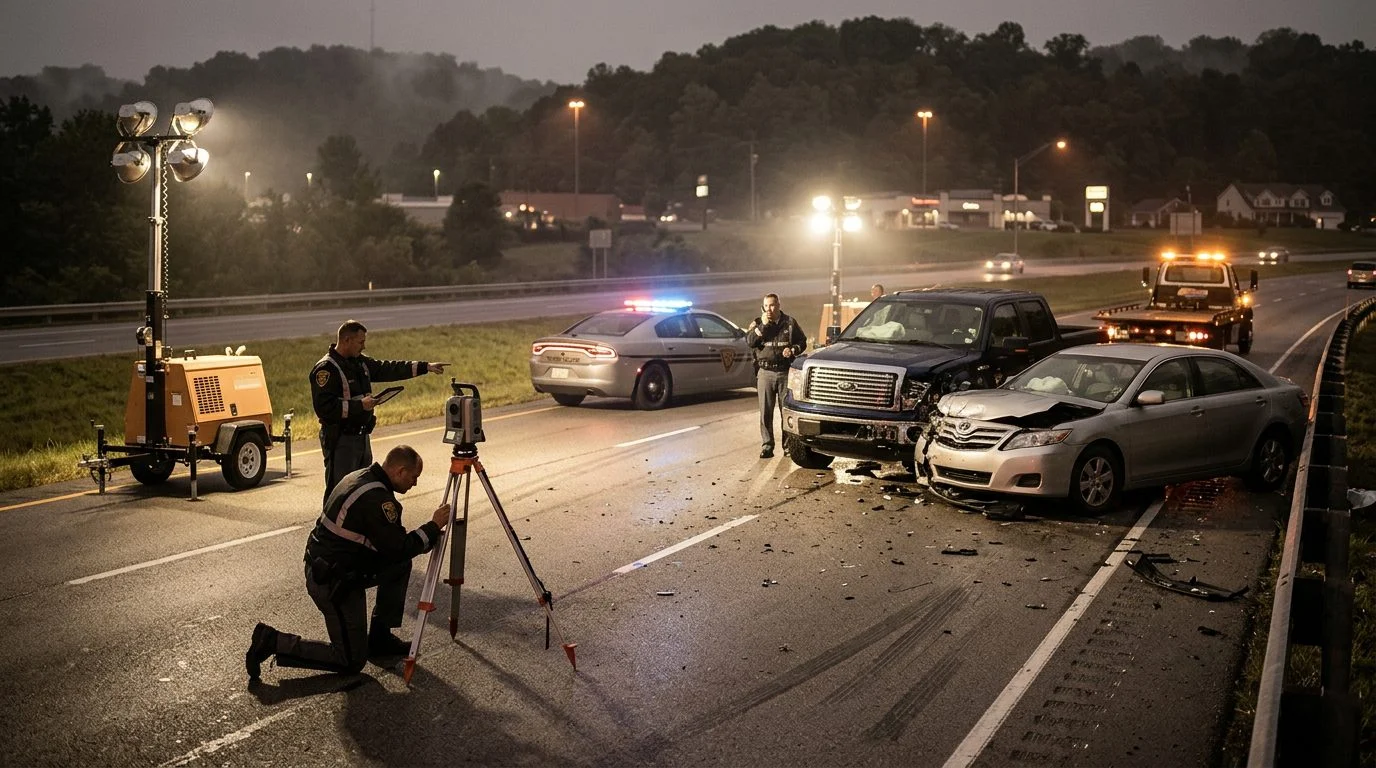
Next Steps After a Serious Crash
If your car was totaled and you were hurt, you may be dealing with an insurance letter while still recovering.
You may be handling medical appointments, missed paychecks, or a car loan. You may be helping a family member do the same. Three decisions may be in front of you: whether to accept, dispute, or keep the vehicle, and whether an injury claim should be reviewed alongside it.
The firm handles car accident claims, truck accident claims, and commercial vehicle claims. We serve West Virginia injury victims across all 55 counties, including people with brain injuries, spinal cord injuries, and families in wrongful death cases.
If you want a free case review of your crash, your offer, and the questions above, contact us here.