
Do People With TBI Go Back to Normal? Recovery Varies
Every brain injury is different. Here is what affects recovery, why progress can be slow or uneven, and how Big Bubba Injury Law can help injured West Virginians and their families understand their options.
Published October 09, 2026
Do People With TBI Go Back to Normal? What Recovery Really Looks Like
Whether someone returns to “normal” after a traumatic brain injury depends on the severity of the injury, where in the brain it occurred, the person’s age and overall health, and the quality of rehabilitation they receive. The honest answer: some people do recover well and resume their pre-injury lives, while others experience lasting changes they manage for years.
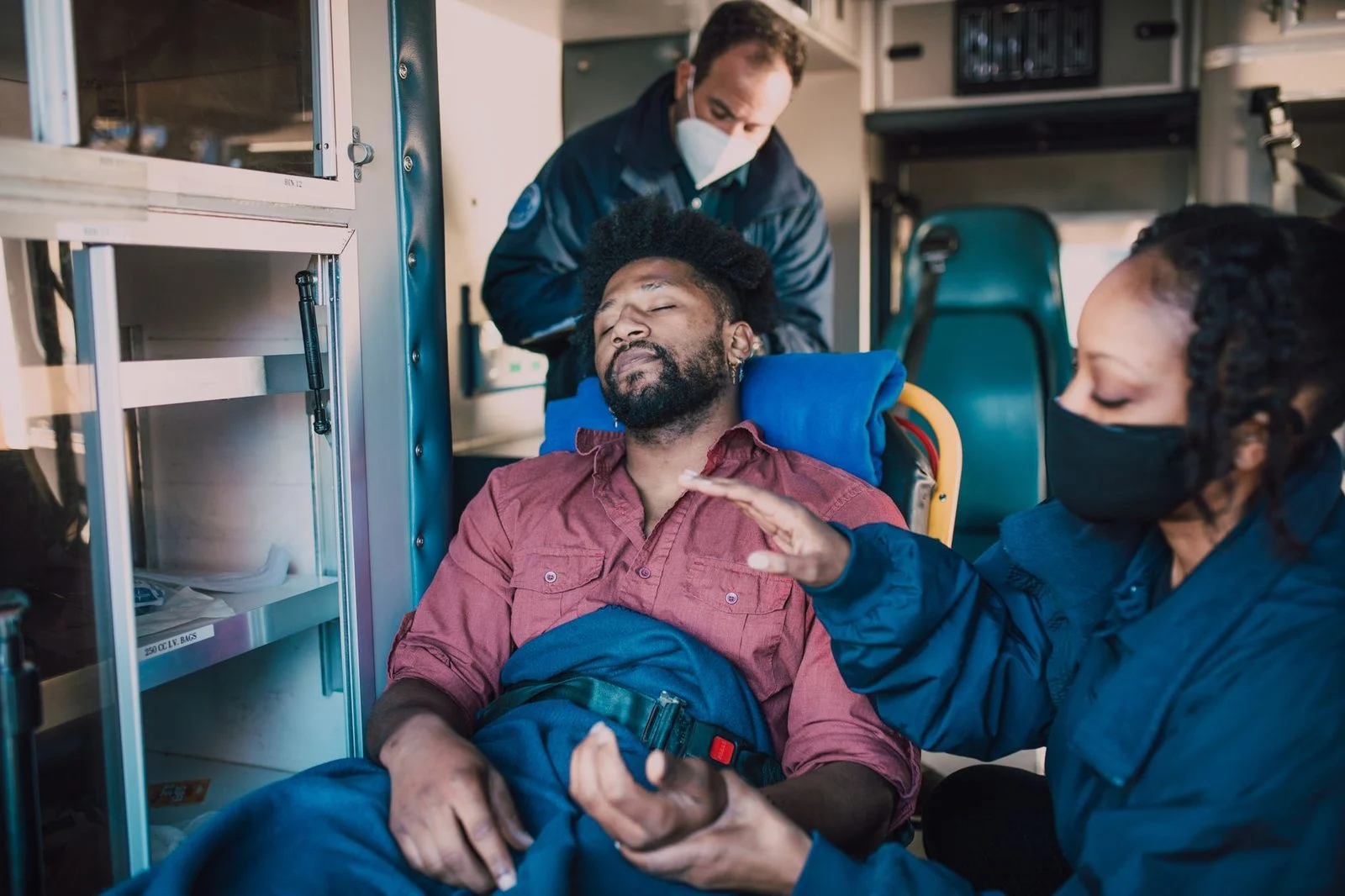
If your traumatic brain injury resulted from a car or truck accident caused by someone else's negligence, you may have a legal claim for damages. Talk it through with our team — the first case review is free, confidential, and carries no obligation.
What “normal” means after a traumatic brain injury
Recovery from TBI is not one-size-fits-all. The term “normal” can mean different things to different people. For some, it means returning to work. For others, it means regaining independence in daily tasks like cooking or managing finances. For still others, it means living with ongoing symptoms while adapting to a new baseline.
The National Institute of Neurological Disorders and Stroke (NINDS) defines a traumatic brain injury as a bump, blow, or jolt to the head that can result in a concussion. Recovery outcomes vary significantly based on injury severity, location within the brain, age, and access to rehabilitation. A mild TBI (concussion) may resolve in weeks or months. A moderate or severe TBI often involves months or years of recovery, with some effects persisting long-term.
Do you ever fully recover from a traumatic brain injury?
The answer depends on the injury’s severity. For mild TBI, many people return to their pre-injury baseline within weeks to months. However, some experience post-concussion syndrome—persistent symptoms like headaches, dizziness, difficulty concentrating, or mood changes—that can last months or years.
For moderate to severe TBI, the brain’s neuroplasticity (its ability to rewire and adapt) allows for meaningful recovery, but full return to baseline functioning is not guaranteed. The brain can form new neural pathways to compensate for damaged areas, but this process takes time and intensive effort. Recovery often continues for months and years after the initial injury, not just the first few weeks.
The reality: while some people make remarkable progress, others face lasting cognitive, emotional, or physical changes. This variability is why honest conversations about prognosis matter. Saying “most people recover” can mask the experience of those who don’t—the group sometimes called the “miserable minority” who face long-term symptoms that significantly impact their lives.
Is traumatic brain injury considered a chronic condition?
For many people, especially those with moderate to severe TBI, the answer is yes. Post-concussion syndrome can persist for months or years after a mild TBI. Moderate and severe TBI often result in ongoing symptoms managed as a chronic condition rather than fully resolved.
Long-term effects may include:
- Cognitive changes: difficulty concentrating, memory problems, slower processing speed, or trouble with planning and decision-making
- Emotional and behavioral changes: mood swings, irritability, anxiety, depression, or personality shifts
- Physical symptoms: chronic headaches, dizziness, fatigue, or sensitivity to light and noise
- Sleep disturbances: insomnia or excessive daytime sleepiness
- Changes in appetite or metabolism
These effects can impact work, relationships, and independence—even when the person appears to be “functioning” to others. Long-term management may include ongoing therapy, medication, lifestyle adjustments, and regular medical monitoring.
Not sure what your next step is?
Talk it through with our team — the first case review is free, confidential, and carries no obligation.
What is the life expectancy after traumatic brain injury?
Severe TBI can affect life expectancy, particularly if complications arise such as infections, seizures, or secondary brain injuries. However, mild to moderate TBI typically does not shorten lifespan. The quality of life and functioning may be affected, but longevity is not necessarily reduced.
Long-term outcomes depend on the severity of the initial injury, the person’s age and overall health, access to specialized rehabilitation, and social support. Adults 65 and older face greater risk of hospitalization and death from TBI, often from falls. Early and appropriate medical care significantly influences survival and long-term functioning.
The role of rehabilitation and early intervention
Recovery is not passive. Physical therapy, occupational therapy, speech therapy, and cognitive rehabilitation can improve outcomes and help people adapt to persistent symptoms. Early and intensive rehabilitation is associated with better recovery trajectories.
Rehabilitation doesn’t end after the first few weeks. Ongoing therapy and support—months or years after the injury—can help manage symptoms, rebuild skills, and improve quality of life. Access to specialized care and resources significantly influences whether someone returns to work, resumes hobbies, or regains independence in daily living.
When a car or truck accident caused your brain injury
If your traumatic brain injury resulted from a car or truck accident caused by someone else’s negligence, you may have a legal claim for damages. Compensation can help cover medical care, rehabilitation, lost wages, and other costs related to your recovery.
In West Virginia, a personal-injury lawsuit generally must be filed within two years after the right to bring the claim has accrued (W. Va. Code § 55-2-12). The sooner you understand your legal options, the better you can plan for long-term care and support.
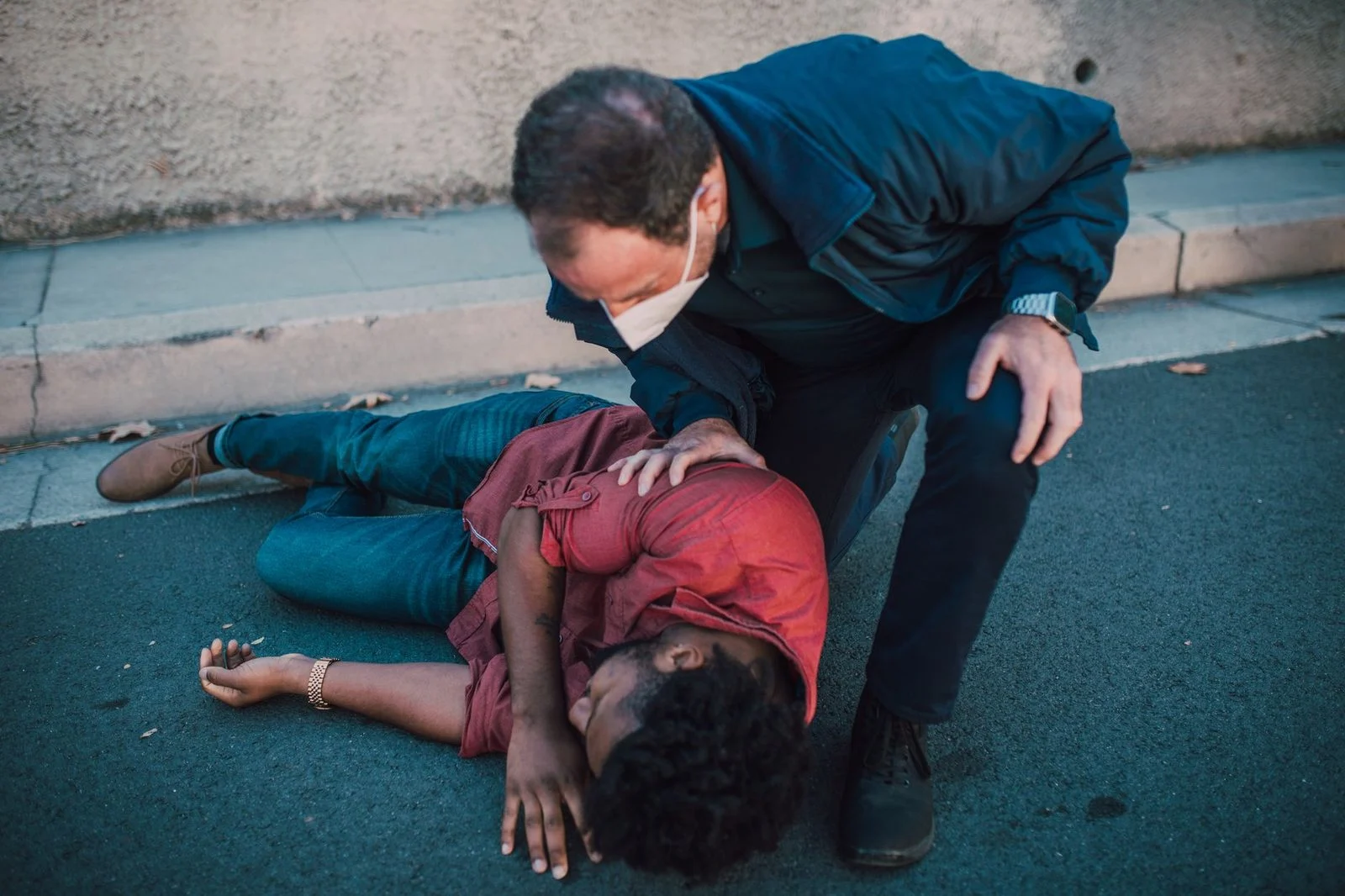
Have questions about what happened?
Ask our team directly. The first conversation is free, confidential, and there is no obligation to continue.
Frequently asked questions
Can the brain heal itself after a traumatic brain injury?
The brain has some capacity to heal and adapt through neuroplasticity, but recovery is not automatic and typically requires rehabilitation, time, and often professional support.
How long does recovery from a mild TBI take?
Many people recover from a mild TBI within weeks to months, but some experience post-concussion syndrome that lasts longer.
What happens if I don’t get rehabilitation after a TBI?
Without rehabilitation, recovery is often slower and outcomes may be worse. Early and intensive therapy is associated with better long-term functioning.
If my TBI came from a crash, what should I do first?
Seek immediate medical care, document the accident, gather witness information, and reach out to discuss your situation with someone who handles personal injury claims.
If a car or truck crash caused your brain injury, you may have a legal claim to help cover your recovery costs. Reach out to discuss what happened and explore your options for support.
Related practice areas
- Traumatic Brain Injury from Car and Truck Accidents in West Virginia
- What are the signs of a lack of emotion after a brain injury?
- Traumatic Brain Injury Case Review: Get Help After Your Crash