
Traumatic Brain Injury
TBI and Disability: What You Need to Know
A serious brain injury can affect your ability to work. We help injury victims understand their options and pursue the compensation they deserve.
Published October 05, 2026
Does TBI Qualify for Disability? Benefits & West Virginia Rights
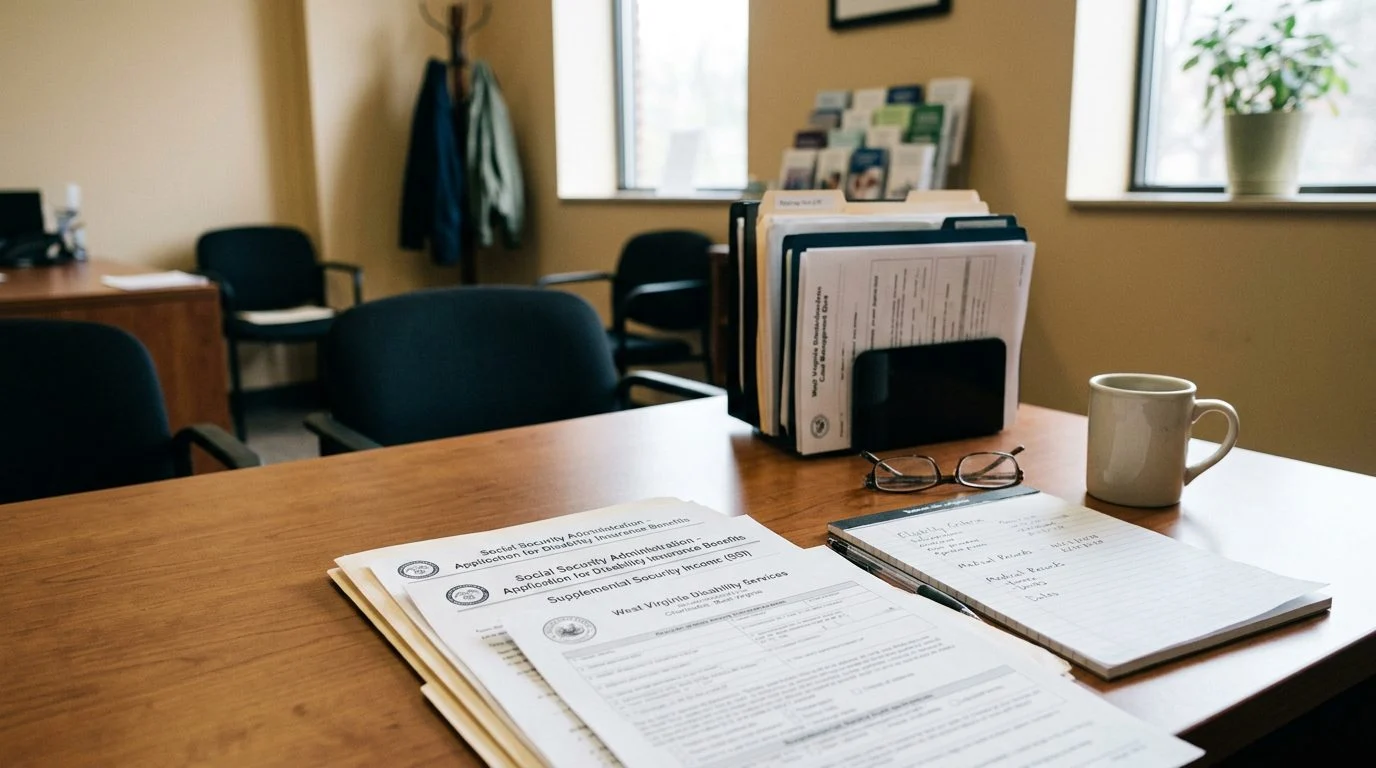
Yes, a traumatic brain injury can qualify for disability benefits if it causes lasting functional limitations that prevent you from working. Whether you qualify depends on the severity of your injury, how it affects your daily functioning, and the medical evidence you can provide. Two main federal programs recognize TBI-related disability: Social Security Disability Insurance (SSDI) and Supplemental Security Income (SSI). If your TBI resulted from an accident, you may also have a separate personal injury claim under West Virginia law.
If your traumatic brain injury came from a car crash, truck accident, or another incident, you may have a separate legal claim. Talk it through with our team — the first case review is free, confidential, and carries no obligation.
Does a Traumatic Brain Injury Qualify for Disability?
A traumatic brain injury qualifies for disability benefits when it substantially limits one or more major life activities and prevents substantial work activity. A traumatic brain injury is a bump, blow, or jolt to the head that changes how the brain normally works, and it can range from mild (concussion) to severe. Qualification doesn’t depend on whether the injury is permanent—it depends on whether your condition is expected to prevent work for at least 12 months or result in death.
The Social Security Administration doesn’t list traumatic brain injury as a specific condition in its “Listing of Impairments.” Instead, the SSA evaluates whether your TBI causes functional limitations severe enough to prevent work. Those limitations might include memory problems, difficulty concentrating, mood changes, physical coordination loss, or inability to follow instructions. Medical records, neuropsychological testing, and statements from doctors about how your injury affects your ability to work are critical to proving your case.
Is It Hard to Get Disability for a TBI?
Getting disability for a TBI can be challenging because many symptoms are invisible. Unlike a broken leg, a brain injury’s effects on memory, attention, judgment, or emotional control don’t show up on an X-ray. The Social Security Administration requires substantial medical evidence to prove your limitations are real and work-preventing.
Initial applications for TBI disability are often denied. The SSA may request additional medical records, order a consultative examination, or ask for a functional capacity evaluation. If you’re denied, you have the right to appeal. Many people find that working with legal guidance improves their chances on appeal, because the process requires careful documentation and presentation of medical evidence.
Is a TBI Considered a Permanent Disability?
Recovery from TBI varies widely. Some people regain significant function over time; others experience lasting cognitive, physical, or behavioral changes. For disability benefits purposes, what matters isn’t whether your injury is technically permanent—it’s whether your limitations are expected to last at least 12 months or prevent you from working during that time.
Social Security doesn’t require proof that you’ll never recover. It requires proof that your current condition prevents substantial work activity. If you improve significantly, your benefits may end. If your condition remains disabling, you may continue to receive benefits.
If your traumatic brain injury came from a car crash, truck accident, or another incident, you may have a legal claim separate from disability benefits. Talk it through with our team — the first case review is free, confidential, and carries no obligation.
Social Security Disability Benefits for TBI
Two federal programs provide disability benefits for people with traumatic brain injuries:
Social Security Disability Insurance (SSDI) is available if you’ve worked long enough and paid into Social Security. You receive monthly benefits based on your work history. If you’re approved, your family members may also qualify for benefits on your record.
Supplemental Security Income (SSI) is available if you have limited income and resources, regardless of your work history. SSI provides a monthly benefit to help cover basic living expenses.
Both programs require medical evidence that your TBI prevents substantial work activity. You’ll need medical records from your doctors, results of neuropsychological or cognitive testing, and documentation of how your symptoms affect your ability to work, manage daily tasks, and interact with others. The application and approval process typically takes several months to over a year.
Workplace Protections and Reasonable Accommodations
Even if you don’t qualify for federal disability benefits, the Americans with Disabilities Act (ADA) protects you in the workplace. Your employer must provide reasonable accommodations for TBI-related limitations. Those accommodations might include flexible work schedules, modified job duties, written instructions instead of verbal ones, a quiet workspace, or assistive technology.
Your employer cannot discriminate against you because of your TBI or fire you for requesting accommodations. If you believe your employer has violated your rights, you can file a complaint with the Equal Employment Opportunity Commission (EEOC).
If Your TBI Resulted from an Accident
If your traumatic brain injury came from a car crash, truck accident, or another incident, you may have a separate legal claim. A personal injury claim is different from a disability benefits application. It allows you to seek compensation from the person or company responsible for your injury.
In West Virginia, personal injury lawsuits generally must be brought within two years after the right to bring the claim has accrued, and exceptions may apply. Compensation may cover medical expenses, lost wages, pain and suffering, and long-term care needs. West Virginia follows a modified comparative fault rule, which means you can still recover even if you were partially at fault—as long as you weren’t more than 50% responsible for the accident.
Understanding your legal options after an accident-caused TBI is important. Disability benefits and a personal injury claim serve different purposes and can both be part of your path to recovery and financial stability.
Not sure what your next step is?
Talk it through with our team — the first case review is free, confidential, and carries no obligation.
Frequently Asked Questions
Can I get disability benefits while I’m still in recovery?
You can apply for disability at any time, but you must show that your condition is expected to prevent work for at least 12 months. Early application is often wise because the approval process takes time.
What medical tests do I need for a TBI disability claim?
Social Security looks for medical records, imaging results (CT scans or MRIs), neuropsychological testing, and functional assessments from your doctors describing how your injury limits your work capacity.
If I was injured in a West Virginia car accident, do I need to choose between a disability claim and a personal injury lawsuit?
No. You can pursue both. Disability benefits and a personal injury claim are separate processes. An injury claim seeks compensation from the at-fault party; disability benefits come from federal programs.
What if my employer caused my TBI?
If your injury happened at work, workers’ compensation may apply. If someone else caused the accident, you may have a personal injury claim. An attorney can help you understand which options apply to your situation.
If your traumatic brain injury came from a car crash, truck accident, or another incident, you may have a legal claim separate from disability benefits. Reach out to Big Bubba Injury Law to discuss what happened and get a free case review about your options.
Related practice areas
- Traumatic Brain Injury from Car and Truck Accidents in West Virginia
- Traumatic Brain Injury Claim After a Car Accident in West Virginia
- Wrongful Death Damages in West Virginia | Recovery Guide