
Spinal Cord Injury | West Virginia
Wondering If You Can Drive Again After a Spinal Cord Injury?
Questions about driving often come up soon after a serious crash. Here is a plain-language look at the steps involved, and how the firm can help you think through your own situation.
Published November 16, 2026
If a crash left you or someone you love with a spinal cord injury, a hard question comes fast: can driving happen again? Driving after a spinal cord injury depends on the injury itself, a treating physician’s medical clearance, and whether the person can operate a vehicle safely. Some people may return to driving with training or adaptive equipment. Others may not be able to drive for a time.
What a Spinal Cord Injury Is and Why Driving Questions Come Up
A traumatic spinal cord injury is damage to the spinal cord caused by a sudden blow or force to the spine. The spinal cord carries signals between the brain and the rest of the body. The NINDS spinal cord injury overview explains that the cord has three layers of protective tissue. Cerebrospinal fluid surrounds it and acts as a cushion against shock. A hard enough impact can still damage it.
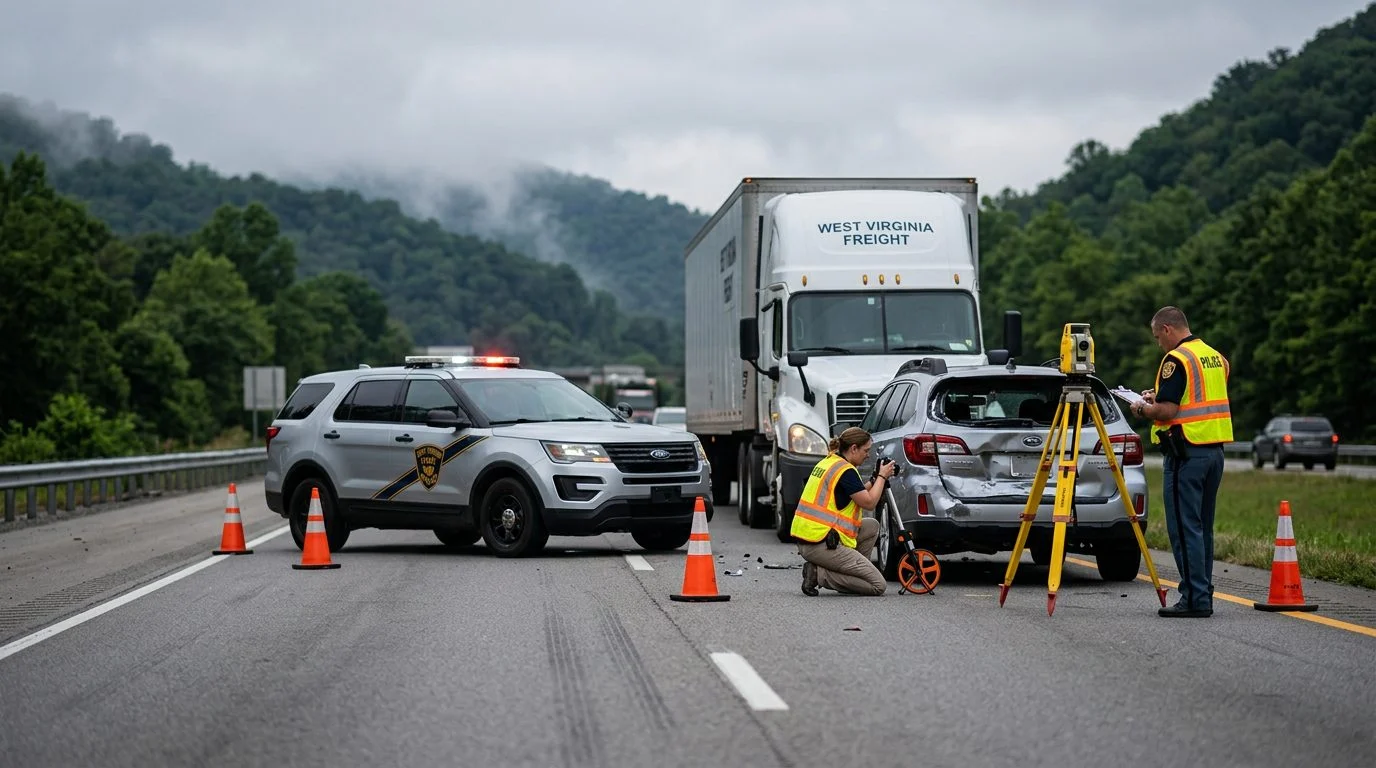
A car or commercial truck crash can put that force on the spine. This is blunt trauma, meaning a hit or force without a cut or puncture. MedlinePlus on spinal cord injury lists motor vehicle accidents among the causes. It also notes that weakness, paralysis, and loss of sensation may result.
Some spine injuries are not obvious at the scene. Numbness, tingling, or weakness can appear later. That is why early medical evaluation matters.
Driving questions come up because driving uses many body functions at once. Hands, legs, balance, vision, and head movement all play a part. So the answer depends on the specific injury, not the diagnosis label alone.
If a spinal cord injury has put driving in question for you or someone you love, you can reach out for a free case review. Talk it through with Big Bubba — the first case review is free, confidential, and carries no obligation.
Why Driving Depends on the Individual Injury
The level of injury and the functions it affects drive the decision. Nerves in the neck reach the arms, hands, and diaphragm. Lower nerves reach the chest, trunk, legs, and feet. Two people with the same diagnosis can have very different abilities.
An injury between C1 and C4 can affect breathing, because those nerves control the diaphragm. That is an urgent medical matter first, not a driving question.
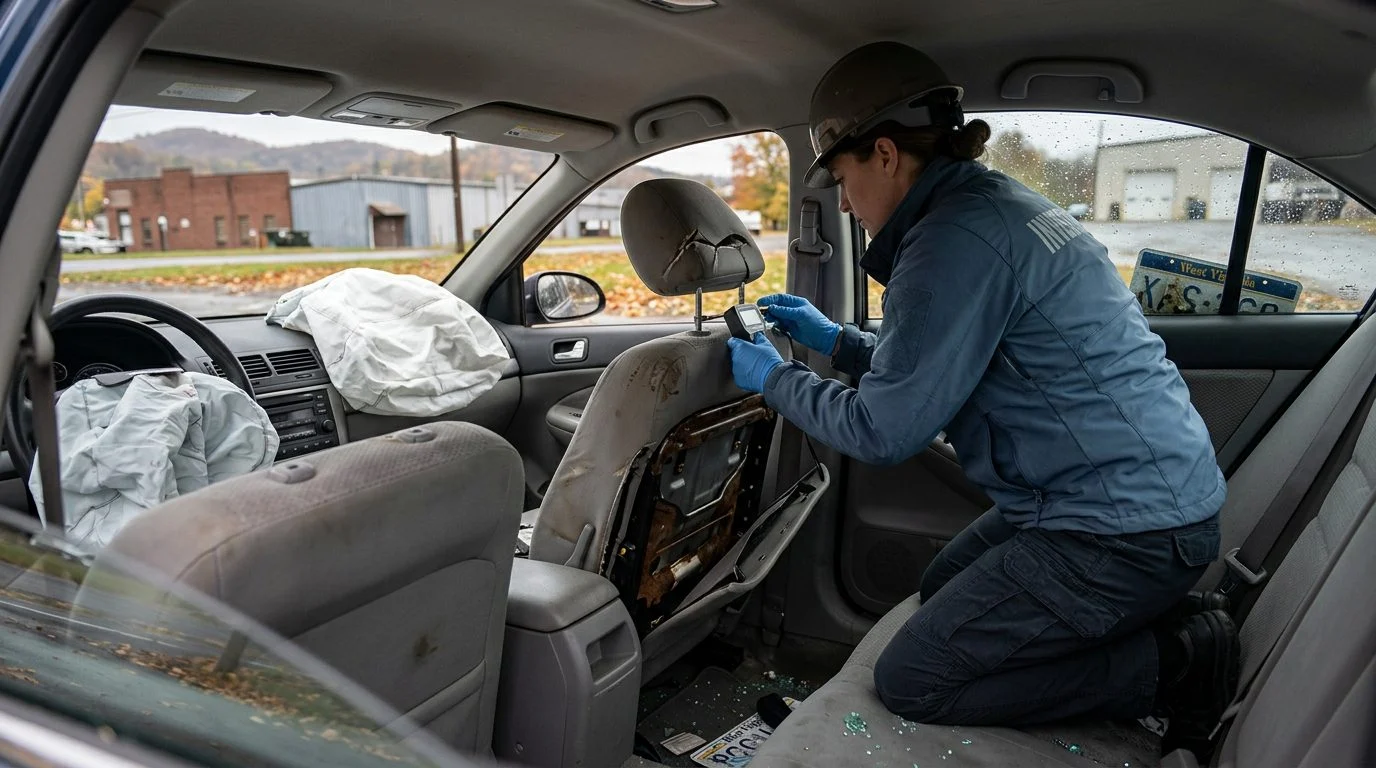
Driving also takes quick reactions, good vision, and the ability to turn the head to check mirrors and blind spots. Some spinal injuries can affect these skills. Pain, muscle spasms, and some prescribed medicines may also affect attention and reaction time. A treating physician can address those effects.
A physician’s medical clearance is the starting point. Don’t assume you can drive without it. A valid license is not the same thing. Ask the doctor directly whether driving is safe, and ask what limits, if any, apply.
Signs of Recovery and Why Timing Matters
Early signs of recovery often include returning feeling, stronger muscles, better control of movement, and steadier balance. Recovery is usually gradual, and it varies from person to person.
Providers track progress through follow-up exams and imaging. Any driving decision should follow those findings, not the calendar.
Early improvement does not, by itself, show that someone is safe to drive. A common mistake is assuming that feeling better means being ready. A person may regain some feeling in a hand but still lack the grip or reaction speed needed to steer. Medical providers look at the whole picture, including strength, balance, vision, and attention.
Keep a written record. Note symptoms, appointments, medicines, and what each provider says about driving. Bring that list to every visit. Families often find it useful when questions come up later.
Driver Rehabilitation and Adaptive Driving Equipment
A driver rehabilitation evaluation tests how a person with an injury handles a vehicle. Occupational therapists often perform these evaluations, and a physician may recommend one.
Adaptive equipment may help some drivers. Examples include hand controls, steering aids, and seat or transfer changes. Which equipment fits depends on the injury. Equipment chosen without an evaluation may not match the person’s needs.
Some people need training in a modified vehicle before driving alone. Results and options vary by person. A rehabilitation program may write findings that a physician, insurer, or state agency later reviews.
The evaluation gives a clearer answer than guessing. Keep copies of every report for your records.
West Virginia Licensing and Medical Review
The West Virginia Division of Motor Vehicles issues driver licenses and sets current licensing rules. It is the authority to check for today’s requirements.
Some medical conditions may affect a person’s ability to drive safely. A physician’s report or evaluation may be part of that review. Restrictions, such as limits on vehicle type or required adaptive equipment, may apply.
A valid license and medical clearance are different. A person can hold a license and still be advised by a doctor not to drive. Both questions matter.
Commercial drivers face stricter federal rules. Under federal driver medical rules, a driver may not operate a commercial motor vehicle unless medically certified as physically qualified. The rules also address limb impairments that interfere with normal driving tasks.
How a Crash That Changes Driving May Affect a Claim
When a spinal cord injury changes how a person drives, works, or handles daily tasks, those losses may be part of an injury claim. Whether they are depends on the facts.
Family members can have losses too. A spouse or parent may take on rides, errands, and caregiving. Those effects may be relevant, depending on the facts.
West Virginia generally allows two years to file a personal injury claim, and exceptions may apply. See West Virginia Code § 55-2-12.
If another driver was at fault, that driver’s insurer may be asked to address the losses. Who was at fault is decided by the facts. West Virginia uses comparative fault, so an injured person’s own share of fault can reduce recovery. Under West Virginia Code § 55-7-13c, the injured person’s fault bars recovery only if it is greater than the combined fault of all others.
Dash camera video and other crash evidence may be relevant, depending on what exists.
Not sure what your next step is?
Talk it through with Big Bubba — the first case review is free, confidential, and carries no obligation.
Key Steps After a Serious Crash
You may be reading this while a loved one is in rehab. Others are still waiting on answers from their own doctors. The driving question can feel like one more thing to carry, especially when appointments and family needs pile up.
Maybe a parent was driving when the crash happened, and now the family is asking whether that parent can drive again. Or maybe you were the one hurt, and you’re trying to work out what this means for work and daily life.
If you want to talk through the crash, the injury, and the questions in front of you, you can reach out for a free case review at the firm’s contact page. The firm handles car accident, truck accident, and spinal cord injury matters across West Virginia.