
Car Accident Injury
Traumatic Brain Injury After a Car Accident in West Virginia
A head injury from a crash can change your life. We help injured people and families understand their rights and pursue the compensation they need.
Published October 05, 2026
Traumatic Brain Injury Claim After a Car Accident in West Virginia
A traumatic brain injury (TBI) claim after a car accident covers the medical care, lost income, and other damages caused by the sudden impact or jolt that damaged your brain function. In West Virginia, a personal injury lawsuit generally must be filed within two years after the right to bring it accrues, and exceptions may apply (W. Va. Code § 55-2-12). You can pursue compensation even if you share some fault for the crash—as long as your fault doesn’t exceed 50% (W. Va. Code § 55-7-13c).

Not sure what your next step is?
Talk it through with our team — the first case review is free, confidential, and carries no obligation.
What Is a Traumatic Brain Injury Claim After a Car Accident?
A traumatic brain injury occurs when a sudden impact or jolt to the head damages brain function. In car accidents, this damage happens through direct head impact, violent motion of the brain inside the skull, or penetrating injury. A TBI claim is a legal action to recover compensation for the medical care, rehabilitation, lost wages, pain and suffering, and long-term care needs that result from that injury.
TBI claims are for anyone who suffered a brain injury in a West Virginia car accident and is seeking compensation. This includes:
- Drivers and passengers injured in collisions
- People injured by uninsured or underinsured drivers
- Family members pursuing claims on behalf of a loved one
How a Traumatic Brain Injury Claim Works in West Virginia
The process of pursuing a TBI claim involves six key steps. Understanding what happens at each stage helps you know what to expect and what actions protect your claim.
Step 1: Seek immediate medical evaluation. Go to an emergency room or urgent care facility right after the accident, even if you don’t feel injured. Brain injuries aren’t always obvious. Tell medical staff about the impact, any loss of consciousness, confusion, headache, dizziness, or memory problems. Medical documentation from this visit becomes critical evidence.
Step 2: Report the accident to the at-fault driver’s insurance company. Provide a factual account of what happened. Stick to the facts—do not speculate about fault or admit responsibility. Keep records of all communications.
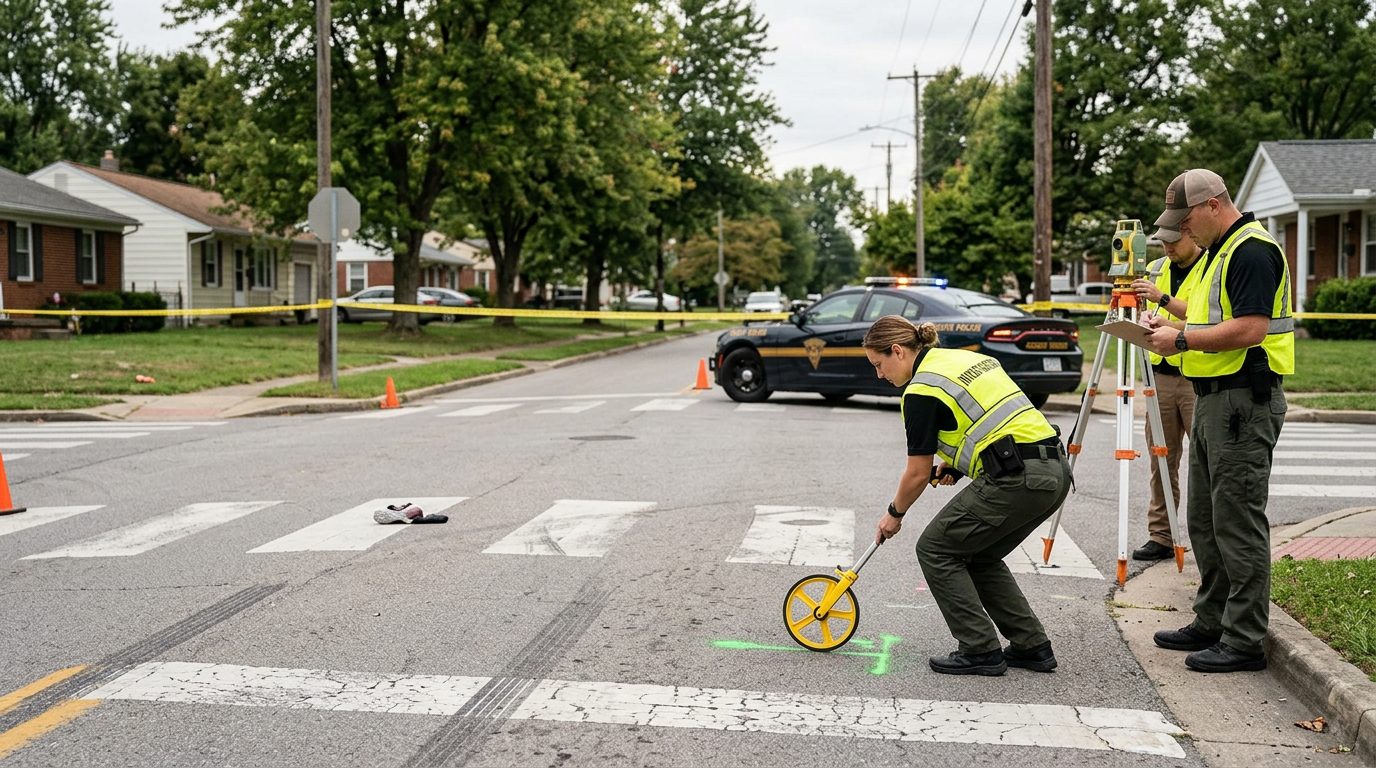
Step 3: Gather evidence. Collect the police report, medical records from all treatment providers, photographs of vehicle damage and the accident scene, contact information and statements from witnesses, and any communication from the other driver or their insurance company. Evidence directly supports your claim.
Step 4: Calculate your damages. Work with medical providers and, if needed, economic experts to document all costs: emergency care, hospitalization, imaging (CT scans, MRIs), rehabilitation, therapy, medications, medical equipment, lost wages, and future care needs. This calculation forms the foundation of your claim.
Step 5: Negotiate with the insurance company. Your attorney sends a demand letter outlining the accident, your injuries, the evidence, and the damages you’re seeking. The insurance adjuster reviews it and makes an offer. Negotiation may take weeks or months.
Step 6: Reach a settlement or proceed to trial. If the insurance company’s offer is fair, you can settle. If not, your attorney can file a lawsuit and take the case to trial. A judge or jury will then decide the outcome.
What a Traumatic Brain Injury Claim Covers
A TBI claim covers all damages—economic and non-economic—caused by the accident and your injury. This includes:
- Emergency medical care and hospitalization
- Diagnostic imaging (CT scans, MRIs) and ongoing medical monitoring
- Rehabilitation and therapy services (physical, occupational, speech therapy)
- Medications and medical equipment (wheelchairs, mobility aids, home modifications)
- Lost wages during recovery and reduced earning capacity if long-term impairment occurs
- Pain, suffering, and emotional distress caused by the injury
- Permanent disability or disfigurement
- Home care or assisted living if needed for daily living assistance
- Future medical expenses and lifetime care costs based on medical evidence of your long-term needs
Insurance companies often undervalue TBI claims because brain injuries may not be visible on initial imaging. Establishing what your injury actually costs—both now and over your lifetime—requires detailed medical documentation and expert evaluation.
Have questions about what happened?
Ask our team directly. The first conversation is free, confidential, and there is no obligation to continue.
Why Preserving Evidence Matters in Your TBI Claim
Evidence collected immediately after the accident strengthens your position in settlement negotiations and, if necessary, in court. Preserve:
- Accident scene evidence: photographs of vehicle damage, road conditions, traffic signals, debris, and weather
- Medical records: emergency room notes, imaging results, diagnosis, treatment plans, and provider assessments of your symptoms and recovery
- Witness statements: contact information and written or recorded accounts from people who saw the accident
- Police report: official documentation of the accident, injuries reported, and any citations issued
- Communication records: texts, emails, or statements from the other driver or their insurance company
The more evidence you have, the harder it is for an insurance company to dispute what happened or downplay your injuries.
Timeline: What to Expect From Accident to Resolution
Understanding the typical timeline helps you plan for recovery and stay informed about your claim.
Immediate (first 24–72 hours): Seek medical care, report to police and insurance, and begin documenting injuries and symptoms.
Short-term (weeks 1–4): Gather medical records, obtain a comprehensive medical evaluation, contact the insurance adjuster, and preserve evidence.
Medium-term (months 2–6): Complete initial medical treatment, receive detailed medical reports and prognosis, and begin settlement discussions with the insurance company.
Long-term (6+ months): Continue ongoing treatment, obtain expert evaluations (medical, economic, or accident reconstruction), submit a formal demand letter, and negotiate or prepare for litigation.
Settlement or trial: The timeline varies based on case complexity, injury severity, and how clear liability is. Some cases resolve in months; others take longer. West Virginia generally allows two years from when the right to sue accrues for personal injury claims, and exceptions may apply, so do not wait to reach out.
What Happens If You Were Partially at Fault?
Many people worry that sharing fault with the other driver means they can’t recover. In West Virginia, that’s not how it works. The state follows a modified comparative fault rule: your damages are reduced by your percentage of fault, but you can still recover as long as your fault is 50% or less. For example, if you’re found 20% at fault and your damages are $100,000, you recover $80,000. This rule protects injured plaintiffs while holding everyone accountable for their role in the accident.
Common Questions About TBI Claims After Car Accidents
Q: How long do I have to file a claim?
West Virginia law generally gives you two years from when your right to sue accrues to file a personal injury lawsuit, and exceptions may apply. Don’t wait—evidence can be lost, and witnesses’ memories fade.
Q: What if the other driver was uninsured?
If you rely on the uninsured motorist coverage required by W. Va. Code § 33-6-31(b), a copy of the summons and complaint must be served on your insurance company if an action is brought against the uninsured or underinsured driver, and other legal remedies may also be available. Your attorney can help you explore all available options.
Q: Will my case go to trial?
Many cases settle before trial, but if liability or damages are disputed, trial may be necessary. Your attorney will advise you on the strength of your case and what to expect.
Q: What costs am I responsible for?
You are responsible for court costs and case expenses. However, you do not pay attorney fees unless we win your case.
Q: How is a TBI different from a concussion?
A concussion is a type of TBI caused by a bump, blow, or jolt to the head. Not all TBIs are concussions, and not all concussions are mild—some cause serious, long-term impairment.
Want to know where you stand?
Tell us what happened and our team will walk you through the options available to you, at no cost.
Why You Need Help With a Traumatic Brain Injury Claim
Pursuing a TBI claim on your own is difficult. Insurance companies have teams of adjusters trained to minimize payouts. Brain injuries are complex—they’re not always visible on imaging, and their long-term effects require expert medical and economic analysis to value accurately. An attorney handles communication with insurers, gathers and organizes evidence, calculates fair damages, and negotiates or litigates on your behalf while you focus on recovery.

What Happens When You Reach Out
When you contact us, you tell us what happened—the accident, your injuries, and your concerns. We review your case, explain your options and next steps, and handle communication with insurance companies and evidence gathering. We work toward a fair resolution that covers your medical care, lost income, and other damages while keeping you informed throughout the process.
If a car accident left you or a loved one with a head injury you’re still trying to understand, telling us what happened is the first step toward getting answers about your claim.
Related practice areas
- Traumatic Brain Injury from Car and Truck Accidents in West Virginia
- Catastrophic Spinal Cord Injury Car Accident | West Virginia