
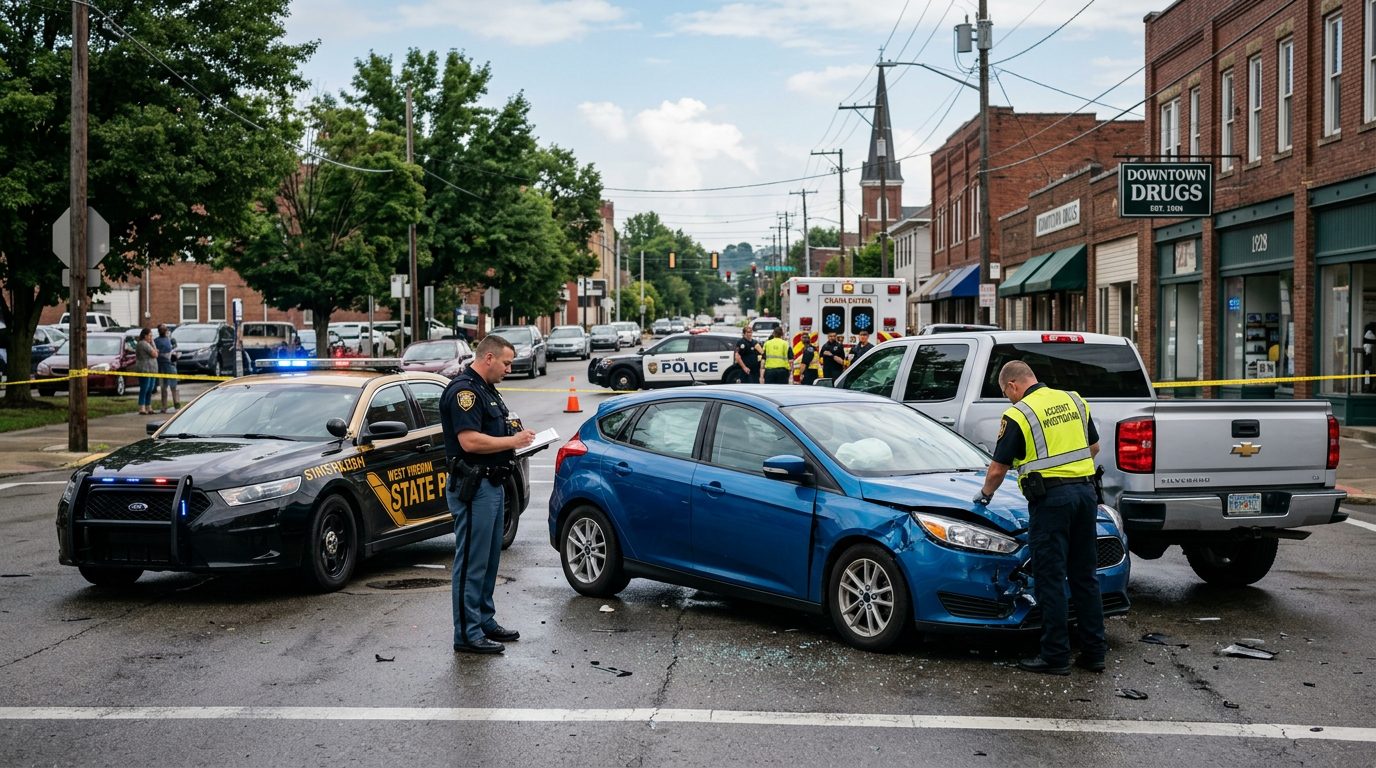
West Virginia crash reports
Getting Your Accident Report in West Virginia, Step by Step
A clear guide to finding the report from the agency that investigated your crash, and what to do if you have questions about it.
Published November 17, 2026
If someone you love was hurt in a crash, the police report is often one of the first papers you’ll need. Crash reports are submitted to the Division of Highways, and you may be able to ask the investigating agency about obtaining a copy.
This guide covers which agency to contact, how to ask for the report, and what to do if it’s slow to appear. Many readers are still recovering or caring for someone who is, so the steps are kept short.
Why a crash report matters after a serious injury
A crash report is the official record of a crash, and it may be relevant to your claim, depending on the facts. West Virginia law requires an officer who investigates, in the regular course of duty, a crash occurring on the public streets or highways of this state that causes bodily injury, death, or total property damage to an apparent extent of $1,000 or more to prepare a report. Under W. Va. Code § 17c-4-7, the investigating officer generally has 24 hours after finishing the investigation to file the report, and exceptions may apply. W. Va. Code § 17c-4-7
The report is one piece of the paperwork. Photos, medical records, insurance letters, and witness names matter too. Some injuries, including a traumatic brain injury, may not show their full effects for days. Keep the report with your other records so nothing gets lost during treatment.
If you're caring for someone hurt in a crash and gathering papers feels like too much right now, you don't have to sort it out alone. We can talk it through with you. Talk it through with Big Bubba — the first case review is free, confidential, and carries no obligation.
Find out which agency responded to your crash
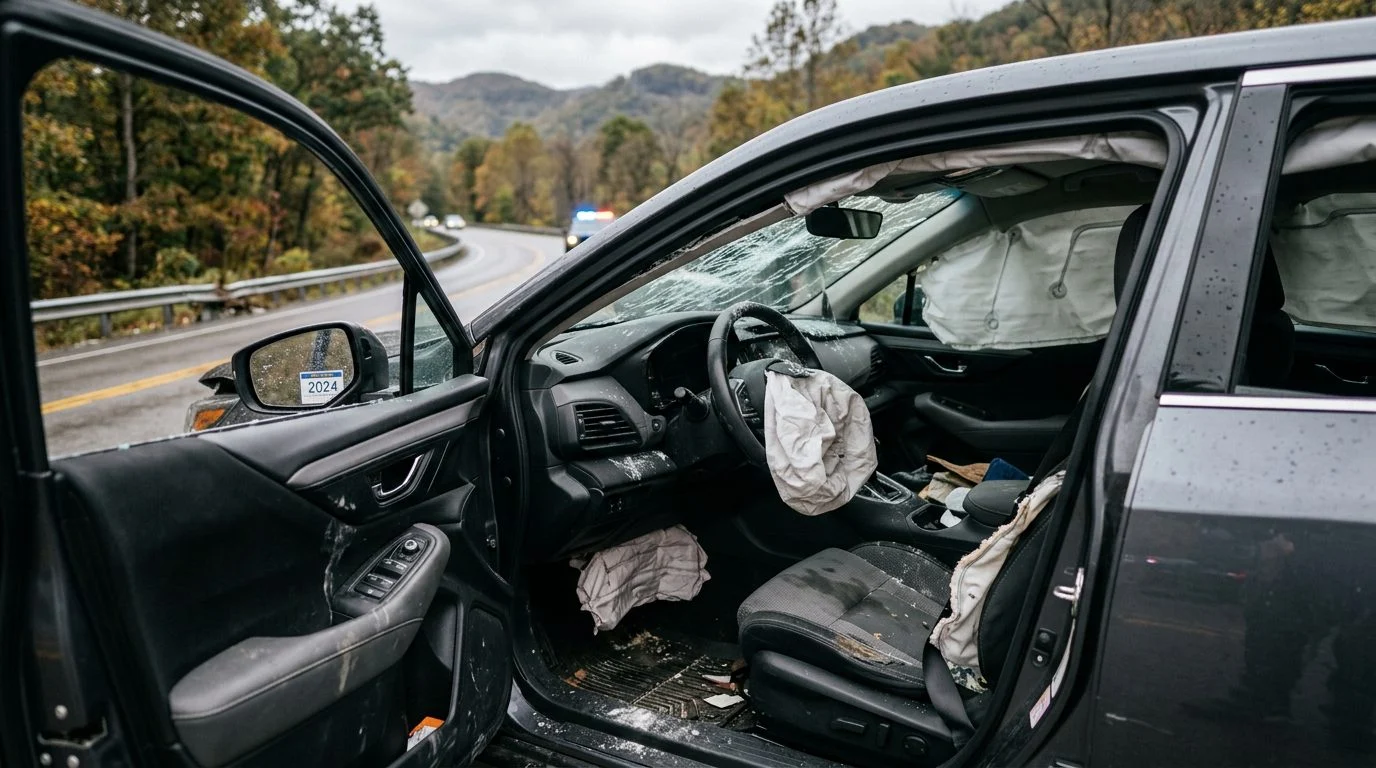
The agency that responded to a crash may be a city or town police department, a county sheriff’s office, or the West Virginia State Police. The crash location is the main clue.
Under W. Va. Code § 17c-4-6, drivers in a qualifying crash generally must report it immediately, and exceptions may apply. If the crash happened inside a municipality, the driver reports to the local police. Otherwise, the driver reports to the county sheriff or the nearest State Police office. W. Va. Code § 17c-4-6
A municipality may, by ordinance, require drivers to file a crash report with a city department, and those reports are confidential. W. Va. Code § 17c-4-15
If you’re unsure, check the scene paperwork, any card the officer gave you, or the insurance letter you received. These documents often name the agency.
How to request the report from the responding agency
Start with the responding agency and ask whether it offers an online request option. If it does, you can use that. If it doesn’t, the agency’s records section can explain its mail or in-person process.
Each agency sets its own steps. Local agencies may publish their own guidance on accident reporting. Read the FAQ for the agency you’re dealing with, since procedures differ. Monongalia County Sheriff FAQ
Before you submit, ask about processing time and any copy requirements. Write down the answers.
The same statute also requires the investigating officer to give each driver’s owner, operator, and insurance information to the other drivers, and to their insurance agents, on request. That information is provided at no cost, even before the report is finished. W. Va. Code § 17c-4-7
Details to have ready before you request it
Have the date, approximate time, and exact location ready, along with the drivers’ names and any case number. These details help the agency find the right crash.
- The date, approximate time, and exact location, such as the road, mile marker, or nearest intersection.
- The names of the drivers, plus the plate or make and model of each vehicle if you know them.
- Any incident or case number the officer gave you at the scene.
- The name of the responding agency, if you know it.
- Your connection to the crash, such as driver, passenger, or family member making the request.
Agencies may ask who is making the request. If you’re asking for an injured relative, say so plainly and be ready to explain how you’re related. If a commercial truck was involved, note the trucking company’s name and the truck’s number if you have them.
What to do if the report is not yet available or cannot be found
If the report isn’t ready, the timing depends on the investigation and the agency. Ask whether an incident number was assigned to your crash, and check whether it was logged under a different date or location.
The statute sets timing rules for longer investigations. If an officer can’t finish within 10 days, a preliminary report goes to the Division of Highways on the 10th day. The final report follows within 24 hours after the investigation is complete. W. Va. Code § 17c-4-7
Keep a written log of each request. Record the date, the agency, the person you spoke with, and any reference number. A log helps if you need to follow up.
Talking with someone about your crash paperwork
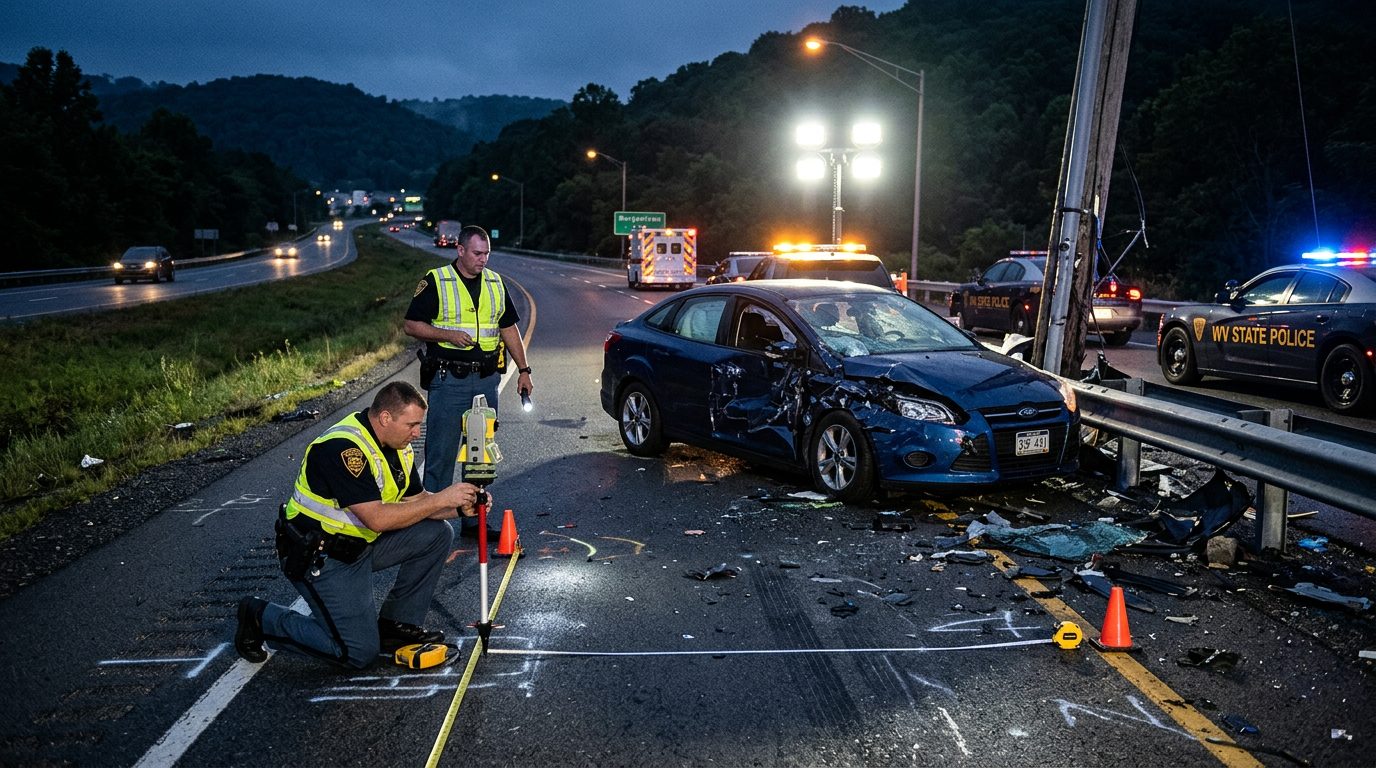
If you or someone you love is still recovering from a brain or spinal cord injury, gathering records can feel like one more demand. The police report is only one document.
For a commercial truck crash, the trucking company may keep its own records. Federal motor carrier safety rules require carriers to keep an accident register for three years.
Does the police report go to my insurance company?
The officer must give owner and insurance details to the parties on request, at no cost. W. Va. Code § 17c-4-7
How long do I have to file a claim?
West Virginia generally allows two years for personal injury actions, and exceptions may apply. W. Va. Code § 55-2-12
If you’d like to talk through the crash, the records you have, and what to gather next, you can request a free case review with the firm. There is no obligation to continue.