

Brain Injury Claims in West Virginia
How Long Does a Brain Injury Case Take to Settle in West Virginia?
Medical recovery, paperwork, and the number of parties involved all shape the timeline. Here is how to think it through, one stage at a time.
Published November 17, 2026
You want to know how long it takes to settle a brain injury case, and a crash may have already changed life for someone you care about. There is no single answer. Settlement timing depends on the facts of each claim. It is shaped mostly by medical recovery, the records needed to value the claim, the number of parties and insurers involved, and how far the claim has moved.
This page explains those factors in plain language. It also walks through the usual stages of a claim and the West Virginia deadlines that limit how long you have to act.
Why There Is No Single Answer to How Long a Brain Injury Settlement Takes
Timing varies from claim to claim, so no single timeline fits every brain injury case.
Settling a claim and recovering from an injury are related but separate questions. Recovery is about the person’s health. Settlement is about whether the insurer and the other side have enough information to agree on a fair resolution.
Brain injury claims often take longer than claims for a simple broken bone. Many people with a broken arm can estimate their healing time from the start. Brain injuries are harder to read early on. The full effects may take weeks or months to appear, and that uncertainty can slow the whole process.
Length also depends on the type of claim. A car accident, a commercial truck crash, and a wrongful death case each bring different parties, records, and rules.
Some people expect a quick answer because they’ve heard about fast settlements. A quick offer is not always a complete one. Before the claim’s value can be judged, the injury has to be understood.
If a family member is still recovering from a brain injury after a crash, you don't have to work out the timeline alone; reach out for a free case review. Talk it through with Big Bubba — the first case review is free, confidential, and carries no obligation.
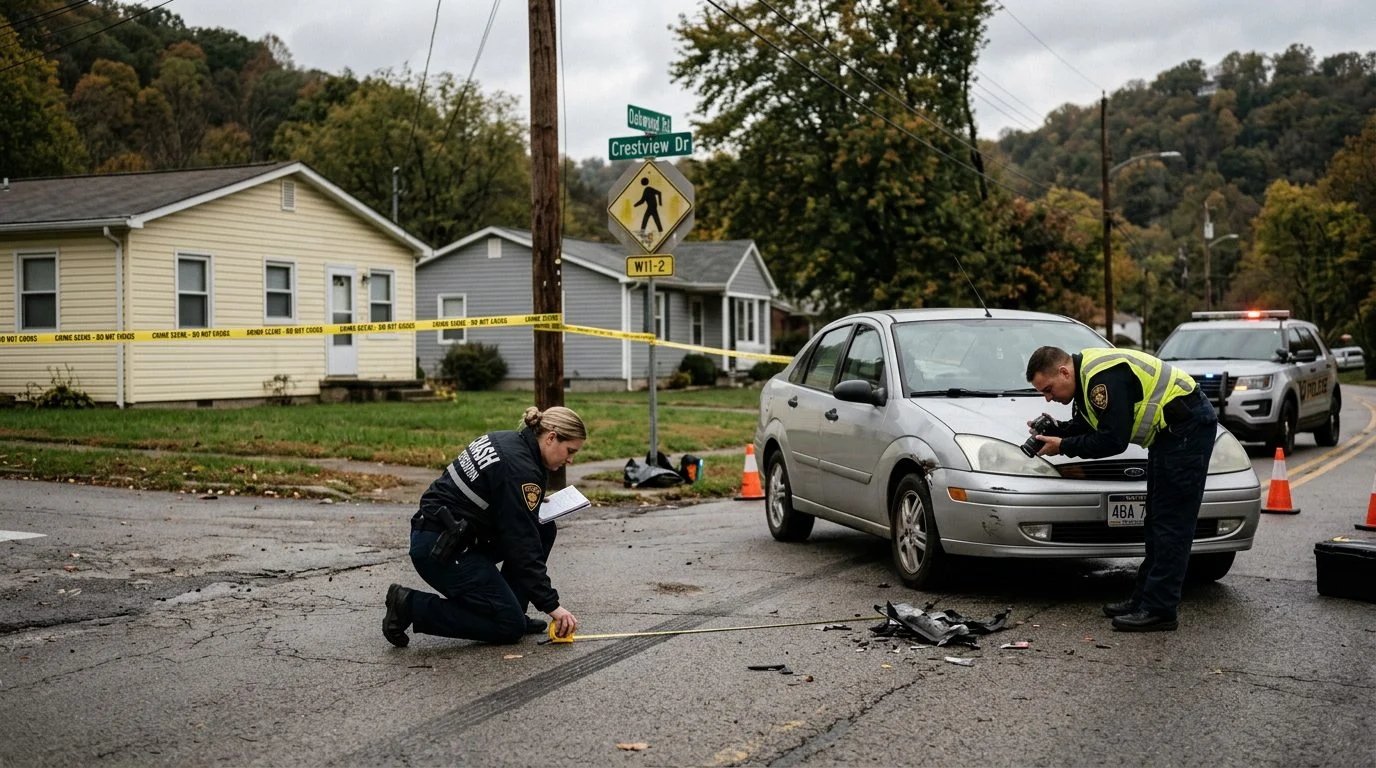
Why Medical Recovery Often Sets the Pace
Medical recovery often sets the pace, because a claim is hard to value until doctors can describe the injury’s likely course.
Early on, a treating doctor may not yet know how the injury will develop. Headaches, memory trouble, sleep problems, and mood changes can appear or shift over weeks and months. Symptoms can also stay quiet at first, then show up at work or school. A study of college students with concussion reported problems with thinking, physical symptoms, mood, sleep, and work performance. It also reported that more symptoms were associated with longer recovery.
Ongoing care adds to the file. Follow-up visits, imaging, cognitive testing, and referrals to other doctors all create records. Those records must be gathered and reviewed before anyone can evaluate the claim. Keep track of every symptom, even the small ones. Doing so helps the medical picture stay accurate.
The Typical Stages of a Brain Injury Claim
Most brain injury claims move through the same general stages, though the order and length of each stage vary.
Early stage. The crash is documented first. Early talks are also limited. For 20 days after an injury, no one may negotiate a settlement with a person who is in the hospital or unable to work, subject to exceptions in the statute (W. Va. Code § 55-7-11a).
Records stage. Next comes the paperwork: emergency room and hospital records, imaging, rehabilitation notes, bills, and proof of lost work. This stage may take the most time in a brain injury case.
Demand and negotiation. The claim is then presented to the insurer, often with a demand letter that lays out the injuries, the bills, and the proof of how the crash happened. Some insurers may dispute fault, cause, or how serious the injury is. Back-and-forth talks can add time.
Litigation, if needed. If a fair resolution cannot be reached, a lawsuit may be filed. Court schedules and discovery, the formal exchange of evidence, add steps and time.
What Can Lengthen or Shorten the Process
Disputed fault, several parties, and insurance questions are common reasons a claim takes longer.
Under W. Va. Code § 55-7-13a, recovery in a personal injury or wrongful death action is generally based on principles of comparative fault, with liability allocated to each person who proximately caused the damages, including plaintiffs, in proportion to that person’s percentage of fault. Under W. Va. Code § 55-7-13a, fault is determined according to § 55-7-13c, under which a person’s share of fault does not bar recovery unless it is greater than the combined fault of everyone else responsible. If the plaintiff’s fault is less than the combined fault of everyone else responsible, the recovery is reduced by that person’s share in proportion to the plaintiff’s degree of fault; if the plaintiff’s fault is greater than the combined fault of all other persons, recovery is barred (W. Va. Code § 55-7-13c). Because each side’s share matters, each side may want more evidence before it responds. That can slow talks.
Commercial truck crashes often involve more parties, such as the driver, the trucking company, and other businesses tied to the vehicle or its load. Trucking company records can also take time to obtain.
Insurance questions add steps too. Each policy may need its own review. Each party’s insurer may also respond on its own timeline.
If a brain injury leads to death, the claim may involve the family, the estate, and a personal representative who brings the case.
Can Someone Fully Recover From a Brain Injury?
Recovery varies widely, and no one can say for certain how a given brain injury will turn out.
Some people improve a great deal over time. Others keep lasting effects. The treating medical team is the right source for an opinion about a person’s own outlook.
A prognosis can change as more is learned. That is one reason settlement timing can follow how clear the long-term picture has become. Some people need ongoing therapy, medication, or support at home, and those needs may affect the claim’s pace. The claim is usually evaluated using the medical records, including any description of the expected course.
If a brain injury keeps someone from working over the long term, federal disability programs may be relevant. The Social Security disability information explains eligibility and benefits for people whose disability limits their ability to work.
Filing Deadlines and Why Timing Matters
West Virginia generally allows two years to file a personal injury lawsuit, and exceptions may apply (W. Va. Code § 55-2-12).
That general rule comes from W. Va. Code § 55-2-12. It covers personal actions that have no other limit set by law.
Wrongful death claims have their own deadline. The action generally must be started within two years after the death, subject to other provisions of the code (W. Va. Code § 55-7-6). W. Va. Code § 55-7-6 reads: “The provisions of this section shall not apply to actions brought for the death of any person occurring prior to July 1, 1988.”
A deadline is a legal limit, not a suggestion. Missing it may bar a claim, which is why an early check matters. Waiting can also shorten the time left to act. Gathering records and understanding options takes time.
The 20-day rule has its own consequence. Under W. Va. Code § 55-7-11a, no person may, within twenty days from the date of a personal injury while the injured person is an inpatient in any hospital or partially or totally unable to engage in his or her usual trade, profession or occupation, negotiate a settlement, seek a release of liability, or seek a statement for use in a settlement, except that a statement may be obtained upon the express request of the injured person and a person liable for damages may make an advance payment, which is credited against any damages. A settlement, release or statement obtained in violation of this section may be disavowed by the injured person within one hundred eighty days from the date of the personal injury, by executing a written statement of disavowal and forwarding a copy to the person violating the section, in which case the settlement, release or statement may not be admissible in evidence for any purpose in any court or other proceeding relating to the personal injury, if any consideration paid is repaid or returned to the person who paid it.
Not sure what your next step is?
Talk it through with Big Bubba — the first case review is free, confidential, and carries no obligation.
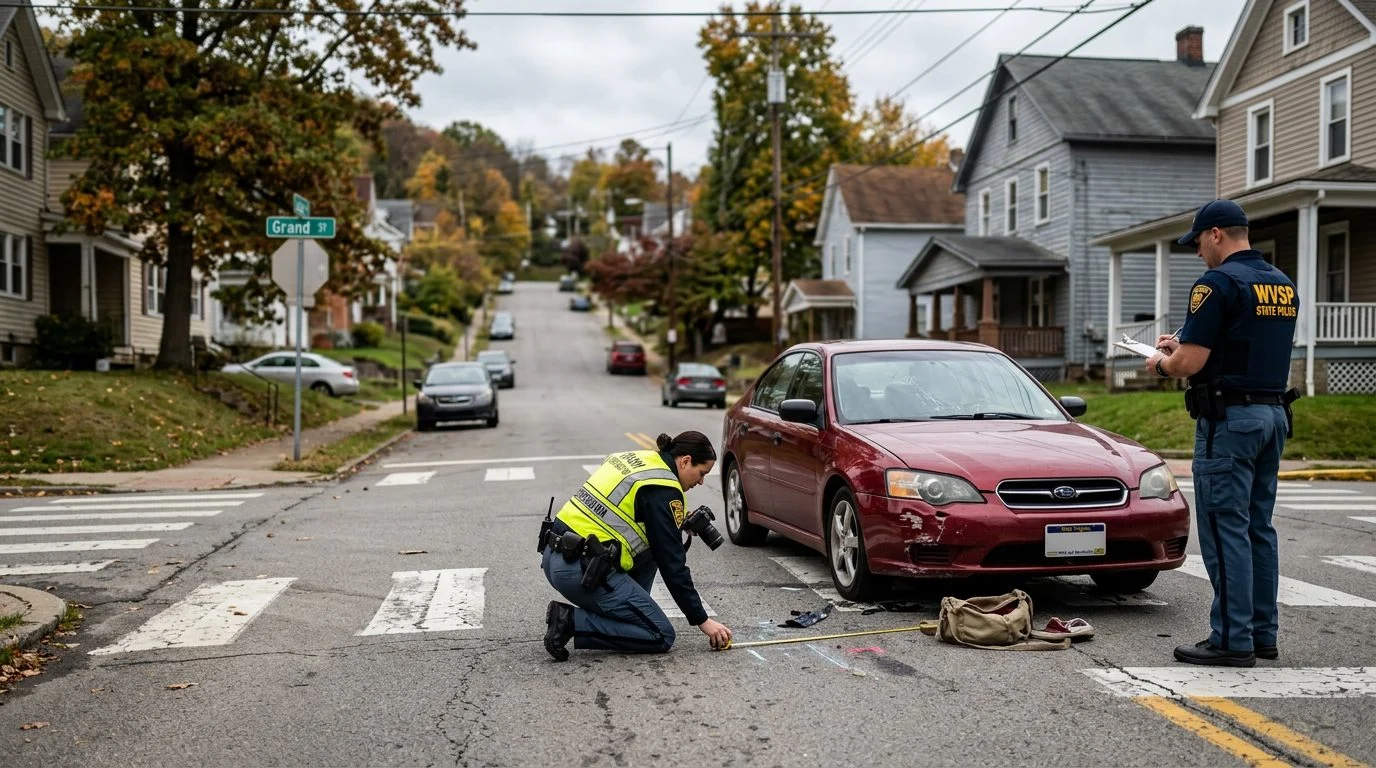
Talking Through Your Brain Injury Situation With the Firm
If you’re trying to make sense of a brain injury claim after a crash, you don’t have to sort out the timeline alone.
Many readers are caring for a loved one. They may be juggling medical bills, missed paychecks, and a recovery no one can predict yet. Questions about timing can add stress to an already hard season.
Your situation may involve a car crash, a truck crash, or a death in the family. Each one can shape the next steps and the pace of a case.
The firm handles car accident and commercial truck claims, wrongful death claims, and cases involving traumatic brain injury, spinal cord injury, and other catastrophic injuries. We serve injury victims across West Virginia.