
Traumatic Brain Injury | We serve West Virginia
Brain Injury After a Car Accident? Get a Free Case Review.
Big Bubba Injury Law helps people across West Virginia understand their options after a serious head injury caused in a car crash. Talk with our team in a confidential, no-obligation free case review.
Published October 16, 2026
Many people wonder how to pursue a brain injury claim after a car accident, especially when symptoms are hard to see. Generally, a brain injury claim is a personal injury claim for harm a crash may have caused, depending on the facts. It usually starts with medical care and careful records. Then it may move to insurance negotiation or, if needed, a lawsuit. Here is a plain guide to the process in West Virginia, what a claim may involve, and the steps to take first.
What a Brain Injury Claim After a Car Accident Involves
A brain injury claim seeks compensation for harm from a brain injury a crash may have caused. Whether a claim exists depends on the facts of each case.
A traumatic brain injury (TBI) generally refers to damage to the brain from a sudden blow, jolt, or penetrating injury to the head, as described by medical sources such as the CDC. Injuries range from a concussion to a severe, life-changing injury. Symptoms may appear right away, or they may show up hours or days later.
The injured person may bring this type of claim. If a crash causes a death, a wrongful death claim may be brought by the deceased person’s personal representative. Under W. Va. Code § 55-7-6, that action is generally brought by the deceased person’s personal representative.
A brain injury can also change work, family life, and daily routines in ways that are hard to explain to others. Keeping a clear record of those changes may be relevant depending on the facts.

Not sure what your next step is?
Talk it through with our team — the first case review is free, confidential, and carries no obligation.
What a Claim May Cover
A claim may seek several types of losses. What applies depends on the facts and the records.
- Medical care costs, past and future, when documented as needed.
- Lost income and reduced earning capacity, if the injury affects your ability to work.
- Pain, cognitive changes, and effects on daily life, reviewed through medical and personal records.
- Home help or household services, when a medical provider documents the need.
No dollar amount can be promised in advance. West Virginia law generally does not allow a complaint to state a specific dollar amount of damages, as W. Va. Code § 55-7-25 generally provides, and exceptions may apply depending on the facts.
Payment sources can differ. The at-fault driver’s liability coverage may apply, and so may your own policy. Federal disability benefits from the Social Security Administration are a separate process from a personal injury claim.
How a Traumatic Brain Injury Is Proven in a Car Accident Case
A brain injury is generally proven with medical records, supported by crash evidence and a consistent history of symptoms.
- Medical records. Emergency care notes, neurological exams, and follow-up visits that describe symptoms and treatment.
- Imaging and testing. CT or MRI scans, or cognitive testing, when a provider orders them. Results depend on the person and the testing. Not every brain injury appears on standard imaging, so other records may also matter.
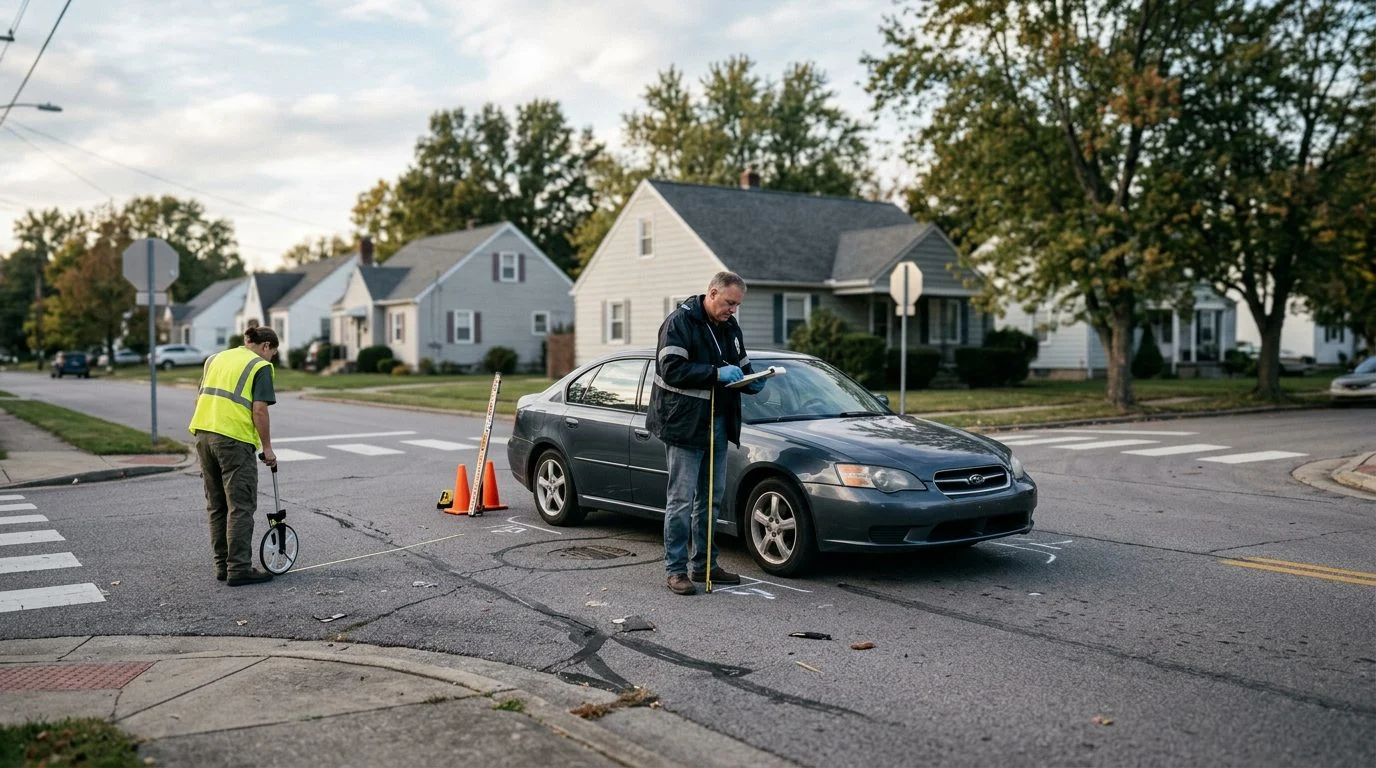
- Crash evidence. The police report, photographs, vehicle damage, and witness statements may help show how the crash happened.
- A symptom journal. Notes on headaches, sleep, concentration, mood, and missed work can show patterns over time.
Medical causation, meaning whether the crash caused the injury, generally depends on the facts. Treating providers may give a medical opinion on that question. Whether that opinion is needed depends on the case.
Steps to File a Brain Injury Claim After a Car Accident
Generally, the first steps are getting medical care, reporting the crash, and keeping records.
- Get medical evaluation and follow the treatment plan. Prompt care may create records that document your symptoms, which may be relevant to a claim depending on the facts.
- Report the crash to police. Get the report number, the other driver’s details, and insurance information.
- Keep a symptom and treatment journal. Start it as soon as you can.
- Notify insurers as your policy requires. Understand how a recorded statement may be used before you give one.
- Gather records. Collect medical bills, wage records, and crash evidence.
- Review the claim with a lawyer. A lawyer can discuss possible liability, coverage sources, and options.
- Consider whether a claim to an insurer may apply, depending on the facts of your case. If negotiation does not resolve it, a lawsuit may be filed.
Deadlines matter. Under W. Va. Code § 55-2-12, a personal injury action generally must be brought within two years after the right to bring it accrues. Other statutory provisions, tolling, or discovery rules may affect that period, and exceptions may apply. Missing a deadline may affect your ability to sue.
Early settlement talks have limits too. W. Va. Code § 55-7-11a generally limits settlement negotiations in the early period after an injury, and exceptions may apply depending on the facts. The injured person may request it, and exceptions may apply. Under W. Va. Code § 55-7-11a, an injured person may generally be able to disavow a settlement made in violation of that section within a limited period after the injury, and exceptions may apply depending on the facts.
Have questions about what happened?
Ask our team directly. The first conversation is free, confidential, and there is no obligation to continue.
Filing With Your Own Insurance or the Other Driver’s Insurance
A claim may go to the at-fault driver’s liability insurer, your own policy, or both, depending on the coverage that applies.
Liability coverage generally pays for harm the at-fault driver causes. Your own policy may include medical payments or underinsured motorist coverage, if you carry it. Terms, limits, and notice rules vary. W. Va. Code § 33-6-31 sets reporting and notice conditions, including in some cases where the other driver’s identity is unknown.
Fault is not automatic. It generally depends on the facts of the crash. Under W. Va. Code § 55-7-13c, a plaintiff’s own fault generally does not bar recovery unless it is greater than the combined fault of all other persons responsible. If it is less, recovery is generally reduced in proportion to that fault. Exceptions may apply.
Insurers may ask for recorded statements, medical authorizations, or an early settlement offer. Reviewing a request before you respond is generally a sensible step. Whether an offer reflects your losses depends on the facts of your case.
Frequently Asked Questions
How do you prove a traumatic brain injury?
Generally through medical records, testing when a provider orders it, and consistent symptom documentation. Results depend on the facts of each case.
Do I file a claim with my own insurance if someone hit me?
It depends on your policy and the facts. Your own coverage may apply, and a claim may also go to the at-fault driver’s insurer.
Can I file an injury claim after a car accident?
Generally, yes, but deadlines and requirements apply. Exceptions may apply depending on the facts.
How much do brain injury cases settle for?
No amount can be predicted or promised. Any value depends on the medical evidence, losses, coverage, and the facts of each case.

Brain Injury Considerations in Car Accident Claims
We serve Charleston, Huntington, Morgantown, Wheeling, Martinsburg, Parkersburg, Beckley, Clarksburg, Fairmont, Weirton, and communities statewide.
Our support staff help with records and scheduling, and our team reviews the facts with you.
Want to know where you stand?
Tell us what happened and our team will walk you through the options available to you, at no cost.
Related practice areas
- How Do You Win a Wrongful Death Lawsuit in West Virginia?