
West Virginia crash reports
How to Get a Car Accident Crash Report in West Virginia
Learn which agency keeps the report, what to bring when you ask for it, and how to get help reading it after a serious crash.
Published November 18, 2026
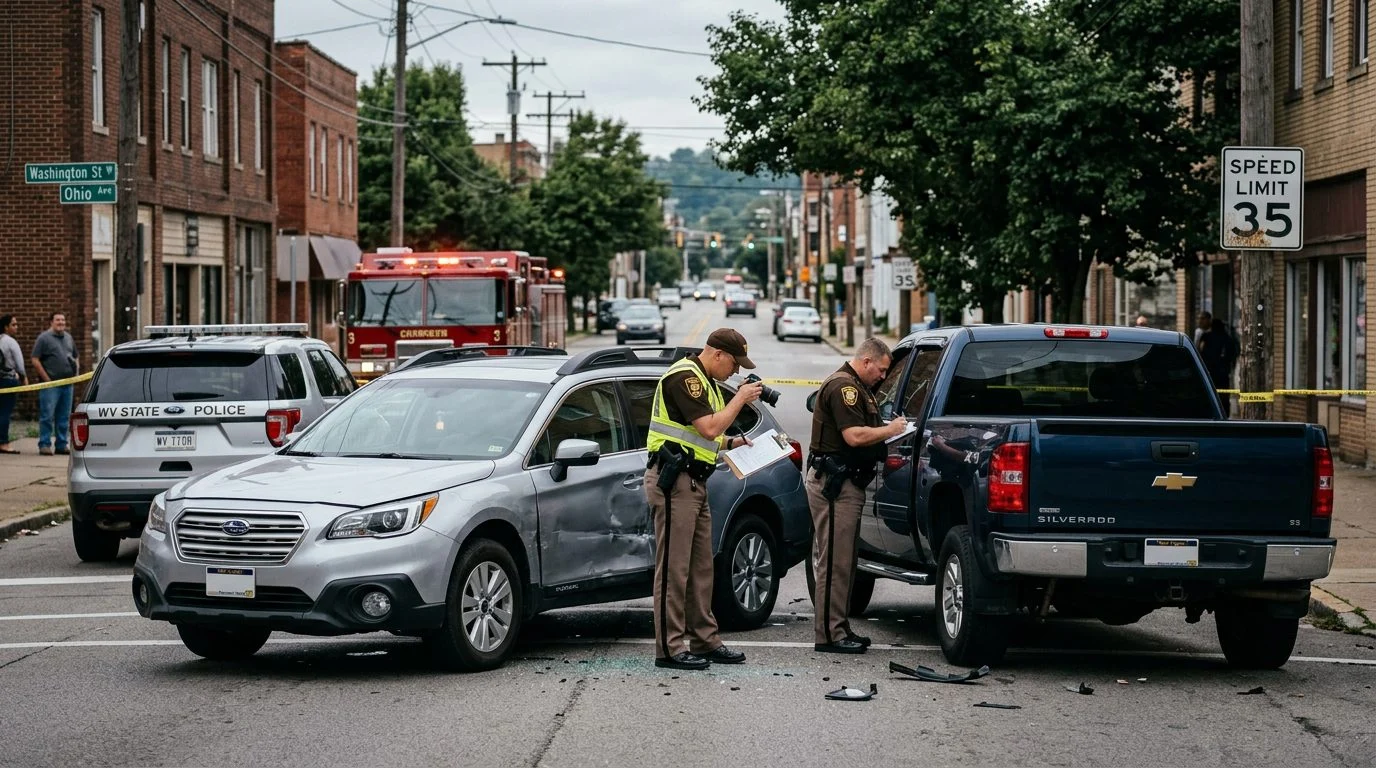
After a crash, you may need a copy of the official crash report, but you may not know where to start. In West Virginia, the law enforcement agency that investigated the crash usually holds the report, so that is the place to ask.
The report is one of the first records that can show what happened. This guide explains how to find the right agency, what to ask for, and what the report may contain.
What a West Virginia Crash Report Is
A crash report is the official record a law enforcement officer prepares after a crash. Under W. Va. Code § 17c-4-7, an officer who investigates a crash on a public road must prepare a report when the crash causes bodily injury, death, or total property damage of $1,000 or more.
The officer must submit the report within 24 hours after finishing the investigation.
It is not the final word on fault. Insurers and courts make their own decisions about who was responsible, and those decisions can come later. Keep the two ideas apart when you read the report.
Some minor crashes may not trigger a report at all, depending on the damage and whether anyone was hurt. For background on how car crashes can cause brain injuries, read our traumatic brain injury guide.
If your report is missing or doesn't match what happened, reach out through our contact page to ask about a free case review. Talk it through with Big Bubba — the first case review is free, confidential, and carries no obligation.
Find Out Which Agency Investigated the Crash
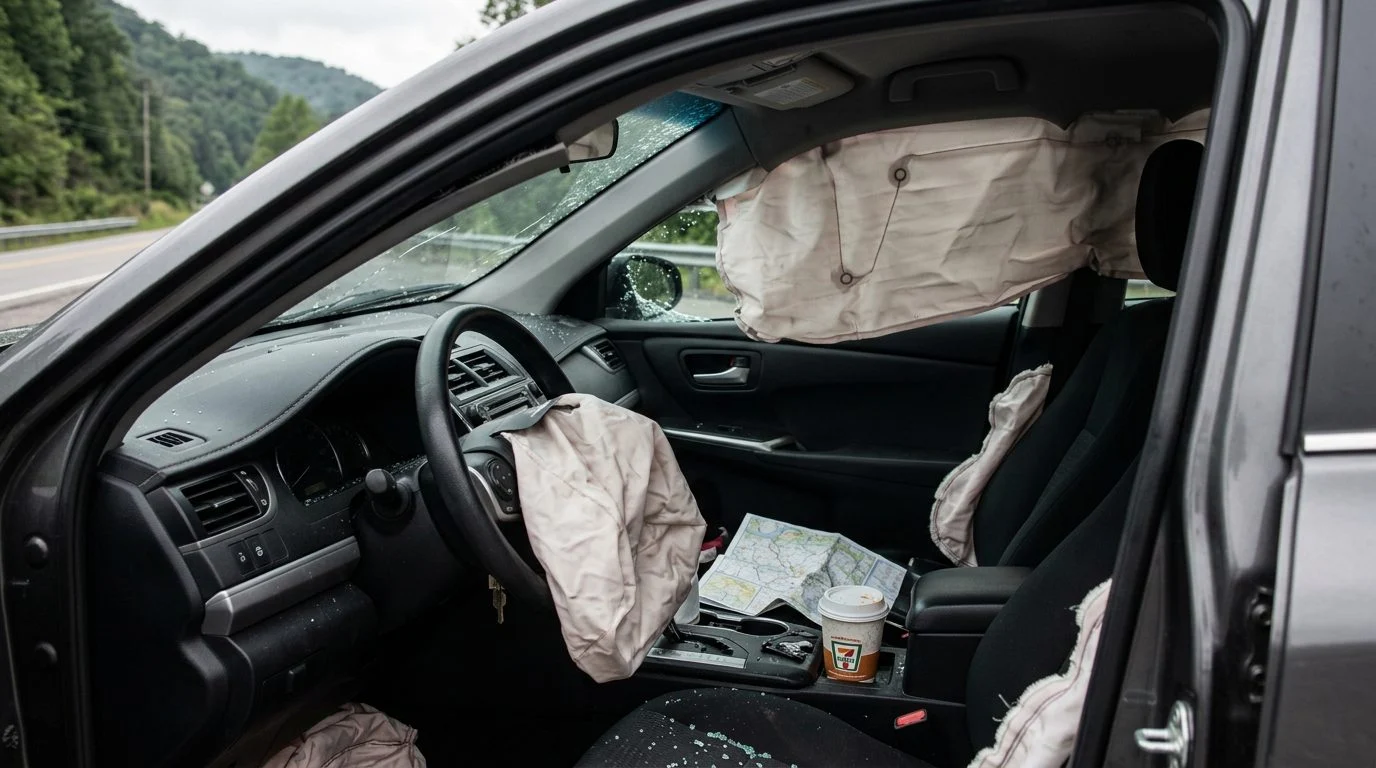
The agency that sent an officer to the scene is usually the one that holds the report. In West Virginia, that may be the West Virginia State Police, a county sheriff’s office, or a city or town police department.
State law also says where a driver must report a crash. Inside a city or town, for a crash resulting in injury to or death of any person or total property damage to an apparent extent of $1,000 or more, the driver must immediately by the quickest means of communication give notice to the local police. Otherwise, for a crash resulting in injury to or death of any person or total property damage to an apparent extent of $1,000 or more, the driver must immediately by the quickest means of communication give notice to the county sheriff or the nearest State Police office. See W. Va. Code § 17c-4-6. See W. Va. Code § 17c-4-6.
Check the paperwork you received at the scene. The other driver’s information slip or an officer’s card often names the agency. If you still have it, look there first.
If no officer came to the scene, there may be no police report. Call the agency you think responded and ask whether a report exists. The agency can tell you.
How to Request the Crash Report
Start by calling or writing the investigating agency’s records unit. Have these details ready:
- The crash date, time, and exact location
- The names of the drivers involved
- The report number, if you were given one
- Your role, such as driver, passenger, or family member
Requests may go by mail, in person, or through an online request system if the agency offers one. Each agency sets its own steps. Ask what identification and forms it needs before you send anything.
Timing matters. The officer submits the report within 24 hours after the investigation is complete. If the investigation takes longer than 10 days, a preliminary report is due on the 10th day after the crash, and the final report follows within 24 hours of completion, under W. Va. Code § 17c-4-7. A report may look incomplete or be unavailable in the first days.
Crash details can also shape a claim. Our parking lot fault guide explains how location and movement details can matter.
What a Crash Report May Include
A West Virginia crash report must show enough detail to disclose the cause of the crash, the conditions at the time, and the people and vehicles involved. See W. Va. Code § 17c-4-9. It must be made on the approved form and include all required information unless that information is not available.
In practice, a report may list the date, time, and location. It may also show each vehicle and driver, passengers, and witnesses. A diagram and the officer’s written narrative may be included, too.
If you need the other driver’s insurance details, the officer must provide them on request, at no cost, within 24 hours. That applies even before the report is finished. See W. Va. Code § 17c-4-7.
The officer’s narrative and any citations may matter to a claim, depending on the facts. The report reflects what was recorded at the time. Compare it with your memory and your own records.
Why the Report Number Matters and What to Do If It Has Errors
The report number is how the agency finds your file. Write it down as soon as you get it. If none was given, ask the agency whether it assigned one.
Keep the number with your medical bills, insurance letters, and other crash paperwork in one folder. Good records make it easier to match the report to your injuries later.
If a report looks wrong, ask the investigating agency how it handles corrections or amendments. Each agency’s process controls, so get the steps in writing.
Do not wait for the report before you think about deadlines. West Virginia generally allows two years to file a personal injury lawsuit, and exceptions may apply. See W. Va. Code § 55-2-12.
Gather records alongside the report. Our car accident injury checklist and brain injury timeline can help you organize them.
Get the Crash Report Reviewed in a Free Case Review
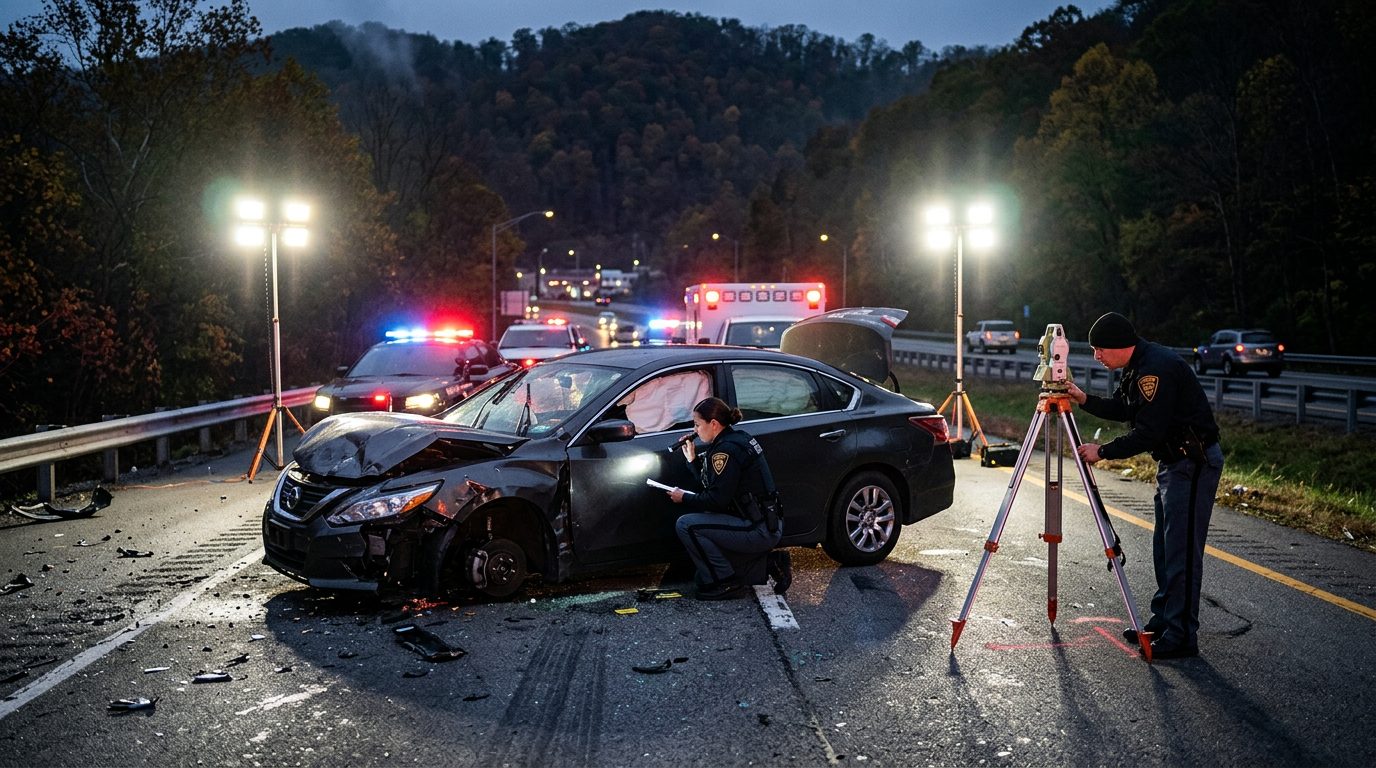
A missing or confusing report can leave you unsure what to do next. That is especially true when a head, neck, or back injury keeps you from work, or when a family needs the report for a wrongful death matter.
Fault matters too. W. Va. Code § 55-7-13a defines comparative fault as the degree to which a person’s fault was a proximate cause of an alleged personal injury or death or damage to property, expressed as a percentage. See W. Va. Code § 55-7-13c.
The firm offers a free case review. It is confidential, and it carries no obligation to continue. You can bring your crash report and injury records so the firm can go over them with you.
If your report is missing or doesn’t match what happened, reach out through our contact page to ask about a free case review.
Frequently asked questions
Which agency has my West Virginia car accident report?
The police department, sheriff’s office, or State Police agency that responded to the crash usually holds it.
How long does an officer have to submit a crash report?
The investigating officer must submit the report within 24 hours after finishing the investigation.
How long do I have to sue after a car accident in West Virginia?
West Virginia generally allows two years for a personal injury lawsuit, and exceptions may apply.
Related practice areas
- Soft Tissue Injury After a WV Car Crash: Delayed Symptoms