
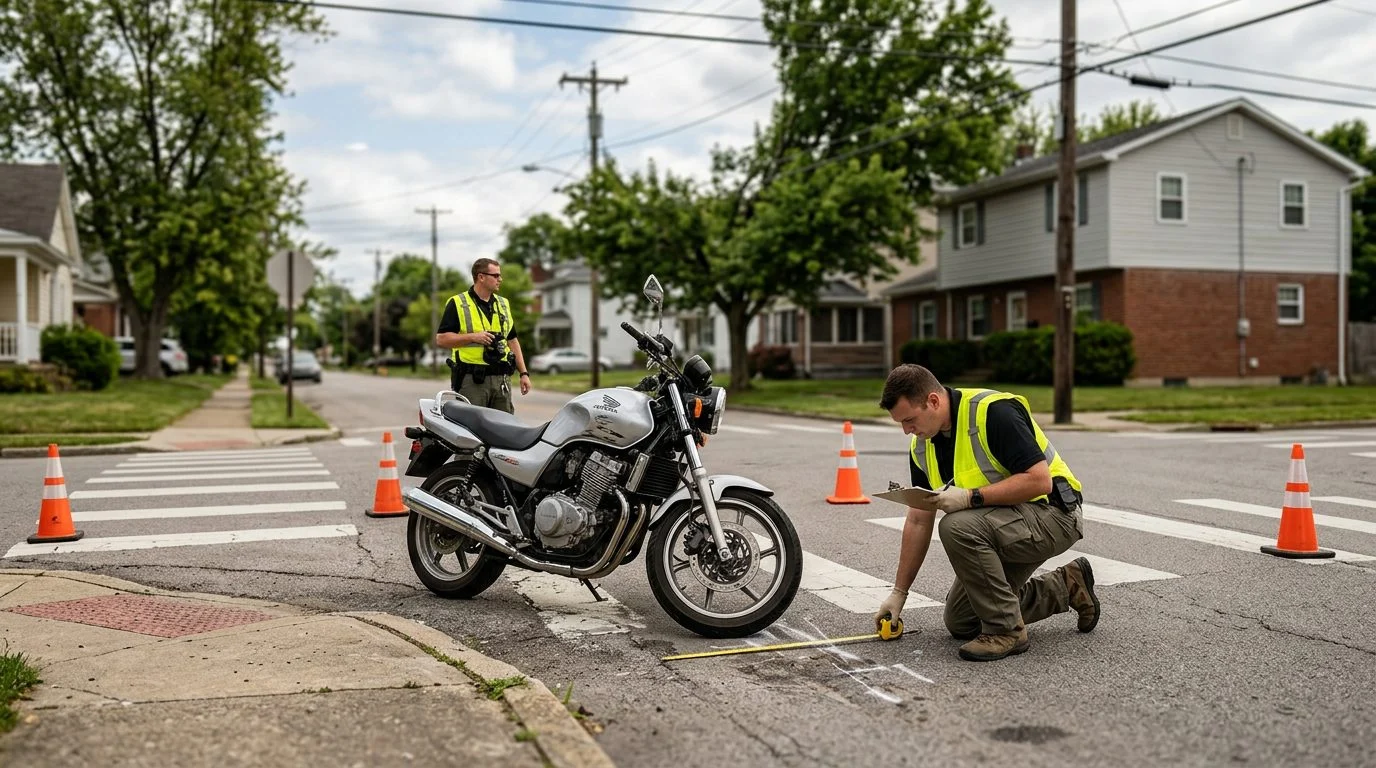
Motorcycle Crash Brain Injury | West Virginia
Hurt in a Motorcycle Crash? Talk With Our Team About Your Brain Injury Claim
Big Bubba Injury Law represents West Virginia riders and families dealing with serious brain injuries, catastrophic injuries and wrongful death after motorcycle crashes. Contact the firm to talk through what happened.
Published October 24, 2026
If you are looking into a motorcycle crash brain injury West Virginia claim, the short answer is this: the injured person or a family member may be able to seek compensation from the party whose negligence caused the crash. Brain injuries are serious, and West Virginia’s rules are specific. Here is what to know.
What a Motorcycle Crash Brain Injury Claim Is and Who It Is For
A motorcycle crash brain injury claim is a personal injury claim. It asks the at-fault party to pay for harm caused by a crash that injured the brain.
The injured rider usually brings the claim. A family member may act for a rider who cannot manage their own affairs during recovery. After a fatal crash, a wrongful death claim may instead be brought by the deceased person’s personal representative.
The firm handles car accidents, truck and commercial vehicle accidents, catastrophic injuries, traumatic brain injury, spinal cord injury, and wrongful death. Motorcycle crash brain injury claims fall within that work. We serve injury victims across all 55 West Virginia counties, including Charleston, Huntington, Morgantown, Wheeling, Martinsburg, Parkersburg, Beckley, Clarksburg, Fairmont, and Weirton.
If your loved one was hurt in a motorcycle crash and is still recovering, you may have a claim, and the firm can talk it through with you in a free case review. Talk it through with Big Bubba — the first case review is free, confidential, and carries no obligation.
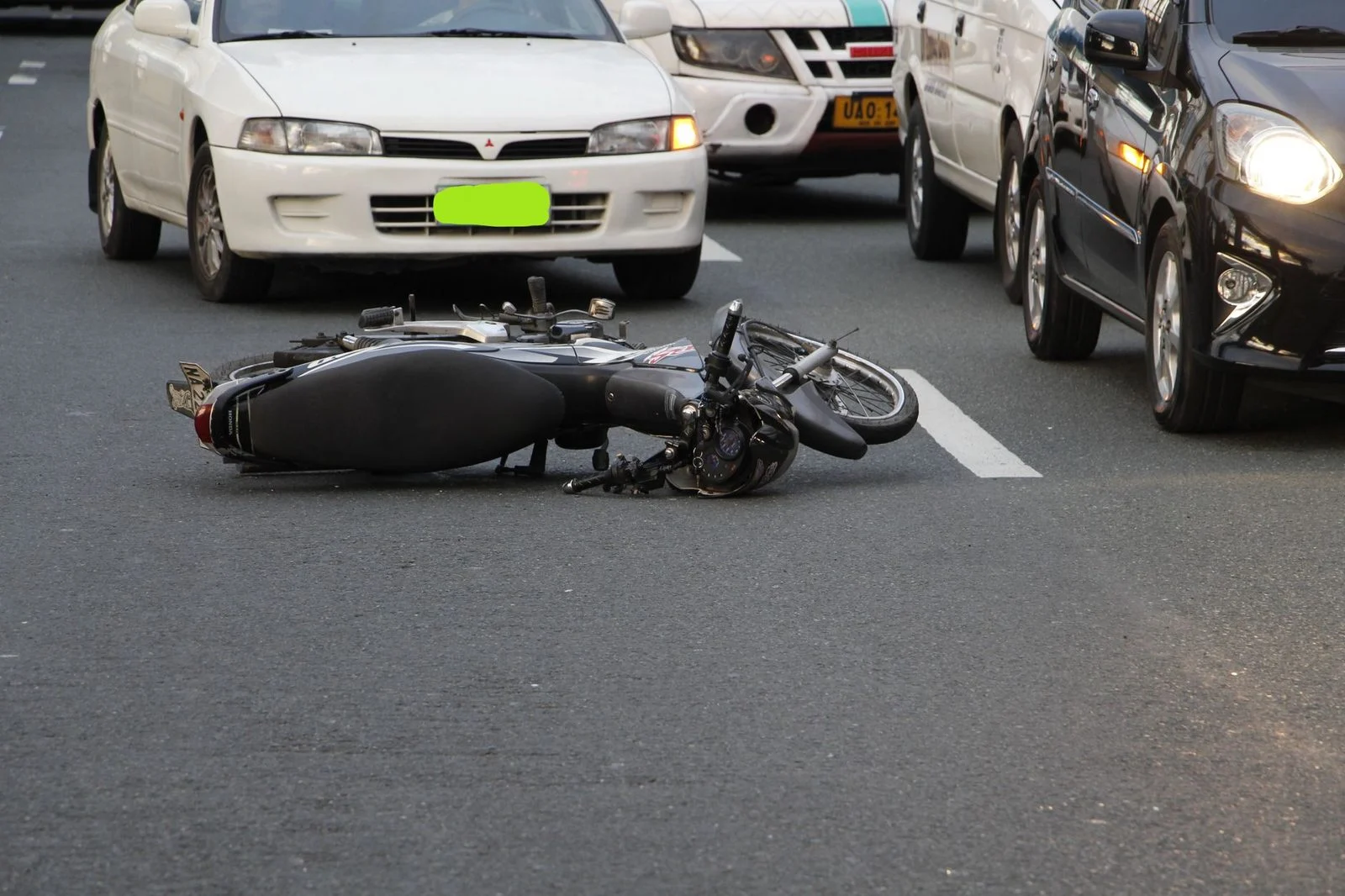
Why Motorcycle Crashes Often Cause Brain Injuries
Motorcycle crashes often cause brain injuries because a rider has little protection between the head and the road or another vehicle. A fall onto pavement can be enough to cause serious harm.
Common ways a head injury happens include:
- Striking the pavement after being thrown from the bike
- Hitting a car, SUV, guardrail, or curb
- Sudden head movement when the body stops and the head keeps moving
The Administration for Community Living states that automobile accidents can cause traumatic brain injury. It describes this injury as severe brain damage caused by an external force. The Brain Trauma Foundation guidelines cover how these injuries occur and how they are assessed and managed early.
Many motorcycle crashes start when another driver turns, changes lanes, or pulls out. Those details matter when the crash is reconstructed. The size of the other vehicle, the rider’s position, and speed can all shape the story.
Early medical care also matters for a claim. Records made soon after the crash help connect the injury to the crash. Keep every discharge paper and imaging result.
What a Claim May Include
A claim may seek money for losses that come from the crash and the injury. These losses commonly fall into a few groups:
- Medical bills for emergency care, hospital stays, imaging, neurology visits, medications, and therapy
- Future medical care when a doctor documents ongoing treatment or rehabilitation
- Lost income, and lost ability to earn, if the injury keeps the rider from returning to the same work
- Pain, suffering, and changes in daily life, such as memory or concentration problems that family members notice
- Help at home with tasks the injured person used to handle alone
For a fatal crash, the West Virginia wrongful death statute sets out what a verdict may include. It may cover sorrow, mental anguish, and the loss of companionship, guidance, and advice from the person who died. It may also cover reasonably expected loss of income and services, medical and hospital expenses tied to the injury, and reasonable funeral costs.
When a brain injury leaves lasting limits on work, federal Social Security Disability Insurance may also be relevant. It is a separate program from a lawsuit, with its own rules.
Who May Be Responsible and How Fault Works in West Virginia
The at-fault driver is the most common responsible party. Depending on the facts, that driver may drive a car, an SUV, or a commercial vehicle. Other parties may share responsibility too.
Under W. Va. Code § 55-7-13a, “comparative fault” means the degree to which a person’s fault was a proximate cause of an alleged personal injury, death or damage to property, expressed as a percentage. Your own fault does not automatically end your claim. Under W. Va. Code § 55-7-13c, your fault bars recovery only if it is greater than the combined fault of all other persons responsible. If it is less, your recovery is reduced in proportion to your share of fault.
If the other driver was impaired, the rules change. Under the same statute, a driver who was driving under the influence and whose conduct was a proximate cause of your damages is jointly and severally liable. The West Virginia Division of Motor Vehicles explains impaired driving rules and penalties.
Insurers may raise helmet use. Whether a helmet relates to the injury is a factual question. Medical evidence and crash evidence can help answer it. Insurers may also argue about speed, lane position, or rider impairment. Physical evidence, witness statements, and the crash report get close review. A rider’s own insurance may also apply, and the coverage depends on the policies involved.
What to Expect From a Free Case Review Through Resolution
The process starts with a free case review. Then the firm gathers evidence and deals with insurers. Most cases move through a few stages.
- You reach out. You or a family member describe the crash, the injuries, and the treatment. The free case review is confidential and carries no obligation to continue.
- Evidence is gathered. The firm collects the crash report, photos, vehicle damage details, witness information, and medical records that document the brain injury.
- Responsible parties are identified. The firm looks at who may be responsible and what insurance may apply. It then sends notice and requests for information.
- Treatment is documented. The full effects of a brain injury often become clearer after several months of evaluation. Records keep building during that time.
- Negotiation or a lawsuit. Talks with insurers may continue. If needed, a lawsuit can be filed in the proper West Virginia court, where the case may move through discovery, mediation, or trial.
Timelines vary widely. They depend on how long medical care takes to reach a stable point and how insurers respond.
Deadlines and Evidence to Preserve After a Crash
Personal injury claims for which no other limitation is prescribed must be brought within two years after the right to bring them accrues, under W. Va. Code § 55-2-12. Wrongful death claims must be commenced within two years after the death, subject to the provisions of section eighteen, article two, chapter fifty-five, under W. Va. Code § 55-7-6. Under W. Va. Code § 55-7-6(d), every wrongful death action “shall be commenced within two years after the death of such deceased person, subject to the provisions of section eighteen, article two, chapter fifty-five,” and the section’s provisions do not apply to actions brought for the death of any person occurring prior to July 1, 1988. A claim filed after that period may be barred, so timing matters early.
West Virginia also limits early settlement contact.
Keep these items after a crash:
- The motorcycle, helmet, and gear, kept as they are rather than repaired or thrown away
- Photos of the scene, the vehicles, and visible damage
- The crash report, discharge papers, and imaging results
- A daily log of symptoms, appointments, and missed work
- A written account of what happened, made while memory is fresh
Brain injuries can make details hard to recall. A written account helps family members and the firm. Be careful with recorded statements and medical authorization forms, since they can affect a claim.
Not sure what your next step is?
Talk it through with Big Bubba — the first case review is free, confidential, and carries no obligation.
Frequently Asked Questions About Motorcycle Crash Brain Injury Claims
Can I still bring a claim if I was partly at fault?
West Virginia’s modified comparative fault rule may still allow recovery when you share some fault, unless your fault is greater than the combined fault of all other persons responsible for the total amount of damages (W. Va. Code § 55-7-13c). Your recovery is reduced in proportion to your degree of fault only if your fault is less than the combined fault of all other persons; if your fault is greater than that combined fault, recovery is barred.
Does my helmet affect my claim?
Insurers may raise helmet use. How it relates to your injury turns on medical and crash evidence.
Can my family file if the rider died from a brain injury?
Wrongful death claims are brought by the deceased person’s personal representative. Under West Virginia law, a wrongful death verdict may include damages for sorrow, mental anguish, and solace; lost income and services; care and treatment expenses; and reasonable funeral expenses.
Do I need to wait until I feel recovered to reach out?
No. You can reach out while still in treatment. The two-year filing period starts from the injury or the death, so early timing matters.
Talking With the Firm About a Motorcycle Crash Involving a Loved One
If someone you love was hurt in a motorcycle crash, you can start by gathering what you already have. Many people reading this have a rider still in the hospital or in rehabilitation. The decision about a claim can wait until you have better information.
It helps to bring these items to a free case review:
- The crash report number, if you have it
- The names of treating doctors and hospitals
- Discharge papers and imaging results
- A short written account of the crash, in your own words
When you’re ready, tell the firm what happened, and it can explain the options that may apply to your situation. Request a free case review.
Related practice areas
- Traumatic Brain Injury from Car and Truck Accidents in West Virginia
- Pedestrian Struck by Car Brain Injury West Virginia