
West Virginia Brain Injury Car Accident Claims
Older Adults Hurt in Car Accidents: Brain Injury Claims Across West Virginia
A car crash can change memory, balance and daily life, especially for older adults. The firm helps injured people and their families understand what happened. We serve Charleston, Huntington, Morgantown, Wheeling, Martinsburg, Parkersburg, Beckley, Clarksburg, Fairmont, Weirton and communities throughout the state.
Published October 27, 2026
An older adult brain injury car accident case can be hard to recognize early on. A person may seem fine at the scene, yet a head injury can cause problems that appear later. Big Bubba Injury Law represents people hurt in car and commercial truck crashes, including traumatic brain injury and wrongful death cases. This page explains what to watch for, what a claim may cover, and which West Virginia deadlines matter.
What a Brain Injury Car Accident Claim Is and Who It Is For
A brain injury car accident claim seeks compensation from the person or company responsible for a crash that hurt the brain. It is a personal injury claim. If the injured person dies, the family may have a wrongful death claim instead.
The Administration for Community Living says car crashes can cause traumatic brain injury. That is brain damage caused by a force from outside the body.
This page is written for:
- Older drivers and passengers
- Adult children of injured parents
- Spouses and caregivers
- Families handling a loss after a fatal crash
We serve Charleston, Huntington, Morgantown, Wheeling, Martinsburg, Parkersburg, Beckley, Clarksburg, Fairmont, Weirton, and communities across all 55 West Virginia counties.
If your parent or spouse hit their head in a crash, you don't have to sort out the next steps alone. Request a free case review with the firm. Talk it through with Big Bubba — the first case review is free, confidential, and carries no obligation.

Why Brain Injuries in Older Adults Are Easy to Miss
Older adults can have a serious head injury without any visible wound, so it often goes unnoticed at the scene. Shock and stress can also hide symptoms in the first hours.
Several factors make it harder to spot:
- Normal-looking changes. Forgetfulness, slower movement, or a bad day can look like ordinary aging.
- Existing conditions. Earlier memory concerns can make it hard to tell old symptoms from new ones. Medical records from before and after the crash help draw that line.
- Medicines. Tell every doctor about your medicines. If you take a blood thinner, say so at every visit after a hit to the head.
Get a medical evaluation after any blood-related or hard hit to the head, even if you feel fine. Early records matter later.
Warning Signs That Can Appear Hours, Days, or Weeks Later
Some head injury signs need emergency care right away. Others can show up days or weeks after the crash. The FloridaHealthFinder concussion guidance covers warning signs to watch for in adults.
Get emergency care right away for:
- A headache that keeps getting worse
- Repeated vomiting
- Confusion or unusual behavior
- Seizure or loss of consciousness
- Weakness, numbness, or trouble walking
- Slurred speech or unequal pupils
Watch closely for delayed signs such as:
- Ongoing headache or dizziness
- Unusual drowsiness or nausea
- Trouble finding words or remembering recent talks
- Trouble managing bills or medicines
- Irritability, low mood, or sleep changes
Keep a written log of symptoms, dates, and appointments. Bring it to every doctor visit. It also helps show how the injury changed daily life.
Emotional Strain After a Crash: Sadness and Replaying the Event
Feeling sad, anxious, or shaken after a frightening crash is a normal reaction. Replaying the event over and over is also common after a scare like that. Mood changes can also be part of a brain injury.
Family members can help by noticing changes in:
- Personality or confidence
- Daily routines and habits
- Interest in people and activities
Report these changes to a doctor. Mood and behavior changes after a head injury deserve medical attention, and they can be part of the medical record.
Support from family, primary care providers, and counselors can help while the full picture comes into focus.
What a Brain Injury Claim May Include in West Virginia
A brain injury claim may seek money for the losses the injury caused. The categories that apply depend on the crash, the medical findings, and the people involved.
Possible categories include:
- Past and future medical bills, such as emergency care, imaging, neurology visits, rehabilitation, and medicines
- In-home help, supervision, or equipment when the injury limits independence
- Lost income, or reduced ability to earn, for an older adult who still worked
- Pain, suffering, and loss of enjoyment of life
West Virginia also looks at fault. Under W. Va. Code § 55-7-13c, fault on the injured person’s side does not bar recovery unless it is greater than the combined fault of everyone else. If that person’s fault is less than the combined fault of everyone else, recovery is reduced in proportion to that person’s share of fault.
For people who need long-term support, the West Virginia Bureau for Medical Services describes home-based support through the Traumatic Brain Injury Waiver, which has its own eligibility rules.
How the Claim Process Works, Step by Step
The claim usually starts with a free case review, then moves through evidence, medical records, and talks with insurers. If a lawsuit is needed, it is filed in court.
- Free case review. The firm reviews the crash, the injuries, and the paperwork. The review is confidential and carries no obligation to continue.
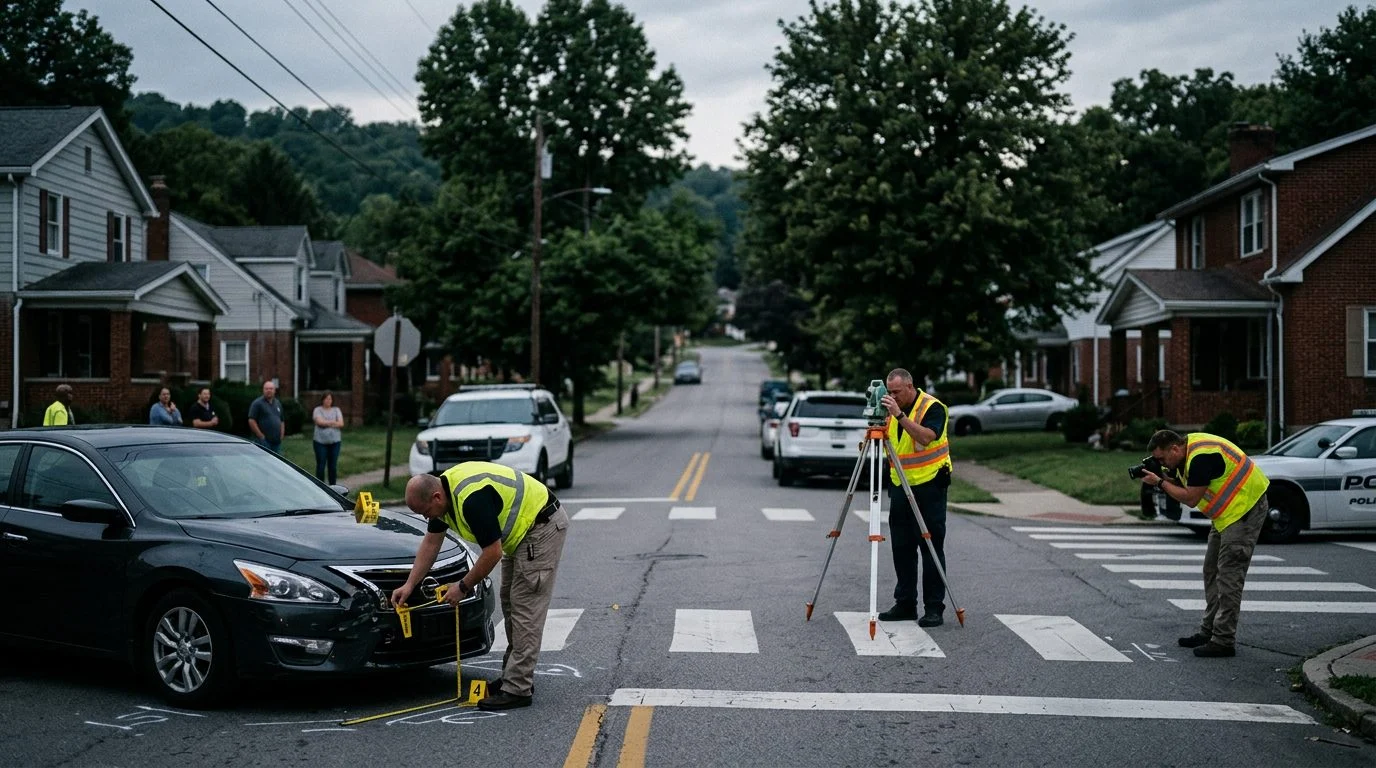
- Evidence. This can include the police report, photos, vehicle damage records, and witness statements.
- Medical documentation. The firm works with records from emergency care, imaging, neurology, and treating providers.
- Responsible parties and insurance. The firm looks at every driver, employer, and policy that may apply.
- Negotiation or lawsuit. Insurers may negotiate. If talks do not resolve the claim, a lawsuit may follow.
A brain injury claim often takes longer than a property damage claim. Some effects take months to become clear. Timelines vary with each case.
If a truck or commercial vehicle is involved, federal post-accident testing rules require employers to test surviving drivers for alcohol and drugs as soon as practicable after certain crashes. The timing windows are short, which is why early reporting matters.
Not sure what your next step is?
Talk it through with Big Bubba — the first case review is free, confidential, and carries no obligation.
Deadlines and Records to Protect Now
In West Virginia, most personal injury claims must be brought within two years. Under W. Va. Code § 55-2-12, the two years run from when the right to sue accrued. A wrongful death action must be commenced within two years after the death, subject to the provisions of section eighteen, article two, chapter fifty-five, under W. Va. Code § 55-7-6. W. Va. Code § 55-7-6 reads: “The provisions of this section shall not apply to actions brought for the death of any person occurring prior to July 1, 1988.”
Also, W. Va. Code § 55-7-11a limits settlement talks, releases, and statements for a settlement during the first twenty days after an injury, while the injured person is in the hospital or partially or totally unable to engage in his or her usual trade, profession or occupation. The statute has some exceptions.
Protect these records now:
- The crash report number and names of other drivers and witnesses
- Insurance information and vehicle repair records
- Copies of all imaging, discharge notes, and test results
- A current list of medicines, including blood thinners, shared with each provider
The deadline that applies to your case depends on the facts. Talking with the firm early helps you understand where things stand.
How This Firm Approaches Your Family’s Case
Big Bubba Injury Law handles car accidents, truck and commercial vehicle crashes, catastrophic injuries, traumatic brain injury, spinal cord injury, and wrongful death. The firm is focused on helping people who were seriously hurt and their families understand their options.
The firm works with medical records and treating providers. It documents how an injury affects a person’s daily life, work, and independence.
The first step is a free case review. It is confidential and has no obligation to continue. The firm serves families across West Virginia, including the cities listed earlier.

Questions Families Ask After an Older Adult’s Car Accident
Can an older adult with memory problems still bring a claim?
Earlier memory concerns do not automatically block a claim. Medical records help show what changed after the crash.
What if symptoms did not appear until weeks later?
Symptoms can appear days or weeks after a head injury. Keep a written timeline starting at the first medical visit.
Who can bring a claim if our parent has died?
A wrongful death claim must be brought by the personal representative of the person who died, under W. Va. Code § 55-7-6.
Do we have to decide everything right away?
You don’t have to decide everything today. Deadlines are real, so it helps to talk early.
If you are helping an older family member through a crash and its aftermath, you are carrying a lot. You don’t have to work through the claim alone. Request a free case review and tell Big Bubba Injury Law what happened.