
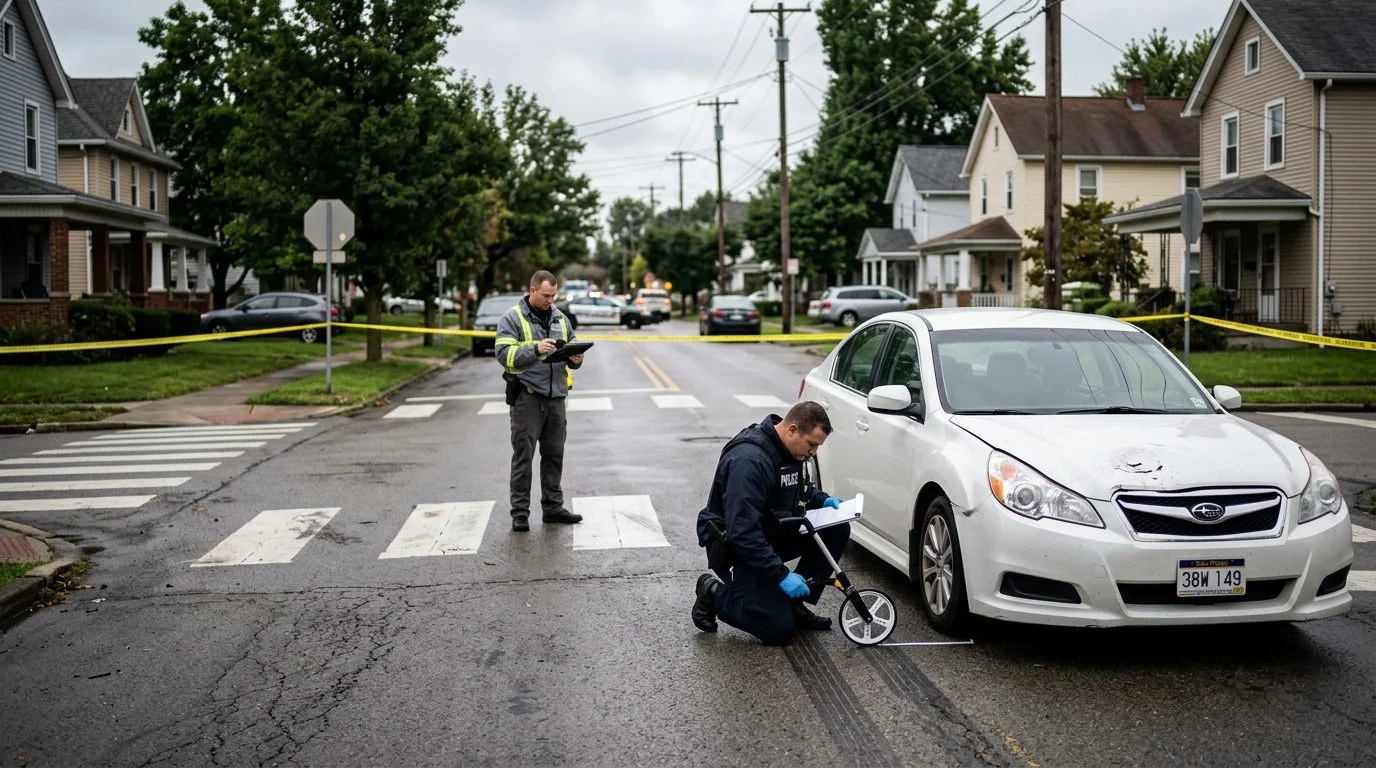
Car Accidents | West Virginia
Passed Out After a Crash? Get Checked and Get Answers.
A brain injury can hide behind a recovery that looks normal. Here is what to watch for, and how the firm can help you sort out your next steps.
Published November 21, 2026
Waking up after a crash with no memory of what happened is frightening. You may be asking whether passing out means your brain was hurt.
A loss of consciousness after a car accident can be a sign of a traumatic brain injury, even if the person seems fine afterward. It calls for prompt medical care. Many people in this situation are worried and want to understand what happened before deciding on next steps.
What It Can Mean When Someone Passes Out After a Crash
Passing out after a crash means a person was not awake or aware of their surroundings for a period of time. That period can last a few seconds or longer, and the person often cannot say how long it was. A short blackout can still matter.
Fainting has many causes. A drop in blood pressure, a heart problem, or a medical event can cause a person to lose consciousness, and so can a head injury. That is why a crash-related blackout should be checked by a medical professional. It should not be assumed harmless, and it should not be assumed serious without an exam.
People often cannot describe the moments before or after they lost consciousness. A passenger, the other driver, or a bystander may have seen what happened. Their account can help a provider understand the crash. Write down what they saw while the details are fresh, including whether the person spoke, moved, or stayed still. Tell the provider everything, including any shaking, vomiting, or headache.
Not sure what your next step is?
Talk it through with Big Bubba — the first case review is free, confidential, and carries no obligation.

Why a Loss of Consciousness Can Point to a Brain Injury
A loss of consciousness can mean the brain was shaken hard enough to disrupt its normal work. In a crash, the head may strike the steering wheel, a window, or a pillar. Even without a direct hit, fast stopping and sudden movement can jolt the brain inside the skull. That motion can interfere with the activity that keeps a person awake and aware.
Concussion is a form of traumatic brain injury. Losing consciousness is one possible sign of a concussion, but many concussions happen without it.
A brain injury can still be present when someone wakes quickly, feels fine at the scene, or has no visible head wound. Many people also feel fine in the first hours, then notice problems later. That pattern is why a medical check matters even after a short blackout. Clinicians usually look for injury with a physical exam and, when needed, imaging. A normal early scan does not rule out every type of injury, so symptoms should still be followed. Cause and extent are medical questions, and only a provider can answer them for a particular person.
Symptoms That Can Follow a Crash, Including Delayed Ones
Common symptoms after a head injury include headache, dizziness, nausea, confusion, and trouble concentrating. Memory problems, sensitivity to light or noise, and changes in sleep are also common. Some people feel irritable, sad, or unlike themselves.
Symptoms do not always show up right away. Traumatic brain injury effects may not be immediately apparent, and mild injuries can be hard to diagnose, according to brain injury health care research. Symptoms can also build over several days. A person who seemed fine at the scene still needs a follow-up evaluation. A person may also notice that tasks at work or home take longer than they used to.
Gaps in memory of the crash itself are also common. Clinicians often ask about amnesia, meaning missing time around the collision or the minutes after it. Tell your provider about any gap, even a small one. Report every new or changing symptom to a doctor, including mood changes. A symptom that seems minor can still matter.
Warning Signs That Need Emergency Care
Get emergency help right away if warning signs appear after a crash. Warning signs include repeated vomiting, a headache that keeps getting worse, and unequal pupils. Others include slurred speech, weakness or numbness, a seizure, confusion that grows worse, or being hard to wake.
Anyone who lost consciousness in a crash should be evaluated promptly, even if they feel better. Calling 911 is the right step when warning signs appear. Waiting to see if symptoms improve is not a safe plan when warning signs appear.
Under W. Va. Code § 17C-4-3, a driver involved in a crash resulting in injury must, if physically able, give reasonable help to the injured person. That can include arranging transport to a hospital when treatment is apparently needed or requested.
If someone may have a head injury, keep them under observation. Do not leave them alone if they have been drowsy or confused. Bring up the crash and the loss of consciousness with every provider you see. Early care also creates a record of what happened.
Why Medical Records of the Crash Matter
Medical records often help show what happened to a person after a crash. The emergency room note, the triage history, and the description of how the crash happened all become part of the record. Each provider writes down what they are told, so accurate details matter. A record that is complete and consistent is easier for a provider to use.
Tell every provider what you remember about losing consciousness, including how long you think it lasted. Mention any symptom that is new or changing. Good records also help a provider follow your progress over time.
A simple daily symptom log can help. Record the date, sleep, headaches, memory lapses, and activity limits. Then bring the log to follow-up visits. Ask your provider how to get copies of your records.
Missed follow-up appointments can leave gaps in the record. Crash reports also matter. Under W. Va. Code § 17C-4-7, an investigating officer must submit a crash report to the Division of Highways within 24 hours after completing the investigation for a crash on the public streets or highways of this state resulting in bodily injury to, or death of, any person or total property damage to an apparent extent of $1,000 or more. If the officer cannot complete the investigation within 10 days of the crash, he or she must submit a preliminary report of the crash to the Division of Highways on the 10th day after the crash.
Emotional and Cognitive Effects in the Weeks After a Crash
Feeling anxious, shaken, or on edge after a crash is common. A brain injury can also affect mood, focus, and emotional control. Some people notice they forget things, lose their train of thought, or react more strongly to small stresses.
Some people develop fear of driving or of riding in a car after a crash. A clinician or counselor can talk through treatment options for these reactions. A clinician may also suggest rest or a plan for returning to daily tasks.
Recovery time differs from person to person. It depends on the injury and the person, so questions about how long recovery may take are best raised with the treating clinician. Share mental and emotional changes with your doctor, not only physical symptoms. Those changes are part of the medical picture.
Family members often notice changes first. A spouse, parent, or friend can help write down what they see.
Not sure what your next step is?
Talk it through with Big Bubba — the first case review is free, confidential, and carries no obligation.
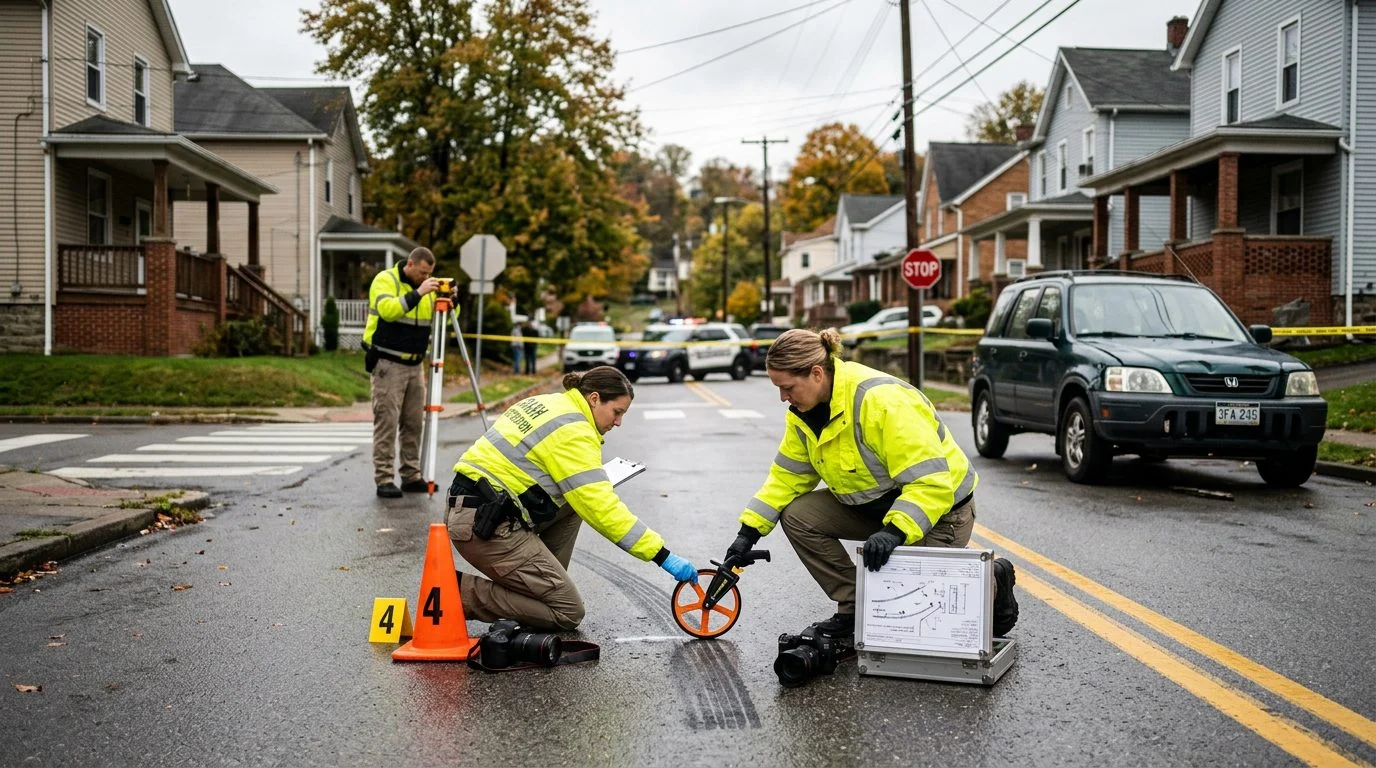
How a Brain Injury Can Connect to a West Virginia Claim
A brain injury can be part of a West Virginia injury claim, and the deadlines matter. Learning your deadlines early helps you plan.
West Virginia generally allows two years to bring a personal injury action after the right to sue has accrued. Exceptions may apply. See W. Va. Code § 55-2-12.
The law also limits some early settlement contacts.
Some insurers may contact an injured person soon after a crash. A claim can involve more than vehicle damage, including medical care and time away from work. Careful records help show the full picture.
We handle car accident and brain injury claims across West Virginia, and we serve injury victims in Charleston, Huntington, and other communities. If you passed out in a crash, or you are watching a loved one struggle with memory or confusion after a head injury, you do not have to sort out next steps alone. Request a free case review to ask about your options, with no obligation to continue.
Related practice areas
- Traumatic Brain Injury from Car and Truck Accidents in West Virginia
- Hit by a Car in West Virginia
- Numbness After a Car Accident: Could It Be a Spinal Injury?