
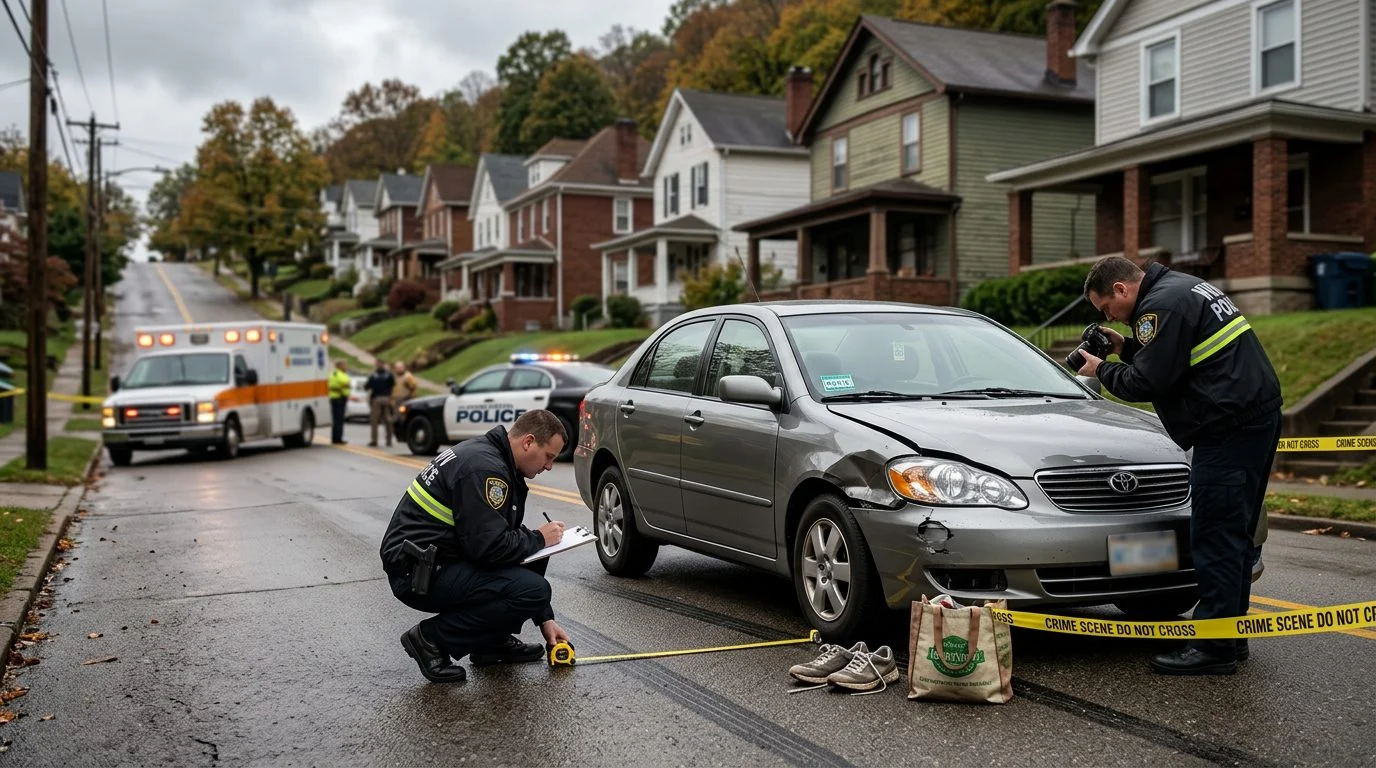
Pedestrian Injury Claims in West Virginia
Struck on Foot? Talk With Us About What Happened
Crashes involving people on foot raise hard questions about fault, reporting, and what comes next. We focus on serious injury and wrongful death cases, and we can help you sort through your options.
Published November 18, 2026
If a car hit you while you were walking, or someone you love was struck on foot, the first question is usually whether a claim is possible. A pedestrian hit by a car in West Virginia may be able to bring a claim when another driver’s negligence caused the injury. Negligence means a failure to use reasonable care.
The answer depends on how the crash happened. This guide covers fault, hit-and-run crashes, filing deadlines, crash reports, and cases involving a death.
Can a Pedestrian Hit by a Car Make a Claim?
Generally, yes. A pedestrian hurt by a car may be able to make a claim when another driver’s negligence caused the injury. Families often start asking this question while someone is still in the hospital, and that is a hard place to begin.
If a person died, the claim works differently. West Virginia generally requires a wrongful death action to be brought by the personal representative, the person appointed to manage the deceased person’s estate. The statute then addresses how any damages are shared among survivors, such as a spouse, children, and certain dependents (W. Va. Code § 55-7-6).
Whether a claim exists turns on the crash itself. Where the walker was, what the driver was doing, and what the scene looked like all matter. Two crashes that seem alike can have different answers.
If someone you love was struck on foot in West Virginia, you don't have to sort out the next steps alone. We can talk through your situation in a free case review. Talk it through with Big Bubba — the first case review is free, confidential, and carries no obligation.
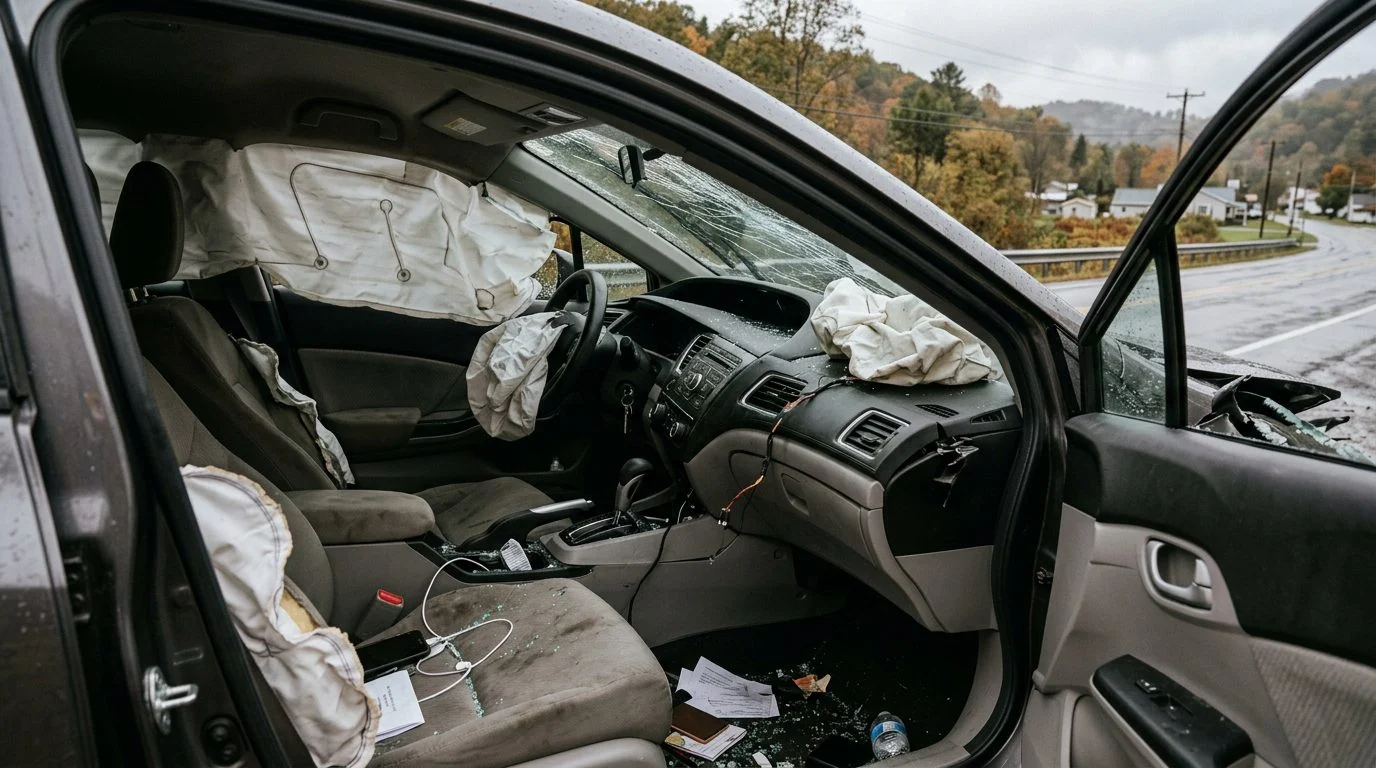
How Fault Is Looked At in a Pedestrian Crash
Fault is usually sorted out by looking at what each person did before and during the crash. Drivers and walkers each have responsibilities on the road, so both sides’ conduct can matter. Driver actions such as speed, distraction, and failure to yield are often part of that review.
West Virginia uses comparative fault, which means fault can be split by percentage. Under W. Va. Code § 55-7-13a, each person’s share of liability follows that person’s percentage of fault. Under W. Va. Code § 55-7-13c, an injured person’s own fault does not bar recovery unless it is greater than the combined fault of everyone else responsible. If it is less, the recovery is reduced in proportion to that person’s share of fault.
Many people assume a crosswalk decides everything. It is one fact among several. Lighting, weather, time of day, traffic signals, and where the person was crossing may be relevant, depending on the facts. A walker outside a crosswalk is not automatically shut out of a claim. Fault is measured in degrees, so the full picture of the scene matters.
When the Driver Leaves the Scene or Cannot Be Identified
A hit-and-run crash does not automatically end a claim, although an unknown driver makes the case harder to pursue. The early steps matter here.
A driver in a crash with injury generally must stop at the scene (W. Va. Code § 17c-4-1). If physically able, that driver must give a name, a valid phone number, the year, make, model and last four digits of the vehicle identification number, and proof of security and financial responsibility, and must give reasonable help to the injured person; the driver may meet the information requirement by providing it to a law-enforcement officer who is investigating or providing assistance at the scene of the collision (W. Va. Code § 17c-4-3). The driver must also report the crash right away to local police, or to the county sheriff or State Police outside a city (W. Va. Code § 17c-4-6).
If the driver cannot be found, an uninsured motorist claim may be possible under the injured person’s own auto policy or a household policy. W. Va. Code § 33-6-31 requires motor vehicle policies to cover sums the insured is legally entitled to recover from an uninsured driver.
Write down what you can right away. Vehicle color, make, partial plate, and direction of travel may be relevant later. Names and phone numbers of witnesses matter too, even if they seem small now.
The Filing Deadline for a Pedestrian Claim
West Virginia generally allows two years to file a personal injury lawsuit, and exceptions may apply. W. Va. Code § 55-2-12 sets that general two-year period for personal injury actions.
A wrongful death claim has its own timing rule. Under W. Va. Code § 55-7-6, the action must be started within two years after the death, subject to other provisions of state law. W. Va. Code § 55-7-6 reads: “The provisions of this section shall not apply to actions brought for the death of any person occurring prior to July 1, 1988.”
Missing a filing deadline can bar a claim entirely. One common pitfall is waiting while treatment or grief takes over, until the date has passed. Write down the crash date and, if it applies, the date of death at the start. Early timing questions are easier to answer when those dates are on hand.
Evidence and Insurance Questions That Often Come Up
The police crash report is usually the first record to request. Under W. Va. Code § 17c-4-7, the investigating officer must prepare a report within 24 hours after finishing the investigation. Within 24 hours of the crash, the officer must also give each party’s owner, operator, and insurance information to the other parties on request, at no cost, even before the report is complete.
Photos of the scene, vehicle damage, road conditions, and visible injuries may be relevant. Video from nearby businesses or traffic cameras may also exist, but it can be overwritten, so ask early. Medical records and provider notes help connect the injury to the crash.
More than one insurance policy may respond to a pedestrian crash. These can include the driver’s liability policy and the injured person’s own coverage. Some insurers may dispute a claim or question how the crash happened, so keep careful records from the start.
Early calls can be a pressure point. Under W. Va. Code § 55-7-11a, the statute generally bars anyone from negotiating a settlement or seeking a release from an injured person within twenty days of the injury, if that person is in the hospital or unable to do usual work. A settlement made in violation of that rule may be disavowed by the injured person within one hundred eighty days from the date of the personal injury by a written statement of disavowal forwarded to the person who made it; the settlement then may not be admitted in evidence if any consideration paid is repaid or returned to the person who paid it (W. Va. Code § 55-7-11a).
When a Pedestrian Crash Involves Serious or Fatal Injuries
Serious injuries, such as traumatic brain injury or spinal cord injury, often need extended treatment, and recovery can be hard to predict. These injuries can change work, family roles, and daily routines for a long time. The record of what changed matters.
Keep a written log of symptoms, appointments, missed work, and tasks that now take more effort. Save discharge papers, therapy notes, and medical bills together. A log like this can help show how the injury has affected the person’s life.
When a pedestrian dies, West Virginia law lists the kinds of damages a jury may consider. When a pedestrian dies, West Virginia law provides that the jury’s verdict shall include, but may not be limited to, damages for the following: sorrow, mental anguish, and solace; expected loss of income and of the services, protection, care, and assistance the person provided; expenses for care and hospital treatment tied to the injury; and reasonable funeral expenses (W. Va. Code § 55-7-6).
Family members can help by keeping the person’s medical, employment, and crash records in one place. That early organizing can make later steps easier to follow.
Not sure what your next step is?
Talk it through with Big Bubba — the first case review is free, confidential, and carries no obligation.
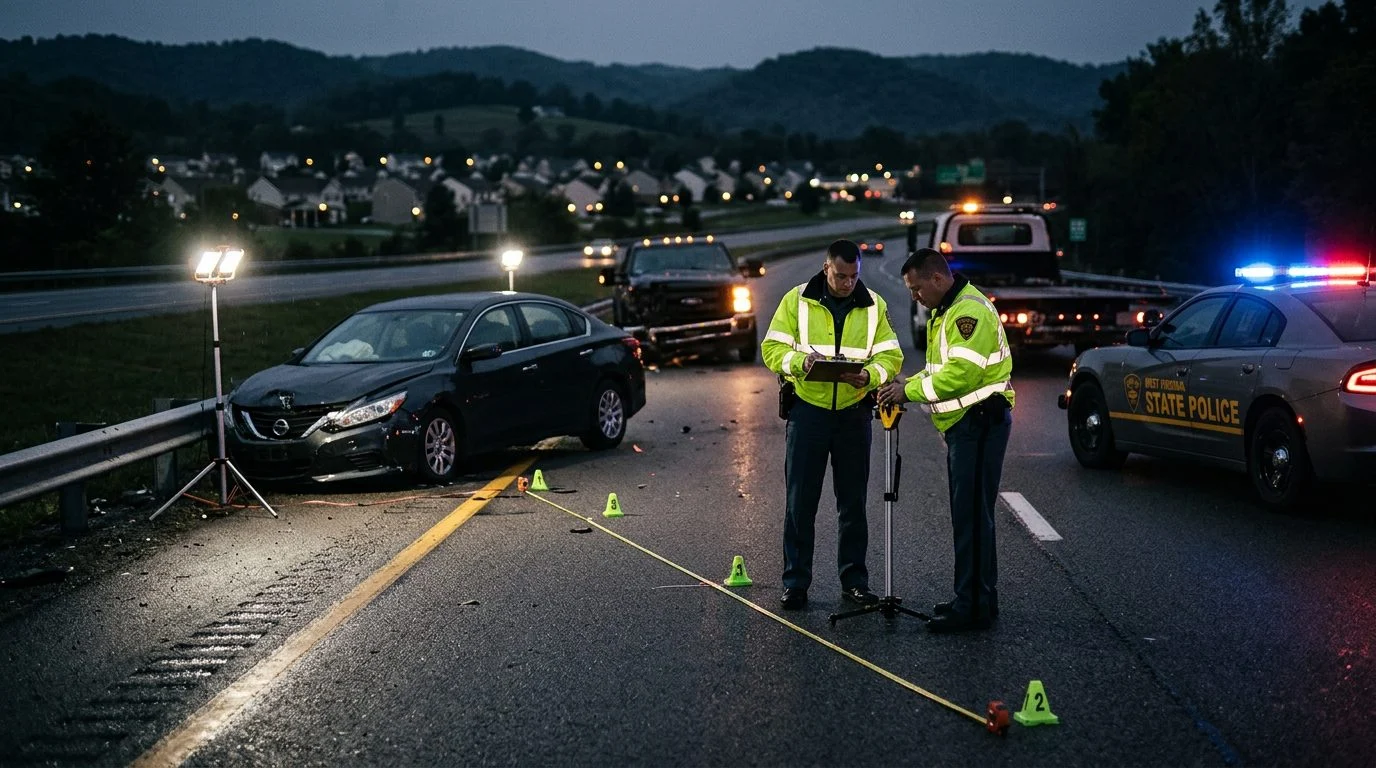
Talking With the Firm About a Pedestrian Crash
If you are sitting by a hospital bed, caring for a child who was struck, or trying to understand a crash that took someone you love, you do not have to work through the legal steps alone. We handle car accident, truck accident, and wrongful death matters. We serve injury victims across West Virginia, including Charleston, Huntington, Morgantown, Wheeling, Martinsburg, Parkersburg, Beckley, Clarksburg, Fairmont, and Weirton.
In a free case review, we can talk through how the crash happened, the deadlines that may apply, and the records worth gathering.