
Car Accidents | West Virginia
Hurt in a Rear-End Collision? Start with a Clear Picture of Your Claim
This guide explains how rear-end crash injury claims work in West Virginia. You can reach out to the firm for a free case review, held in confidence and with no obligation to continue.
Published November 7, 2026
Here’s the short answer: a rear-end collision injury claim West Virginia residents can bring asks the at-fault driver’s insurer, or a court, to pay for harm caused by a crash. In general, West Virginia allows two years to file a personal injury lawsuit, and exceptions may apply (W. Va. Code § 55-2-12). This guide explains how these claims work, what evidence matters, and what to expect. It’s written for injured drivers, passengers, and the family members who often handle the paperwork.
What a Rear-End or Intersection Crash Injury Claim Covers
A claim is a request for money to cover losses caused by a crash. It usually starts with the at-fault driver’s insurer. If talks fail, it may become a lawsuit in court.
Who can bring a claim:
- The injured driver or passenger.
- Family members after a fatal crash. Under W. Va. Code § 55-7-6, the personal representative of the deceased person’s estate brings the wrongful death action.
Losses that may be part of a claim:
- Medical bills and future care
- Lost wages and reduced ability to earn
- Vehicle damage
- Pain, suffering, and loss of enjoyment of life
In a wrongful death case, the statute lists sorrow and mental anguish, lost income and services, care expenses, and reasonable funeral expenses. Which losses apply depends on the crash and the injuries involved.
If a rear-end or intersection crash left you hurt, you may have a claim, and you don't have to figure it out alone. The firm offers a free case review. Talk it through with Big Bubba — the first case review is free, confidential, and carries no obligation.
Who May Be Responsible in Rear-End and Intersection Crashes
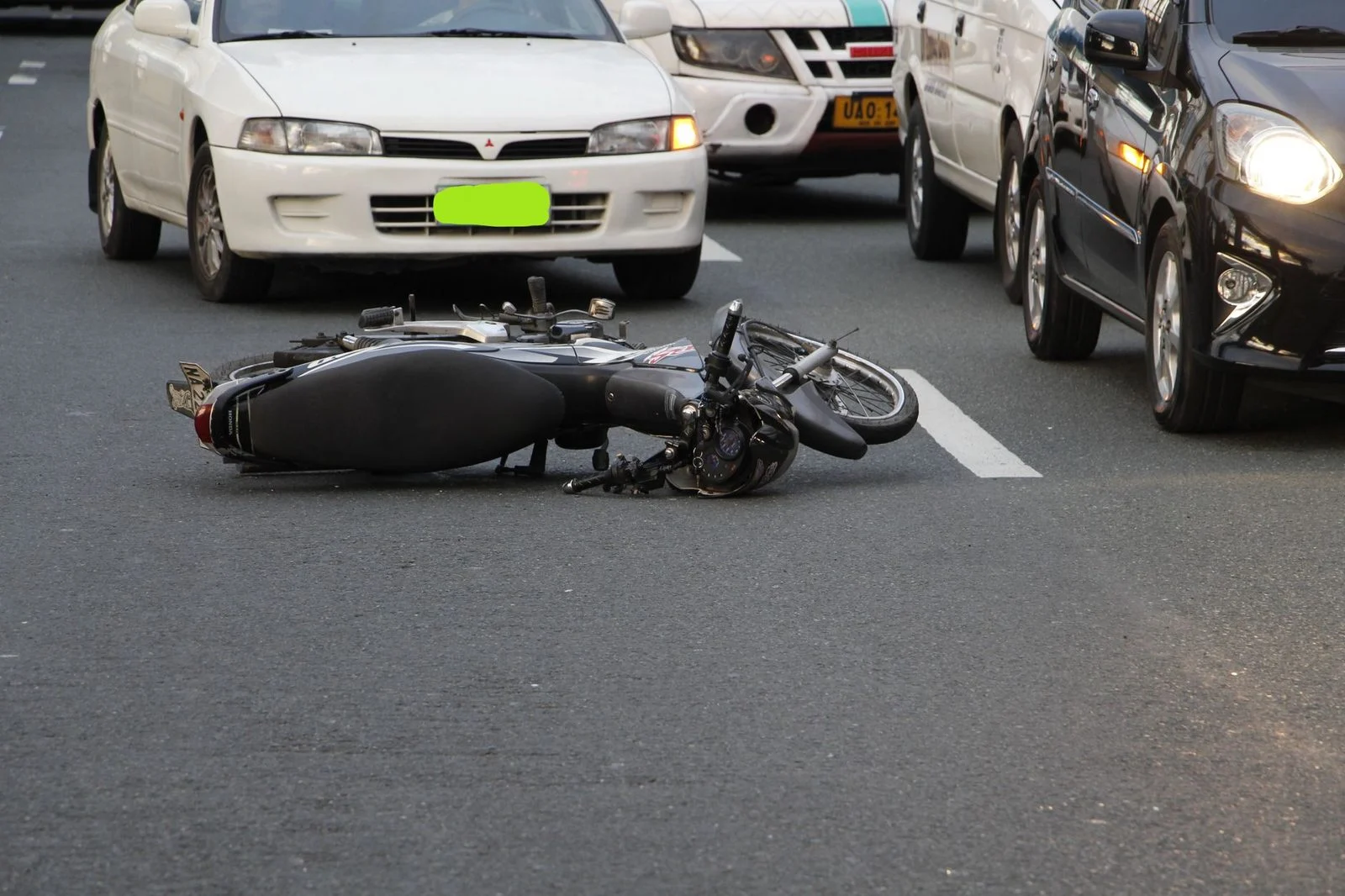
Fault depends on what each driver did before the impact. If another driver was at fault, that driver’s insurer may owe your claim.
In a rear-end crash, investigators often look at following distance, attention, speed, and braking. The driver who hits the vehicle ahead is often examined closely, but the full picture matters.
At intersections, right-of-way rules, traffic signals, stop signs, turns, and yielding are commonly reviewed.
West Virginia uses modified comparative fault, which means shared fault can reduce recovery. Under W. Va. Code § 55-7-13c, your fault generally does not bar recovery unless it is greater than the combined fault of everyone else responsible. If it is less, your recovery is reduced in proportion to your share of fault.
When a commercial truck or other commercial vehicle is involved, the employer or vehicle owner may also be a party. See McCormick v. W. Va. Dep’t of Public Safety.
Injuries That Often Follow These Impacts
Many people feel neck and back pain after a rear impact, even when the vehicle looks only lightly damaged. Some injuries show up later.
Common injuries include:
- Whiplash and other neck and back strains (soft-tissue injuries)
- Traumatic brain injury, which can cause headaches, dizziness, memory or concentration changes, and mood changes, even without losing consciousness
- Spinal cord injury, which can cause weakness, paralysis, or loss of feeling. MedlinePlus notes that motor vehicle accidents can cause these injuries.
- Fractures and other injuries from high-force impacts
Symptoms can appear hours or days after a crash. Prompt medical care helps your health and creates records that connect the crash to your injuries. Recovery time varies from person to person.
Evidence That May Matter in Your Claim
Early records of the crash and your injuries often carry real weight. Start collecting them as soon as you can.
- The police crash report, including the officer’s diagram and statements. Ask the investigating agency how to request a copy.
- Photos of vehicle damage, the scene, traffic signals, skid marks, and road conditions, taken once it is safe.
- Witness names and phone numbers, plus any dashcam or nearby video that may still exist.
- Medical records, imaging, and treatment notes from the first visit on.
- Pay records and proof of work you missed.
- A simple journal of symptoms, appointments, and activities you can no longer do. This may be relevant.
Seat belt use can come up in these cases. Under W. Va. Code § 17C-15-49a, evidence that a claimant driver was not wearing a safety belt may be admissible to show that the failure exacerbated or contributed to the driver’s damages, but not if any driver with fault was driving in an impaired state. However, the defendant’s burden of proof must be backed by testimony from a witness qualified under Rule 702 of the West Virginia Rules of Evidence, and the court must first find that this testimony meets that rule’s threshold requirements. The statute allows that evidence in limited situations: to show negligence of the driver of the passenger vehicle in which a claimant child was a passenger, subject to the West Virginia Rules of Evidence.
Talking to Insurers After a Crash
You may choose to wait before giving any recorded statement to an insurer. Insurers may move quickly, so think before you agree to anything.
West Virginia limits early settlement contact. For twenty days after a personal injury, while you are a hospital inpatient or partially or totally unable to engage in your usual trade, profession or occupation, no person may negotiate or attempt to negotiate a settlement of your claim, obtain a release of liability from you, or obtain a written or oral statement from you for use in negotiating a settlement or release. That rule comes from W. Va. Code § 55-7-11a. Under W. Va. Code § 55-7-11a, an injured person may disavow a settlement, release of liability or statement obtained in violation of this section by signing a written statement of disavowal and sending a copy to the person who violated it, and this must be done within one hundred eighty days of the date of the personal injury. If any consideration was paid for the settlement or release, it must be repaid or returned to the person who paid it for the settlement or release to be inadmissible in court.
Some insurers may dispute a claim or the value of your injuries. Common cautions include:
- Don’t guess about speed or fault.
- Don’t describe your injuries as minor before you know the full picture.
- Don’t sign a release until your injuries are better understood.
A well-documented, organized claim is generally easier to evaluate.
How a Claim Usually Moves Forward
A claim usually moves through review, investigation, medical documentation, negotiation, and, if needed, a lawsuit.
- Initial review: The crash facts, insurance details, and treatment to date are reviewed.
- Investigation: The police report, scene evidence, vehicle information, and records are gathered.
- Medical documentation: Records show the injuries and how they connect to the crash.
- Negotiation: The claim goes to the responsible insurer, and talks follow.
- Lawsuit, if needed: If a fair resolution is not reached, a suit may be filed in court.
Deadlines matter. West Virginia generally allows two years to file a personal injury lawsuit under W. Va. Code § 55-2-12, and exceptions may apply. A wrongful death action is generally brought within two years after the death, subject to the provisions of section eighteen, article two, chapter fifty-five, under W. Va. Code § 55-7-6. W. Va. Code § 55-7-6 reads: “The provisions of this section shall not apply to actions brought for the death of any person occurring prior to July 1, 1988.” Timing should be reviewed promptly.
Not sure what your next step is?
Talk it through with Big Bubba — the first case review is free, confidential, and carries no obligation.
Frequently Asked Questions About Rear-End and Intersection Crash Claims
Common questions about a rear-end collision injury claim West Virginia residents ask are answered below.
What can I sue for after being rear-ended?
You may seek medical bills, lost income, vehicle damage, and pain and suffering. The losses that apply depend on your injuries and the crash.
Can I still bring a claim if I was partly at fault?
Often, yes. Under West Virginia’s modified comparative fault rule, your fault generally does not bar recovery unless it is greater than everyone else’s combined fault.
Does a police report decide who is at fault?
No single document decides fault. A police report is important evidence, but insurers and courts look at the full picture.
What if the other driver left the scene?
Hit-and-run crashes raise separate questions about who may be responsible and how a claim may proceed. Those questions are worth raising early.
How long do I have to act?
West Virginia generally allows two years for a personal injury lawsuit, and exceptions may apply. Because timing matters, review it early.
Telling the Firm What Happened in Your Crash
The next step is talking through what happened with a firm that handles these cases. You may still be recovering, waiting on a repair, fielding insurance calls, or helping a family member through the aftermath. That is a lot to carry alone.
The firm handles car accident claims, truck and commercial vehicle accident claims, catastrophic injury cases, traumatic brain injury and spinal cord injury claims, and wrongful death cases. We serve people across West Virginia.
If you’re ready to tell Bubba what happened, call the firm about your case or request a free case review through our contact page.