
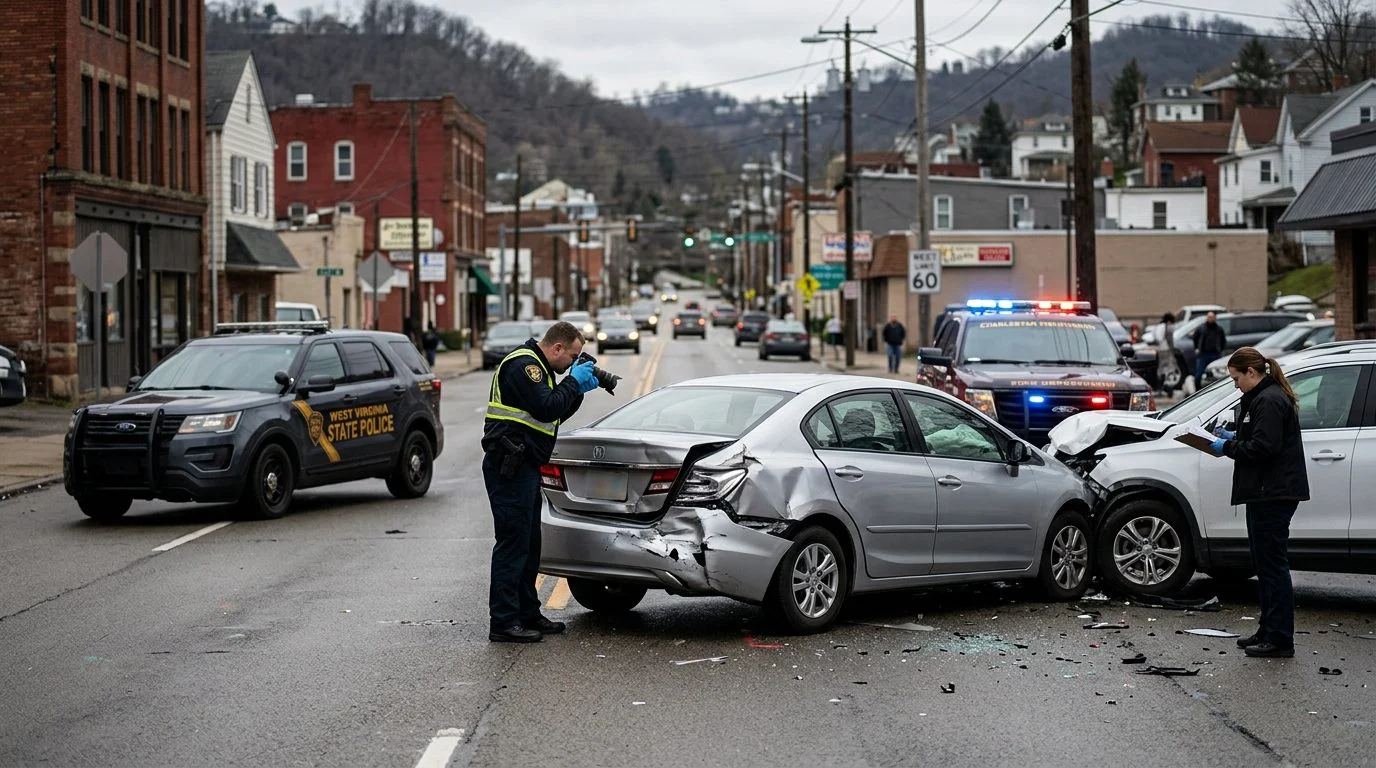
West Virginia car accident claims
Injured and without a car? You have options to explore.
Losing your vehicle after a crash can disrupt work, medical visits, and family routines. Here is how to think through rental and loss-of-use questions.
Published November 16, 2026
A crash can leave you without a car right when you need one most, for work, doctor visits, and school runs. If you’re asking who pays for a rental car after a car accident in West Virginia, the answer usually comes from one of three places: your own auto policy, the at-fault driver’s insurer, or a rental agreement you sign yourself.
This page walks through each path, the records that help, and the questions to ask. It does not promise any coverage, amount, or timeline, because every claim turns on its own facts.
Why a Rental Car Question Comes Up So Fast After a Crash
A rental is often the first practical problem after a crash. The damaged car may be towed, held for inspection, or sitting at a repair shop while everyone waits on paperwork.
The first days are hard. The injured person may not be able to drive. A parent may be juggling work, child care, and hospital visits. A spouse or adult child may be handling insurance calls for someone who is still recovering.
That is why the rental question comes up so fast. Getting to work, treatment, and school depends on having a vehicle.
Some steps matter early, before any insurance talk starts. West Virginia law requires a driver in a crash that causes injury, or total property damage of $1,000 or more, to give notice immediately by the quickest means available. Notice goes to the local police department if the crash occurs within a municipality; otherwise it goes to the county sheriff or nearest State Police office (W. Va. Code § 17c-4-6).
In a crash resulting in injury to or death of any person, or damage to a vehicle driven or attended by any person, drivers must also give the other parties their name, a valid phone number, the year, make, model and last four digits of the vehicle identification number, and proof of insurance, if they are physically able (W. Va. Code § 17c-4-3). Keeping that information in one place makes the claim easier later.
If a crash has left you without a car while you or a family member recover, we are glad to talk through what that may mean for your claim. Talk it through with Big Bubba — the first case review is free, confidential, and carries no obligation.
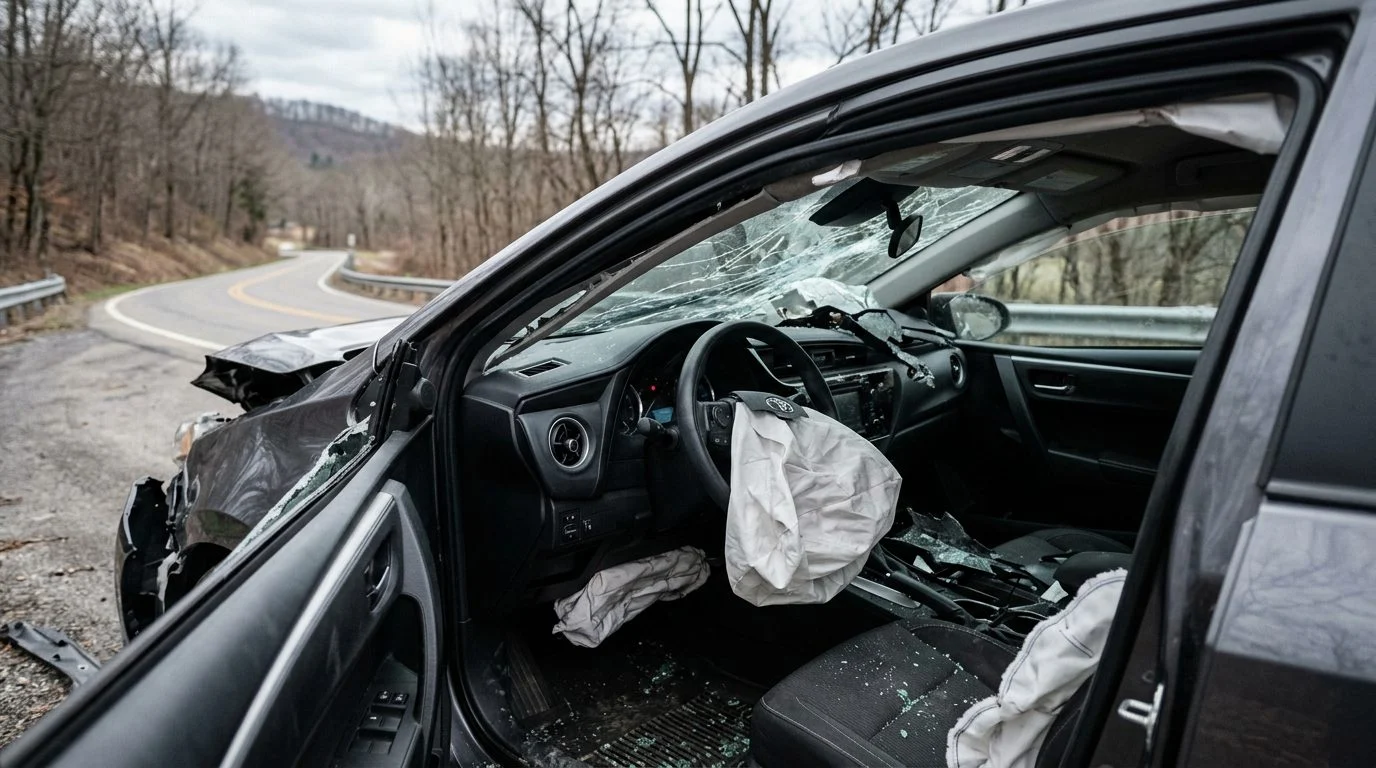
Who Pays for a Rental Car After an Accident in West Virginia
Three sources can pay for a rental, and each works differently. Start by checking your own auto policy, then look at the at-fault driver’s insurance.
Rental reimbursement coverage. Some auto policies include rental reimbursement coverage. When it applies, it helps pay for a rental while your car is being repaired or replaced, up to the limits in your policy. Not every policy includes it, so read the policy language closely.
The at-fault driver’s liability insurance. When another driver caused the crash, that driver’s liability insurer may be asked to pay for a rental as loss of use. The sections below explain how that claim works.
The rental agreement. The agreement you sign with the rental company is a separate contract. Under its terms, the renter is generally responsible for the vehicle. Coverage offered at the counter is a different question from your injury or property claim.
Some insurers may dispute a rental claim or limit how long they will pay. Results depend on the policy wording, the fault facts, and the records in the file.
What Loss of Use Means in a West Virginia Injury Claim
Loss of use is the value of having a vehicle you lost because of the crash. A comparable rental for a reasonable period, while repairs or a replacement are pending, is a common way to show it.
Loss of use is generally treated as a separate item from the cost to repair or replace the car. It is a different question from what the car itself was worth.
How it is presented can depend on the facts. The length of the loss, the repair timeline, and the records kept all matter.
West Virginia generally bases recovery on comparative fault (shared fault). Each person’s share of fault is allocated by percentage (W. Va. Code § 55-7-13a). A rental claim can be affected by how fault is divided.
Timing matters too. West Virginia generally allows two years to file a personal injury or property damage action, and exceptions may apply (W. Va. Code § 55-2-12).
A loss of use claim is not a fixed payment. Each claim is valued on its own facts, and it can be disputed.
Can You Keep the Rental, and Can Someone Else Drive It
How long you can keep a rental usually depends on the repair status, any total-loss evaluation, and the terms set by the insurer or the rental company.
A total-loss evaluation is the insurer’s review of whether repairs make sense. If the car is declared a total loss, the rental period may end on a different schedule.
Ask the adjuster for the rental terms in writing. Write down the date each rental starts, and keep any notice you receive about ending coverage.
A comparable vehicle is another option some insurers may offer in place of a rental. Whether that happens depends on the policy and how the insurer handles the claim.
Rental agreements often name who may drive the car. Confirm the authorized drivers before anyone else takes the wheel. A driver who is not listed may breach the agreement, and that can complicate insurance questions too.
Getting these answers early keeps the rental from turning into a surprise. Small gaps in paperwork often cause the biggest problems later.
If the Other Driver’s Insurer Is Involved
If another driver was at fault, that driver’s liability insurer may be asked to cover loss of use. The adjuster may request records about the rental, the repairs, and the car itself.
Underinsured coverage can matter when the at-fault driver does not have enough insurance. Check your own policy for that coverage.
Early contact has rules too. Read anything before you sign it, and check the date.
Some insurers may dispute how much is owed for a rental. A dispute is not the end of the claim. Keep notes of every call, including the date, the name of the person you spoke with, and what was said.
Records That Help Document a Rental and Loss of Use Claim
The most useful records are the crash report, the rental paperwork, repair or total-loss notices, and letters from insurers. Keep them in one folder, sorted by date.
The investigating officer must prepare a crash report within 24 hours after completing the investigation. This applies to crashes on public streets or highways involving injury or death, or total property damage of $1,000 or more (W. Va. Code § 17c-4-7). Within 24 hours of the crash, the officer must share owner, operator, and insurance information with each involved party upon request, at no cost, and with each party’s insurance agents (W. Va. Code § 17c-4-7).
The report must give enough detail to show the cause of the crash, the conditions then existing, and the people and vehicles involved (W. Va. Code § 17c-4-9). Those details help explain why the car was out of service.
Keep a simple trip log. Write down each trip the rental made possible: work shifts, medical visits, school runs, and errands. Note the date, the destination, and who went. This shows how the loss changed daily life.
Medical records often support the injury side of the same claim. Keep appointment notes and bills with the rental papers so the timeline stays together.
Not sure what your next step is?
Talk it through with Big Bubba — the first case review is free, confidential, and carries no obligation.
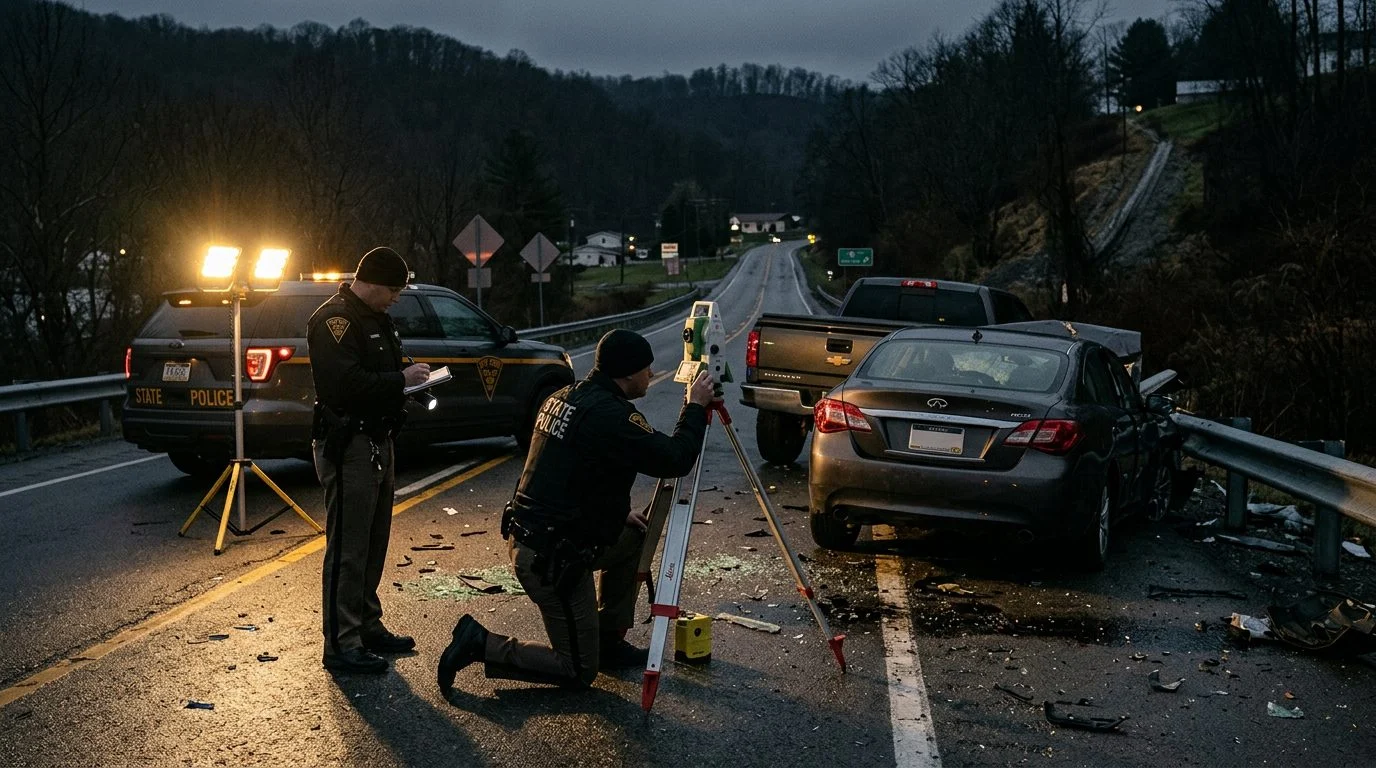
Rental Vehicles and Your Claim
You may be handling this for a family member who cannot drive yet. The rental question now touches work, treatment, and daily life. You do not have to sort out the insurance on your own.
We handle car accident, truck accident, and catastrophic injury claims across West Virginia. A crash involving a rental, a total loss, or a serious injury can raise several questions at once.
Records such as the crash report number, your insurance policy information, rental paperwork, and a trip log may be relevant to documenting a claim, depending on the facts. Bring whatever you have, even if some of it is incomplete.
If you want to talk through the crash, the insurance involved, and what loss of use may mean for your situation, you can request a free case review with the firm.