
Car Accidents | West Virginia
Confused After a Crash? Start With Clear Answers
Plain-language guidance for West Virginians dealing with the paperwork, questions, and stress that follow a collision, from Big Bubba.
Published November 15, 2026
If you’re asking whether you have to report a car accident to police in West Virginia, the short answer is generally yes when someone is hurt. A crash can leave you shaken, and the legal duties are easy to miss in that moment. Here is what the law generally asks of you, and where the details depend on the facts.
The Short Answer: Often Yes, but It Depends on the Crash
Crashes that involve injury or death raise serious questions about fault and responsibility. W. Va. Code § 17C-4-1 says the driver must immediately stop at the scene, or as close as possible, and stay there until the information and aid duties are met. The driver may leave only as reasonably needed to help an injured person.
Crashes that cause only vehicle damage follow related rules, and how those apply can depend on the facts, including how much damage there is and whether anyone was hurt.
If your crash left you hurt, the police call is the step most clearly expected. A crash can also leave you with a serious injury that changes your life for a long time. For a broader look at those injuries, see our guide on traumatic brain injury accidents. Knowing the reporting rules early helps you protect your rights later.
If your crash left you hurt, or the other driver drove away, you may have a claim, and the firm can help you sort out what comes next. Talk it through with Big Bubba — the first case review is free, confidential, and carries no obligation.

When Police Must Be Called at the Scene
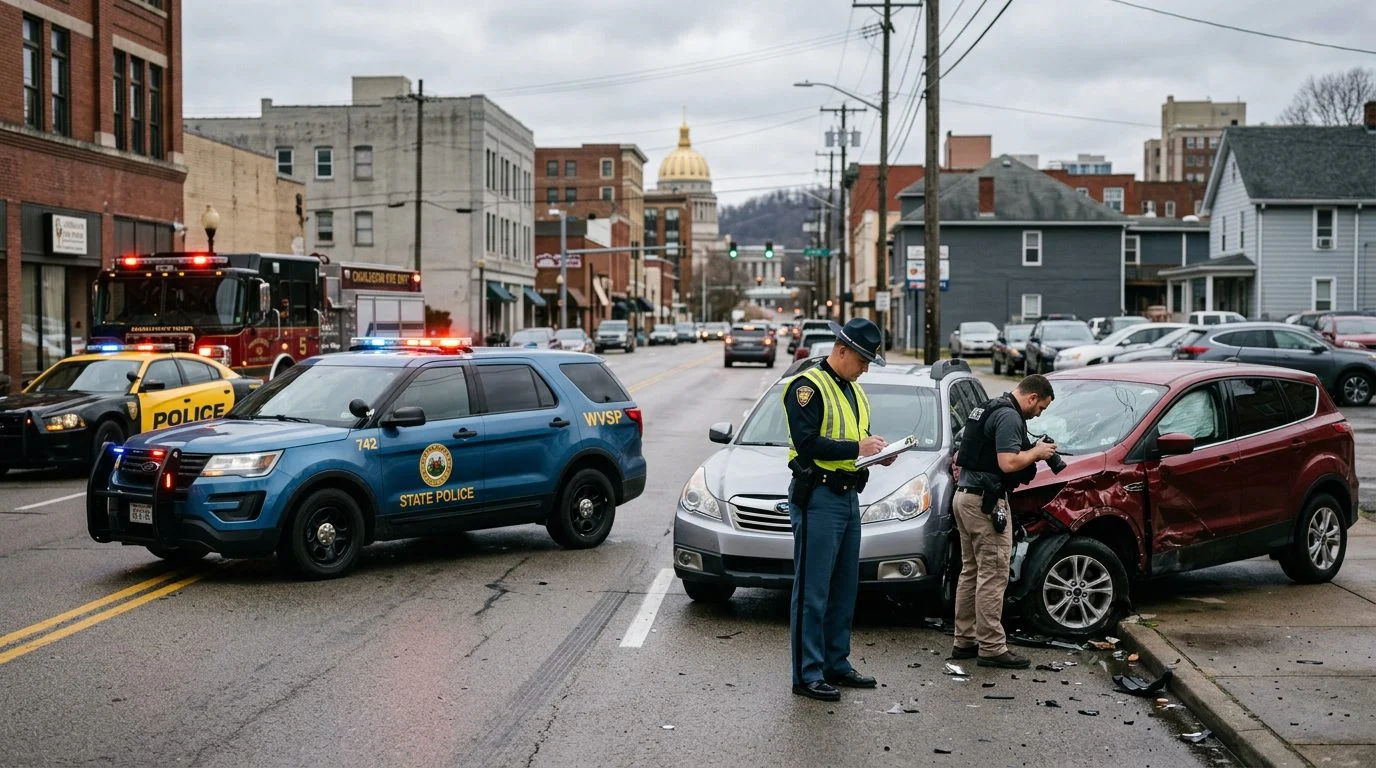
A crash with injury, death, or total property damage of $1,000 or more calls for prompt notice to police. W. Va. Code § 17C-4-6 requires the driver to give notice by the quickest means of communication. If the crash happens inside a city or town, call the local police department. Otherwise, notify the county sheriff’s office or the nearest West Virginia State Police office.
Don’t assume a small dent means the duty is gone. The statute uses a dollar threshold, so check the apparent damage before deciding. Injuries also don’t always show up right away. Some head and spine injuries take hours or days to cause symptoms. Getting checked by a medical provider after any impact is a sensible step, and it creates a record that matters later.
The duties at the scene go beyond the call. Under W. Va. Code § 17C-4-3, if you’re physically able, you must give the other party your name, a valid phone number, and your vehicle’s year, make, model, and last four VIN digits. You must also give proof of insurance. A driver involved in a crash that injures someone, if physically able, owes that injured person reasonable help, including arranging a ride to a doctor or hospital when treatment appears necessary or the person asks for it.
The Written Report and the 10-Day Window
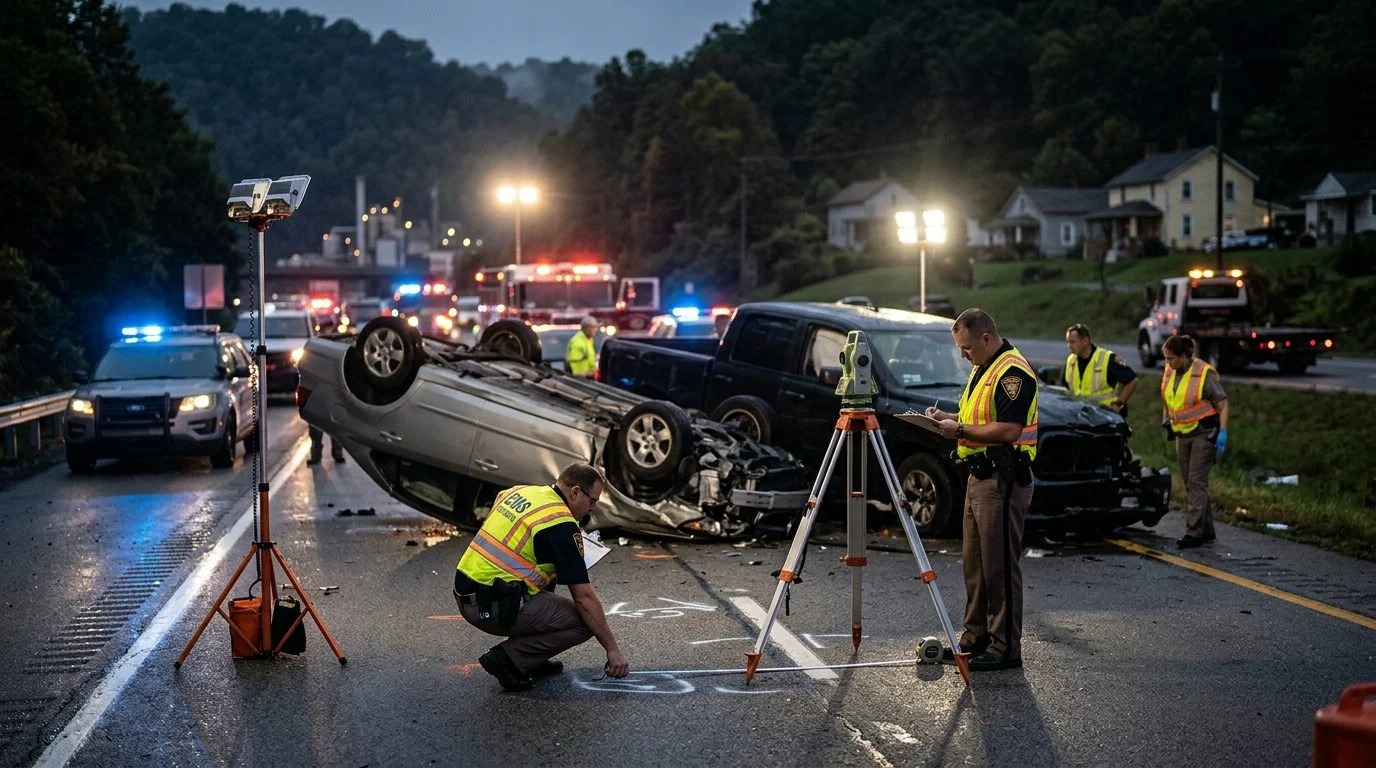
The 10-day language in West Virginia’s crash report statute applies to the investigating officer, not to you as the driver. W. Va. Code § 17C-4-7 requires the officer to prepare a report within 24 hours after finishing the investigation. If the investigation isn’t finished within 10 days of the crash, the officer must file a preliminary report on the tenth day.
That timing matters in practice. The final report can take longer than you expect, especially in a complicated crash. Under W. Va. Code § 17C-4-7, the investigating officer must, upon request, provide owner, operator, and insurance information to each involved party within 24 hours, at no cost, whether or not the report is finished. Ask for those details at the scene and write down what you receive.
Failing to notify police has consequences. W. Va. Code § 17C-4-10 says the Commissioner may suspend the license or permit of a person who fails to notify law enforcement of a crash. A person convicted of failing to notify law enforcement as required shall be punished as provided in section one, article eighteen of this chapter. To request a copy of a report, see how to get a crash report.
Hit-and-Run, Uninsured Drivers, and Crashes with Other Vehicles
If the other driver leaves the scene, report the crash to police as soon as you can.
Write down what you can while the details are fresh. Note the other vehicle’s plate, its description, the direction it traveled, and the names of any witnesses. Do this only if it’s safe to stop and look.
If the other driver appears uninsured, your own policy may matter. W. Va. Code § 33-6-31 covers uninsured motorist coverage; recovery under the endorsement or provisions is subject to the conditions set forth in the statute.
Crashes involving commercial trucks can bring in federal rules too. Under 49 C.F.R. § 382.303, after certain crashes involving a commercial motor vehicle, the employer must test its surviving driver for alcohol and controlled substances and keep records when a test is not given promptly. Whether those duties apply depends on the facts of the crash.
How a Police Report Connects to Your Insurance and Injury Claim
A police report is one record among several. It doesn’t replace medical records, bills, or photos of the scene and vehicles. Its weight in a claim depends on the facts of your crash.
Some insurers may ask for the police report, the other driver’s insurance details, and a description of what happened. Give accurate facts, and say so when you’re unsure of a detail. Avoid guessing about speed, distance, or fault. A guess can be used against you later.
Some insurers may also request a recorded statement soon after a crash. Before you give one, review the first insurance offer guide for more on that step. A crash can also affect your premiums, which is covered in car insurance rates after an accident.
Keep the report, medical bills, photos, and your notes in one place. Organized records make it easier to answer questions from insurers and from your own team later.
What Details to Share About Your Crash
If the crash left you hurt, involved a truck or commercial vehicle, or the other driver drove away, your next steps may depend on the rules above. The firm handles car accident, truck accident, commercial vehicle, and wrongful death claims, and serves injury victims across West Virginia.
If you’re still unsure whether you met your reporting duties, tell us what happened and we can review the facts of your crash with you. You can request a free case review to talk through your situation.