
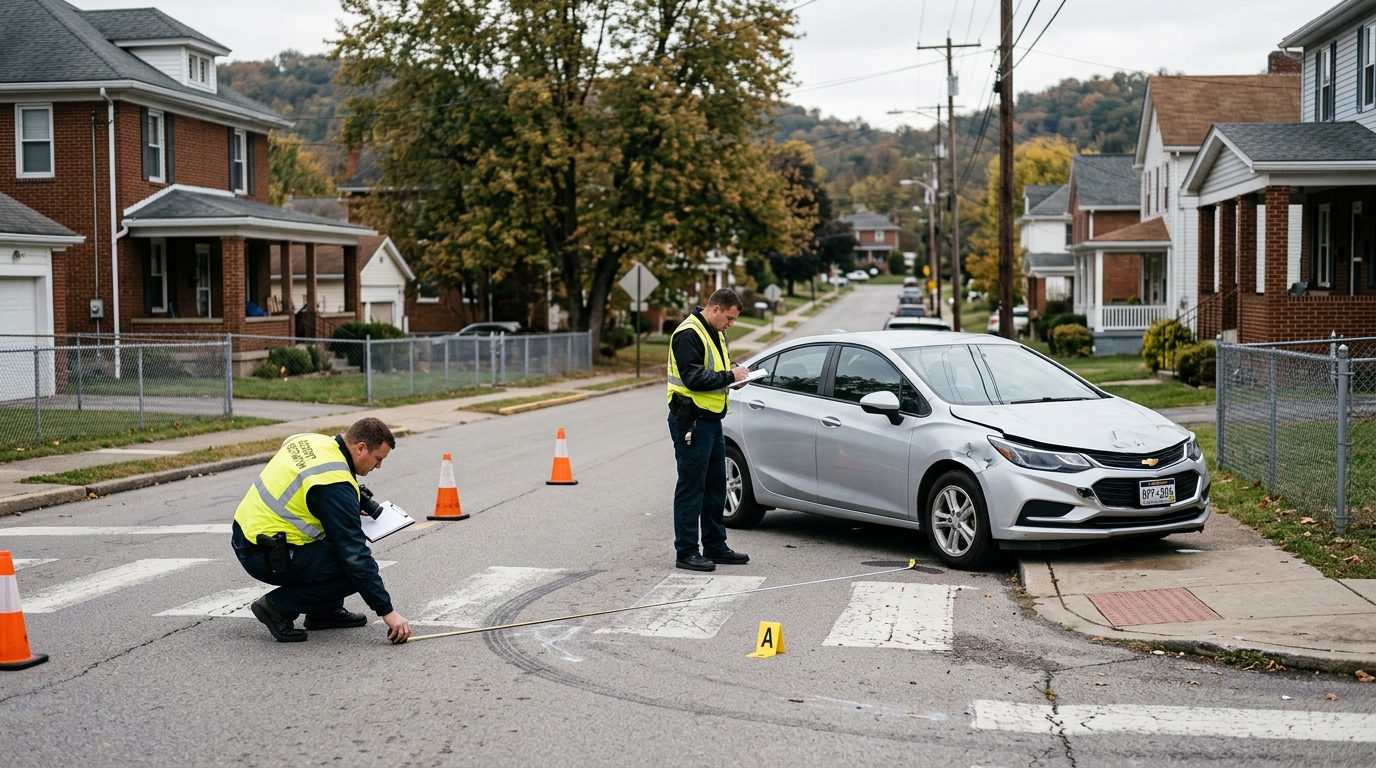
West Virginia Brain Injury Claims
Does Not Wearing a Seatbelt Affect Your Brain Injury Claim?
Belt use can come up after a serious crash, but the answer depends on how the crash happened and how the injury occurred. Here is how to start thinking it through.
Published November 11, 2026
Does not wearing a seatbelt affect a brain injury claim in West Virginia? It can come up, but whether it matters depends on the facts of the crash and the injury.
Below, we explain how West Virginia’s fault rules work, why belt use comes up in head injury cases, and what to gather before you talk with a lawyer.
Short Answer: The Question Turns on the Facts of the Crash
The seatbelt question is usually not just whether the person was buckled. It is whether the crash caused the brain injury and, if so, whether belt use changed how serious that injury became. Those are two separate questions.
Three factors usually shape the answer. The first is the crash mechanics: how the vehicle moved, what the head struck, and whether anyone was thrown from the vehicle. The second is the medical evidence, including the records made in the first hours after the crash. The third is the legal rules that apply to the claim.
In practice, the question often turns on how the head moved. A belted person can still strike the windshield, the steering wheel, or the window frame. Belt use is only one piece of the picture.
A lawyer reviewing a case looks at all three together. No single fact settles the question on its own, and two crashes that look alike may still turn out differently. Your own situation can also differ from a neighbor’s, even if the vehicles and roads were the same. West Virginia’s statute on seatbelt evidence is specific, so the details matter here.
If a crash left you or a family member with a head injury and you're unsure whether the seatbelt question could affect your claim, we can go over those facts with you in a free case review. Talk it through with Big Bubba — the first case review is free, confidential, and carries no obligation.
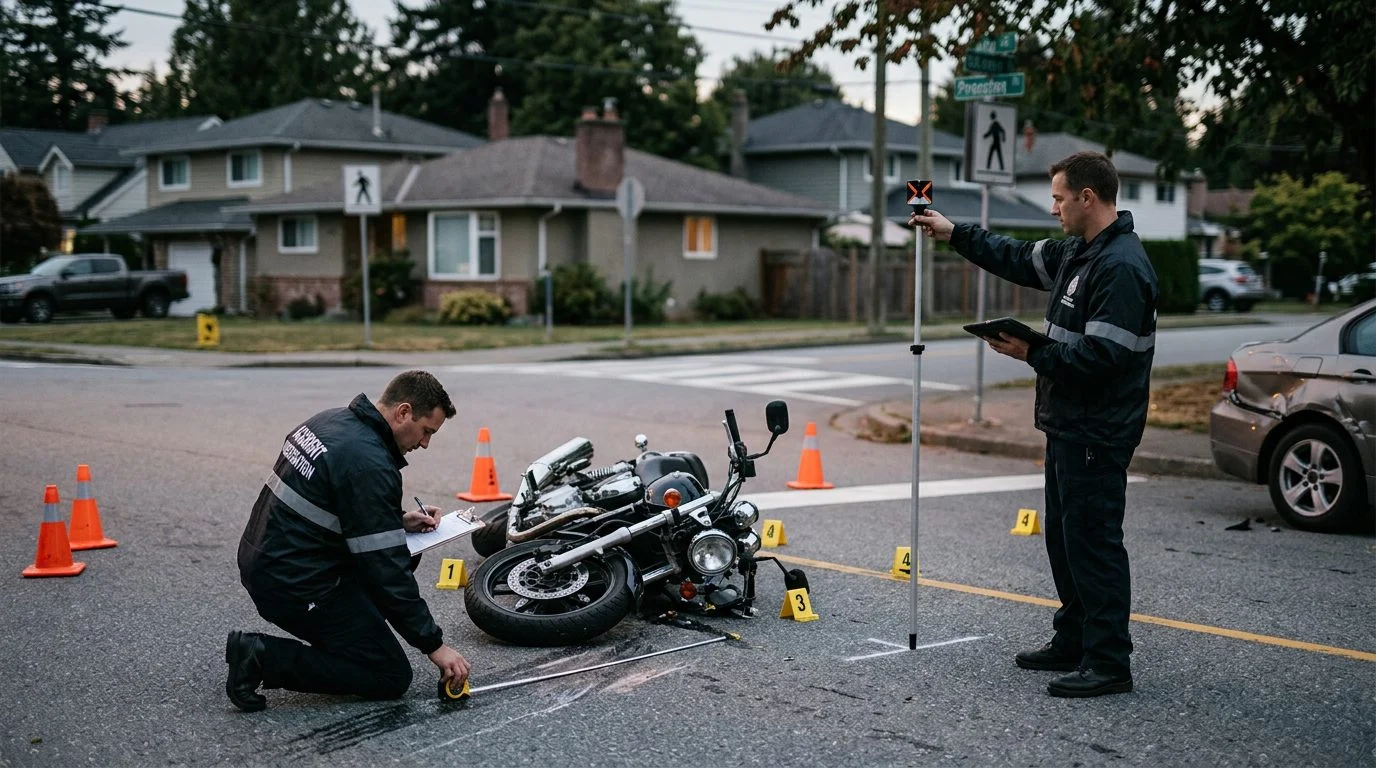
How West Virginia’s Fault Rules Treat an Injured Person’s Own Conduct
West Virginia generally uses a modified comparative fault rule (a shared-fault rule) (W. Va. Code § 55-7-13c). Under that rule, an injured person’s own share of fault can reduce what they recover, and a high enough share can bar recovery altogether.
Under W. Va. Code § 55-7-13c, a plaintiff’s recovery is barred only when the plaintiff’s fault is greater than the combined fault of everyone else responsible for the damages. If the plaintiff’s fault is less than that combined total, recovery is reduced in proportion to the plaintiff’s own fault.
W. Va. Code § 55-7-13a says recovery is based on comparative fault, and each person’s share is set by percentage.
A defendant may argue that your own conduct contributed to the injury, and that argument is weighed under these rules. The comparison is with the combined share of everyone else responsible, so more than one at-fault party matters. The split is decided case by case, and exceptions may apply.
Why Seatbelt Use Comes Up in Brain Injury Claims
Seatbelt use is often raised to argue that a head injury was worse than it would have been had the person been belted. That is a different argument from saying the belt, or the lack of one, caused the crash.
For a driver or an adult passenger, the same evidence may be admissible to show the failure worsened the injuries or contributed to the damages, but only if the defendant’s burden of proof is backed by opinion testimony that the court finds meets Rule 702 of the West Virginia Rules of Evidence; this does not apply if any driver with fault was driving in an impaired state, or if the driver is found to have concurrently violated § 61-5-17(h), (i), or (j).
The defense must back that claim with testimony that meets Rule 702 of the West Virginia Rules of Evidence. The statute also treats non-use as an affirmative defense, which the other side generally must raise and prove.
For a child passenger, the statute bars using non-use to show the child’s negligence or that it worsened or contributed to the child’s damages, though it may be admissible, subject to the West Virginia Rules of Evidence, to show the driver’s negligence.
Some insurers may raise belt use early in a claim. The seatbelt question and the question of who caused the crash are separate issues, and a claim can involve both.
How Injury Mechanics and Medical Records Bear on the Question
The way the head moved and what it struck is central to any causation discussion. Causation means proving how the crash led to the injury.
The Brain Trauma Foundation prehospital guidelines address how traumatic brain injuries occur and how they are assessed before a patient reaches the hospital.
Several kinds of records can show that mechanism. Emergency department notes often record how the injury happened, in the patient’s own words, at the first medical visit. Imaging reports and intake histories add detail, so they are worth keeping.
Early notes matter because they are written close to the crash. Those notes may be compared with later records, and differences can draw questions. Gaps or changes in those records can become points of discussion, so keep copies of every visit.
Medical witnesses may give opinions on whether belt use changed how severe the injury became. Those opinions are weighed against the records, and they may or may not support a seatbelt argument. A timeline built from those records can help show how symptoms developed over time.
Truck and Commercial Vehicle Crashes
A crash involving a commercial truck or other commercial vehicle often involves more parties and more records. Federal rules on seat belts apply to those vehicles in a specific way.
Under 49 CFR 392.16, a driver may not operate a commercial motor vehicle that has a driver’s seat belt unless properly restrained. A motor carrier may not require or permit that operation.
For property-carrying commercial vehicles, the rule also bars operation unless all other occupants are restrained by the belts at their seats.
Those rules place duties on drivers and carriers. That can matter when a seatbelt question arises in a truck crash.
Trucking companies and their insurers may raise belt use in the same way other drivers and insurers do. Vehicle equipment, crash data, and any dashcam or event recordings may also bear on the injury analysis.
Truck crashes can also involve more than one party at fault. Because more parties may be involved, the fault rules above may apply to each party separately.
What to Gather Before Talking With a Lawyer
Start with the facts that frame the seatbelt question. Write down where each person sat, whether the belt was worn, and whether it was damaged. Note the direction of impact and where the head struck.
Next, collect the police crash report, photos of the vehicles and the scene, witness names, and any dashcam or vehicle data you can get. Your crash report may be available from the agency that investigated. Photos taken soon after the crash may be especially useful, so save the original files with their dates.
Keep a written timeline of symptoms, medical visits, and missed work. Note any statements you gave an insurer, and keep dates beside each entry. Memories of the first days can fade, so a dated record helps.
Under W. Va. Code § 17C-15-49, a person may not operate a passenger vehicle on a public street or highway of this state unless the person, front-seat passengers, and back-seat passengers under 18 are restrained by a safety belt. Exceptions include a duly appointed or contracted rural mail carrier of the United States Postal Service actually making mail deliveries, and a passenger or operator with a physically disabling condition whose physical disability would prevent appropriate restraint in the safety belt, if the condition is duly certified by a physician who states the nature of the disability as well as the reason the restraint is inappropriate.
A lawyer can help you sort out which of these facts matter, and whether a seatbelt question may come up in your case.
Not sure what your next step is?
Talk it through with Big Bubba — the first case review is free, confidential, and carries no obligation.
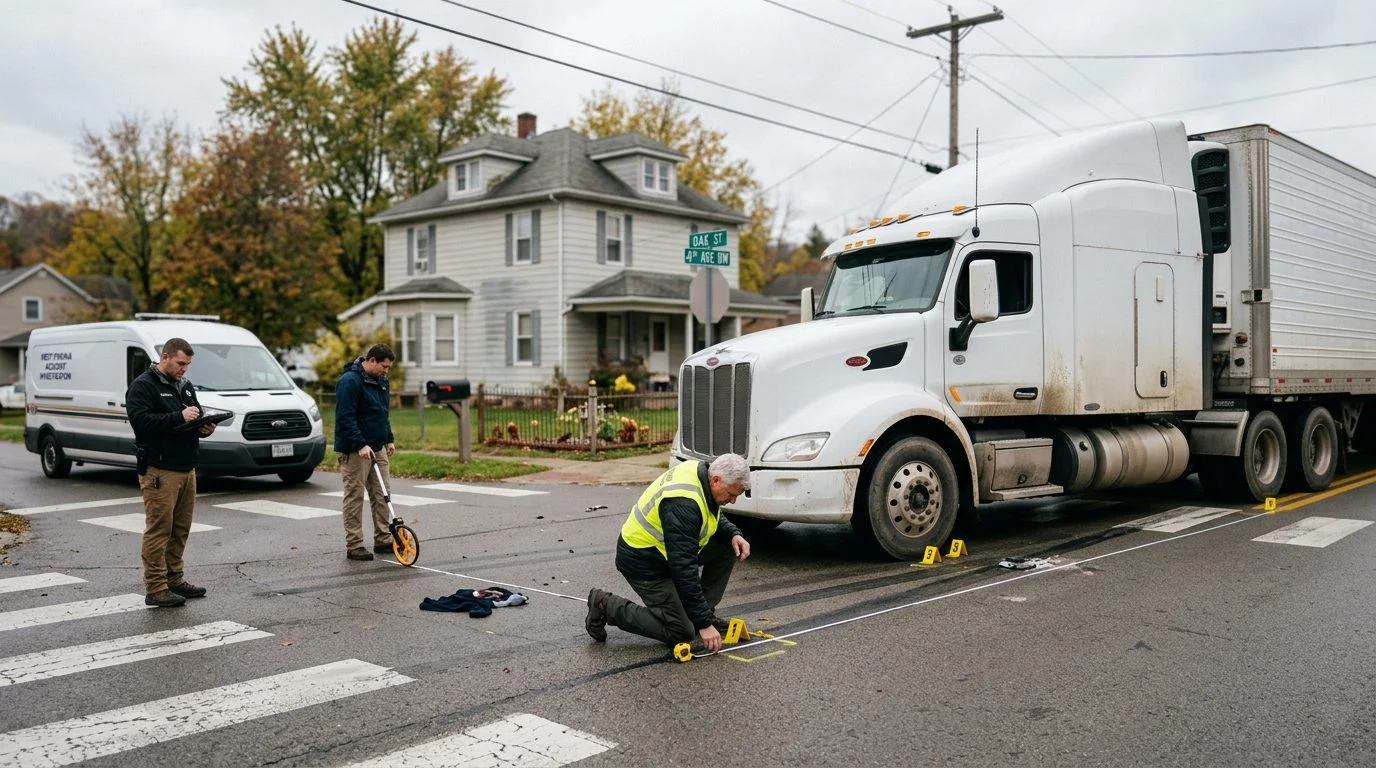
Describing Your Crash to the Firm
If a crash left you or a family member with a head or brain injury, the seatbelt question may be one more worry. We serve West Virginia injury victims, including people with traumatic brain injuries from car and truck crashes.
Some people wait because they are unsure whether a seatbelt question will matter. Talking through the facts early can help you understand what is at stake before you make decisions about your claim.
If you’re unsure how a seatbelt question may affect your claim, the firm can review those facts with you. If you have a brain injury claim, you can ask the firm for a free case review. The review is confidential, and there is no obligation to continue. To talk through your crash facts, reach out to the firm through the contact page.