
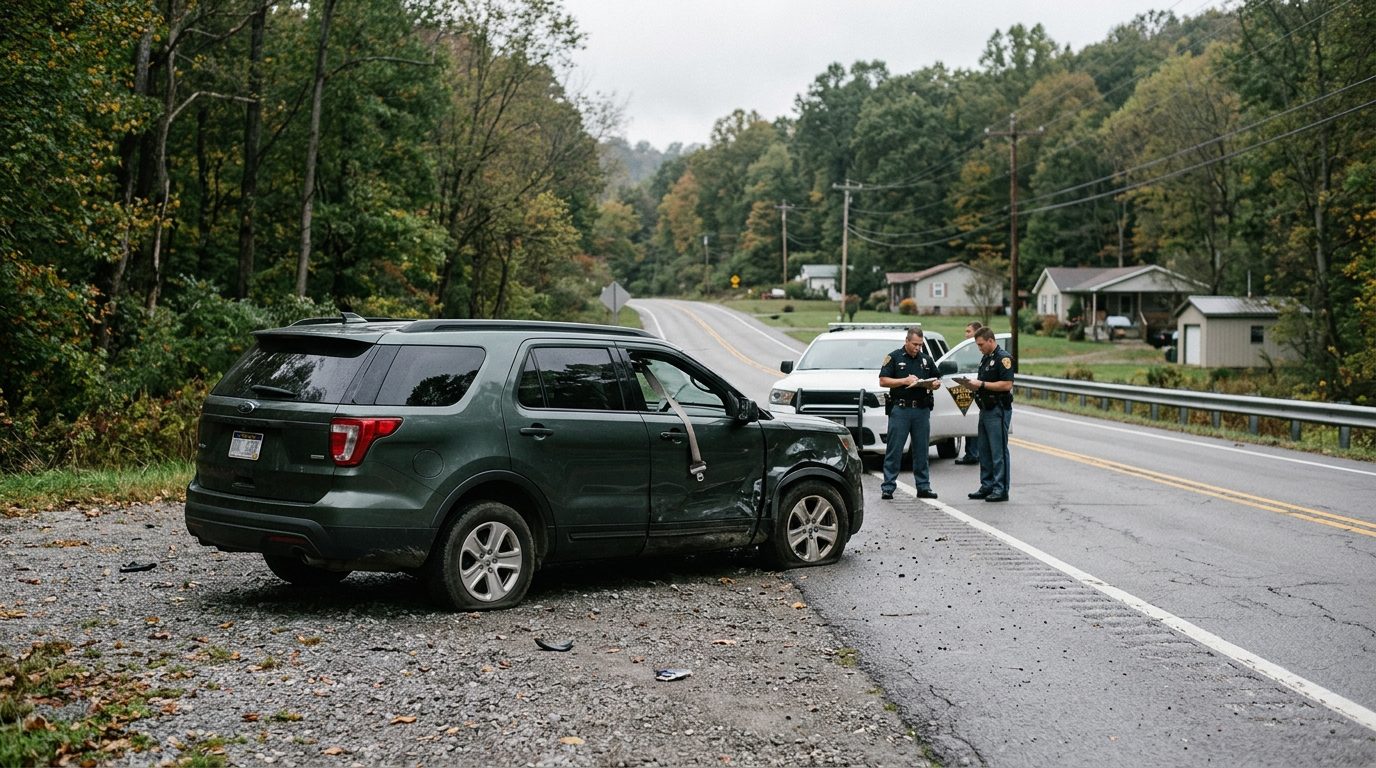
West Virginia Injury Claims
Hurt in a Crash Without a Seat Belt? Find Out Where You Stand
Your seat belt use is one question among many. Let's look at the facts of your crash, your injuries, and the choices in front of you.
Published November 19, 2026
If you were not wearing a seat belt when a crash hurt you or someone you love, you may be wondering whether a claim is still possible. In West Virginia, not wearing a seat belt does not automatically end a claim.
Whether you can recover compensation depends on the facts. Those facts include who caused the crash, how the injuries happened, and whether the seat belt question changed how serious they became. This guide walks through the state rules and the questions that often decide these cases.
Whether You Can Still Recover Depends on Several Facts
Seat belt use is usually one factor among several, not the whole answer.
Most crash claims come down to a few basic questions. Who was at fault for the crash? What injuries happened? Did not wearing a seat belt change those injuries? Each question stands on its own.
Think of seat belt use as a question that gets answered alongside the others. It is not a switch that turns a claim on or off.
A ticket and a claim are also separate matters. A driver may receive a citation for not buckling up and still have a claim against another driver, depending on the facts. The citation answers a traffic question. The claim asks who was responsible for the harm.
Some insurers may dispute a claim by pointing to seat belt use. Raising the point does not settle it. The law and the evidence decide how much it matters.
If you were not buckled up in a crash and are unsure how that affects your claim, you do not have to sort it out alone. We can talk through what happened. Talk it through with Big Bubba — the first case review is free, confidential, and carries no obligation.

What West Virginia’s Seat Belt Law Requires
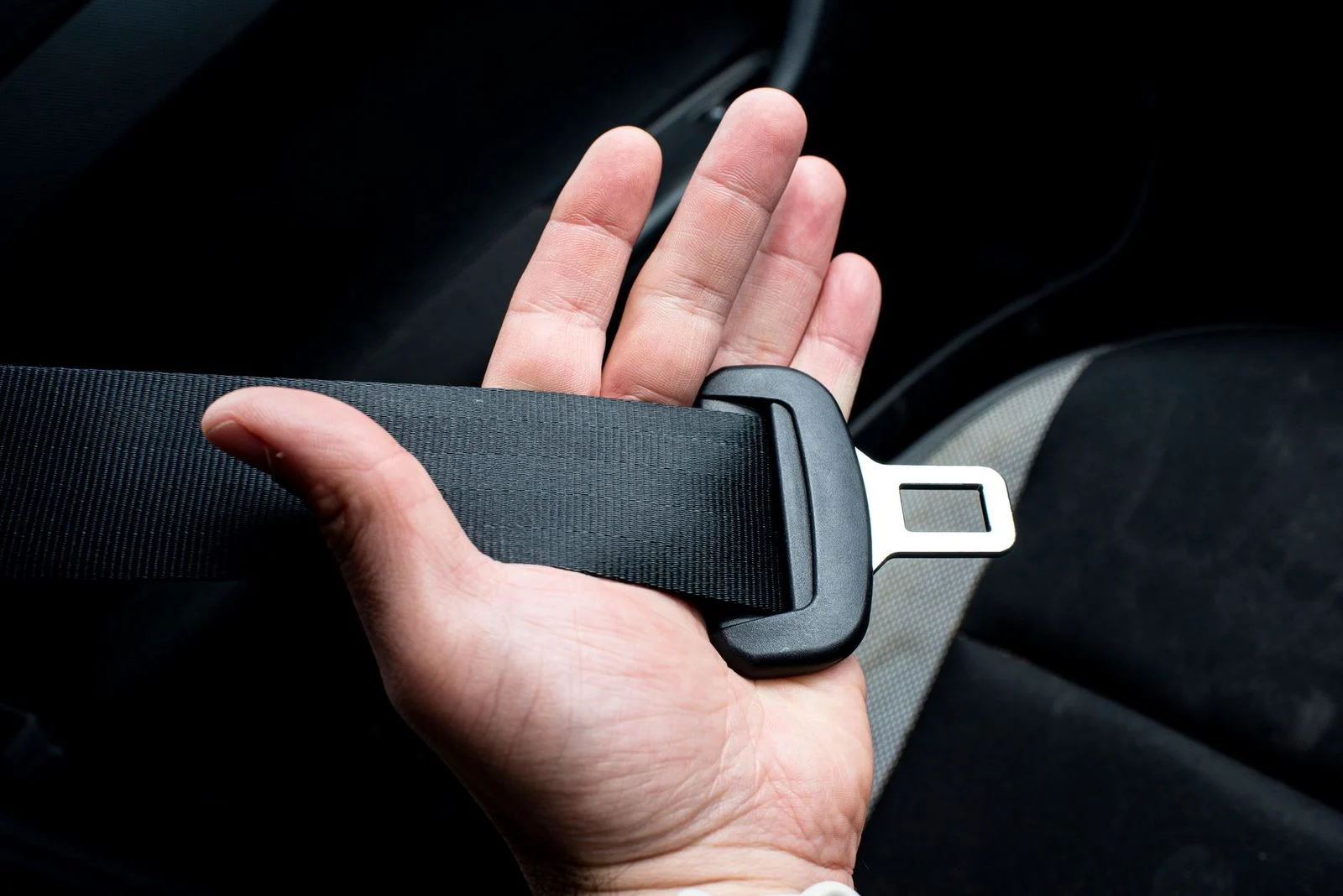
West Virginia requires drivers, any passenger in the front seat, and any passenger in the back seat under 18 years of age to wear a seat belt on public roads, subject to limited exceptions.
Under the state’s safety belt requirement, a person may not drive a passenger vehicle on a public street or highway unless the driver is restrained. The same rule covers any front-seat passenger and any back-seat passenger under 18.
The statute sets a fine for a violation. It also says no points go on the driver’s record for that violation. A ticket is a traffic matter. It does not decide who caused a crash.
Enforcement rules also vary by state. The Insurance Institute for Highway Safety tracks seat belt laws by state, including whether enforcement is primary or secondary.
How Fault Is Divided Under West Virginia Law
West Virginia generally uses modified comparative fault (W. Va. Code § 55-7-13c). That means each person’s share of fault can reduce what that person recovers.
Under West Virginia’s allocation rule, a plaintiff’s own fault does not bar recovery unless it is greater than the combined fault of all other people responsible for the damages. If the plaintiff’s fault is less than that combined fault, the recovery is reduced in proportion to the plaintiff’s share.
Put simply, a person found partly at fault may still recover, with a reduction. The details can be technical, and exceptions may apply.
The comparative fault statute ties recovery in injury and wrongful death cases to each person’s percentage of fault. Shares assigned to other people also matter, so the whole crash gets examined.
Seat belt use and crash causation are different questions. Who drove into the other lane or ran the signal are fault questions. Whether a belt was worn is a separate question about the injuries. If another driver was at fault, the seat belt question may affect only part of the damages, depending on the facts.
How Seat Belt Non-Use Can Affect the Injury Part of a Claim
Seat belt non-use matters most when it is linked to a specific injury.
The rules differ by who was in the vehicle.
For a driver or an adult passenger, evidence of non-use may be relevant to whether that non-use affected the injuries, depending on the facts. Depending on the facts, a party may need to support that point with testimony that meets the requirements of Rule 702 of the West Virginia Rules of Evidence.
Some insurers may dispute a claim by arguing that an injury would have been less severe with a belt. Medical records and crash evidence may be central to that question.
Brain and Spinal Cord Injuries in Crashes Where a Belt Was Not Worn
Unbelted occupants may be thrown within a vehicle or out of it. That can raise the risk of serious head and spine injury.
A person who strikes the interior or leaves the seat may suffer a traumatic brain injury or a spinal cord injury. Those injuries can affect work, family, and daily life.
Medical causation is a matter for medical records and treating providers. Doctors document what they find, when they find it, and how it relates to the crash. Those records are central to an injury claim, whether or not a belt was worn.
Severity, cause, and recovery time vary from person to person. They cannot be assumed from the crash alone. A damaged vehicle does not show what happened inside the body.
If you were hurt, keep every medical record and follow the treatment plan your providers give you. Keep a written log of symptoms and missed work. Early notes can help show how the injury affected daily life.
Seat belt use does not erase a serious injury. It may, however, become a question in the claim, and the medical record is where that question gets answered.
Wrongful Death Claims When the Person Who Died Was Not Wearing a Seat Belt
Families may be able to bring a wrongful death claim after a fatal crash.
Under West Virginia’s wrongful death statute, the claim is brought by the personal representative of the deceased person, who must be duly appointed. A jury’s verdict must include damages for sorrow, mental anguish, and solace, which may include companionship and guidance. The verdict must include, but is not limited to, compensation for reasonably expected loss of income and services, expenses for care, treatment and hospitalization, and reasonable funeral expenses.
The same statute generally requires the action to begin within two years after the death, and other provisions may apply (W. Va. Code § 55-7-6).
When the person who died was not wearing a seat belt, that is a factual question. The outcome depends on those facts, and the crash report alone does not settle it.
Grief makes these questions harder to face. A family member may be trying to understand what happened while also planning a funeral. Take the time you need. Ask trusted people for practical help, and bring your questions when you are ready.
Not sure what your next step is?
Talk it through with Big Bubba — the first case review is free, confidential, and carries no obligation.
Steps That May Help Preserve Evidence After a Crash
Early evidence often matters most, so it helps to know what to keep.
Under West Virginia’s crash report statute, an officer who investigates a crash on a public street or highway involving bodily injury, a death, or total property damage to an apparent extent of $1,000 or more must prepare a report. The officer generally must submit it within 24 hours after completing the investigation. Within 24 hours of a motor vehicle crash, the investigating officer must provide owner, operator, and insurance information, upon request, to each of the other involved parties and their insurance agents, at no cost.
Useful evidence may include the crash report, photos of the vehicle’s interior, seats, and seat belt hardware, witness names and phone numbers, insurance information, and every medical record. Vehicles may be repaired or sold, and some records can be lost over time, so acting early may matter.
Think carefully before giving a recorded statement to an insurer. Know what it may be used for. The decision is yours.
Related Reading and Next Steps With Big Bubba
If a brain injury is part of your situation, read our traumatic brain injury guide for more detail.
Our page on distracted driving crashes in West Virginia covers that topic for readers who want more context.
The firm handles car accident, truck accident, and wrongful death claims, and serves injury victims across West Virginia.
If you are only gathering information for now, that is completely fine. If you were not buckled up and are unsure what that means for your claim, you do not have to sort it out alone. Request a free case review and talk through what happened.