
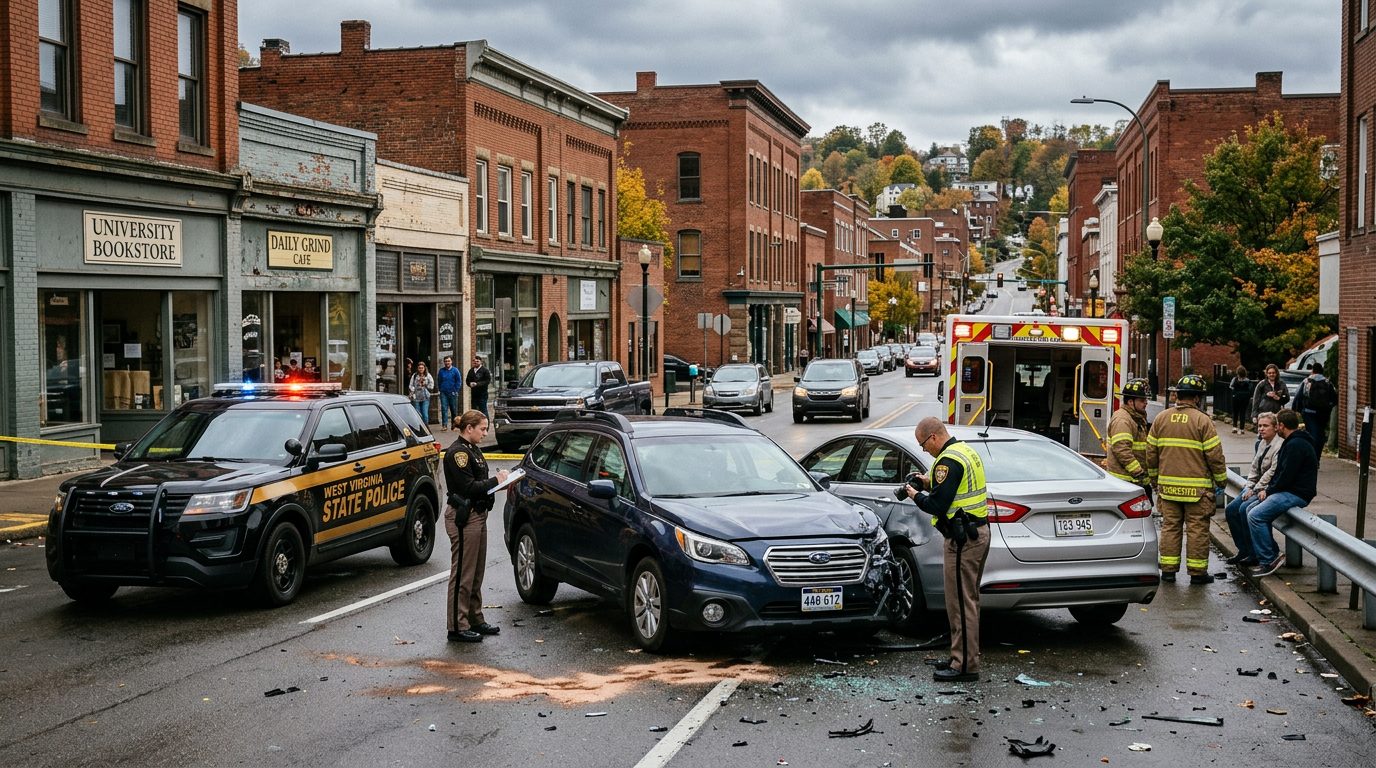
Car Accident Injuries | West Virginia
Hurt in a Car Crash? Start With a Free Case Review
Get clear answers about your injuries, your options, and what to do next, from a firm that listens first.
Published November 16, 2026
A serious crash can leave you hurt, unsure what comes next, and fielding calls from insurance adjusters. A free case review is a first meeting where the firm hears what happened and explains the legal questions your facts raise.
It carries no obligation to continue. This page explains what the review covers, how it works, and the West Virginia rules that often come up in serious car and truck injury cases.
What a Free Case Review Is and Who It Is For
A free case review is a first meeting where the firm listens to your account of the crash and looks at the facts. It is built for people with serious injuries, not only minor soreness. The review is a good fit if you are:
- The injured driver or passenger.
- A family member acting for someone in the hospital or rehab.
- Someone still trying to understand a crash they did not choose.
The review is a conversation, not a filing. You don’t need every document or the right legal words. Injuries like brain or spinal cord damage often involve long medical care, so the review looks at the full picture. Families in wrongful death cases often have questions about who can bring a claim, and the review is a place to ask them. You can reach out by phone or through the contact form.
If you're caring for someone with a brain or spinal cord injury, or still sorting out a crash you did not choose, you don't have to work out the next step alone. Talk it through with Big Bubba — the first case review is free, confidential, and carries no obligation.
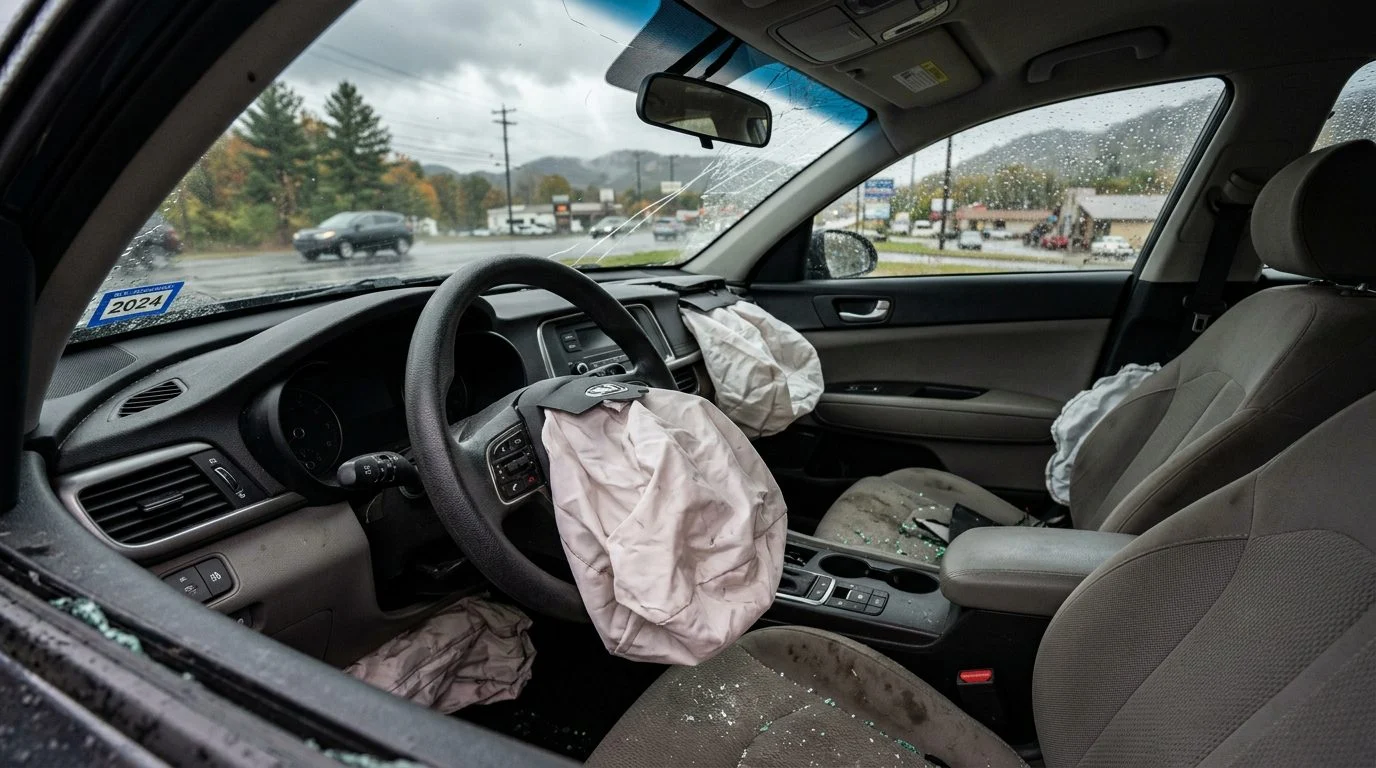
Serious Injuries the Firm Handles
The firm handles car and truck crash claims, serious injury cases, and wrongful death claims in West Virginia.
- Car and truck accidents. Crashes involving passenger vehicles, pickups, and large trucks.
- Commercial vehicle crashes. Crashes involving delivery, freight, and other work vehicles, which can involve more than one responsible party.
- Traumatic brain injury. Brain injuries can involve symptoms that change over time, so early medical records matter.
- Spinal cord injury. The NINDS spinal cord injury page explains that the cord has three protective layers and fluid that cushions it. Injuries high on the cord can affect breathing.
- Catastrophic injury. Injuries that may need long-term care or change how someone works and lives.
- Wrongful death. Claims brought by a family after a fatal crash.
Speed raises the energy in a crash and the chance of severe injury, according to the Insurance Institute for Highway Safety.
The firm serves all 55 West Virginia counties. We serve Charleston injury victims, and we serve injury victims in Huntington, Morgantown, Wheeling, Martinsburg, Parkersburg, Beckley, Clarksburg, Fairmont, and Weirton as well.
What the Free Case Review Covers
The review covers the crash facts, your injuries and treatment, the parties involved, and the deadlines that may apply.
- The crash. The date, place, road and weather conditions, and how the collision happened.
- Your injuries. Hospital notes, follow-up visits, therapy, and any care plan your doctors have given you.
- The parties. Other drivers, the owner of a commercial vehicle, and the employer of a commercial driver may each be relevant.
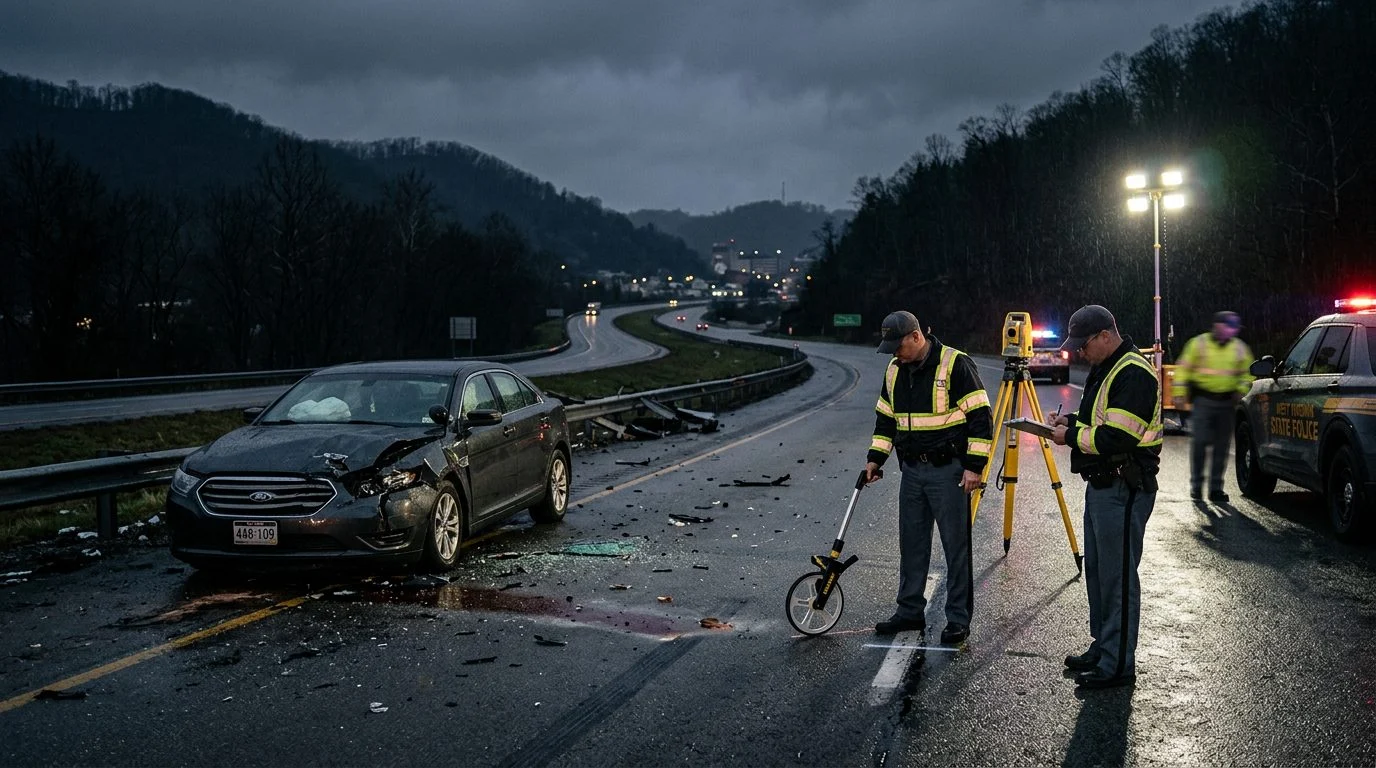
- Evidence. Police reports, witness names, photos, and vehicle or dash cam data may be relevant, depending on the facts.
- Deadlines. Time limits for filing, and what you can do now to protect your options.
Cargo matters in some truck cases. The West Virginia Division of Motor Vehicles states that unsecured vehicle cargo can cause serious or catastrophic crashes and injuries. West Virginia also has a separate statute, W. Va. Code § 55-7-32, that may limit the noneconomic damages recoverable against the employer defendant of a commercial motor vehicle, and exceptions may apply. The review looks at who owned, leased, or controlled the truck.
How the Free Case Review Works, Step by Step
The process starts with a call or message and moves to a conversation about your facts. You decide what comes next.
- Reach out. Call the firm or use the contact form.
- Share what you have. Bring the police report, hospital discharge papers, insurance letters, and photos. Missing papers are fine to mention.
- Talk through the facts. The firm reviews the crash and your injuries with you and explains the legal questions they raise.
- Decide your next step. You choose what to do, and the firm explains each option in plain terms.
The review itself is one meeting. What comes after depends on the facts and how your injuries progress.
One early point matters. For 20 days after a personal injury, W. Va. Code § 55-7-11a generally limits settlement talks and releases with an injured person who is in the hospital or unable to work. If you’re asked to sign anything early, bring it to the review first.
West Virginia Fault, Negligence, and Deadlines
West Virginia generally uses modified comparative fault, which can reduce your recovery if you share some blame for the crash (W. Va. Code § 55-7-13c).
Under W. Va. Code § 55-7-13c, an injured person’s recovery is generally reduced by their own percentage of fault. Recovery is generally barred only when their fault is greater than the combined fault of everyone else. Fault in a crash can be shared among several people involved.
Every claim depends on its own facts. The facts of each crash decide how those pieces fit.
West Virginia generally allows two years to file a personal injury claim, under W. Va. Code § 55-2-12, and exceptions may apply. A wrongful death action is generally brought by the personal representative and must begin within two years after the death, subject to the provisions of section eighteen, article two, chapter fifty-five, under W. Va. Code § 55-7-6. W. Va. Code § 55-7-6 reads: “The provisions of this section shall not apply to actions brought for the death of any person occurring prior to July 1, 1988.” Waiting can cost you options, so timing is worth raising early.
Why Reach Out to the Firm
The firm handles serious car, truck, and commercial vehicle injury claims, along with wrongful death cases. It offers a free case review to start.
- Scope. The firm handles serious and catastrophic injury cases and wrongful death claims.
- Terms of the review. The free case review is confidential and carries no obligation to continue.
- Support staff. The firm has support staff who help with scheduling and gathering documents.
- Plain explanations. The firm explains West Virginia rules in general terms and how they may apply to your facts.
Not sure what your next step is?
Talk it through with Big Bubba — the first case review is free, confidential, and carries no obligation.
Questions Before You Request a Free Case Review
These answers cover common questions before you reach out.
Do I need a police report before I reach out?
No. Under W. Va. Code § 17c-4-7, the investigating officer must prepare a crash report within 24 hours after finishing the investigation of a crash on the public streets or highways of this state resulting in bodily injury to, or death of, any person or total property damage to an apparent extent of $1,000 or more. The firm can talk through what to do if a report is missing or incomplete.
Can a family member reach out for someone in the hospital?
Yes. A family member can contact the firm for someone who is hospitalized or recovering, and the firm will explain what information it needs.
What if I may have been partly at fault?
Under modified comparative fault, your recovery may be reduced by your share of fault (W. Va. Code § 55-7-13c). The review is the place to talk through how that rule may apply to your facts.
What should I bring to the review?
Bring crash details, photos, discharge papers, insurance letters, and notes on symptoms or missed work. If you can’t find something, mention it anyway.
Am I committing to anything by reaching out?
No. The free case review carries no obligation to continue.
If you’re caring for someone with a brain or spinal cord injury, or still sorting out a crash you did not choose, you don’t have to work out the next step alone. Request a free case review when you’re ready, and tell the firm what happened in your own words.