
Car Accidents | West Virginia
Your Car Is Totaled. Your Injury Claim Still Matters.
The vehicle payment, your medical bills and the other driver's insurer can all overlap. Here is how to sort through each one.
Published November 13, 2026
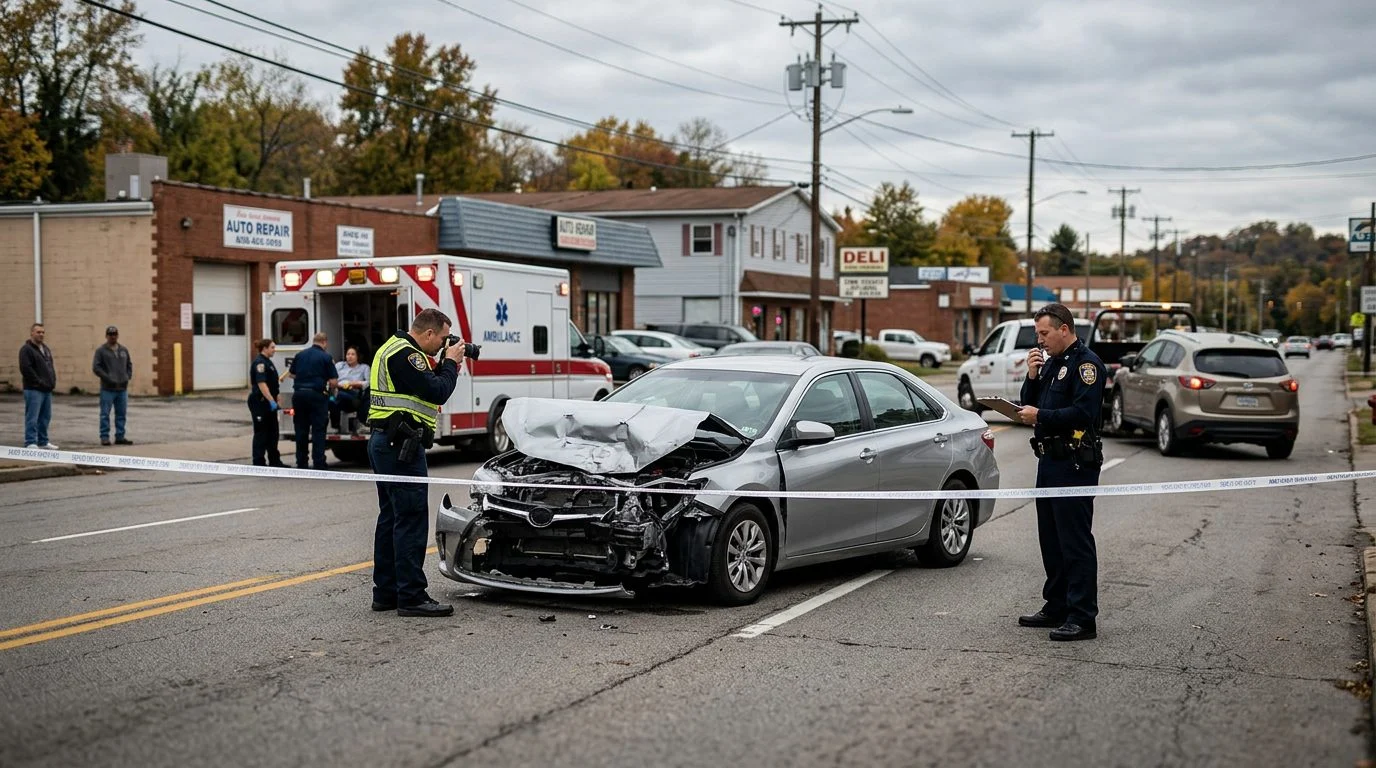
A crash can leave you with a damaged car, medical bills, and a pile of insurance letters. If the insurer has called your car a total loss, the short answer is this: a car is generally totaled when the repair cost is close to or more than its value just before the crash. How the insurer measures that value matters a great deal.
This guide walks through what a totaled car after an accident in West Virginia usually involves. It also explains how the property claim can connect to an injury claim, and the time limits that may apply.
What Does It Mean When Your Car Is Totaled in West Virginia?
A total loss means the insurer pays for the vehicle instead of repairing it.
Insurers compare the repair estimate with the vehicle’s value. When repairs cost about as much as the car was worth, or more, the insurer may declare it a total loss. Each insurer can use its own formula or threshold, so the same damage can lead to different decisions.
An expensive repair is not always a total loss. Some vehicles are repaired at high prices, and the insurer may choose to pay for repairs instead. Ask for the written estimate so you can see the numbers.
You can also ask which valuation method and threshold the insurer used. A written answer makes it easier to check the math and compare it with what you know about your car.
Keep in mind that the insurer’s decision starts the property claim. It does not end it. You can still question the numbers before you accept any payment.
If your car was totaled and you're still sorting out injuries, you don't have to handle the insurance letters alone, so reach out for a free case review. Talk it through with Big Bubba — the first case review is free, confidential, and carries no obligation.
What Steps Should You Take First After a Totaled Vehicle?
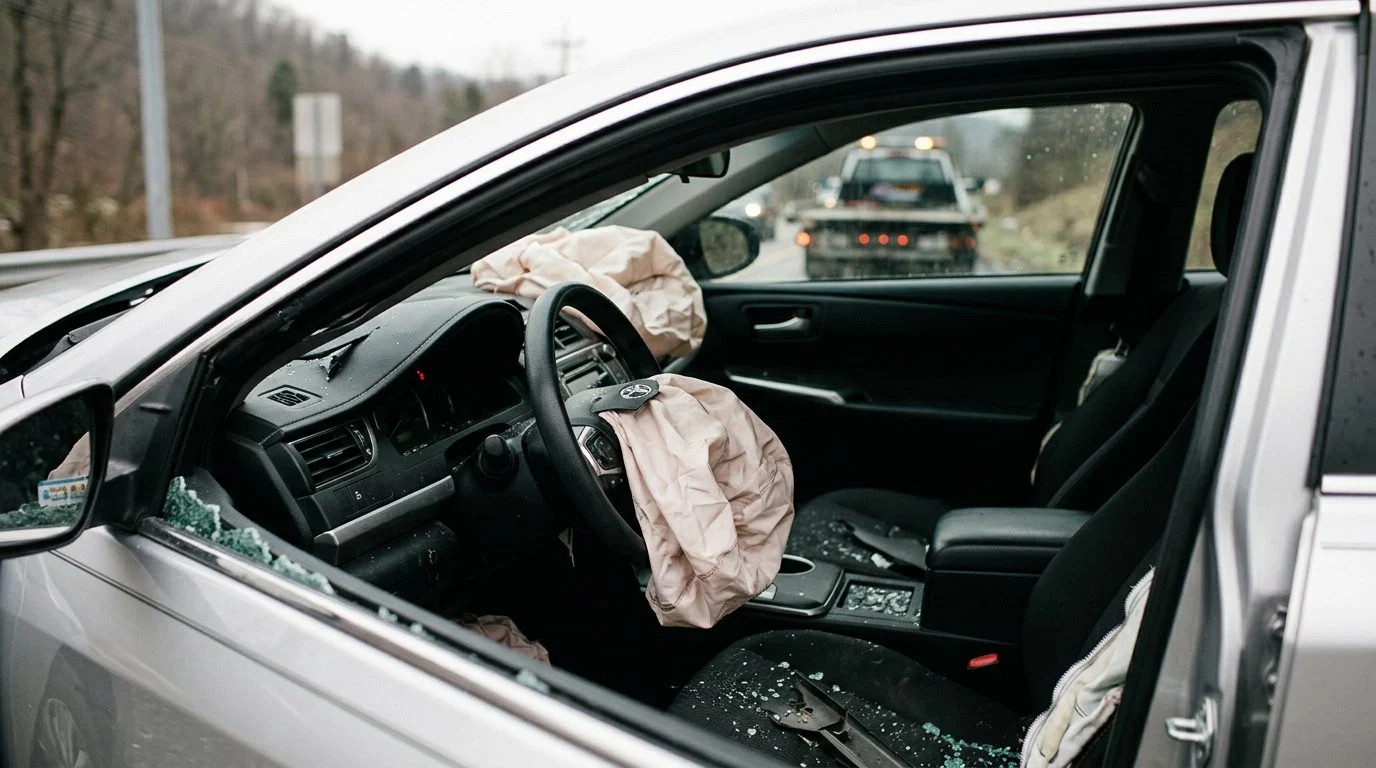
In the first days, document the car, the scene, and every call with the insurer.
Photograph the vehicle from all sides and any visible damage. If it is safe to do so, photograph the scene too. Take pictures of personal items still inside, such as a car seat, a phone charger, or work papers.
Keep a written log. Record the date and time of each call, the adjuster’s name, the claim number, and what was said. Notes written the same day are easier to rely on later.
Be careful with paperwork. Do not sign a release or accept a final payment until you understand what it covers. A release may affect other losses from the same crash, including injuries.
Ask how you will get personal property out of the vehicle or the storage lot. Ask in writing, and ask who is responsible for the move. You can also ask for a few days to review any written offer.
How Is Actual Cash Value Calculated for a Totaled Car?
Actual cash value is generally what your vehicle was worth just before the crash.
Insurers may look at recent sales of similar vehicles in your area. They may adjust for year, make, model, trim, mileage, options, and condition. The result is a number, not a full picture of what you lost.
Check the report line by line. Look for errors in the year, trim, or mileage. Look for missing options, such as a towing package, new tires, or a recent battery, which may affect value. Compare the listed comparable vehicles with the details of your own car.
Raise problems in writing. Send a short letter or email that names each item, explains why it matters, and includes proof such as receipts or photos. Some insurers may dispute a claim, and a written request for the valuation basis is a reasonable step.
Keep your records organized. Valuation can take time, and a first offer may be a starting point for discussion rather than the final word.
What Are the Title and Lienholder Steps After a Totaled Car?
If you still have a loan or lease, the lienholder is typically paid first from the settlement.
A lienholder is the bank or lender with a financial claim on your car. The insurer usually sends the lender its share first. Any remaining amount goes to you. If you owe more than the car is worth, raise that gap with your lender and insurer right away.
Title work comes next. The owner usually signs the title over to the insurer once the total loss is paid. A salvage title marks a vehicle the insurer has declared a total loss. Ask the insurer which title forms it needs and who files them.
If your title is lost or has errors, you may need a replacement title from the West Virginia Division of Motor Vehicles. Missing or incorrect paperwork can slow a payout, so ask early which forms are needed. Keep copies of your loan statement and registration with your claim file.
What Happens to a Totaled Car After the Crash?
After a total loss, the vehicle is usually moved to a storage or salvage yard and later sold.
Insurers may send a totaled car to a storage lot and then sell it at auction. Ownership and payment must be sorted out before that sale. While the car sits, storage charges may build up.
Ask in writing who is responsible for moving the vehicle and when it will be released. Ask whether storage is billed to you, to the insurer, or to the lot’s owner, and save the answer.
Clear answers can prevent confusion. If the car sits for weeks without a clear plan, that delay can become a problem for your claim. Confirm any new dates by email or letter. Remove your personal items before the car leaves the lot, and confirm a pickup time.
Where Do You Get the Crash Report, and Who Was Driving?
The police agency that investigated the crash issues the crash report, and you can request a copy from that agency.
The report usually lists the parties, insurance details, and the officer’s observations. It can help show what happened, but it is not the final word. Details may be disputed later, and errors do happen. Read it closely and note anything that looks wrong.
Who was driving matters. If a family member, a friend, or someone on a work errand was behind the wheel, the insurance that applies may differ. Tell the insurer exactly who was driving and why they had the car.
If the vehicle was a work van or truck, federal rules may apply. Commercial drivers and carriers may need to test for alcohol and controlled substances after certain crashes. The FMCSA accident testing rules describe the time limits for those tests. Tell your employer right away so the required steps can start.
If you think a part failed, do not let the vehicle be crushed or sold until someone has examined it. Preserving the car and its parts can matter later.
Not sure what your next step is?
Talk it through with Big Bubba — the first case review is free, confidential, and carries no obligation.
How Do Injury Claims and Time Limits Relate to a Totaled Car?
West Virginia generally allows two years to file a claim for personal injuries or property damage, and exceptions may apply, under W. Va. Code § 55-2-12.
A totaled car claim and an injury claim are separate. An insurer’s payment for the vehicle generally does not settle injury losses, such as medical bills or missed work. Keep both claims in view at the same time.
Fault can affect recovery. Under W. Va. Code § 55-7-13c, a plaintiff’s fault generally does not bar recovery unless it is greater than the combined fault of all other persons responsible. Otherwise, the recovery is reduced in proportion to the plaintiff’s fault.
A release from one at-fault party may not end a claim against another. Under W. Va. Code § 55-7-12, a release with one party who shares fault is generally no bar to a claim against another party for the same cause of action.
Be careful with early settlement requests. Under W. Va. Code § 55-7-11a, a settlement, release or statement obtained in violation of that section may be disavowed by the injured person at any time within one hundred eighty days from the date of the personal injury, by executing a written statement of disavowal and forwarding a copy to the person who violated the section; if any consideration paid is repaid or returned to the person who paid it, the settlement, release or statement may not be admissible in evidence.
If the other driver’s insurance is too low, underinsured motorist coverage may matter.
Medical records help show the link between the crash and your injuries. Keep treatment dates, symptom notes, and discharge papers.

How the Vehicle Claim and an Injury Claim Fit Together
If you’re juggling a totaled car, a loan, and your own recovery, you don’t have to sort it all out in one week.
The decisions in front of you are concrete. Should you accept the insurer’s valuation? How do you handle injuries alongside the vehicle claim? Where do you start with the title and the release?
Big Bubba handles car accident, truck accident, and commercial vehicle claims. The firm also handles catastrophic injuries, traumatic brain injury, spinal cord injury, and wrongful death cases across West Virginia.
Is my totaled car claim the same as my injury claim?
They are usually separate claims. An insurer’s vehicle payment may not settle injury losses.
How long do I have to file in West Virginia?
West Virginia generally allows two years for personal injury and property damage claims, and exceptions may apply.
Can I keep personal items from a totaled car?
Often, yes. Ask the insurer and the storage lot in writing how and when you can get them back.
After a crash that totals a car, insurance letters can arrive while injuries are still being evaluated. Reach out to Big Bubba for a free case review, with no obligation to continue.